Traditional Italian Cocktail Recipes: Classics from Negroni to Aperol Spritz
Your Cocktail Journey Map
- The Foundation: Understanding Italian Cocktail Culture
- The Essential Pantry for Italian Cocktails
- The Classics: Detailed Recipes & Techniques
- Beyond the Big Five: A Curated List of Other Classics
- Mastering the Craft: Pro Tips & Common Pitfalls
- Answering Your Italian Cocktail Questions (FAQ)
- Bringing It All Home: Your Italian Aperitivo Night
Let's be honest. When you think of Italian drinks, wine probably floods your mind first. Chianti, Prosecco, Barolo – they get all the glory. But nestled in the bustling piazzas and cozy enotecas of Italy lies a parallel universe of liquid artistry: the world of traditional Italian cocktails.
These aren't just drinks; they're rituals. They're the aperitivo, that magical pre-dinner hour designed to awaken the appetite and connect with friends. They're stories of bartenders, counts, and iconic brands, all shaken or stirred into a few perfect ounces. And the best part? You don't need a plane ticket to enjoy them. With the right know-how, you can bring the essence of an Italian summer evening right into your home.
That's what this guide is for. We're going deep, past the tourist-menu Spritz, into the heart of what makes these drinks tick. I've spent more time than I'd care to admit trying to perfect a Negroni at home (my early attempts were... medicinal), and through trial, error, and a bit of research, I've gathered what you really need to know.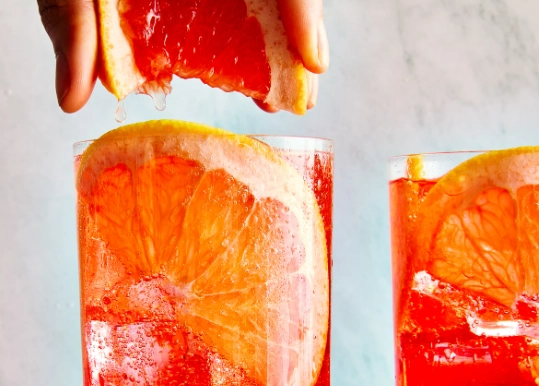
So, what exactly defines a "traditional" Italian cocktail? It's not just about being invented in Italy. It's a combination of history (often pre-dating World War II), a deep connection to Italian ingredients like bitter liqueurs (amari) and vermouth, and its enduring role in the social fabric of aperitivo culture. These are drinks that have been ordered in the same way for generations.
The Foundation: Understanding Italian Cocktail Culture
You can't just throw gin, Campari, and vermouth together and call it a day. Well, you can, and it'll probably be okay. But to really get these traditional Italian cocktail recipes, you need to understand the soil they grew from.
It all revolves around Aperitivo. This isn't happy hour. Happy hour is about getting cheap drinks. Aperitivo is a philosophy. It translates loosely to "opening," and its purpose is to open the stomach and the evening. It's a slow, social unwinding that happens between 6 and 9 PM. The drink is slightly bitter, dry, and low in alcohol—meant to stimulate, not incapacitate.
The stars of this show are Italy's legendary bitter liqueurs. Campari and Aperol are the famous ones, but the family is huge: Cynar (artichoke!), Montenegro, Select, Braulio. Italians have a genius for making bitterness not just palatable, but desirable. This love for bitter flavors (amarognolo) is a national taste preference you see in their salads (radicchio), coffees (espresso), and digestifs.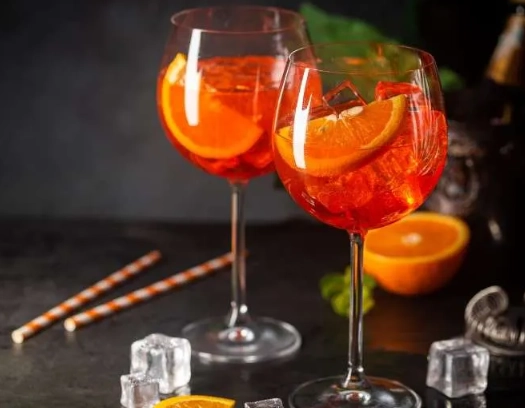
Then there's vermouth. Not just a dusty bottle at the back of your cabinet! Italian vermouth, particularly from Turin, is sweet, herbal, and complex. It's the glue that holds many of these classics together. Brands like Martini & Rossi and Carpano are pillars here. Speaking of Carpano, their Antica Formula is practically a cheat code for a better Negroni.
A quick personal detour: My first real aperitivo was in a tiny square in Verona. I ordered a Spritz, not knowing any better. The couple next to me had these gorgeous, ruby-red drinks in heavy crystal tumblers. I asked what they were. "Negroni sbagliato," they said with a smile. I tried one the next night. The prosecco made it lighter, slightly sweeter, and it was a revelation. It was a gateway drug into the wider world of bitter cocktails. Don't be afraid to ask or experiment!
The Essential Pantry for Italian Cocktails
Before we get to the recipes, let's talk gear. You don't need a fancy home bar, but a few key bottles will unlock dozens of traditional Italian cocktail recipes.
The Non-Negotiables:
- Campari: The king of Italian bitters. Bright red, intensely bitter with a complex orange peel and herb flavor. There is no substitute.
- Sweet Vermouth: Get a good one. Martini & Rossi is fine to start, but Carpano Antica Formula or Cocchi Vermouth di Torino will elevate everything. CRUCIAL TIP: Store it in the fridge after opening and use it within a month or two. It's wine-based and oxidizes.
- Prosecco or another dry sparkling wine: For Spritzes and Sbagliatos. Doesn't need to be super expensive, but it should be dry (brut).
- Aperol: Campari's milder, sweeter, more orange-centric cousin. Essential for the Spritz.
The Next Tier (Highly Recommended):
- London Dry Gin: For Negronis and Americanos. Beefeater, Tanqueray, or Bombay Sapphire are perfect.
- Select Aperitivo: A Venetian bitter that's like a bridge between Aperol and Campari. Makes an incredible Spritz.
- Cynar: An artichoke-based amaro that's surprisingly versatile and deliciously vegetal.
- Club Soda: For lengthening and adding sparkle.
Hardware: A mixing glass (or any sturdy pint glass), a bar spoon for stirring, a jigger for measuring (eyeballing leads to imbalance!), and a fine-holed strainer. And good ice. Please, use good, fresh ice.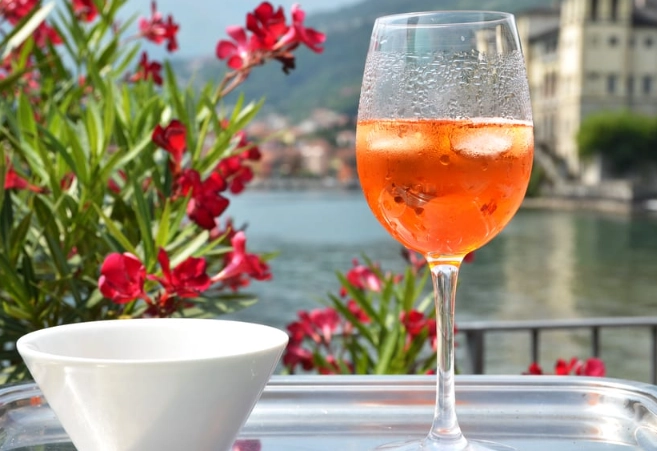
Pro Tip from a Home Bartender: Don't try to buy everything at once. Start with the "Non-Negotiables" and master the Negroni and Aperol Spritz. Your confidence (and your wallet) will thank you. Each bottle is an investment that opens up multiple drink possibilities.
The Classics: Detailed Recipes & Techniques
Alright, let's get to the main event. Here are the cornerstone traditional Italian cocktail recipes, broken down with the precision they deserve but without the fuss.
1. The Negroni: The Icon
Born in Florence around 1919 when Count Camillo Negroni asked a bartender to strengthen his Americano by swapping soda for gin. A perfect, bold, equal-parts cocktail.
The Recipe:
- 1 oz (30ml) London Dry Gin
- 1 oz (30ml) Campari
- 1 oz (30ml) Sweet Vermouth
Method: Add all ingredients to a mixing glass filled with ice. Stir vigorously for about 30 seconds until well-chilled. Strain into a rocks glass over a large ice cube. Garnish with an orange peel. Express the oils over the drink by pinching the peel skin-side out, then drop it in.
Why the big ice cube? It melts slower, preventing your powerful Negroni from getting watery too fast. Stirring, not shaking, is key. We want it silky and clear, not aerated and cloudy.
Common Variations:
- Negroni Sbagliato: "Wrong" Negroni. Substitute prosecco for the gin. Lighter, fizzy, fantastic.
- Boulevardier: Substitute bourbon or rye whiskey for the gin. Richer, warmer.
- Cardinale: Substitute dry vermouth for sweet. Much drier and more austere.
Honestly, the 1:1:1 ratio is gospel, but don't be a slave to it. Try a 1.5:1:1 gin-forward version, or a 1:1:1.5 vermouth-heavy one. Find your sweet (or bitter) spot.
2. The Aperol Spritz: The Sunshine in a Glass
The poster child of Italian summer. It's simple, but so many people get it wrong by making it too sweet or weak.
The *Official* Recipe (Yes, there's a committee):
The Aperol Spritz is protected by the Aperol brand, and they decree the following proportions. I find this to be the perfect balance.
- 3 parts Prosecco (e.g., 3 oz / 90ml)
- 2 parts Aperol (e.g., 2 oz / 60ml)
- 1 splash of Soda Water (e.g., 1 oz / 30ml)
Method: Fill a large wine glass (the kind with a stem!) with ice. Add the Prosecco first, then the Aperol. Top with a splash of soda. Gently stir. Garnish with a half-orange wheel.
See the order? Prosecco first. It helps with integration. And please, for the love of all that is holy, use a big wine glass, not a tiny one. This is a long, refreshing drink to be savored.
3. The Americano: The Negroni's Predecessor
This is where it all began. Created in the 1860s at Caffè Camparino in Milan, it was originally called the "Milano-Torino" (Campari from Milan, vermouth from Turin). It got its name when American tourists in Prohibition-era Italy fell in love with it.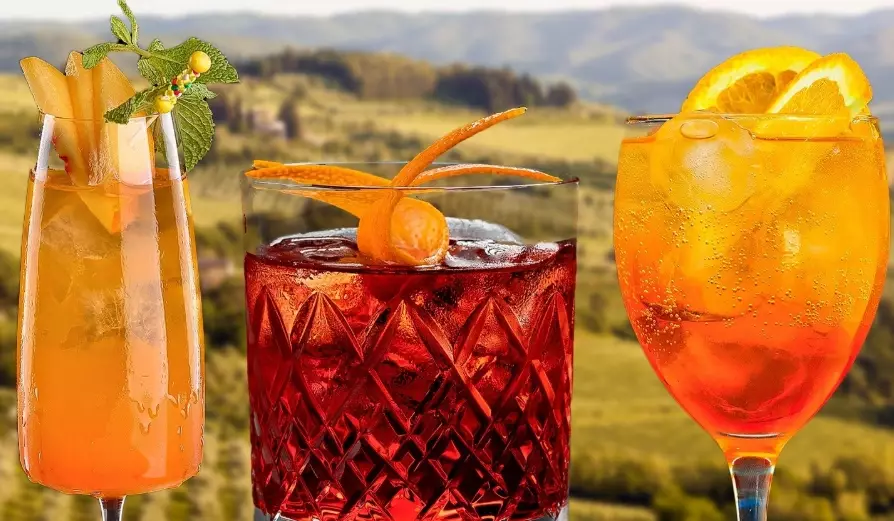
The Recipe:
- 1.5 oz (45ml) Campari
- 1.5 oz (45ml) Sweet Vermouth
- 2-3 oz (60-90ml) Club Soda
Method: Fill a highball or Collins glass with ice. Pour the Campari and vermouth over the ice. Top with chilled club soda. Gently stir. Garnish with an orange slice or half-wheel. It's that simple.
This is the ultimate low-ABV aperitivo. Bitter, refreshing, and incredibly sessionable. It's less intense than a Negroni but carries the same beautiful flavor profile. A perfect afternoon drink.
4. The Garibaldi: The Two-Ingredient Wonder
Named after the Italian revolutionary, this is Campari's answer to the Mimosa. It's stupidly simple but requires a specific technique to get right.
The Recipe:
- 1.5 oz (45ml) Campari
- 4 oz (120ml) Fresh Orange Juice (THIS IS CRITICAL)
Method: Fill a highball glass with ice. Add the Campari. Now, for the juice: you need fresh, high-quality orange juice, preferably from sweet, ripe oranges (like Valencia). Pour it carefully over the back of a spoon held just above the Campari to create a distinct, fluffy layer on top. Do NOT stir. The visual contrast is part of the charm. Drink it as the layers slowly integrate.
The magic is in the texture. The proper pour creates a thick, almost creamy foam from the orange juice that sits atop the bitter Campari. It's a delight.
5. The Bellini & The Rossini: Fruit & Fizz
Born at Harry's Bar in Venice, these are more than just peach puree in champagne. The Bellini is a specific, elegant creation.
The Bellini Recipe (Harry's Bar Official):
- 1-2 tablespoons of white peach puree (not yellow peach, and ideally fresh)
- Chilled Prosecco
Method: Place the puree in a chilled champagne flute. Slowly top with Prosecco, gently stirring to just incorporate. It should be pale, pinkish-white (like the color of a saint's robe in a Bellini painting, hence the name). No extra sugar needed if the peaches are ripe.
The Rossini: Simply substitute the peach puree with fresh strawberry puree. Equally delicious, and a bit more vibrant in color.
A Word of Caution: Many pre-made "Bellini mixes" are cloyingly sweet. Making your own puree (blanch peaches to remove skin, blend, strain) is a weekend project, but it makes all the difference. For a quick fix, look for high-quality, unsweetened frozen white peach puree.
Beyond the Big Five: A Curated List of Other Classics
The world of traditional Italian cocktail recipes doesn't stop at five. Here's a quick-fire list of other must-know drinks, each with its own character.
- Hugo Spritz: From Northern Italy (South Tyrol). Prosecco, Elderflower Syrup (St-Germain), soda, and fresh mint. Aperol's floral, gentler cousin.
- Bicicletta: "The Bicycle." Equal parts white wine and Campari, topped with soda. The ultimate low-alcohol, refreshing aperitivo for a hot day. Insanely drinkable.
- Sgroppino: A Venetian dessert/digestive hybrid. Lemon sorbet, vodka, and Prosecco, blended to a frothy, slushy consistency. Served after a meal. It's a revelation.
- Milano-Torino: The original Americano, sans soda. Just equal parts Campari and Sweet Vermouth, on the rocks. For when you want the flavor without the fizz.
- Cynar Spritz: Swap Aperol for Cynar. You get a deeper, more vegetal, complexly bitter spritz. An acquired taste that I've come to adore.
Mastering the Craft: Pro Tips & Common Pitfalls
Knowing the recipes is half the battle. Here’s how to win the war.
1. Ice Matters. Use fresh, clean, dense ice from your freezer's filtered water, or buy a bag of clear ice. Old, freezer-burned ice tastes bad. For stirred drinks (Negroni), one large cube is king. For tall drinks (Spritz), fill the glass.
2. Measure, Don't Pour. I was guilty of this for years. A jigger costs $5. It ensures balance. These traditional Italian cocktail recipes are often about precise harmony. A half-ounce difference in a Negroni completely changes the drink.
3. Citrus Garnish is Functional. That orange peel on a Negroni isn't just pretty. Expressing the oils sprays citrus essence over the surface of the drink, adding a beautiful aroma that hits your nose first. Twist it over the drink, not the shaker.
4. Stirred vs. Shaken. Simple rule: if it's all spirits (Negroni, Manhattan), you stir. If it has juice, dairy, or egg white (not common here), you shake. Stirring gives a clear, silky texture. Shaking aerates and dilutes more, creating a different mouthfeel.
5. Glassware. It sets the tone. A Negroni feels right in a heavy rocks glass. A Spritz demands a stemmed wine glass to keep your hand from warming it. Don't serve a tall drink in a short glass.
Answering Your Italian Cocktail Questions (FAQ)
I get asked these all the time, so let's tackle them head-on.
Bringing It All Home: Your Italian Aperitivo Night
The ultimate goal isn't just to make a drink; it's to recreate a moment. Here’s how to host a simple aperitivo at home.
- Pick 2-3 Cocktails: Offer a Negroni, an Aperol Spritz, and maybe a non-alcoholic option like a Crodino (a ready-to-drink Italian bitter soda).
- Set the Scene: Put out some bowls of simple snacks (stuzzichini). Think mixed olives, good potato chips, grissini (breadsticks), nuts, maybe some sliced salami and cheese. The food is simple, salty, and meant to complement the drinks, not overwhelm.
- Embrace the Pace: Start in the early evening. Encourage people to sit, talk, and sip slowly. The drink is the centerpiece, not the fuel.
- Keep it Simple: Don't stress about making 10 different cocktails. Master one or two and serve them well.
Exploring traditional Italian cocktail recipes is a delicious journey into Italy's social heart. It's about embracing bitterness, celebrating simplicity, and understanding that sometimes, the best things are built on a foundation of just three ingredients, combined with care and respect. Start with a Negroni. Master the Spritz. Then let your curiosity guide you to the Bicicletta, the Sgroppino, and beyond. Your home bar (and your friends) will be richer for it.
Now, if you'll excuse me, all this writing has made me thirsty. I think it's time for an Americano. Salute!
Related Articles
Italian Buttercream Recipe: How to Make Perfectly Smooth Frosting
How to Marinate Chicken Breast Italian Style: Easy Recipes & Tips
Italian Chopped Salad Recipe: The Ultimate Guide to a Perfect Antipasto
Italian Soup Recipe: Classic Minestrone & Hearty Ribollita Made Easy
Italian Seasoning Chicken Recipe: Easy, Flavorful & Authentic