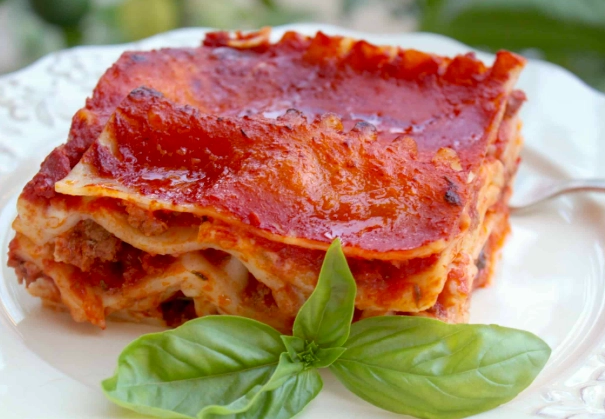
The 2 Hour Rule for Pasta: A Complete Food Safety Guide
Let's get straight to the point. The "2 hour rule for pasta" is a food safety guideline that says cooked pasta (and most other perishable foods) should not be left at room temperature for more than two hours. After that window, the risk of harmful bacteria growth increases to a point where eating it could make you sick. If the room is hot—above 90°F (32°C)—that time shrinks to just one hour. It's not a suggestion from overly cautious folks; it's a science-based standard backed by agencies like the USDA and the CDC.
I learned this rule the hard way years ago, after a lazy post-dinner cleanup led to a less-than-pleasant night. Since then, working in kitchens and talking to food safety experts has drilled into me just how non-negotiable this rule is, especially for something as seemingly harmless as plain pasta.
What You'll Learn in This Guide
What Exactly Is the 2 Hour Rule?
The rule is simple on the surface: get cooked pasta out of the "danger zone" and into the fridge within two hours of cooking. The "danger zone" is the temperature range between 40°F (4°C) and 140°F (60°C), where bacteria like Staphylococcus aureus, Bacillus cereus, and Salmonella can double in number every 20 minutes.
Think about your typical kitchen scenario. You boil a big pot of pasta for dinner. You drain it, maybe toss it with a little oil, and leave it in the colander or a bowl while you finish the sauce. Dinner takes an hour. Then you chat, watch some TV, and start cleaning up. That colander of pasta on the counter? It's been in the danger zone for well over two hours. That's the risk moment.
The 1-Hour Rule for Hot Days
This is the part people forget. If you're having a summer picnic, a backyard BBQ, or your kitchen is just really warm, the rule tightens. At temperatures at or above 90°F (32°C), bacteria go into overdrive. You have only one hour to refrigerate. I see this ignored constantly at potlucks.
Why Does the 2 Hour Rule Matter So Much for Pasta?
You might think, "It's just carbs and water. What's the big deal?" The deal is moisture and nutrients. Cooked pasta provides a perfect, moist environment for bacteria. It's not sterile. And if any bacteria from the air, your hands, or a utensil land on it, they have a feast.
The scary part? Pasta contaminated with bacteria like Bacillus cereus might not look, smell, or taste bad. You can't rely on your senses to tell you it's unsafe. Food poisoning from these bugs can cause intense vomiting, diarrhea, and cramps. It's miserable.
According to food safety resources from the United States Department of Agriculture, time and temperature abuse is a leading cause of foodborne illness at home. Pasta salads are a frequent culprit because they're often made ahead and left out for gatherings.
How to Apply the 2 Hour Rule in Real Life (Step-by-Step)
Knowing the rule is one thing. Applying it practically is another. Here’s how a pro handles pasta to stay safe.
Step 1: Cool It Down Fast
Don't just dump a steaming hot pot of pasta into a container and shove it in the fridge. It will raise the fridge's temperature and cool too slowly. Instead:
- Spread it out: After draining, spread the pasta in a thin layer on a clean baking sheet. This increases surface area and cools it much faster than a deep bowl.
- Skip the oil for storage: A tip I learned from an Italian nonna: adding oil to prevent sticking is fine for serving, but for storage, it can create a coating that traps heat and moisture. For cooling, just drain it well.
Step 2: Smart Storage
Once it's no longer steaming (about 15-20 minutes on that sheet pan), transfer it to a shallow, airtight container. Shallow is key—deep containers keep the center warm for too long.
Step 3: Label and Rotate
Stick a piece of masking tape on the container and write the date. Properly stored, cooked pasta lasts 3-5 days in the fridge. Use older leftovers first.
Here’s a quick-reference table for pasta storage times:
| Storage Method | Maximum Safe Time | Key Consideration |
|---|---|---|
| Room Temperature (after cooking) | 2 hours (1 hour if >90°F/32°C) | The critical "danger zone" period. Discard after this. |
| Refrigerator (40°F/4°C or below) | 3 to 5 days | Store in shallow, airtight containers. Pasta with meat/cream sauces is on the shorter end. |
| Freezer (0°F/-18°C or below) | 1 to 2 months for best quality | Freeze in portion-sized bags, squeeze out air. Texture may become softer upon reheating. |
Common Mistakes Even Good Cooks Make
I've seen these errors in home kitchens and even some restaurants. Avoid them.
- Leaving the pasta in the warm colander over the hot pot. This is like a bacteria sauna. The residual heat keeps it in the danger zone far longer than you think.
- Assuming a pasta salad with vinegar is safe. While acid inhibits growth, it doesn't stop it completely within the two-hour window. Don't get complacent.
- Overloading the fridge with a huge, hot container. This can temporarily warm up other foods in your fridge, putting them at risk too. Cool it down first.
- Using the "sniff test." As mentioned, many dangerous bacteria don't produce off-odors. If the time is up, throw it out. The cost of a new batch of pasta is nothing compared to being sick.
Your Top Food Safety Questions Answered
So, there you have it. The 2 hour rule for pasta isn't about being fussy; it's about being smart. It's one of the simplest, most effective things you can do to protect yourself and your family from foodborne illness. Treat that timer in your head seriously. Your pasta—and your stomach—will thank you.
Related Articles
Classic Italian Bread Recipe: Authentic & Easy Homemade Loaf
Authentic Carbonara Recipe: The Real Italian Way (No Cream!)
Minestrone: Italy's Most Beloved Soup Explained
Simple Italian Eggplant Recipes: Easy, Authentic & Delicious
What Cut of Meat Makes Authentic Italian Beef? The Ultimate Guide