Authentic Traditional Italian Cheesecake Recipe (Ricotta & No Crust)
A Peek Inside This Recipe
Let's be honest. When most people think of cheesecake, they picture that dense, rich, cream-cheese-heavy brick from New York, sitting on a thick graham cracker crust. It's delicious, sure. But it's also… heavy. I remember the first time I had what was labeled "Italian cheesecake" at a restaurant here. It was just a New York-style cake with some lemon zest and a fancy name. I was disappointed.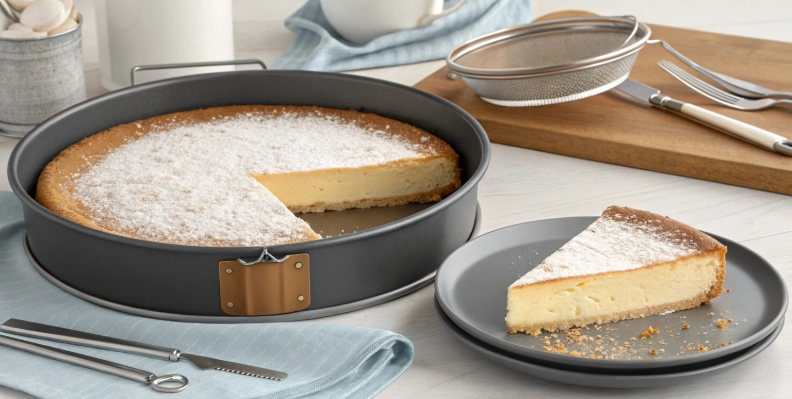
That sent me down a rabbit hole. What was the real thing? After talking to friends from Italy, digging through old cookbooks (anda very informative, slightly chaotic video call with my friend's nonna in Sicily), I finally pieced it together. The traditional Italian cheesecake recipe is a different beast entirely. It's lighter, less sweet, and celebrates the flavor of fresh cheese over sugary overload. And guess what? It doesn't have a crust. At all. That was the biggest shocker for me.
The Core Difference: Forget cream cheese. The heart of a traditional italian cheesecake recipe is fresh, whole-milk ricotta. This simple switch changes everything—texture, flavor, and the entire philosophy of the dessert.
Why Ricotta is Non-Negotiable in an Authentic Recipe
You can't just swap in the ricotta from the dairy aisle and call it a day. Well, you can, but the result will be grainy. The secret is in the texture. Authentic recipes rely on the unique qualities of ricotta, which is a whey cheese. It's moist, slightly grainy naturally, but when treated right, it becomes impossibly creamy.
I made the mistake of using pre-packed, supermarket ricotta for my first attempt. The cake was… okay. But it had a distinct moisture problem and the texture wasn't smooth. The key, as I learned, is to drain it. Seriously, spend 30 minutes letting your ricotta sit in a fine-mesh strainer over a bowl. You'll be amazed at how much liquid drains out. For an even smoother finish, some purists push it through a tamis or a very fine sieve. I don't always do the sieve step (it's a bit fussy for a weeknight), but the draining is mandatory. It concentrates the flavor and ensures your cake sets properly.
This focus on ricotta is what makes searching for a traditional italian cheesecake recipe so specific. It's not just a cheesecake; it's a ricotta cake.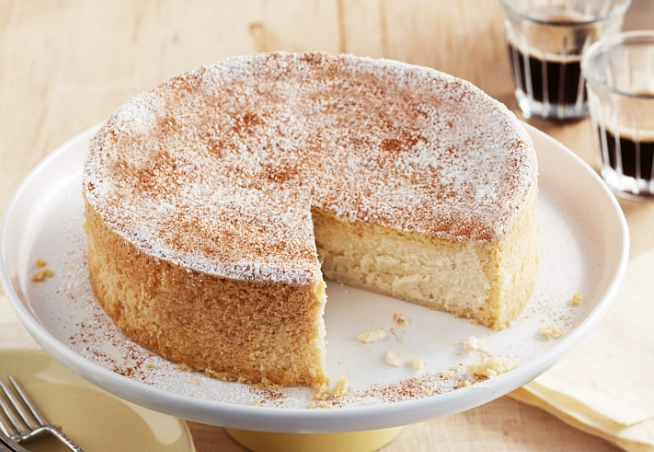
Your Complete, No-Fail Traditional Italian Cheesecake Recipe
Okay, let's get to the good part. This is the recipe I've settled on after many, many trials (and a few edible, but not great, errors). It's adapted from classic methods and works every single time.
Ingredients You'll Need
- Ricotta Cheese: 2 pounds (about 900g) of whole-milk ricotta. Please, for the love of all that is good, get the best quality you can find. If you have an Italian deli nearby, use theirs.
- Granulated Sugar: 1 cup (200g). It might seem less than American recipes, but trust the process. The sweetness is subtle.
- Large Eggs: 6, at room temperature. Separate 4 of them. Yes, we're separating eggs—this is crucial for the lift.
- All-Purpose Flour: 3 tablespoons (about 24g). This is the stabilizer, our substitute for a crust that holds everything together.
- Vanilla Extract: 1 teaspoon. Real extract, not imitation.
- Lemon Zest: From 1 large, organic lemon. The citrus brightens the rich cheese perfectly.
- Pinch of Salt: To balance the sweetness.
- Butter or Baking Spray: For the pan.
Step-by-Step Instructions (The Way Nonna Would Approve)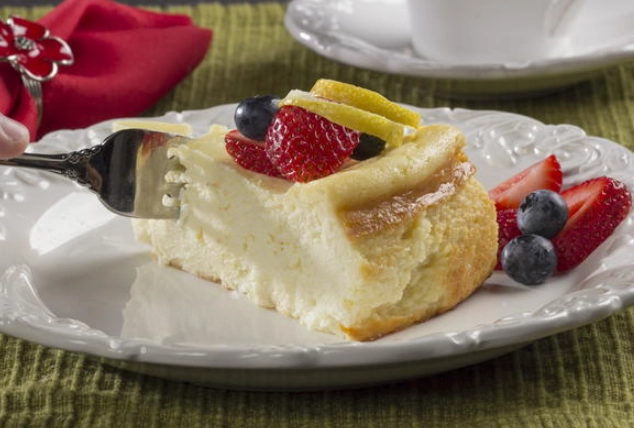
1. The Prep Work is 80% of the Battle. Don't skip this. Drain your ricotta for at least 30 minutes, up to overnight in the fridge. Preheat your oven to 350°F (175°C). Generously butter a 9-inch springform pan. Here's a pro-tip: instead of a crust, line the bottom with a round of parchment paper. It guarantees a clean release.
2. Transforming the Ricotta. In a large bowl, beat the drained ricotta with a hand mixer or stand mixer fitted with the paddle attachment until it's as smooth as you can get it. This takes 2-3 minutes. Scrape down the sides.
3. Building the Base. Add the sugar and beat for another minute until combined. Now, add the 2 whole eggs and the 4 egg yolks (save those whites!), one at a time, beating well after each addition. Mix in the flour, vanilla extract, lemon zest, and salt until just combined. The mixture will be thick but pourable.
4. The Magic of Egg Whites. In a scrupulously clean, dry bowl, beat the 4 reserved egg whites with a pinch of salt until they form stiff, glossy peaks. This is what gives the traditional italian cheesecake its characteristic airy, almost soufflé-like texture. Gently fold the egg whites into the ricotta mixture in three additions. Be patient and gentle—you don't want to deflate all that air.
5. Baking for Perfection. Pour the batter into your prepared pan. Smooth the top. Bake for 50-60 minutes. The top will be a beautiful deep golden brown, and the center should still have a very slight jiggle (like set Jell-O) when you gently shake the pan. This is important—overbaking leads to dryness.
6. The Crucial Cool Down. Turn off the oven, crack the door open with a wooden spoon, and let the cake cool inside for 1 hour. This slow cooling prevents dramatic sinking and cracking. Then, transfer it to a wire rack to cool completely before chilling in the refrigerator for at least 4 hours, preferably overnight. The flavor and texture improve dramatically with time.
My Personal Note: The first time I made this, I was terrified it was undercooked because of the jiggle. I left it in for another 10 minutes. Big mistake. It was dry around the edges. Trust the jiggle. It sets as it cools.
Italian vs. American: A Side-by-Side Breakdown
To really understand why this traditional italian cheesecake recipe stands out, let's put it head-to-head with its American cousin. It's not about which is better, but about understanding their unique identities.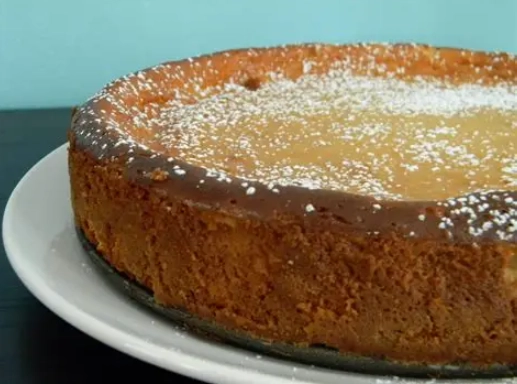
| Feature | Traditional Italian Cheesecake | Classic New York Cheesecake |
|---|---|---|
| Primary Cheese | Ricotta (sometimes with mascarpone) | Cream Cheese (often with sour cream) |
| Texture | Lighter, slightly grainy, moist, airy | Extremely dense, smooth, and creamy |
| Crust | Typically NO CRUST | Thick graham cracker or cookie crust |
| Sweetness Level | Subtle, less sweet | Very sweet |
| Key Technique | Folding in whipped egg whites | Heavy creaming of cheese and sugar |
| Common Flavorings | Lemon zest, vanilla, orange zest, pine nuts | Vanilla, sometimes fruit toppings |
| Regional Origin | Variations from Rome, Sicily, etc. | New York City, USA |
See? They're fundamentally different desserts. The Italian version is more like a baked cheese custard, while the American one is a rich cheese pie. Knowing this helps you appreciate each on its own terms.
Answering Your Burning Questions (FAQ)
I get a lot of questions whenever I make this cake. Here are the most common ones, based on real hiccups I and others have faced.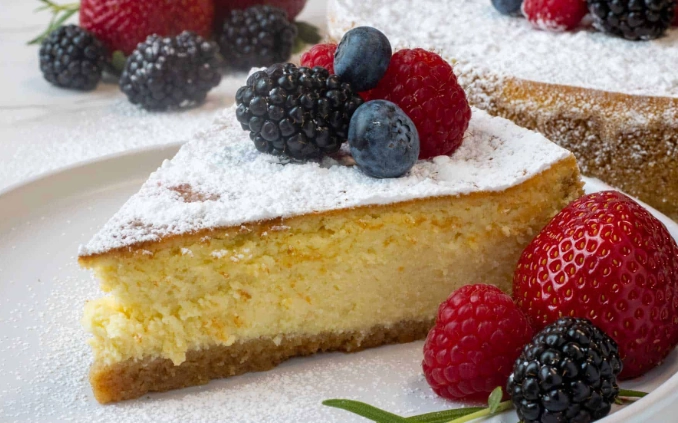
Q: Can I use cream cheese instead of ricotta?
A: Technically, you'll get a cake. But it will not be a traditional italian cheesecake. The flavor and texture profile will completely change, leaning back towards the American style. The point of this recipe is to celebrate ricotta. If you want a cream cheese cake, there are a million other recipes for that.
Q: My cake cracked! What did I do wrong?
A: Don't panic. A few small cracks are normal and add character. Major canyon-like cracks usually mean one of three things: 1) The oven was too hot (get an oven thermometer!), 2) You over-mixed the batter after adding the flour, developing the gluten, or 3) You cooled it too quickly. The slow, in-oven cool-down is your best defense.
Q: Can I add a crust if I really want one?
A: Sigh. Okay, I'll allow it. But know that purists will frown. If you must, a very thin layer of crushed amaretti cookies or plain breadcrumbs mixed with a little melted butter pressed into the bottom of the pan can work. It adds a nice textural contrast, but it moves away from the true traditional italian cheesecake recipe ethos.
Q: How long does it keep?
A: Covered in the fridge, it's fantastic for up to 4 days. In fact, I think it tastes best on day two. The flavors meld and the texture becomes even more cohesive. It does not freeze particularly well due to the delicate texture of the ricotta.
Taking It Further: Regional Twists and Variations
Once you've mastered the basic traditional italian cheesecake recipe, the fun begins. Italy has regional variations that are worth exploring.
The Roman Touch (Torta di Ricotta): Often includes a splash of anise-flavored liqueur like Sambuca or a handful of chopped dark chocolate or candied fruit. It's a festive twist.
The Sicilian Version: This is where you might find a dusting of powdered sugar and a lavish decoration of candied orange slices, cherries, or even a marzipan lattice. Some recipes incorporate ground almonds into the batter for extra richness.
The Pine Nut Topping: A classic, simple upgrade. About 10 minutes before the cake is done baking, sprinkle a handful of pine nuts over the top. They toast in the oven and add a wonderful nutty flavor and crunch. It's my favorite variation for a dinner party.
For a deeper dive into the history and science of ricotta cheese itself, which is fascinating, you can check out resources from the Italian National Tourist Board for cultural context or authoritative food science sites like Serious Eats, which often break down the "why" behind techniques like draining ricotta.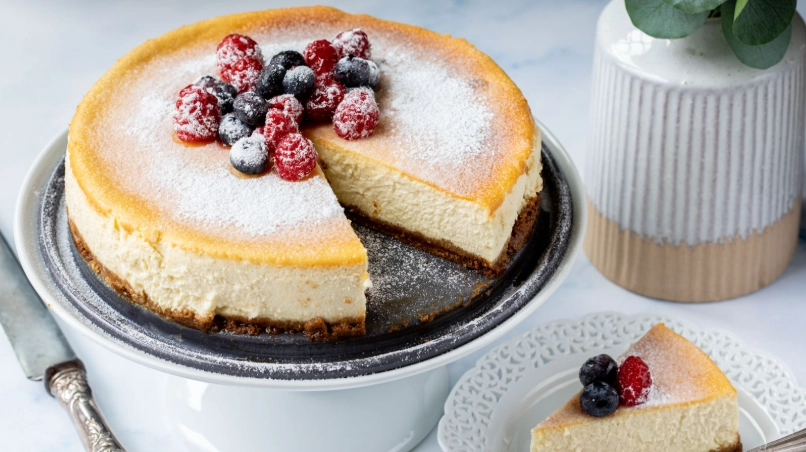
Final Thoughts from My Kitchen
Mastering this traditional italian cheesecake recipe was a journey for me. It taught me to appreciate simplicity. It's not about overwhelming sweetness or a buttery crust. It's about the quality of a few ingredients—the fresh, milky ricotta, the bright zest of lemon, the richness of good eggs. When you get it right, it's incredibly satisfying. It feels elegant but unpretentious, which is, in my opinion, the essence of a lot of great Italian cooking.
It's also a forgiving cake. Even my slightly dry first attempt was enjoyed by friends with a cup of coffee. So don't be intimidated. Drain that ricotta, whip those egg whites with confidence, and embrace the jiggle. You're not just making a dessert; you're making a little piece of Italian culinary tradition. And that's something pretty special.
Give it a try this weekend. Let me know how it goes in the comments below (well, if this were a real blog, you would!). I'd love to hear if you stuck with the pure version or tried the pine nut topping.
Related Articles
Italian Buttercream Recipe: How to Make Perfectly Smooth Frosting
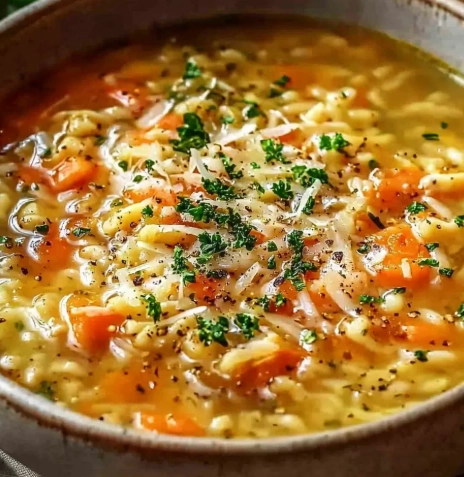
Italian Penicillin Soup: The Ultimate Chicken Soup Recipe & Guide
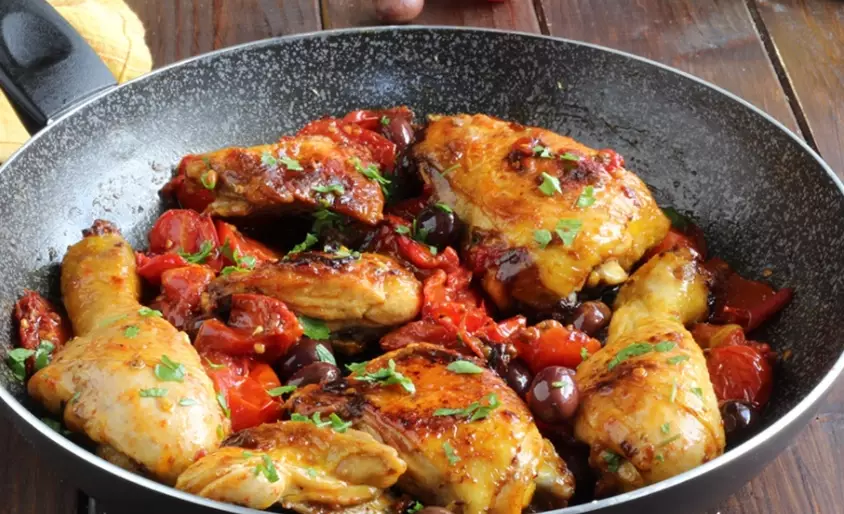
Top 10 Italian Chicken Dishes You Must Try

Best Vegetables for Italian Sliders: A Flavor & Texture Guide
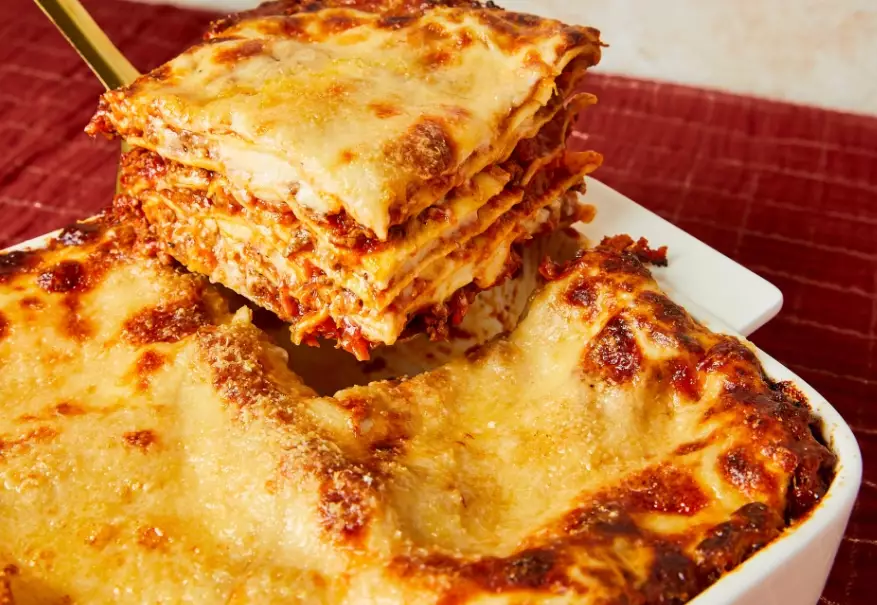
Authentic Italian Lasagna Recipe: The Ultimate Guide to Homemade Perfection