Famous Italian Alcoholic Drinks: A Guide to Aperitivo, Dinner, & Digestivo
Quick Guide to Italian Drinks
Let's be honest, when you think of Italy and drinking, your mind probably jumps straight to wine. Chianti, Barolo, Prosecco – they're world-famous for a reason. I used to think the same way. My first trip to Italy involved a lot of fantastic wine, but I completely missed the rest of the story. It wasn't until I sat down at a spritz-stained table in a Venetian bacaro or stood at a crowded bar in Turin that I realized how much I'd been overlooking. Italy's drinking culture is a precise, thoughtful ritual, and famous Italian alcoholic drinks are the characters in that play.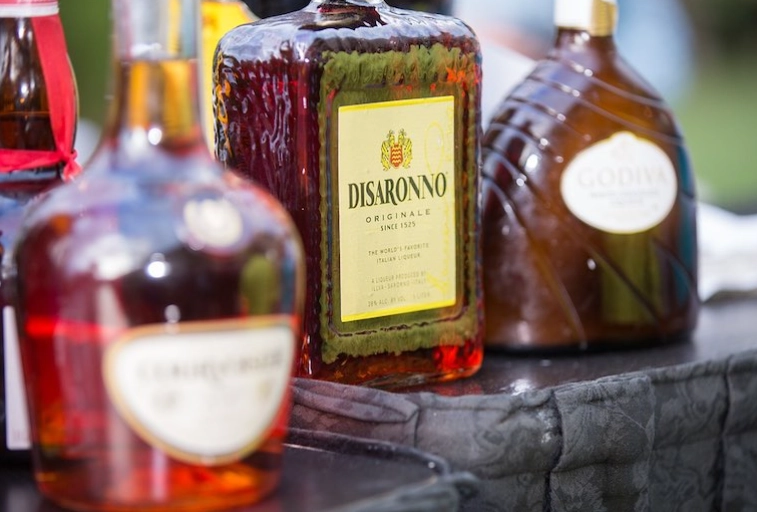
They're not just random beverages. Each one has a role, a time, and a place. There's a rhythm to it all that's deeply woven into daily life. Getting it wrong isn't a crime, but getting it right? That's when you feel like you've unlocked a little secret about how to live. This isn't just a list of what to drink. It's about understanding the why and the when. We're talking about the bitter aperitivos that wake up your appetite, the robust wines that stand up to pasta al ragù, and the fiery digestivos that promise to settle your stomach after a feast.
The Italian Drinking Rule of Thumb: It's all about the meal structure. Drinks are categorized by their purpose: Aperitivo (before eating, to open), Durante il Pasto (during the meal), and Digestivo (after eating, to close). Messing this order up is a surefire way to spot a tourist. Ordering a heavy amaro before your pasta will confuse the waiter and your palate.
The Aperitivo Champions: Italy's Famous Pre-Dinner Drinks
This might be Italy's greatest gift to global bar culture. The concept of the aperitivo is simple: a slightly bitter, low-alcohol drink meant to stimulate your appetite before dinner. It's not about getting drunk; it's about the transition from work to leisure, from hunger to anticipation. The ritual is just as important as the drink itself, often accompanied by small snacks (stuzzichini).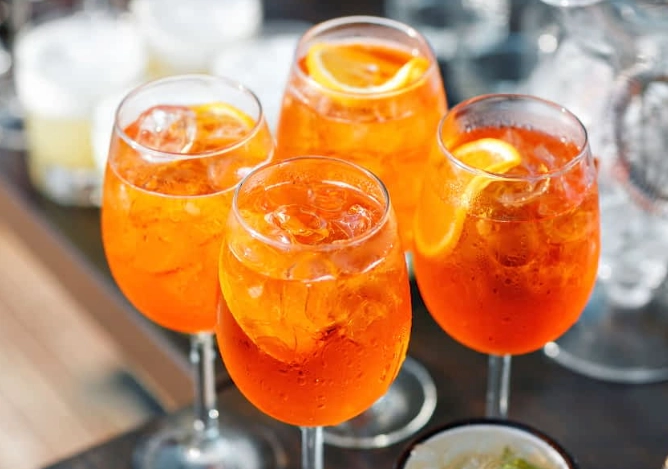
The Spritz Dynasty: Aperol, Campari, and Cynar
No discussion of famous Italian alcoholic drinks is complete without the Spritz. But which one? It's a family feud in a glass.
Aperol Spritz is the friendly, orange-hued gateway drug. It's sweeter, lower in alcohol (11%), and incredibly approachable. Prosecco, Aperol, and a splash of soda. It's sunshine in a wine glass. Perfect for a lazy summer afternoon. Some purists turn their nose up at its popularity, calling it too simple, but its mass appeal is undeniable.
Campari Spritz is its more sophisticated, intense older sibling. Campari is bitter, complex, and packs more punch (20.5-28% ABV, depending on the market). Its deep red color is iconic. A Campari Spritz (Prosecco, Campari, soda) is for when you want a drink with backbone. It's an acquired taste, but once acquired, it's hard to go back. The recipe for the classic Negroni (equal parts Campari, Gin, Sweet Vermouth) is famously documented by the Negroni Official Website, which traces its history back to Florence.
Cynar Spritz is the quirky, artichoke-based cousin. Yes, artichoke. Cynar is made from 13 herbs and plants, with artichoke as the star. It's earthy, vegetal, and less sweet than Aperol but less aggressively bitter than Campari. Its spritz is a dark horse favorite for those in the know.
Other Aperitivo Must-Knows
Beyond the spritz, there's a whole world. Americano (Campari, Sweet Vermouth, Soda) is a lighter, low-alcohol classic. Negroni Sbagliato (“Wrong Negroni”) substitutes Prosecco for gin, creating a lighter, fizzier version – it's everywhere now thanks to social media. Vermouth itself, straight on the rocks with an orange twist, is a classic Turin move. Turin is considered the birthplace of modern vermouth, and producers like Carpano have histories dating back to the 18th century.
My personal favorite? A simple Campari Soda. Just Campari and a lot of soda water over ice. It's refreshing, bitter, and feels incredibly Italian. It looks stunning too. Don't let the simplicity fool you.
The Dinner Companions: Wines and Beers
This is where Italy's diversity explodes. Pairing is key, but Italians often prioritize regionality – drinking the wine from the area you're in with the local food. It's a foolproof system.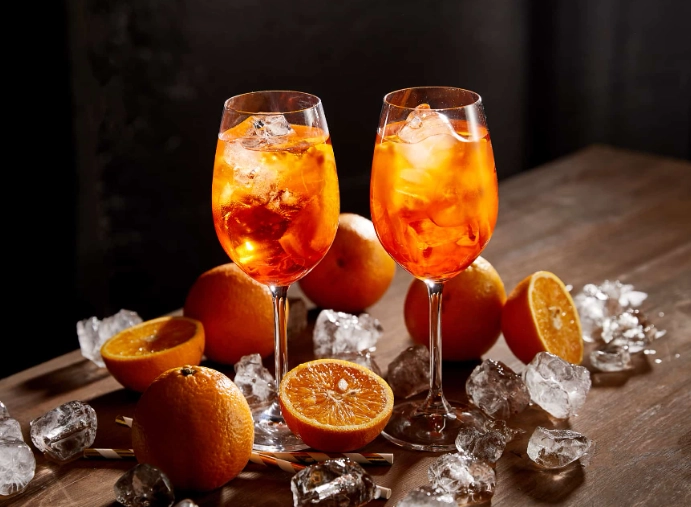
Wine: The Regional Powerhouses
We can't cover all 350+ grape varieties here, but some regions and their famous Italian alcoholic drinks are non-negotiable.
- Piedmont (Northwest): The king of reds, Barolo and Barbaresco, both made from Nebbiolo. They're tannic, age-worthy, and majestic with truffles or braised meats. For something lighter, Barbera or Dolcetto are the everyday wines.
- Tuscany (Central): Chianti Classico (Sangiovese) is the soulful, food-friendly red. Brunello di Montalcino is its more powerful, expensive sibling. Don't overlook the “Super Tuscans” – often Bordeaux-style blends that broke traditional rules.
- Veneto (Northeast): Home of Prosecco (from the Glera grape), the ubiquitous sparkling wine. It's not just for brunch; it's a fantastic aperitivo. Also from Veneto, Valpolicella (light red) and its intense, dried-grape version, Amarone.
- Southern Italy & Islands: Primitivo from Puglia (jammy and bold), Aglianico from Campania/Basilicata (the “Barolo of the South”), and the crisp, mineral whites like Vermentino from Sardinia or Etna Bianco from Sicily.
Quick Pairing Tip: Match weight with weight. Light wine (like Pinot Grigio) with light food (seafood, salad). Heavy wine (like Barolo) with heavy food (steak, stew). When in doubt, ask for the vino della casa (house wine). It's often a fantastic, local, and affordable choice.
Beer: More Than Just Peroni
Beer (birra) is common, especially with pizza or casual lunches. Peroni Nastro Azzurro and Moretti are the national lagers you'll see everywhere. They're fine, crisp, and refreshing. But Italy has a thriving craft beer (birra artigianale) scene. Look for breweries like Baladin, Birrificio Italiano, or Del Ducato for incredible IPAs, stouts, and Belgian-style ales that rival the best in the world. Ordering a craft beer with your meal is becoming more and more acceptable.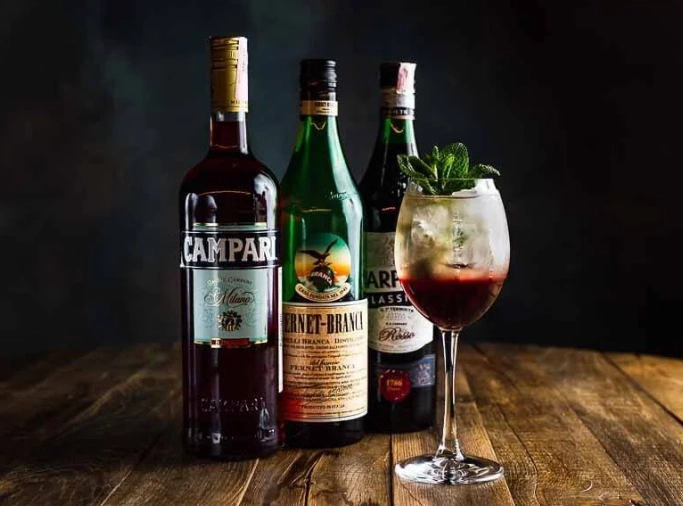
The Digestivo: Italy's Famous After-Dinner Drinks
This is the closing ceremony. Digestivos (digestivi or ammazzacaffè – “coffee killers”) are meant to aid digestion after a large meal. They are typically strong, often bitter or herbal, and served neat in a small glass. Sipping one slowly is a moment of contemplation.
Amaro: The Bitter Heart
Amaro (plural: amari) is a category of herbal liqueurs. Every region, sometimes every family, has its own recipe involving dozens of herbs, roots, bark, citrus, and spices. They range from moderately sweet and approachable to bracingly bitter and medicinal.
| Amaro Name | Profile & Flavor | Best For... | My Take |
|---|---|---|---|
| Averna (Sicily) | Warm, cola-like, licorice, herbs. Moderately sweet and bitter. | Beginners. A safe and delicious entry point. | It's the crowd-pleaser. Reliable and comforting. |
| Montenegro (Bologna) | Complex, orange-forward, with 40+ botanicals. Aromatic and balanced. | Those who appreciate complexity without overwhelming bitterness. | My personal favorite. Incredibly layered and smooth. |
| Fernet-Branca (Milan) | Intensely bitter, minty, medicinal. The “bartender's handshake.” | The brave. Often taken as a quick shot. | An acquired taste I'm still acquiring. It's a punch in the face, but some swear by its digestive powers. |
| Braulio (Alps) | Alpine herbs, pine, mint, gentian. Less sweet, more earthy/woody. | After a heavy mountain meal. Feels like drinking the Alps. | Unique and bracing. Not for sweet-tooths, but fascinating. |
| Cynar (Again!) | Artichoke, earthy, vegetal, less sweet. | An unconventional but excellent digestivo. | Works brilliantly here too. Shows its versatility. |
Grappa, Limoncello, and Other Stars
Grappa is a grape-based pomace brandy—a firewater made from the skins, seeds, and stems left over from winemaking. It can be rough and fiery (grappa giovane) or aged and smooth (grappa invecchiata). A good aged grappa can be a revelation, with complex fruity and floral notes. A bad one can taste like petrol. The production of Grappa is regulated by the Italian government, and you can learn about its official designations (like “Grappa”) on the Italian Ministry of Economic Development site, which oversees geographical indications.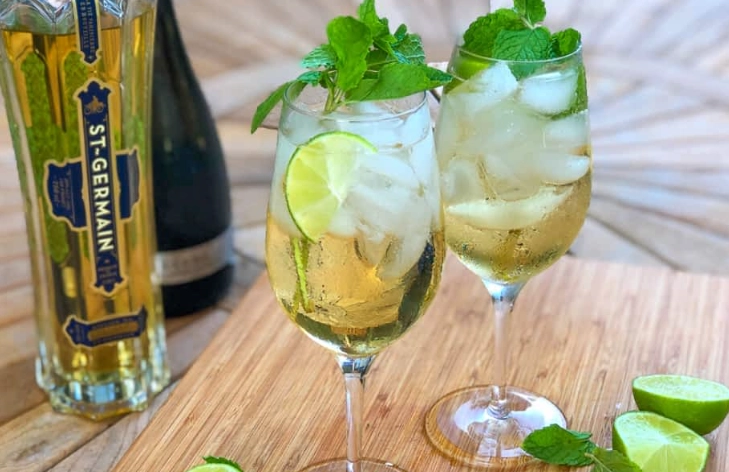
Limoncello is the sweet, syrupy lemon liqueur from the Amalfi Coast and Sorrento. It's usually homemade and served ice-cold. It's pure sunshine and sweetness, a perfect palate cleanser. Nocino is a dark, nutty, spiced liqueur from Modena made from green walnuts. It's rich and Christmasy. Sambuca (anise-flavored, often served with coffee beans) and Strega (yellow, herbal) are other classics.
A Word of Caution on Limoncello: The mass-produced, bright yellow stuff in souvenir shops can be cloyingly sweet and artificial. Try to find a smaller, local producer or a restaurant that makes its own. The difference is night and day.
How to Order Like You Know What You're Doing
This is the practical part everyone wants. How do you navigate an Italian bar or restaurant without looking lost?
At a Bar (Bar or Caffè): You often pay at the cashier (la cassa) first, get a receipt (lo scontrino), then take it to the counter to order. For an aperitivo time drink (say, 6-8 PM), just name your drink: “Un Aperol Spritz, per favore.” It might come with snacks automatically.
At a Restaurant: The flow is usually built into the meal.
- Before ordering food: The waiter might ask, “Qualcosa da bere?” (Something to drink?). This is your aperitivo moment. “Un Negroni, per favore.”
- With food: You'll order wine or water. “Una bottiglia di acqua naturale e una bottiglia di questo Chianti.” (A bottle of still water and a bottle of this Chianti.).
- After coffee: When the waiter clears the coffee cups, they might ask, “Qualcosa di liquido?” (Something liquid?). This is the digestivo invite. A simple “Un amaro, cosa mi consiglia?” (An amaro, what do you recommend?) is a perfect move.
The magic phrase is always: “Cosa mi consiglia?” (What do you recommend?). It shows respect and often gets you the good stuff.
Answers to Common Questions (Stuff You Were Afraid to Ask)
Q: Is it true Italians don't drink cappuccino after 11 AM?
A: Mostly yes. Milk-based coffees are considered a breakfast/ morning drink. Ordering one after a meal will mark you as a tourist. An espresso (un caffè) is the standard post-meal move.
Q: What's the deal with the “Negroni Sbagliato”? Is it a real drink?
A: Absolutely! “Sbagliato” means “mistaken.” Legend says a bartender in Milan's Bar Basso accidentally used sparkling wine instead of gin in a Negroni in the 1970s. It stuck. It's lighter and fizzier than a regular Negroni and totally legitimate.
Q: I hate bitter flavors. Are there any famous Italian alcoholic drinks for me?
A: Start with the sweeter end of the spectrum: Aperol Spritz, Limoncello, a sweet Moscato d'Asti wine, or a milder amaro like Averna. Avoid Campari, Fernet, and straight Grappa until you build up a tolerance.
Q: How strong are these drinks really?
A: It varies wildly. Aperitivo drinks like Aperol Spritz or Americano are low-alcohol (often 8-12% ABV). Amari and liqueurs like Limoncello are usually 20-35%. Grappa and other spirits are 40% and up. Pace yourself accordingly.
Q: Can I get a cocktail like a Margarita or Old Fashioned in Italy?
A: In major cities and craft cocktail bars, yes. But in a traditional bar or trattoria, you'll likely find a focused menu of the Italian classics we've discussed. Embrace it! You're there for the famous Italian alcoholic drinks, not the international ones.
Bringing Italy Home: Where to Start
You don't need to fly to Rome to enjoy this. A well-stocked home bar can capture the spirit.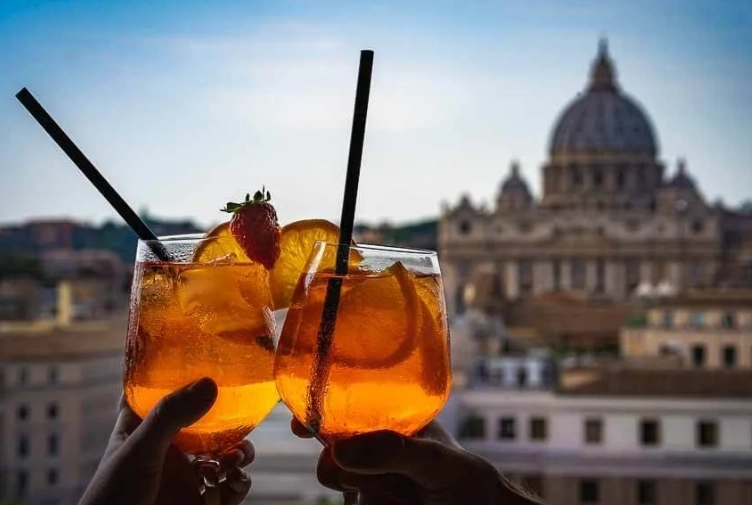
The Starter Kit:
- One Bottle for Aperitivo: Aperol or Campari (Campari is more versatile).
- One Bottle for Digestivo: A bottle of Amaro Montenegro or Averna.
- Mixers: A decent Prosecco, soda water, and a sweet vermouth (like Carpano Antica).
With just these, you can make Aperol/Campari Spritz, Americano, Negroni (add gin), and sip the amaro neat. You've covered 80% of the experience.
Remember, the goal isn't to memorize every single drink. It's to understand the rhythm – the aperitivo to open, the wine to accompany, the digestivo to close. It's a three-act play for your palate. Once you get that rhythm, ordering any of these famous Italian alcoholic drinks becomes intuitive, not intimidating. You stop just drinking and start participating in a centuries-old ritual of food, family, and la dolce vita. And really, that's the whole point.
So next time, skip the generic cocktail. Ask for a Montenegro, or a Campari Soda, or the house red. You might just find your new favorite ritual.
Related Articles
Easy Italian Pizzelle Recipe: Simple & Authentic
Authentic Italian Bolognese Recipe: The Real Ragù from Bologna

Is Xiaomi Auto dumped?
Italian Lasagna Recipe: Authentic Homemade Lasagna Guide