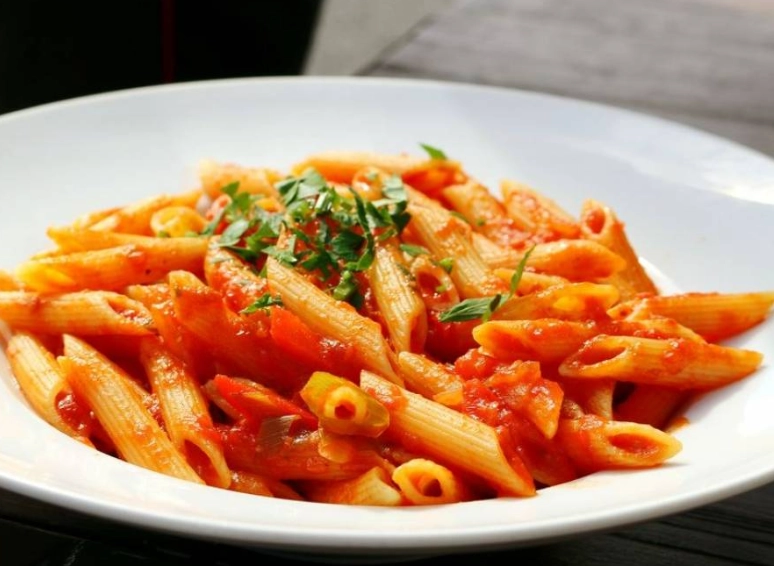
Modern Italian Cocktails: A Guide to Artisanal Mixology
In This Guide
Let's get one thing straight. When you think of Italian drinks, your mind probably jumps to a giant glass of Aperol Spritz, bright orange and overflowing, sitting on a piazza table. And don't get me wrong, I love one on a hot day. But there's a whole other world bubbling up behind the bar in Italy today. It's quieter, more thoughtful, and honestly, way more interesting.
We're talking about modern Italian cocktails. This isn't about blindly following old recipes from the 1920s. It's a new wave, a mindset really, that takes everything Italy is famous for—incredible local produce, a deep wine and spirits heritage, and that laid-back *aperitivo* philosophy—and channels it into a glass. The goal isn't complexity for its own sake. It's clarity, balance, and letting a few fantastic ingredients sing together.
I remember sitting in a tiny, unassuming bar in Rome, miles from the tourist centers. The bartender, with no fanfare, handed me a drink that smelled like a Tuscan herb garden after rain. It was clear, cold, and tasted like nothing I'd had before. That moment stuck with me. It wasn't just a cocktail; it was a story. That's what this modern Italian approach is all about.
The Philosophy Behind the Movement
So what defines a modern Italian cocktail? It's not just about using Italian booze. You could throw Galliano in a glass and call it Italian, but that misses the point. The philosophy rests on three pillars, and once you see them, you can't unsee them in every great drink coming out of Italy's best bars.
Fresh, Local, Seasonal (It's Not Just for Food)
Italians are famously obsessive about their ingredients. That tomato better be from San Marzano, that olive oil from Liguria. This food-first mentality has completely infected the cocktail scene. Why use a generic, cloying peach syrup when you can muddle a perfectly ripe, fragrant peach from the market down the street? The difference is night and day.
Modern Italian cocktails often read like a farmer's market shopping list. Basil, thyme, rosemary, strawberries, blood oranges, lemons from the Amalfi Coast, even vegetables like cucumber or fennel. The Slow Food movement, which started in Italy, champions this local, sustainable approach, and its influence is everywhere. The drink becomes a snapshot of a place and a time of year.
Simplicity and Balance Over Flash
Forget the fifteen-ingredient concoctions with smoke bubbles and flaming garnishes. The modern Italian cocktail ethos is minimalist. Often, you're looking at three, maybe four core components. The skill lies in choosing the *right* three and getting the proportions perfect.
It's about subtraction, not addition.
This focus creates drinks that are incredibly clean and approachable. They're meant to be sipped, savored, and enjoyed in conversation, not just photographed. The balance is key—bitter plays with sweet, sour lifts the spirit, and herbal notes weave through it all. It should taste cohesive, like the ingredients were always meant to be together.
The Spirit of *Aperitivo*
This might be the most important piece. *Aperitivo* isn't just pre-dinner drinks; it's a social ritual, a moment to unwind and stimulate the appetite. Therefore, modern Italian cocktails are largely built to be aperitivi. They tend to be lower in alcohol (or at least not overly boozy), bright, refreshing, and slightly bitter or savory. They prepare your palate for a meal, they don't obliterate it.
This is why bitter liqueurs (*amari*) and fortified wines like vermouth are absolute superstars in this category. They bring complex, herbal, appetite-whetting flavors that are the heartbeat of the *aperitivo* moment.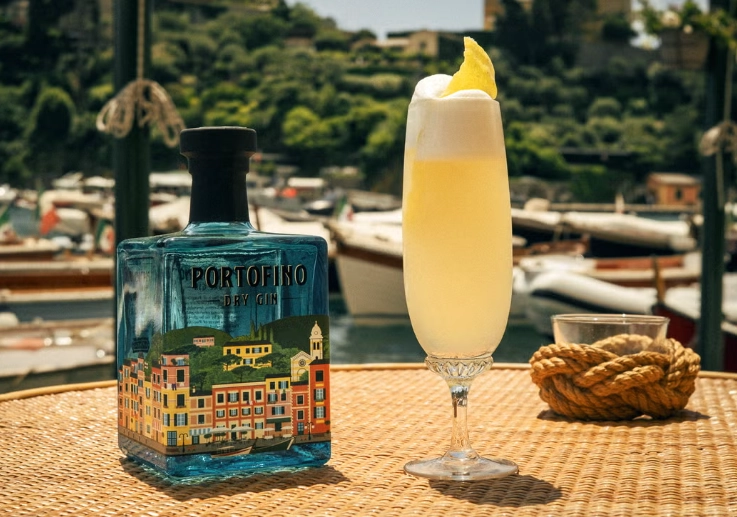
Your Modern Italian Cocktail Toolkit
You don't need a bar stocked with a hundred bottles to dive in. In fact, starting with a few quality essentials is the most Italian way to do it. Here’s what you should have on your shelf to start crafting modern Italian cocktails at home.
| Category | Essential Bottles | Why It's Key | Classic & Modern Use |
|---|---|---|---|
| The Bitter Backbone | Campari, Select Aperitivo, Cynar | The soul of *aperitivo*. Provides the complex, herbal bitterness that defines the category. | Negroni, Americano, Spritz variations; modern low-ABV drinks. |
| The Vermouth Duo | A quality Dry Vermouth (e.g., Cocchi Americano), A quality Red/Sweet Vermouth (e.g., Carpano Antica) | Fortified, aromatized wines that add depth, sweetness, and herbal complexity. Keep them refrigerated! | Martini, Manhattan; foundational in countless modern builds as a modifier. |
| The Italian Spirit | Grappa (unaged or aged), Italian Gin (e.g., Malfy), Italian Brandy (Vecchia Romagna) | Provides the local alcoholic base. Grappa offers a unique, fiery grape character. | Substitute for base spirits in classics; centerpiece in modern creations like the Grappa Sour. |
| The Amaro Shelf | A medium *amaro* (e.g., Averna, Montenegro), a fernet (e.g., Branca) | Digestive bitters (*amari*) are used post-meal, but are now creatively used in modern cocktails for depth. | Straight digestif; modern Black Manhattan, amaro-based sour variations. |
| The Fresh Arsenal | Lemons, blood oranges (in season), fresh herbs (basil, rosemary), high-quality soda water | Non-negotiable. Fresh citrus juice is the bright, acidic lifeblood. Herbs add aromatic immediacy. | Every modern sour or smash; garnishes that are integral to the smell and taste. |
Notice how the list is short? That's the idea. With just these, you can make a staggering variety of drinks. The Italian government's ISMEA institute tracks the quality and origin of agricultural products, which indirectly supports the amazing raw materials that go into these spirits and ingredients.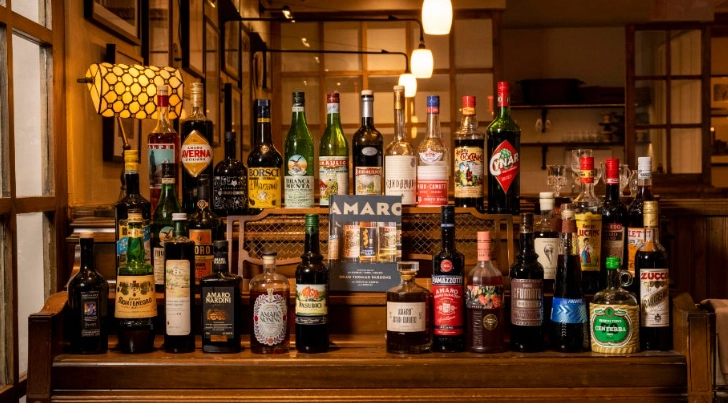
Top Modern Italian Cocktails to Master
Let's move from theory to practice. Here are some modern Italian cocktails that perfectly illustrate the philosophy. Some are twists on classics; others are newer inventions. All of them are delicious and surprisingly simple to make.
The Negroni Sbagliato
The Story: "Sbagliato" means "mistake" or "wrong" in Italian. Legend has it a bartender in Milan grabbed prosecco instead of gin while making a Negroni. A happy accident was born.
The Modern Twist: It's the poster child for the low-alcohol *aperitivo* trend. It has all the bitter-sweet complexity of a Negroni but is lighter, spritzy, and incredibly sessionable.
How to Make It: Fill a large wine glass with ice. Add 1 oz Campari, 1 oz Red Vermouth. Top with 3 oz of dry, crisp Prosecco. Stir gently. Garnish with a big orange slice.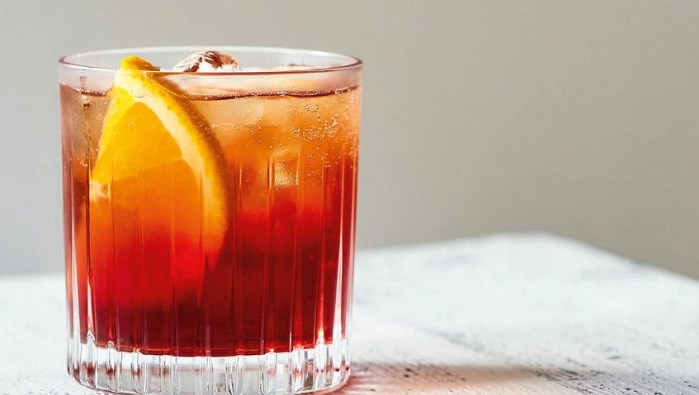
The Basilico Smash
The Story: This is a pure expression of the "fresh and local" pillar. It's essentially a bourbon smash, but given an Italian passport with the use of basil and sometimes an Italian spirit base.
The Modern Twist: It's vibrant, herbaceous, and looks stunning. It shows how a simple herb can transform a drink. You can easily swap bourbon for a lighter Italian gin or even grappa.
How to Make It: In a shaker, muddle 6-8 fresh basil leaves with ¾ oz lemon juice and ¾ oz simple syrup. Add 2 oz of bourbon (or Italian gin) and fill with ice. Shake hard until cold. Double strain (to remove basil bits) into a rocks glass over fresh ice. Slap a basil leaf on top to release its oils.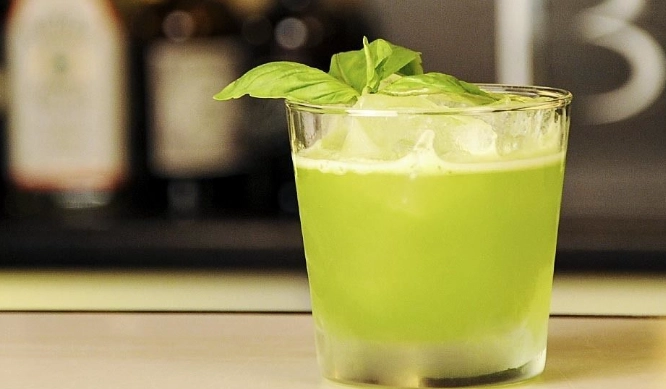
The Cynar Sour
The Story: Cynar is an artichoke-based *amaro* (yes, really!). It's vegetal, bitter, and sweet. Using it as the *main* spirit in a sour format is a brilliantly modern move.
The Modern Twist: It takes a typically post-dinner digestif and repurposes it into a complex, intriguing pre-dinner cocktail. It challenges categories.
How to Make It: In a shaker, combine 2 oz Cynar, ¾ oz fresh lemon juice, ¾ oz simple syrup, and one egg white (optional, for foam). Shake without ice first (a "dry shake") to emulsify the egg white. Then add ice and shake again vigorously. Strain into a coupe glass. No garnish, or a twist of lemon.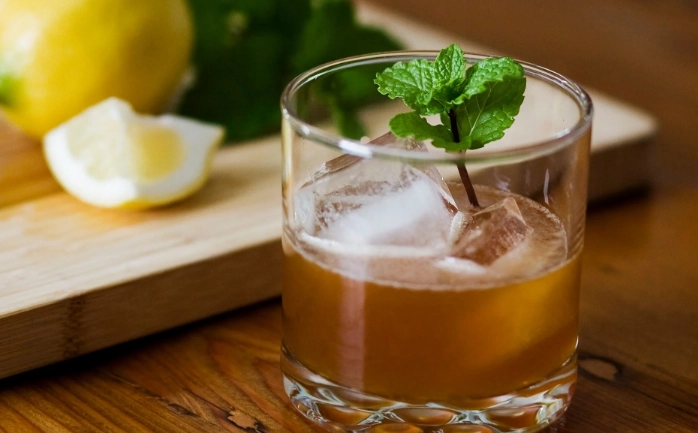
The Garibaldi
The Story: Named after the Italian unification hero, this is simplicity itself. It’s been around but has been reclaimed by the modern bar scene for its purity.
The Modern Twist: The magic is in the technique and quality. Using fresh-squeezed blood orange juice (when in season) and a hard pour to create a luxurious, frothy top makes it feel new.
How to Make It: Fill a highball glass with ice. Add 1 ½ oz Campari. Top with 4-5 oz of fresh blood orange juice (regular orange works too). Using a bar spoon, give one quick stir, then "roll" the drink by pouring it back and forth between the glass and your shaker tin to create a frothy head. Pour back into the glass.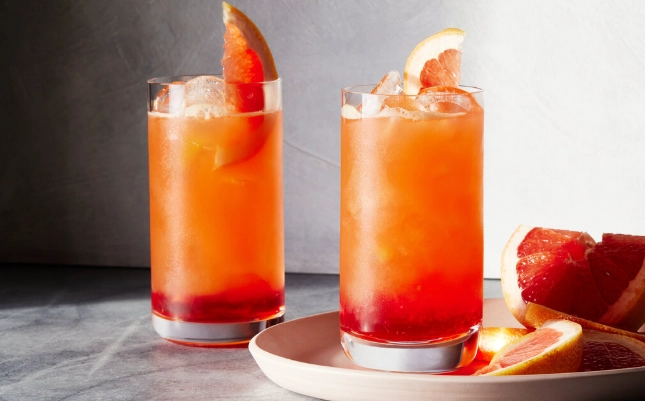
Each of these modern Italian cocktails teaches you something different—about balancing bitterness, using fresh produce, or reimagining a classic ingredient.
Common Questions (And Straight Answers)
I get asked a lot of the same things when people start exploring this topic. Here are the real answers, no fluff.
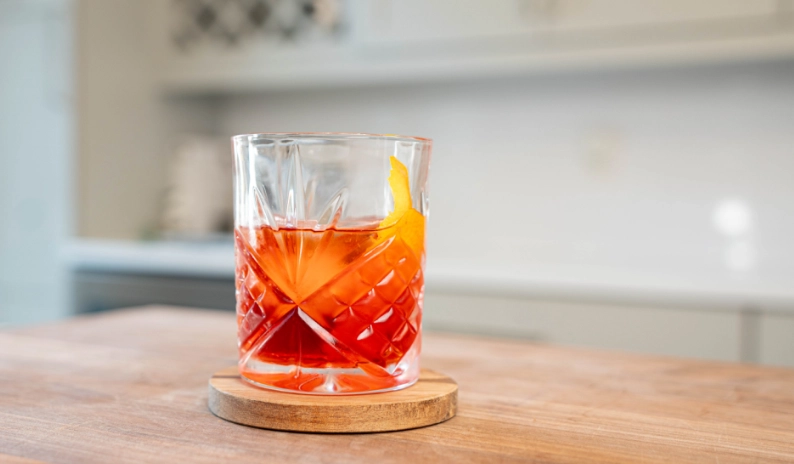
Bringing It Home: Your First Modern Italian Night
Feeling inspired? Don't just make one drink. Host a mini-*aperitivo*. It's the best way to experience the social, easygoing spirit behind these modern Italian cocktails.
Pick two cocktails from the list above—maybe the light, bubbly Negroni Sbagliato and the herbaceous Basilico Smash. Triple the recipes and make them in pitchers (shake the Smash components without ice ahead of time, then shake individual servings with ice).
Put out some simple, salty snacks: marinated olives, good potato chips, some slices of focaccia or grissini. The food should be easy, finger-friendly, and not steal the show from the drinks and the conversation.
The goal is to relax and enjoy. That's the final, unspoken ingredient in every modern Italian cocktail. It’s not about perfectionism; it’s about the pleasure of making something good with your hands and sharing it. The Accademia Italiana della Cucina might document traditional recipes, but this modern movement is about writing new ones, with every drink you stir or shake.
So go on. Grab a bottle of something bitter, some fresh citrus, and experiment. The worst that can happen is you make a drink you don't love. The best? You might just create your own modern Italian classic.
Related Articles
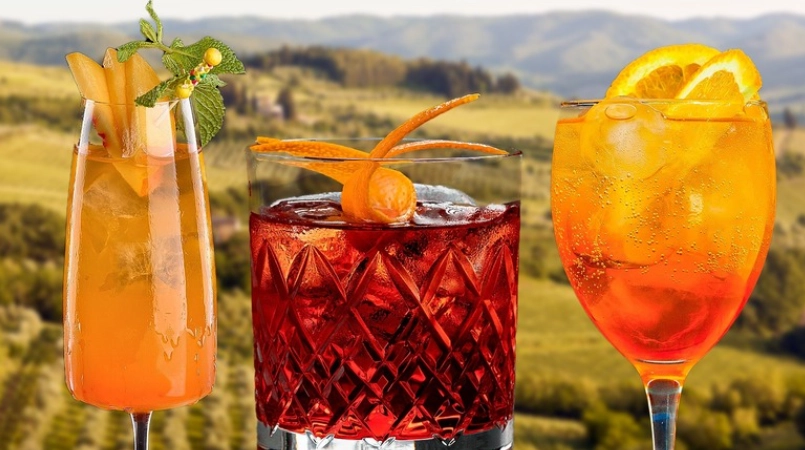
What Are The Three Italian Cocktails? Negroni, Aperol Spritz, Americano
Italian Salad Recipe: Authentic, Easy & Delicious Step-by-Step Guide

The reason for the surge in A-shares has been found! The Shanghai Composite Inde
Ultimate Guide to Italian Sausage Recipes: From Classic to Creative
Best Italian Holiday Dinner Recipes: A Complete Menu Guide