Best Italian Cocktail Recipes: Top 5 Classics & How to Make Them
What You'll Discover
- The Top 5 Best Italian Cocktail Recipes (Ranked)
- 1. The Negroni: Italy's Bitter-Sweet Legend
- 2. The Aperol Spritz: Sunshine in a Glass
- 3. The Americano: The Negroni's Elegant Predecessor
- 4. The Bellini: Venetian Elegance
- 5. The Garibaldi: The "Orange Juice" for Grown-Ups
- The Secret Sauce: Ingredients & Italian Bar Philosophy
- FAQs: Your Italian Cocktail Questions, Answered
- Final Thoughts: Bringing Italy Home
Let's be honest. When you think of Italy, cocktails might not be the first thing that pops into your head. It's all pasta, wine, and espresso, right? But that's where you'd be missing out on something seriously good. Italian mixology is a world of its own—bold, simple, and deeply rooted in a culture of aperitivo and impeccable taste.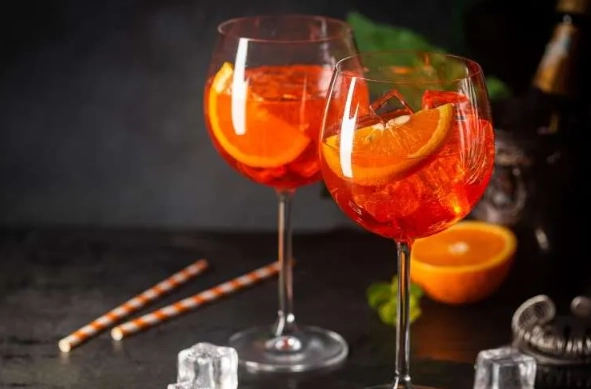
I remember my first real Negroni in a tiny bar in Florence. It was a revelation. It wasn't just a drink; it was an experience. Bitter, complex, and utterly refreshing. That's what these drinks are about. They're not just recipes; they're little pieces of Italian lifestyle in a glass.
So, if you're tired of the same old drinks and want to bring a bit of that Italian sprezzatura to your home bar, you're in the right place. We're diving deep into the absolute best Italian cocktail recipes. Not just a list, but the stories, the tricks, and the honest truth about making them.
The Top 5 Best Italian Cocktail Recipes (Ranked)
Ranking these feels a bit like choosing a favorite child, but based on global popularity, historical significance, and sheer deliciousness, here's the lineup. These are the undisputed champions, the ones you'll find from Milan to Miami.
| Cocktail | Key Spirit | Flavor Profile | Perfect For | Difficulty |
|---|---|---|---|---|
| Negroni | Gin, Campari, Vermouth | Bitter, Herbal, Strong | A pre-dinner sipper | Easy |
| Aperol Spritz | Aperol, Prosecco | Bitter-Sweet, Refreshing, Fizzy | Sunny afternoons | Very Easy |
| Americano | Campari, Vermouth | Bitter, Aromatic, Light | A longer, slower drink | Easy |
| Bellini | Prosecco, Peach Purée | Sweet, Fruity, Elegant | Brunch or celebrations | Easy |
| Garibaldi | Campari, Orange Juice | Bitter-Sweet, Juicy, Vibrant | A vibrant pick-me-up | Super Easy |
See what I mean? There's a beautiful simplicity to it. No fancy gadgets needed for most of these. Just good ingredients and the right know-how.
1. The Negroni: Italy's Bitter-Sweet Legend
No list of the best Italian cocktail recipes is complete without the Negroni. It's the king. Created in Florence around 1919 for Count Camillo Negroni who wanted his Americano stronger, it's a perfect equal-parts cocktail. One part gin, one part sweet vermouth, one part Campari.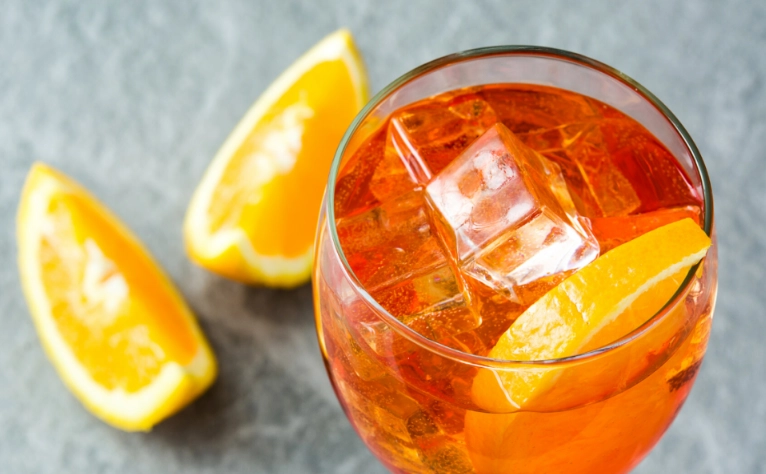
What you'll need:
- 1 oz (30ml) London Dry Gin (like Beefeater or Tanqueray)
- 1 oz (30ml) Sweet Vermouth (Carpano Antica Formula is a dream, but Martini Rosso works)
- 1 oz (30ml) Campari
- Orange peel, for garnish
- Ice (one large cube is ideal)
How to make it: It's stupidly simple. Fill an Old Fashioned glass with that big ice cube. Pour all three ingredients directly over the ice. Give it a gentle stir—about 20-30 seconds—to chill and dilute it just right. Take a fresh orange peel, express the oils over the drink by giving it a good twist, then drop it in as garnish.
Pro Tip: The stir is crucial. You're not just mixing; you're chilling and adding a touch of water to soften the bitter edges. Don't skip it or rush it. And for the love of all things holy, don't shake a Negroni. You'll bruise the spirits and make it cloudy. It's a stirred drink.
Now, a word of warning. The Negroni is an acquired taste for some. That first sip can be a bitter punch if you're used to sweet cocktails. But give it a chance. Let it sit for a minute, let the ice melt a tiny bit. The complexity unfolds—herbal notes from the vermouth, the juniper from the gin, and that unique bitter-orange flavor from Campari. It's a conversation starter.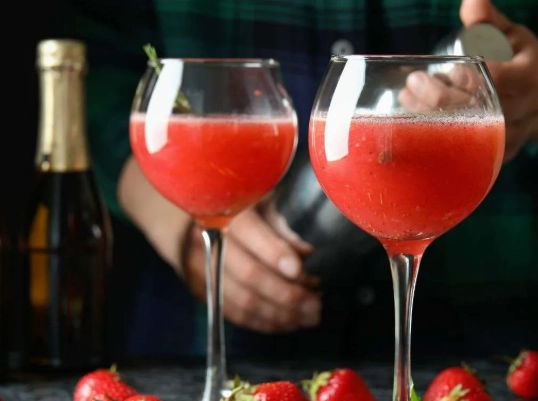
Want to dive deeper into Campari's history? The official Campari website has a fantastic archive on its role in Italian culture and cocktails.
2. The Aperol Spritz: Sunshine in a Glass
If the Negroni is for a contemplative evening, the Aperol Spritz is pure, unadulterated daytime joy. It's the official drink of Italian aperitivo hour. Lighter and sweeter than its cousin the Negroni, thanks to Aperol's lower alcohol content and gentler bitterness.
There's a formula, and Italians get very particular about it: 3-2-1.
The 3-2-1 Rule: 3 parts Prosecco, 2 parts Aperol, 1 part soda water. Serve in a big wine glass packed with ice, with a slice of orange. That's it. Deviate at your own risk (though, between us, a splash more Prosecco never hurt anyone).
My personal take? The quality of your Prosecco matters more than you think. Don't use the absolute cheapest bottle, but you don't need vintage Champagne either. A decent, dry (brut) Prosecco makes all the difference. A good source for understanding Prosecco classifications is the official Prosecco DOC website.
Build it directly in the glass. Ice first, then Prosecco, then Aperol, then a top-up of soda. Give it one quick stir. The result should be a vibrant, orange-hued, fizzy wonder. It's low-ABV, refreshing, and dangerously easy to drink. The perfect poolside or patio companion.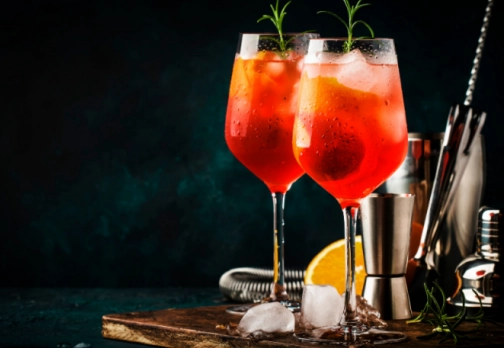
3. The Americano: The Negroni's Elegant Predecessor
Before the Negroni, there was the Americano. This is where it all began. It's essentially a Negroni without the gin, making it lighter and more sessionable. Created in the 1860s at Caffè Campari in Milan, it was originally called the "Milano-Torino." The name "Americano" reportedly came later, popularized by American tourists during Prohibition who flocked to Italy for a legal drink.
The recipe is just two core ingredients: equal parts Campari and sweet vermouth, topped with club soda. The build is key for the right effervescence.
How to make it: Fill a highball or Collins glass with ice. Pour 1.5 oz each of Campari and sweet vermouth over the ice. Stir well to combine. Top with 2-3 oz of chilled club soda. Garnish with a half-orange wheel or a lemon twist. The soda lightens the bitter load dramatically, creating a long, refreshing, and incredibly balanced drink.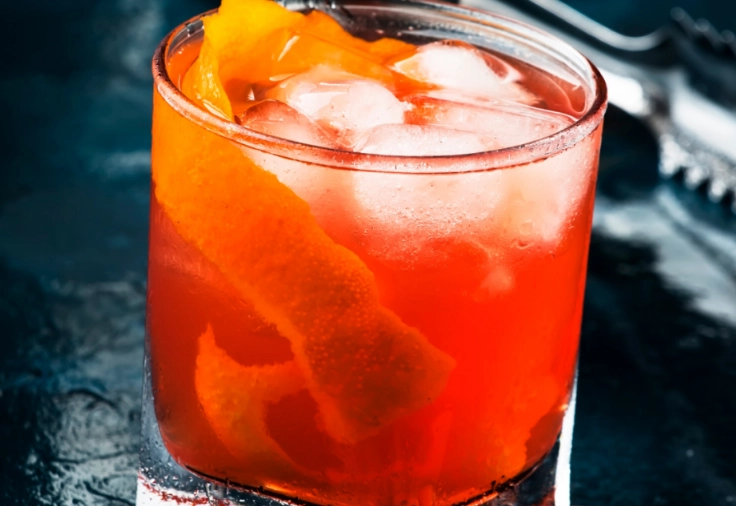
A Common Mistake: Don't reverse the order! Adding soda before the spirits will make it fizz over and lose carbonation faster. Always add the soda last, gently pouring it down the side of the glass or over the back of a spoon to preserve the bubbles.
It's less intense than a Negroni but carries the same sophisticated bitter DNA. If you're curious about the vermouth side of things, checking out resources from a renowned producer like Martini & Rossi can give you insights into the art of aromatized wines.
4. The Bellini: Venetian Elegance
Now for something completely different. The Bellini is all about celebration and fruit. Invented in the 1940s by Giuseppe Cipriani, founder of Harry's Bar in Venice, it's named after the Renaissance painter Giovanni Bellini because of its unique pinkish hue, reminiscent of a color in one of his paintings.
This is one of the simplest yet most stunning best Italian cocktail recipes. The original calls for white peach purée and Prosecco. That's it.
The trick is in the peach. White peaches are less acidic and more floral than yellow ones. If you can't find fresh white peaches, a high-quality, all-natural white peach purée is the next best thing. Avoid syrupy, artificially flavored mixes—they'll make your drink cloying and fake-tasting.
Method: Pour 1.5-2 oz of chilled peach purée into a Champagne flute. Slowly top with 4-5 oz of very cold, dry Prosecco, gently stirring as you pour to combine. The goal is a gentle mix that retains the bubbles. No shaking, no vigorous stirring. Garnish is optional—maybe a thin slice of peach if you're feeling fancy.
It's sweet, fragrant, and utterly luxurious. Perfect for brunch, weddings, or when you just want to feel fancy on a Tuesday.
5. The Garibaldi: The "Orange Juice" for Grown-Ups
This one is a modern classic that feels ancient. It surged back into popularity recently, and for good reason. It's possibly the easiest drink on this list, with only two ingredients, but the technique is what makes it magical.
Named after the Italian unification hero, the Garibaldi is Campari meets orange juice. But not just any orange juice, and not just any mix.
You need freshly squeezed orange juice, preferably from sweet, ripe oranges (blood oranges are a spectacular variation). And you need to pour it in a very specific way to create a gorgeous layered effect and fluffy texture.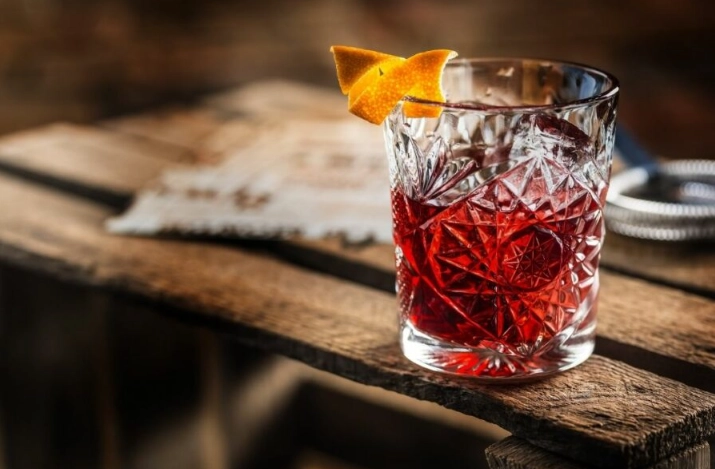
The "Hard Pour" Method: Fill a highball glass with ice. Add 1.5 oz of Campari. Now, take 4-5 oz of fresh orange juice. Hold your glass at a 45-degree angle and pour the juice from a height of about 8-10 inches above the glass, aiming for the ice. This "hard pour" aerates the juice, creating a beautiful, frothy, reddish-orange cloud on top of the crimson Campari below. Do not stir. The drink mixes as you sip, evolving from sweet and fluffy to bitter and complex.
It looks impressive, tastes incredible, and takes 60 seconds to make. It's the ultimate "I just got home and need a refreshing drink" solution.
The Secret Sauce: Ingredients & Italian Bar Philosophy
You can follow a recipe to the letter, but if your ingredients are off, the drink will be too. Italian cocktails are built on a foundation of quality components, often produced in Italy itself.
Non-Negotiable Bottles for Your Home Bar
To tackle these best Italian cocktail recipes, you'll want these staples:
- Campari: The iconic bitter liqueur. There's no substitute.
- Aperol: Lighter, sweeter, and lower in alcohol than Campari.
- A Good Sweet Vermouth: This is a fortified, aromatized wine. It goes bad! Once opened, store it in the fridge and use it within a month for best flavor. Carpano Antica, Cocchi Vermouth di Torino, and even Martini Rosso are great choices.
- A Solid London Dry Gin: For the Negroni, you want a gin with a strong juniper backbone that can stand up to Campari.
- Prosecco: A bottle of decent, dry (Brut) Prosecco is a must for Spritzes and Bellinis.
The Italian Approach: Less is More
Italian bartending isn't about 15-ingredient concoctions with smoked garnishes. It's about highlighting a few superb ingredients. It's about balance—bitter balancing sweet, strength balancing dilution. The ritual is part of it: the careful stir, the expressed citrus peel, the specific glassware. Embrace that. It turns making a drink from a task into a moment of pleasure.
FAQs: Your Italian Cocktail Questions, Answered
Final Thoughts: Bringing Italy Home
Mastering these best Italian cocktail recipes is about more than following steps. It's about adopting a mindset. It's about taking a moment to craft something beautiful and simple, then enjoying it slowly, preferably with good company and maybe a few olives or chips on the side.
Start with the Aperol Spritz or the Garibaldi if you're new to bitter flavors. Work your way up to the Americano, then take the plunge with the Negroni. The Bellini is your secret weapon for impressing guests with minimal effort.
The beauty of these drinks is their resilience. They've been around for decades, some for over a century, because the formula works. They're timeless. So stock up on Campari, grab some oranges, and start stirring. Your personal aperitivo hour awaits.
And remember, the best Italian cocktail recipe is the one you enjoy making and savoring. Salute!
Related Articles
Ultimate Guide to Classic Italian Dessert Recipes from Tiramisu to Cannoli
Authentic Italian Carbonara Recipe: The Only Guide You'll Ever Need
Easy Italian Wedding Soup Recipe (Authentic Flavor, Simple Steps)
Simple Italian Vegetarian Recipes: 5 Easy Dishes for Weeknights
Pasta Italian Dressing Salad Recipes: The Ultimate Guide