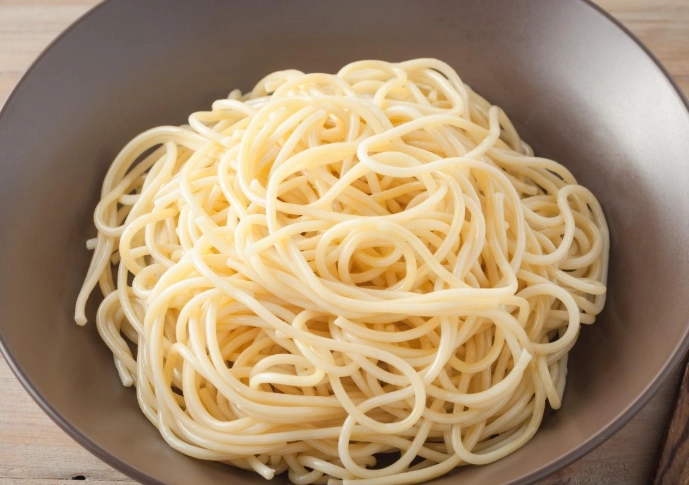
What Is the Ratio of Flour to Egg in Pasta? The Complete Guide
Your Pasta Making Roadmap
So you want to make fresh pasta from scratch. You've got your countertop cleared, your apron on, and a sudden, pressing question hits you: what is the ratio of flour to egg in pasta? It feels like the secret code to unlocking Italian grandmother-level skills. You search online, and you get a dozen different answers. 100 grams of flour per egg. One cup of flour per egg. It depends on the flour. It depends on the egg. It's enough to make you want to just buy the dried stuff.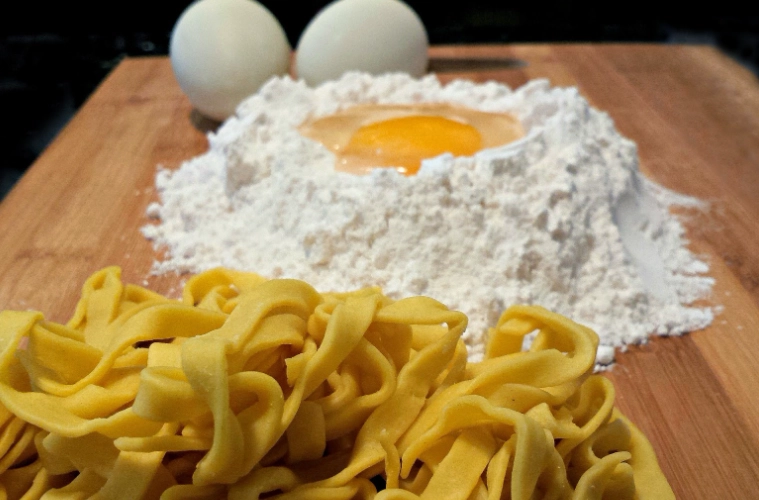
I've been there. My first attempt was a sticky, frustrating mess that more closely resembled wallpaper paste than silky tagliatelle. The problem wasn't my enthusiasm; it was blindly following a single, rigid ratio without understanding the why behind it. The truth is, asking for the one true pasta ratio is like asking for the one true soup recipe. There's a foundational starting point, but mastery comes from knowing how to adjust.
Let's cut through the noise. The classic, golden rule for a basic egg pasta dough—the kind you'd use for tagliatelle, pappardelle, or lasagna sheets—is beautifully simple: 100 grams of flour to 1 large egg. That's it. For a typical serving for two people, you'd use 200 grams of flour and 2 large eggs. This is the North Star, the baseline from which all other pasta journeys begin.
Why this ratio works: A large egg (in the shell) weighs about 50-60 grams. About 74% of that is water. So, one egg introduces roughly 37-44 grams of water to 100 grams of flour. This typically results in a hydration level (water-to-flour ratio) of around 37-44%, which is the sweet spot for a workable, elastic dough that isn't too wet or too dry.
But here's where most blogs stop, and where our real conversation starts. If you just follow that 1:100 rule like a robot, you might still fail. Why? Because flour isn't just flour, and eggs aren't just eggs.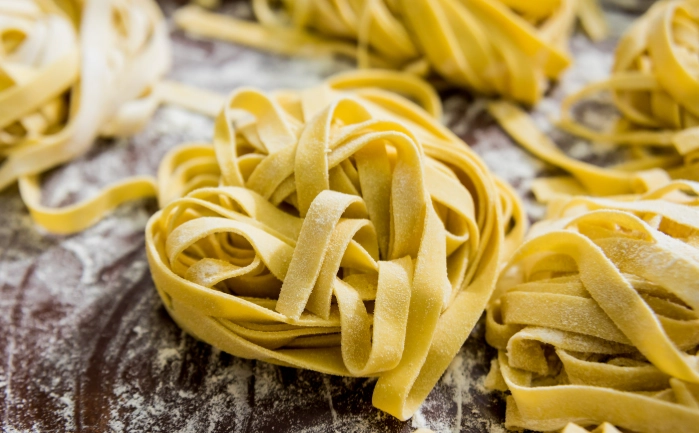
The Variables That Mess With Your Perfect Ratio
Think of the 100g:1egg ratio as a recipe's first draft. The final edit depends on a few key characters.
Flour Type and Thirst
All-purpose flour is the common choice, but its protein content (and thus its water absorption) can vary by brand. “00” flour, the classic Italian choice for pasta, is milled super fine. It feels silkier and can sometimes absorb liquid a bit differently than standard AP flour. Whole wheat flour is a whole other beast—it's incredibly thirsty and will suck up moisture much faster, demanding more egg or even a splash of water. Semolina flour, made from durum wheat, is coarse and granular. It makes a firmer, more robust dough, often used for shapes like orecchiette. When you use semolina, you might find the dough needs a touch more hydration to come together.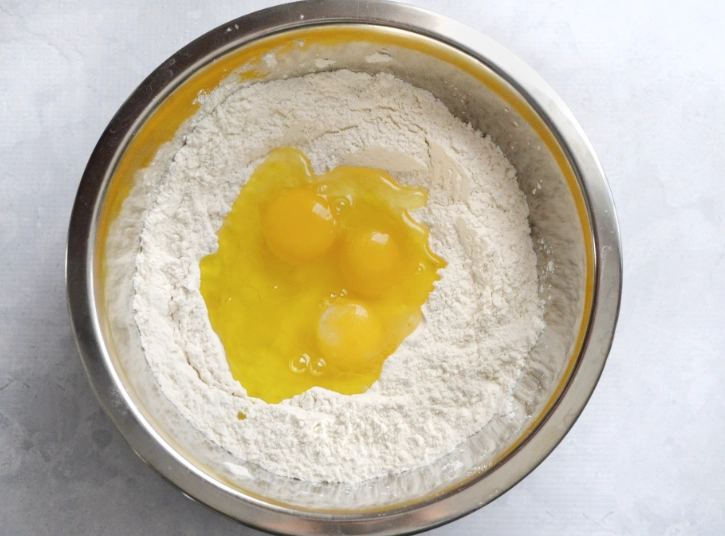
The Egg Spectrum
“Large egg” is a USDA size class, but in reality, eggs vary. A farm-fresh egg from your backyard chickens might have a richer, thicker yolk and a different water content than a mass-produced supermarket egg. The age of the egg matters too—older eggs have thinner whites. Humidity in your kitchen plays a sneaky role. On a rainy day, your flour has already absorbed moisture from the air, so it might need less from the egg. On a dry winter day with the heat on, your flour is parched and will drink up every drop.
My biggest pasta disaster happened because I didn't respect the flour. I had just bought a new brand of “00” flour, used my usual trusted ratio, and ended up with a shaggy, crumbly mess that refused to become a cohesive ball. I had to add almost an extra half an egg's worth of water, beaten and added drop by drop, to save it. It was a humble reminder that the flour is in charge, not the recipe.
So, what is the ratio of flour to egg in pasta when you factor in real life? It's a starting point that requires your eyes and hands to be the final judge.
Beyond the Basic: Ratios for Different Pasta Styles
Not all pasta dough is created equal. The classic egg dough is just one member of a delicious family. Here’s a quick guide to how the proportions shift for different goals.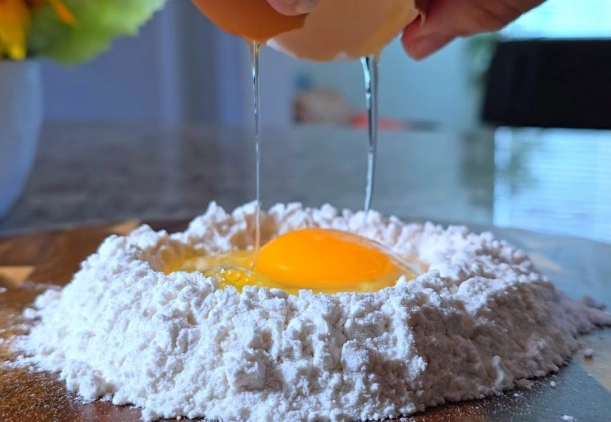
| Pasta Type | Flour Base | Egg Ratio (Per 100g Flour) | Key Characteristics & Uses |
|---|---|---|---|
| Classic Egg Pasta (Pasta all'uovo) | “00” or All-Purpose | 1 whole large egg | Rich, yellow, elastic. Perfect for tagliatelle, pappardelle, lasagna, filled pastas like tortellini. |
| Emilia-Romagna Style | “00” Flour | 1 egg (sometimes just yolks) | Often uses more yolks for extra richness and a deeper color. The gold standard for silkiness. |
| Semolina Pasta | Durum Wheat Semolina (or mix with “00”) | Sometimes 1 egg, often just water | Firm, chewy texture with a slight grain. Holds shape brilliantly for orecchiette, cavatelli. |
| Pasta all'Acqua (Water Dough) | Semolina or “00” | 0 eggs (~50ml water per 100g flour) | Lean, firm dough. Traditional for many Southern Italian shapes like busiate, trofie. |
| Extra-Rich Yolk Pasta | “00” Flour | 2-3 egg yolks (no whites) | Incredibly tender, delicate, and vibrant yellow. A luxury for special occasions. |
See how the central question evolves? It's not just what is the ratio of flour to egg in pasta, but what is the ratio for the *specific* pasta you're dreaming of?
The Hands-On Guide: From Weighing to Perfect Dough
Alright, theory is great, but let's get practical. Here’s my step-by-step, no-nonsense process that prioritizes feel over rigid numbers.
Step 1: The Mound and Well Method
Weigh your flour—let's say 300g for three people. Dump it on a clean, dry surface in a mound. Make a big well in the center, like a flour volcano. Crack your eggs (three, following the ratio) right into that crater. Add a pinch of salt. Now, with a fork, start beating the eggs in the center, gradually incorporating flour from the inner walls of the well. This method gives you maximum control.
Pro Tip: Have a little bowl of water and a small bowl of extra flour on the side. They are your emergency adjustment tools. Dough too dry and crumbly? Dip your fingers in water and knead it in. Dough sticking to everything? Dust lightly with your reserve flour.
Step 2: The Knead (It's a Workout)
Once it's a shaggy mass, use your hands to bring it all together. Now knead. And knead some more. We're talking 8-10 minutes of serious, push-fold-turn action. You're not just mixing; you're developing gluten, which gives the pasta its strength and bite. The dough will transform from rough and sticky to smooth, elastic, and barely tacky. It should feel like a baby's cheek—soft but firm. This is the most important step. No machine can replace this tactile feedback.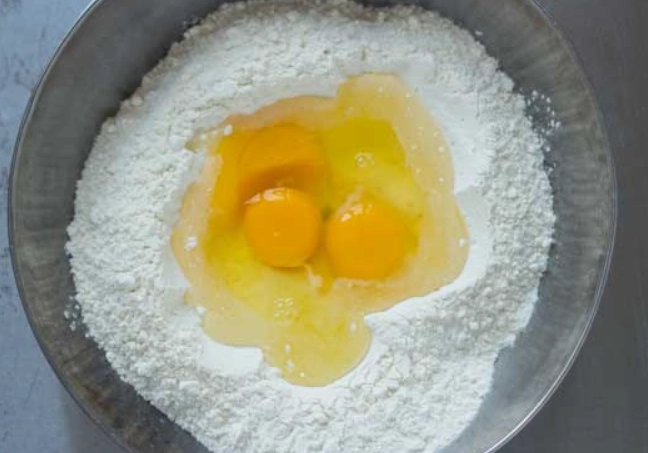
Step 3: The Rest (Don't Skip This!)
Wrap the dough tightly in plastic wrap or put it under an upturned bowl. Let it rest at room temperature for at least 30 minutes, or up to an hour. This allows the gluten to relax. If you try to roll it out immediately, it will be springy and fight you. After resting, it will be supple and obedient.
Common Pitfall: Adding too much flour during the kneading and rolling process. Yes, you need to dust your surface to prevent sticking, but be minimalist. Excess flour worked into the dough during rolling will make it tough and can cause it to absorb too much water when cooking, becoming mushy.
This process answers the deeper question behind what is the ratio of flour to egg in pasta—it's a dynamic relationship you manage with your senses.
Answering Your Burning Pasta Questions (FAQ)
These questions show that the search for what is the ratio of flour to egg in pasta is really a gateway to a whole world of technique.
Tools of the Trade: Do You Need a Pasta Machine?
You can absolutely roll pasta by hand with a rolling pin. It's a skill that takes practice but is deeply satisfying. A long, thin rolling pin is best. However, a manual pasta machine (the crank kind) is a fantastic investment for consistency and ease, especially for thin sheets for lasagna or ravioli. It also helps you avoid adding too much flour while rolling.
Stand mixer attachments are great for large batches but can sometimes overwork the dough if you're not careful. For the home cook starting out, a simple hand-crank machine and a good bench scraper are your best friends.
I resisted getting a pasta machine for years, thinking it was cheating. What a silly notion. Getting one didn't make my pasta less “authentic”; it made the process more enjoyable and the results more consistent, which meant I made pasta ten times more often. Sometimes, the right tool is what keeps a hobby alive.
Bringing It All Together: The Philosophy of the Ratio
After all this, what's the final answer? The perfect ratio is the one that gives you the dough you want. The 100g flour to 1 egg rule is your launchpad, your reference point. It's reliable about 80% of the time. The other 20% requires you to engage. To poke the dough. To feel if it's too firm. To see if it's leaving residue on your fingers.
That's the real secret.
Making pasta is a conversation between you, the ingredients, and your environment. The numbers get you in the ballpark, but your senses call the final play. So, weigh your 100 grams of flour. Crack your egg. But then, be ready to listen. Add a sprinkle. Or a drop. Adjust. This is how you move from following a recipe to understanding a craft.
And honestly, that first batch might not be perfect. Mine certainly wasn't. But even slightly thick or irregular homemade pasta, cooked in well-salted water and tossed with a simple sauce, will taste infinitely better than anything from a box. It will have a texture and a soul that industrial pasta lacks.
So, to circle back to the question that started it all: what is the ratio of flour to egg in pasta? It's 100:1. Until it isn't. And learning to navigate that beautiful ambiguity is where the fun—and the truly great pasta—begins. Now go get your hands dusty. You've got this.
Related Articles
Authentic Italian Carbonara Recipe: The Only Guide You'll Ever Need
Easy Italian Regional Recipes: Authentic Dishes You Can Actually Make
Authentic Carbonara Recipe: How to Make Traditional Italian Pasta
How to Make Homemade Italian Pasta with Semolina: Easy Recipe & Tips

Ultimate Guide to the Best Italian Desserts Recipes: Classics & Regional Gems