How to Make Homemade Italian Pasta with Semolina: Easy Recipe & Tips
Quick Guide
- Why Semolina is the Secret Weapon for Authentic Pasta
- Gathering Your Tools & Ingredients: No Fancy Pasta Machine Required
- The Step-by-Step Process: From Flour to Fantastic
- A Classic Recipe Template: Semolina Egg Pasta (The Best of Both Worlds)
- Cooking and Serving Your Semolina Masterpiece
- Frequently Asked Questions (The Stuff That Stops People)
- Final Thoughts: Embrace the Process
Let's talk about making pasta. Not the kind from a box, but the real, honest-to-goodness stuff you'd get in a nonna's kitchen in the middle of Italy. I'm talking about a proper homemade Italian pasta recipe with semolina. You know, the kind that has a certain bite to it, a texture that holds sauce like it was made for it, and a flavor that's just... more.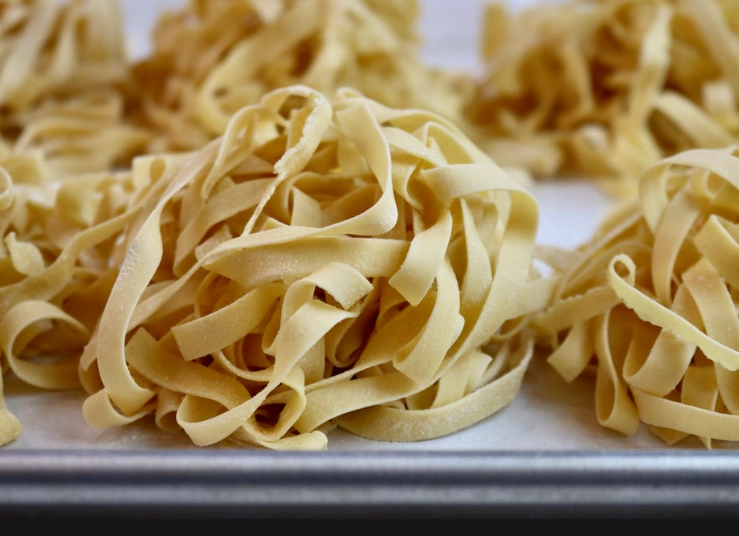
I got into this whole thing a few years back after a trip to Puglia. I had this plate of orecchiette that just blew my mind. It was simple, but the pasta itself was the star. Chewy, substantial, perfect. I asked what the secret was, and the answer was always the same: "semola di grano duro." Semolina. When I got home, I tried to recreate it with regular all-purpose flour. It was fine. It was pasta. But it wasn't that pasta. It lacked the soul, the structure, the golden hue. That's when my semolina journey began, and let me tell you, it's a game-changer.
So, why is everyone suddenly so keen on a homemade Italian pasta recipe with semolina? Well, it's not really sudden. Italians have known this for centuries. But for home cooks, it feels like unlocking a new level. It's sturdier, it's more forgiving in some ways (and less in others), and it opens the door to shapes you just can't make with a softer flour. This guide is everything I wish I'd known when I started. We'll go through the why, the how, the mistakes (oh, the mistakes I've made), and get you to a point where you can confidently whip up a batch that'll make you question ever buying dried pasta again.
Why Semolina is the Secret Weapon for Authentic Pasta
First things first, what even is semolina? If you're picturing the fine, white powder in your pantry, stop. Semolina is different. It's coarsely ground from durum wheat, which is a harder variety of wheat with a high protein and gluten content. Think of it as the wheat's muscular cousin. This isn't the flour for a fluffy cake; this is the flour for something that needs to stand up to boiling water and cling to sauce.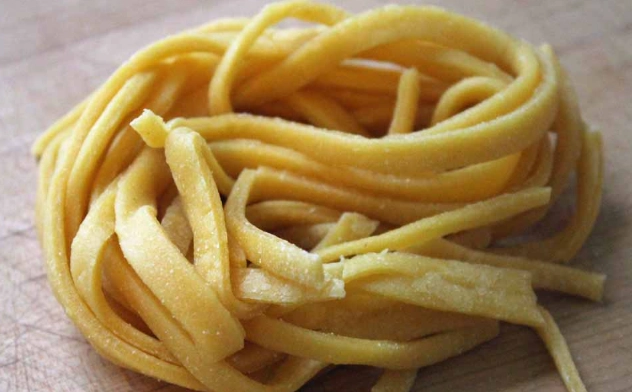
The main difference between using all-purpose flour and semolina for your homemade Italian pasta recipe with semolina comes down to texture and strength. All-purpose flour gives a softer, more delicate noodle. Nice for certain things, sure. But semolina gives you that classic al dente bite—a firm, pleasant resistance when you chew. It's not tough; it's toothsome. It has personality.
Here’s a quick breakdown of why semolina wins for many pasta shapes:
- Golden Color: Semolina has a natural pale yellow color, giving your pasta that beautiful, appetizing hue without needing eggs (though we might add them later!).
- Superior Sauce Adhesion: The slightly rougher surface texture of dried semolina pasta grabs onto sauce like nobody's business. No more slick, sauce-sliding noodles.
- High Gluten Strength: This means the dough is strong and elastic. It won't tear easily when you roll it thin or stretch it into shapes like linguine or tagliatelle.
- Excellent for Extrusion: This is the big one for shapes like rigatoni or macaroni. The hard, granular nature of semolina allows it to be pushed through dies without becoming gummy, which is why almost all dried pasta you buy is made from 100% semolina.
Now, a bit of a reality check. Working with 100% semolina and water can be tough for a beginner. It's a very stiff dough. That's why many home cook-friendly semolina pasta recipes you'll see, especially for egg-based noodles like tagliatelle, use a blend. A common one is "00" flour and semolina. "00" is a super-fine Italian flour that's dreamy to work with. The blend gives you the best of both worlds: the fine texture and ease of "00" with the flavor and bite of semolina. But if you're going for rustic shapes like cavatelli or orecchiette, or you want that truly authentic dried-pasta-style experience, 100% semolina is the way to go.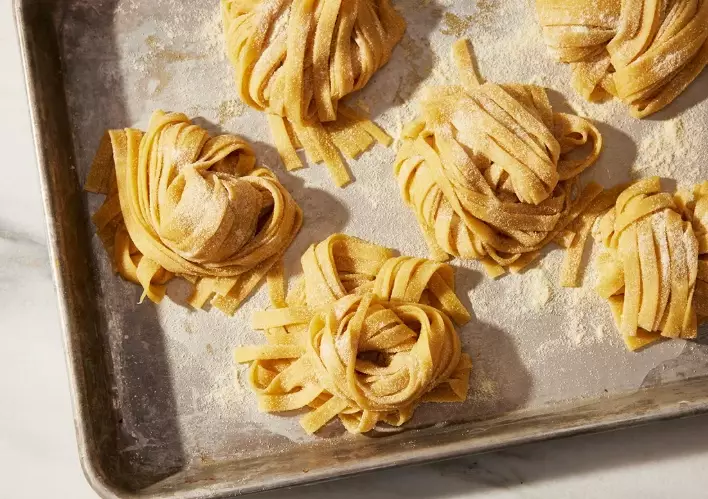
My first attempt at 100% semolina dough was a disaster. I added water like I would with all-purpose flour, and I ended up with something resembling wet sand that refused to come together. I was so frustrated I almost gave up. The key, I learned the hard way, is that semolina absorbs water slowly. You need to be patient, add the water bit by bit, and let it hydrate. Don't rush it.
Gathering Your Tools & Ingredients: No Fancy Pasta Machine Required
One of the best things about a homemade Italian pasta recipe with semolina is its simplicity. The ingredient list is laughably short. The tools are basic. You don't need a stand mixer with a pasta attachment (though it's fun if you have one), and you certainly don't need one of those giant, expensive extruders.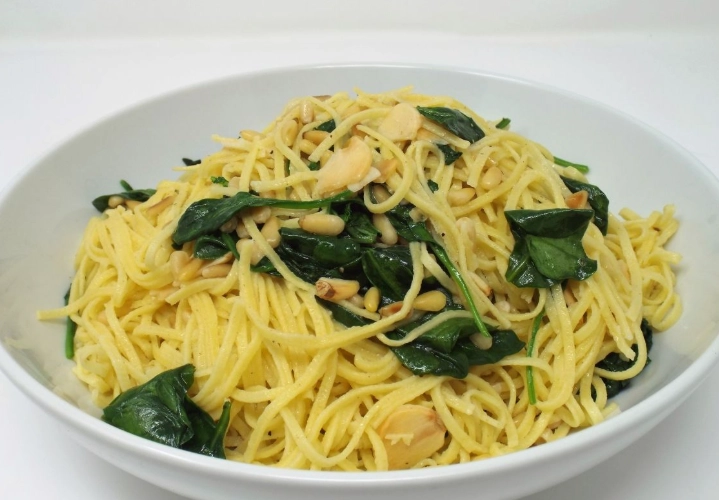
What you need for ingredients:
- Semolina Rimacinata: This is key. Try to find "rimacinata," which means it's been milled twice. It's finer than regular semolina but coarser than flour, making it perfect for hand-rolled pasta. If you can't find it, regular semolina works fine—you might just need to knead a bit longer. Look for a reputable brand. I often check the recommendations from the Italian Food Experts site for sourcing quality Italian ingredients.
- Water: Warm water, not hot. Think baby-bottle temperature. Warm water helps hydrate the semolina faster and makes the dough more pliable.
- Salt: Fine sea salt. Some people add it to the dough, some only salt the cooking water. I'm in the "salt the water aggressively" camp, but a pinch in the dough doesn't hurt.
- (Optional) Eggs: For a richer dough. If you add eggs, you'll use less water. This creates a pasta that's more tender and suitable for ribbons, like pappardelle.
What you need for tools:
- A large wooden board or clean countertop. Wood is best as it provides a bit of grip.
- A bench scraper. This is your best friend for cleaning up and cutting dough.
- A rolling pin. A classic long wooden one is ideal, but any will do in a pinch.
- A knife or pastry wheel for cutting.
- A fork for creating textures on shapes like cavatelli.
- A scale. I'm going to say it. For consistent results, especially with semolina, weighing your ingredients is better than using cups. Semolina can pack down, and flour measurements by volume are notoriously unreliable. The King Arthur Baking weight chart is a great resource to understand why weight is king in baking and pasta-making.
The Step-by-Step Process: From Flour to Fantastic
Alright, let's get our hands dirty. This is the core of your homemade Italian pasta recipe with semolina. I'll walk you through the 100% semolina and water version, which is the foundation. Once you master this, adding eggs or blending flours is easy.
1. Making the Well and Hydrating the Semolina
On your board, mound up your semolina. I usually start with 300 grams (about 2 ½ cups loosely scooped) for two generous portions. Make a big well in the center, like a volcano. You want the walls to be high enough to hold the liquid.
Slowly pour about 150-160 ml of warm water (maybe 2/3 cup) into the well. Add a pinch of salt to the water if you like.
Here's the fun part. With a fork, start gently swirling the water, gradually pulling in little bits of semolina from the inner walls of your volcano. Don't break the wall! The mixture will look shaggy and messy. This is good. Once most of the water is absorbed and you have a thick, paste-like consistency in the middle, you can use your hands to start incorporating the rest of the flour.
Pro Tip: Don't add all the water at once. Semolina hydrates unevenly. Start with 90% of the water you think you need. You can always add a few more drops if the dough is too dry, but you can't take it out if it's too wet.
2. The Knead: It's a Workout
This is not a gentle, bread-like knead. Semolina dough is stiff. You need to put some shoulder into it. Use the heels of your palms to push the dough away from you, fold it over, give it a quarter turn, and repeat. Do this for a solid 10 minutes. Yes, 10.
How do you know it's done? The dough will transform. It will go from a crumbly, rough mass to a smooth, supple, and elastic ball. It should feel firm but not rock-hard. When you press a finger into it, it should slowly spring back. If it cracks easily, it's too dry. If it feels sticky or soft, it's too wet.
Common Mistake: Under-kneading. If you stop kneading when the dough just comes together, it will be gritty and will crack when you try to roll it. The long knead is non-negotiable. It develops the gluten network that gives the pasta its strength. Put on some music and think of it as therapy.
3. The Rest: Patience is a Virtue
Wrap your beautiful dough ball tightly in plastic wrap. Let it rest at room temperature for at least 30 minutes, but an hour is better. This is crucial. It allows the gluten to relax and the hydration to fully distribute. The dough will become much more pliable and easier to roll out. Don't skip this.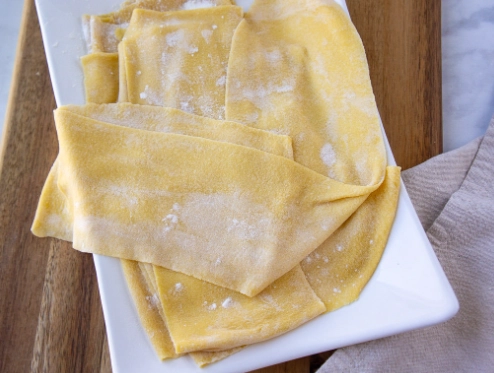
4. Rolling and Shaping: Unleash Your Creativity
After the rest, cut the dough into 4 manageable pieces. Keep the pieces you're not working with covered.
Lightly flour your board with a little semolina. Start rolling one piece. You want to roll it out thin. For cut pasta like tagliatelle, you're aiming for about 1-2 mm thick. For shapes like orecchiette, you can keep it a bit thicker, around 3 mm. The classic test is to see if you can vaguely see the shadow of your hand through the sheet.
Now for the shapes! This is where your homemade Italian pasta recipe with semolina gets personal.
- Tagliatelle/Ribbons: Lightly dust the rolled sheet with semolina, loosely roll it up like a jelly roll, and cut crosswise into ¼-inch strips. Unravel the strands and lay them on a semolina-dusted tray.
- Orecchiette (Little Ears): Roll the dough into long ropes about the thickness of a pencil. Cut into small pieces. Using a butter knife or your thumb, press and drag each piece against the board to curl it into a little cup. It takes practice.
- Cavatelli: Similar start to orecchiette. Cut the rope into pieces. Press each piece with your thumb and drag it towards you, creating a curled shell with ridges from the board.
If you're making cut pasta to eat fresh, you can cook it right away. If you're making shapes to dry, arrange them in a single layer on a semolina-dusted baking sheet and let them air-dry for 12-24 hours, turning once, until they are completely hard. Then you can store them in an airtight container for months.
A Classic Recipe Template: Semolina Egg Pasta (The Best of Both Worlds)
For a richer, more versatile pasta that's still full of semolina character, here's my go-to blend recipe. It's the one I make most often at home because it's forgiving and works for almost any shape.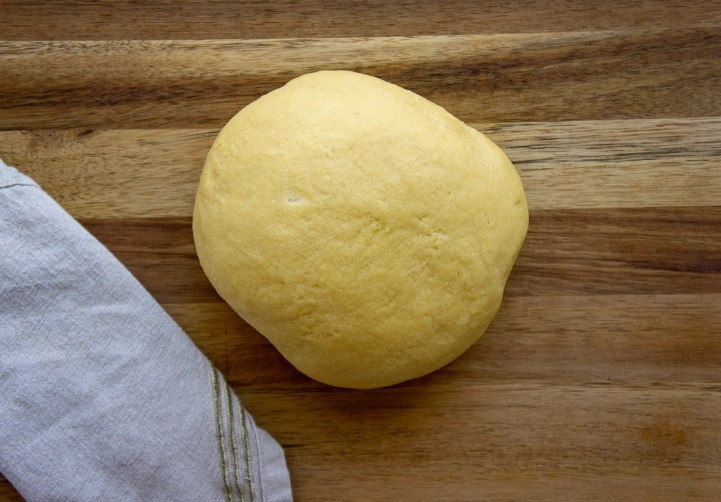
| Ingredient | Weight (Metric) | Volume (Approximate) | Purpose |
|---|---|---|---|
| Semolina Rimacinata | 200 g | ~1 ⅔ cups | Provides structure, bite, and color |
| "00" Flour (or All-Purpose) | 100 g | ~¾ cup + 1 tbsp | Adds tenderness and makes rolling easier |
| Large Eggs | 3 whole | - | Bind, enrich, and add flavor |
| Olive Oil (Optional) | 1 tsp | - | Adds suppleness to the dough |
| Fine Sea Salt | 1 pinch | - | Seasoning |
Method: Combine the flours on your board. Make a well. Crack the eggs, oil, and salt into the well. Use a fork to beat the eggs and gradually incorporate the flour. Once combined, knead for 8-10 minutes until smooth and elastic. Wrap and rest for 1 hour. Roll out thinly and cut to your desired shape. This dough is excellent for fettuccine, pappardelle, or even simple squares for soup.
See? Having a solid homemade Italian pasta recipe with semolina doesn't mean you're locked into one rigid formula. You can adapt.
Cooking and Serving Your Semolina Masterpiece
Cooking fresh semolina pasta is quick. Have a large pot of aggressively salted water boiling (it should taste like the sea). Fresh pasta will cook in 2-4 minutes, depending on thickness. Taste it frequently. You're looking for that al dente bite—firm but not chalky in the center.
If you dried your pasta, it will take longer, more like 8-12 minutes, similar to store-bought dried pasta. Taste-test is still your best guide.
Drain the pasta, but reserve a cup of the starchy cooking water! This is liquid gold for saucing. Toss your pasta immediately with your sauce in a warm pan, adding splashes of pasta water as needed to emulsify and help the sauce cling to every nook and cranny.
Sauce Pairing Ideas: Sturdy semolina pasta pairs beautifully with robust sauces. Think a simple garlic and oil (aglio e olio), a rich meat ragù, a punchy puttanesca, or a classic basil pesto. The rough surface of homemade semolina pasta is a sauce magnet.
Frequently Asked Questions (The Stuff That Stops People)
Can I make a homemade Italian pasta recipe with semolina without eggs?
Absolutely! The classic 100% semolina pasta from Southern Italy is often just semolina and water (pasta alla chitarra is a famous example). It's perfect for shapes like orecchiette and cavatelli. The dough is stiffer but creates a wonderfully chewy, sauce-grabbing pasta.
My semolina dough is too crumbly and won't come together. What did I do wrong?
You likely need more water, or you didn't give it enough time to hydrate. Semolina absorbs water slowly. Try adding a teaspoon of warm water at a time and kneading for a full minute between additions. Also, ensure you're kneading long enough—a full 10 minutes is key to developing the gluten that holds it all together.
Can I use all-purpose flour instead of semolina?
You can, but you'll get a different product. All-purpose flour makes a softer, more delicate pasta. It won't have the distinctive yellow color, the hearty bite, or the same sauce-clinging ability as a pasta made with semolina. For authenticity and that classic al dente texture, semolina (or a blend) is the way to go.
How do I store fresh semolina pasta?
To cook the same day, lay it on a floured tray. To store for 1-2 days, cover the tray tightly with plastic wrap and refrigerate. For long-term storage, dry it completely (until it snaps, not bends) and store in an airtight container at room temperature for several months. You can also freeze fresh pasta: arrange shapes on a parchment-lined tray, freeze solid, then transfer to a freezer bag.
Why is my rolled pasta dough springing back and shrinking?
It needs to rest more. The gluten is too tight. Wrap it up and let it sit for another 15-20 minutes. This relaxing period is essential for easy rolling.
Is making pasta with semolina harder than with regular flour?
It's different, not necessarily harder. It requires a bit more elbow grease during kneading and a bit more patience with hydration. But many find the dough less sticky and easier to handle once kneaded. The results are so rewarding that the extra effort feels worth it.
Final Thoughts: Embrace the Process
Look, your first batch of homemade Italian pasta recipe with semolina might not be perfect. Mine sure wasn't. It might be a little too thick, or an orecchiette might look more like a blob. It doesn't matter. The flavor will still be miles ahead of anything from a box.
The real magic is in the process. There's something incredibly satisfying about turning two simple ingredients into a nourishing, delicious meal with your own hands. It connects you to a tradition that's centuries old. You start to understand why Italians are so passionate about their food—it's honest, it's simple, and it's made with care.
So, get some semolina, clear off your counter, and give it a try. Don't be intimidated. Even a slightly imperfect homemade pasta is a triumph. And once you taste that chewy, golden strand coated in a simple sauce, you'll know. You'll be hooked. And you'll never look at a box of spaghetti the same way again.
Got questions I didn't cover? Drop a comment below—I love talking pasta. Now, go make some dough!
Related Articles
Authentic Italian Pizza Recipe: A Step-by-Step Guide
Authentic Italian Bruschetta Recipe: The Only Guide You'll Ever Need
Italian Casserole Recipes: Easy Family Dinners & Expert Tips
What to Cook for an Italian Christmas: The Ultimate Feast Guide
Authentic Carbonara Recipe: The Real Italian Way (No Cream!)