Top 10 Italian Foods: The Ultimate List of Must-Try Dishes
Quick Guide
You know how it is. You get a craving for Italian food, and suddenly your mind is racing through images of bubbling cheese, rich tomato sauces, and plates of pasta that just look like a hug. But then the question hits you—what should you actually order or make? With so many options, from the northern Alps down to the sunny Sicilian coast, where do you even start? Figuring out what are the top 10 Italian foods isn't just about listing popular dishes. It's about understanding the soul of a cuisine built on regional pride, simple quality ingredients, and generations of tradition. It's about finding those dishes that define the experience.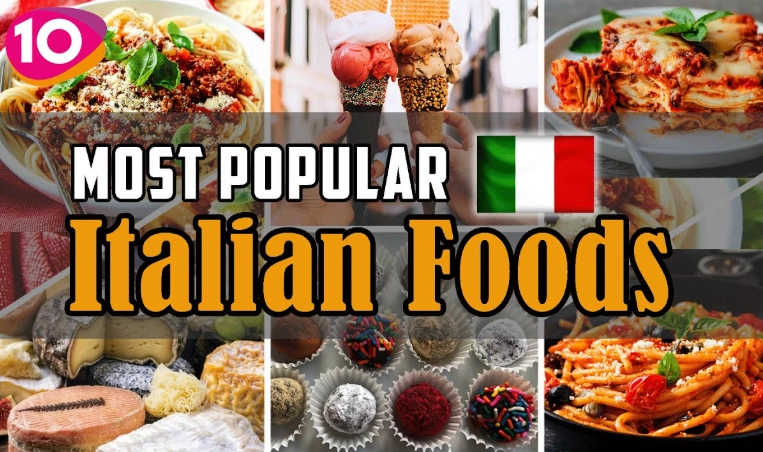
I remember my first trip to Italy, thinking I knew Italian food because I loved my local pizza place. I was so wrong. The real stuff was a revelation. The freshness, the specificity, the way a dish from Bologna was utterly different from one in Naples. It changed how I ate forever.
Italian cuisine isn't a monolith. It's a collection of fiercely independent regional stories told on a plate.
So let's cut through the noise. Forget the endless, generic lists. We're going deep on the essentials. This is a practical, personal guide to the top 10 Italian foods that form the cornerstone of one of the world's greatest cuisines. We'll talk about what makes each one special, where it's from, how to eat it like a local, and even tackle some common myths. By the end, you'll not only have your answer to "what are the top 10 Italian foods?" but you'll understand why they're on the list.
The Foundation: More Than Just Pasta and Pizza
Before we dive into the list, let's get one thing straight. Ranking Italian food feels a bit wrong. It's like ranking your children. Each region, each nonna (grandmother), has her champion. This list is a blend of global fame, cultural significance, and my own stubborn opinion after years of eating, cooking, and obsessing over this stuff. It's a starting point for your own delicious exploration.
Also, a quick word on ingredients. The magic of these top 10 Italian foods isn't in complex techniques. It's in the quality of the raw materials. San Marzano tomatoes from Campania, DOP Parmigiano-Reggiano cheese, extra virgin olive oil from Liguria or Puglia—these are the stars. You can't fake it with inferior stuff. The Italian Ministry of Agricultural, Food and Forestry Policies maintains strict designations (like DOP and IGP) to protect this quality, which is a big reason why the food tastes so distinctively itself.
Common Mistake Alert: Don't make the error of thinking "Italian food" is one thing. A creamy risotto from Milan has little in common with a spicy, tomato-based Arrabbiata pasta from Rome. The climate, history, and local produce create wildly different culinary landscapes.
The Definitive Top 10 Italian Foods List
Okay, let's get to it. Here are the dishes I believe answer the question "what are the top 10 Italian foods?" with authority. We'll go beyond just a name.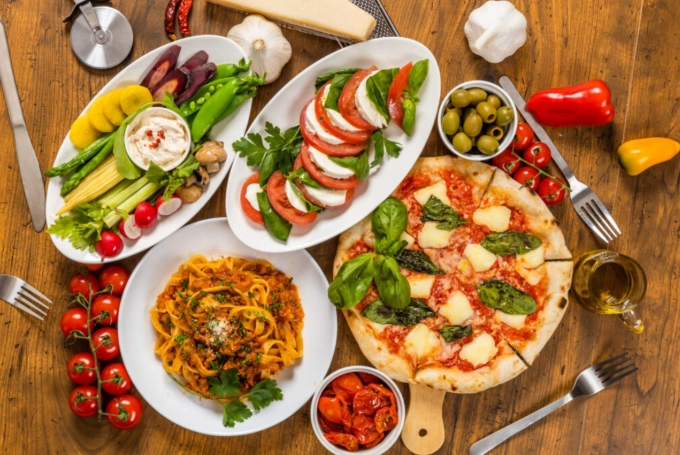
Top 1: Pizza Napoletana (Neapolitan Pizza)
This is the OG, the ancestor of all pizzas. We're not talking about the thick, loaded American styles. Authentic Neapolitan pizza is an art form protected by its own EU law (the Associazione Verace Pizza Napoletana sets the rules). The crust is key—soft, chewy, and charred in spots from a blisteringly hot wood-fired oven. It's minimalist: San Marzano tomatoes, fior di latte or buffalo mozzarella, fresh basil, and extra virgin olive oil. That's the Margherita, the classic.
Eating it is an experience. It's meant to be messy, folded and eaten with your hands. The center is often soft ("all'onda" or wavy). I've had bad versions with a cracker-like crust and sugary sauce—it's a tragedy. A great one is pure, simple perfection.
Top 2: Pasta alla Carbonara
Hailing from Rome, carbonara is a dish shrouded in debate and often brutally mutilated abroad. The real deal has no cream. Let me say that again: NO CREAM. The sauce is an emulsion of eggs, Pecorino Romano cheese (that sharp, salty sheep's cheese), cured guanciale (pork cheek), and lots of black pepper. The heat from the freshly cooked pasta cooks the eggs into a silky, rich coating.
The common errors are legion: using bacon instead of guanciale, adding cream, using Parmesan instead of Pecorino. It changes the character completely. The Academia Barilla, a major authority on Italian gastronomy, upholds the traditional recipe. It's a rich, comforting dish that showcases how few ingredients can create unbelievable depth.
Top 3: Risotto alla Milanese
The king of Northern Italian comfort food. While pasta dominates the south, rice rules in the north, especially in Lombardy. Risotto alla Milanese is famous for its vibrant yellow color, which comes from saffron—one of the world's most expensive spices. It's slowly cooked with broth, stirred to release the starch from the rice (usually Carnaroli or Arborio), and finished with butter and Parmigiano-Reggiano.
It's often served as a primo (first course) alongside Osso Buco (braised veal shanks). The texture is everything: "all'onda" again, meaning it should flow like a wave when you tilt the plate. A bad risotto is either a stiff, gluggy mass or a soupy mess. A good one is creamy yet each grain of rice remains distinct. It requires patience.
Top 4: Lasagna alla Bolognese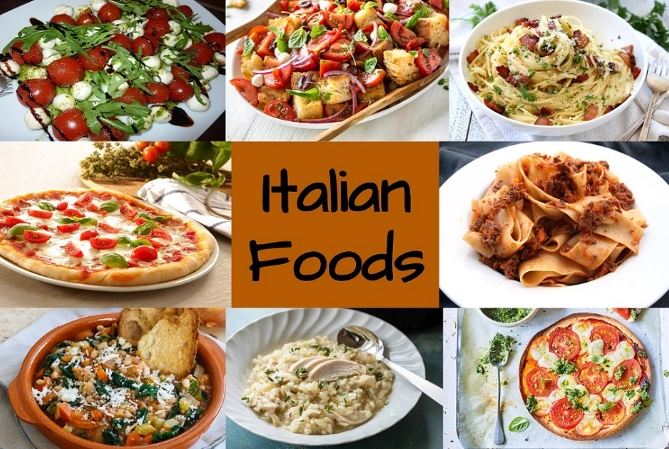
This is the lasagna of your dreams, but probably different from what you grew up with. The Lasagna from Bologna uses green spinach pasta sheets, a slow-cooked meat ragù (what many call Bolognese sauce), béchamel sauce, and Parmigiano-Reggiano. No ricotta in sight! The layers meld into something greater than the sum of its parts—hearty, savory, and deeply satisfying.
The ragù itself is a lesson in patience, slowly simmering for hours. The official recipe is even deposited with the Bologna Chamber of Commerce! It's a celebratory dish, often for Sundays and family gatherings. The pre-made, dry-layered versions sold everywhere are a pale imitation.
Pro Tip: In Italy, "Bolognese" is the sauce (ragù). You order "Tagliatelle al ragù" for pasta with meat sauce, not "spaghetti Bolognese," which is largely an international invention.
Top 5: Osso Buco
A Milanese masterpiece that translates to "bone with a hole." It's cross-cut veal shanks, braised for hours with vegetables, white wine, and broth until the meat is fall-apart tender and the connective tissue has melted into the sauce. The magic is in the marrow inside the bone—spoon it out and spread it on bread. It's unctuous, rich, and deeply flavorful.
Traditionally served with Risotto alla Milanese, it's a cold-weather dish that feels luxurious yet rustic. Using the right cut (with the marrow bone center) is non-negotiable. Some modern versions use tomatoes, but the classic "in bianco" (white) style is more common in Milan.
Top 6: Focaccia
Not all Italian bread is a skinny baguette. Focaccia, particularly from Liguria (like Genoa), is a flat oven-baked bread that's a snack, a side, a sandwich base, and a culinary icon. It's dimpled, generously drenched in high-quality olive oil, and often topped simply with coarse salt and maybe rosemary. The best versions are light, airy, and slightly moist inside with a crisp, oily top.
The regional variations are fun. In Bari (Puglia), you might find it with tomatoes and olives. I find the simplicity of the Genovese style hardest to perfect—it's all about the texture and the quality of the oil. A dry, bready focaccia is a major disappointment.
Top 7: Saltimbocca alla Romana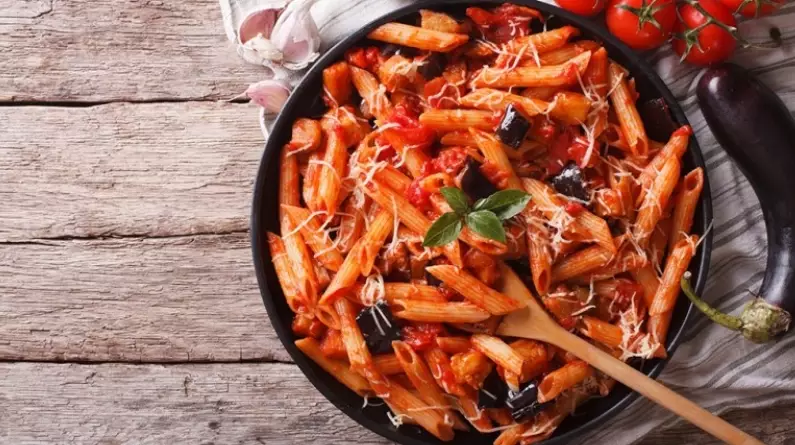
A Roman classic whose name means "jump in the mouth"—a promise of flavor it absolutely delivers. It's thin slices of veal (sometimes chicken or pork) topped with a sage leaf and wrapped in prosciutto crudo (dry-cured ham), then quickly pan-fried and deglazed with white wine or marsala. The result is salty, savory, herbal, and tender all at once.
It's a brilliant example of Italian "cucina povera" (poor kitchen) ingenuity, transforming a few humble ingredients into something special. The key is not to overcook the meat. It should be a quick, high-heat affair. Served often with simple sautéed greens or potatoes, it's a staple of Roman trattorias.
Top 8: Tiramisù
No list of top 10 Italian foods is complete without this iconic dessert. Its origins are disputed (Veneto, Friuli, or Tuscany?), but its popularity is universal. "Tiramisù" means "pick me up" or "cheer me up," referring to the caffeine kick from espresso and the richness of mascarpone cheese. Ladyfinger biscuits (savoiardi) are dipped in coffee, layered with a whipped mixture of mascarpone, eggs, and sugar, then dusted with cocoa powder.
The best tiramisù is light, not too sweet, and has a pronounced coffee flavor. I've had terrible versions that are soggy, use fake cream, or taste like raw alcohol. The balance is delicate. Making it at home is surprisingly easy and far superior to most restaurant versions, in my opinion.
Top 9: Gelato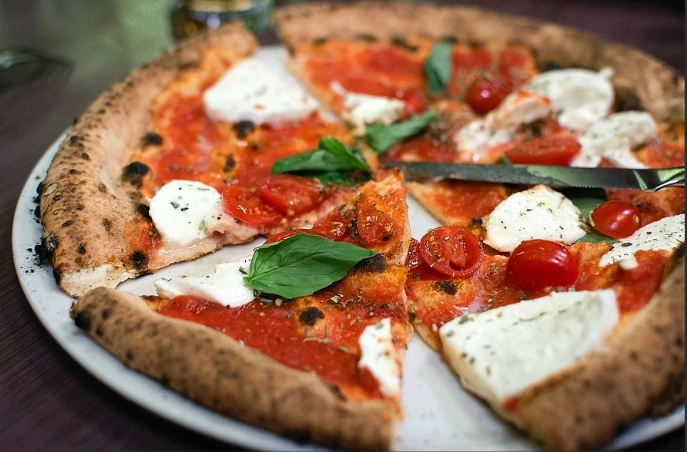
This is not just "Italian ice cream." It's a different product altogether. Gelato has less butterfat than American ice cream, is churned slower so it's denser, and is served at a slightly warmer temperature, making the flavors more intense. Authentic gelato uses natural ingredients—real pistachios, fresh fruit, high-quality chocolate.
How to spot the real deal? Look for muted, natural colors. Bright green pistachio or electric yellow banana gelato is a red flag. It should be stored in flat metal tins, not piled high in fluffy mounds (which often indicates added air and stabilizers). A walk with a gelato in hand is a core Italian experience.
Top 10: Parmigiano-Reggiano (The Cheese Itself)
I'm cheating a little here by naming an ingredient, but hear me out. Parmigiano-Reggiano is not just a topping. It's a cultural monument, a DOP-protected cheese aged for a minimum of 12 months (often 24, 36, or more). Its complex, nutty, savory flavor is the backbone of countless dishes, from pastas to risottos.
But it's also a food to be eaten on its own, in chunks, perhaps with a drop of aged balsamic vinegar or some pears. The texture, the crystallization, the depth of flavor change dramatically with age. The Consorzio del Formaggio Parmigiano-Reggiano oversees its strict production. To understand Italian food, you must understand this cheese. It deserves a spot on any list of essential Italian foods.
From the wood-fired ovens of Naples to the dairy farms of Emilia-Romagna, these top 10 Italian foods tell the story of a nation obsessed with quality, region, and tradition.
Going Deeper: A Quick Comparison Guide
To help visualize how these top 10 Italian foods fit into the broader culinary map, here's a quick look at their key characteristics.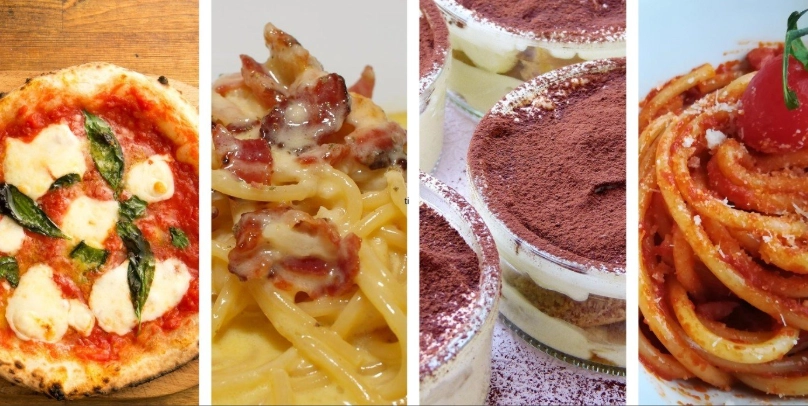
| Dish | Primary Region | Key Ingredients | What Makes It Special |
|---|---|---|---|
| Pizza Napoletana | Campania (Naples) | "00" Flour, San Marzano tomatoes, Mozzarella, Basil | Soft, charred crust cooked in 90 seconds in a wood-fired oven. Simplicity perfected. |
| Pasta Carbonara | Lazio (Rome) | Eggs, Pecorino Romano, Guanciale, Black Pepper | A creamy sauce without cream. The ultimate test of technique with few ingredients. |
| Risotto alla Milanese | Lombardy (Milan) | Carnaroli Rice, Saffron, Broth, Parmigiano-Reggiano | Slow-cooked, creamy texture. The luxurious use of saffron defines its color and flavor. |
| Lasagna alla Bolognese | Emilia-Romagna (Bologna) | Spinach Pasta, Meat Ragù, Béchamel, Parmigiano | Layered comfort food. Uses béchamel, not ricotta. Hearty and celebratory. |
| Osso Buco | Lombardy (Milan) | Veal Shanks, White Wine, Broth, Vegetables | Braised to fall-off-the-bone tenderness. The marrow is the prized treasure. |
See the pattern? Region defines ingredient, which defines the dish.
Answers to Your Burning Questions
When people ask "what are the top 10 Italian foods?" they usually have follow-up questions. Let's tackle some common ones.
How to Bring the Top 10 Italian Foods Into Your Kitchen
You don't need to move to Italy. Start with one dish. Master it. Get the right ingredients. For carbonara, find real guanciale (online if needed) and Pecorino Romano. For risotto, get proper Carnaroli rice and don't rush the stirring. For pizza, a pizza stone or steel in your home oven can get you close.
Resources like the websites of the Italian National Tourist Board often have authentic recipes. The key is respect for the original form before you start experimenting.
Remember: The goal isn't slavish imitation, but understanding. Once you know why carbonara uses guanciale and Pecorino, you understand its salty, punchy soul. Then you can cook with confidence.
So, what are the top 10 Italian foods? They're more than a list. They're a roadmap to a cuisine's heart. They're the dishes that have traveled the world for a reason, yet are deeply rooted in specific Italian soil. They remind us that great food comes from passion for place, respect for ingredient, and the simple joy of sharing a table. Start with these ten. Your next great meal is waiting.
Related Articles
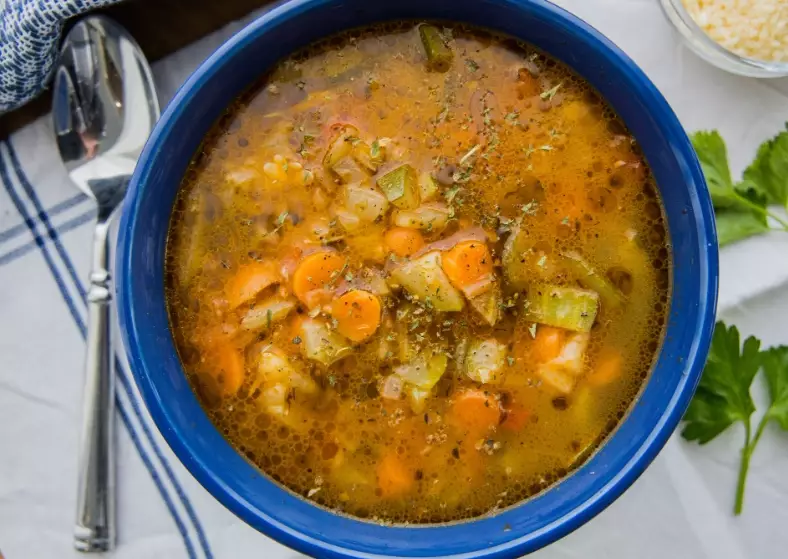
Easy Authentic Italian Minestrone Soup Recipe & Secrets
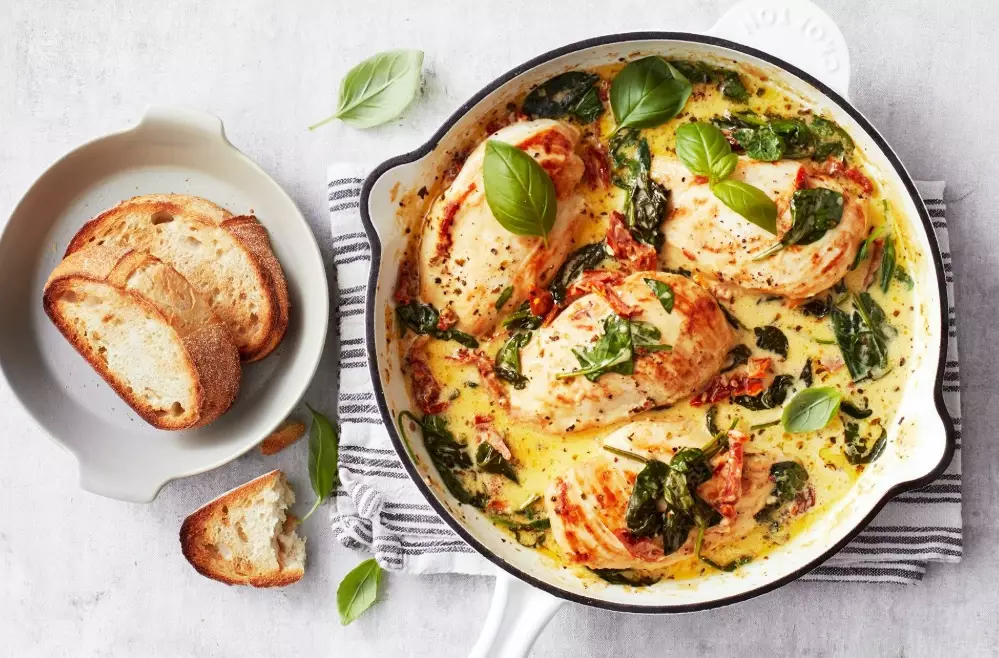
Authentic Italian Chicken Recipes: From Classic Pollo alla Cacciatora to Modern Favorites
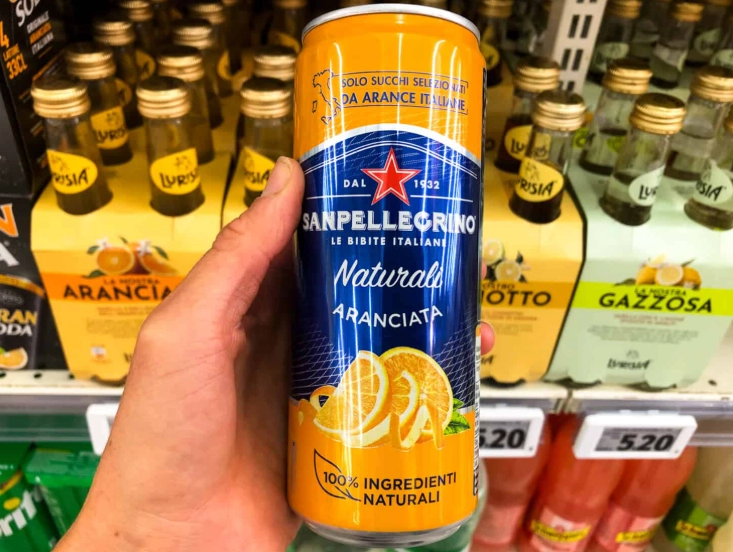
Discover the Best Non-Alcoholic Italian Drinks: From Aperitivo to Digestivo
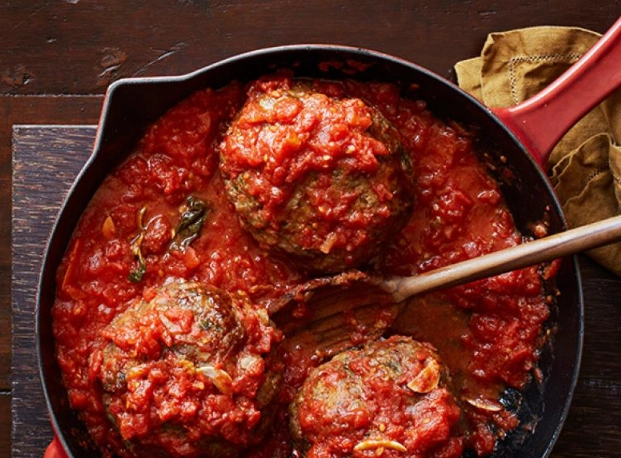
Master Italian Meatball Recipes: Secrets from Nonna's Kitchen

The reason for the surge in A-shares has been found! The Shanghai Composite Inde