Easy Braciole Recipe: Authentic Italian Beef Rolls Made Simple
Quick Navigation
Let's be honest. The first time I saw a picture of braciole, I thought it was some kind of culinary magic trick. Thin slices of beef, stuffed with a bunch of goodies, rolled up, seared, and then simmered in tomato sauce until it's fall-apart tender? It looked like something only my nonna could pull off, not a regular person with a regular kitchen on a regular Tuesday.
I was wrong.
After more attempts than I'd like to admit (we don't talk about the "dry log" incident), I finally cracked the code. Making an easy braciole recipe isn't about having secret skills; it's about knowing a few key things that most recipes gloss over. It's about simplifying the process without sacrificing that soul-warming, authentic Italian flavor. That's what this guide is for. I'm going to walk you through the whole thing, step-by-step, sharing the bumps I hit so you can glide right over them. Forget the intimidation. This braciole Italian recipe easy approach is totally doable.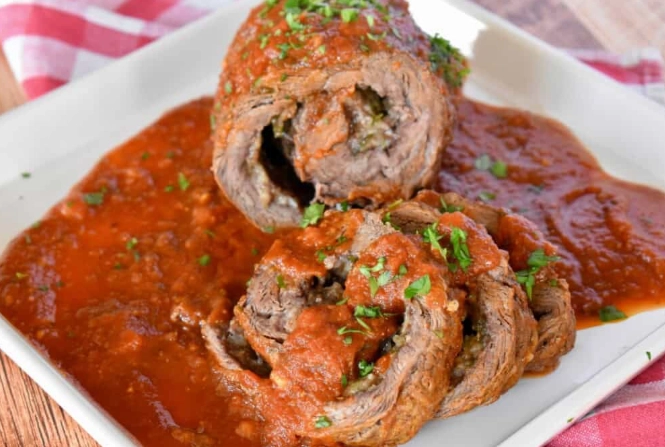
Braciole at a Glance: At its heart, braciole (pronounced bra-JHOLE or bra-SHOLE depending on the family) is a stuffed beef roll. It's a classic Southern Italian "secondo" (main course) that transforms an inexpensive cut of meat into a spectacularly flavorful centerpiece through slow braising. The sauce it cooks in becomes legendary.
What You *Actually* Need for Easy Braciole
This isn't a list of 50 ingredients. We're keeping it simple and focused on flavor. The beauty of a great easy braciole recipe is in the technique, not a laundry list of items.
The Beef: The Single Most Important Choice
Get this wrong, and you're fighting an uphill battle. You need a cut that's thin, has some fat for flavor, and becomes tender with long cooking.
- Top Round (My Go-To): This is the winner for an easy braciole Italian recipe. Ask your butcher to slice it into 1/4-inch thick pieces. If they look at you blankly, just ask for "braciole cuts." They'll know. It's lean but becomes wonderfully tender when braised.
- Flank Steak: A great alternative. It has more inherent flavor and a nice grain. Pound it gently if it's too thick.
- Skip These: Filet mignon (too expensive and lean), stew meat (wrong shape), or anything pre-cut for stir-fry (too thin).
Here’s a quick comparison I wish I had when I started:
| Cut of Beef | Best For Braciole? | Why It Works (or Doesn't) | Pro Tip |
|---|---|---|---|
| Top Round | Yes - Ideal | Lean, even thickness, absorbs flavors perfectly, becomes fork-tender. | Ask the butcher to slice it for you. Saves time and ensures perfect thickness. |
| Flank Steak | Yes - Great | More beefy flavor, good texture. Can be a bit chewy if not sliced thinly *against* the grain. | Look for a wider piece for easier rolling. Score the surface lightly if it's thick. |
| Sirloin Tip | Maybe | Can work if sliced very thin. Can be less tender than top round. | Only use if it's the only thing available. Pound it well. |
| Pre-Packaged "Braciole Meat" | Proceed with Caution | Convenient, but often uneven in thickness and size. Check quality. | Inspect the pieces. You may need to pound some to even them out. |
The Filling: Where the Personality Lives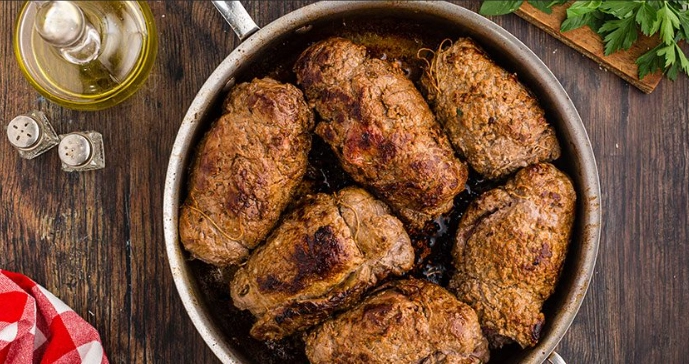
This is where you can play. The classic trio is breadcrumbs, cheese, and herbs. But let's build a flavor bomb.
- Breadcrumbs: Use plain, dry breadcrumbs. Panko works in a pinch but can be a bit too coarse. I toast my own stale bread and pulse it in the food processor. The difference is noticeable.
- Cheese: Pecorino Romano is traditional (salty, sharp). Parmigiano-Reggiano is a bit milder and nuttier. I use a 50/50 mix. The pre-grated stuff in a canister? It doesn't melt the same way. Please, just grate it fresh.
- Herbs: Fresh flat-leaf parsley is non-negotiable. Dried just tastes like dust here. A little fresh basil or oregano is lovely if you have it.
- The Flavor Boosters (My Secret Weapons):
- Garlic: Minced finely. Lots of it.
- Pine Nuts & Raisins: Sounds weird, I know. This is a Sicilian touch ("Braciole alla Siciliana"). The sweet and savory, crunchy and chewy combo is incredible. If you're skeptical, try it on just one roll first. It changed my mind.
- Prosciutto or Pancetta: A thin layer laid on the beef before the breadcrumb mix adds a layer of salty, porky goodness that permeates the whole roll.
The Step-by-Step: No-Fail Braciole Assembly
This is where an easy braciole recipe earns its name. It's not hard, it's just a sequence. Follow this.
1. Prepping the Beef
Lay your beef slices on a cutting board. If they aren't an even 1/4-inch thick, place them between two pieces of plastic wrap and gently pound them with a meat mallet, rolling pin, or even a heavy pan. Don't turn them into paste; you just want them even. Season lightly with salt and pepper. This base seasoning is crucial.
2. Building the Roll
Imagine a rectangle in front of you. Spread a thin layer of filling, leaving a 1-inch border at the far end. If using prosciutto, lay that down first. You don't want a mountain of filling—it will all squish out. A modest, even layer is key. Scatter your pine nuts and raisins if using.
Now, roll it up tightly, starting from the end closest to you. Tuck in the sides as you go, like you're rolling a burrito. You want a compact cylinder.
3. Securing the Deal
Butcher's twine is the traditional, foolproof method. Tie a piece around the middle, then one near each end. If you don't have twine, you can use toothpicks—insert several parallel to the seam to pin it closed. I find twine gives a neater shape and is easier to remove later. Don't skip this step! A loose roll will unravel in the sauce, and your filling will vanish.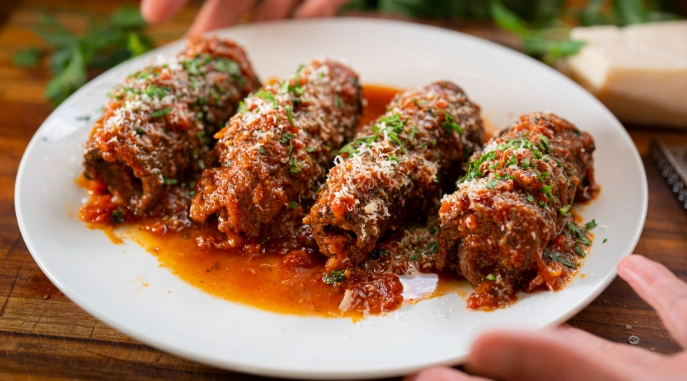
My Messy Truth: My first time, I tried to use sewing thread. Big mistake. It melted and snapped. Just get a $3 roll of kitchen twine. It's a game-changer for making this braciole Italian recipe easy.
Cooking: The Transformative Simmer
This is the magic. The sear gives flavor, the braise gives tenderness.
The Sear
Heat a couple tablespoons of olive oil in a heavy-bottomed pot or Dutch oven over medium-high heat. Pat your braciole rolls dry—this is important for a good sear. Brown them on all sides. Don't crowd the pan; do it in batches if needed. You're not cooking them through, just creating a gorgeous, flavorful crust. This step builds the foundation for your sauce. Remove the rolls and set aside.
The Sauce & The Braise
In the same pot, you'll see lovely browned bits (fond). That's flavor gold. Add a chopped onion and let it soften. Add a few cloves of minced garlic for 30 seconds until fragrant. Then, pour in a good-quality canned crushed tomato. I like San Marzano tomatoes for their sweet, less acidic flavor. Stir, scraping up all the fond from the bottom of the pot.
Nestle the seared braciole rolls back into the sauce. They should be mostly submerged. Bring to a very gentle simmer—a few lazy bubbles. Then, cover and reduce the heat to low.
And now, you wait. This is the "easy" part. Let it simmer gently for at least 1.5 to 2 hours. The low, slow heat breaks down the tough fibers in the meat, making it incredibly tender, and lets all the flavors from the filling melt into the sauce. The sauce thickens and becomes something you'll want to eat with a spoon.
Halfway through, give it a gentle stir and check the liquid level. If it looks too thick, add a splash of water or beef broth.
Serving & The Leftover Miracle
Carefully remove the braciole to a cutting board. Let them rest for 5-10 minutes. Snip off the twine or remove the toothpicks. Slice each roll into 1-inch thick pinwheels—the reveal of the spiral filling is always a showstopper.
Serve over a bed of pasta (the sauce is now legendary) with extra grated cheese. A simple green salad on the side cuts the richness.
But here's the real secret: braciole is arguably better the next day. The flavors deepen and marry in the fridge. Reheat it gently on the stove. It's one of the best meal prep dishes I know. This easy braciole recipe isn't just for Sunday dinner; it's for savvy cooks who want amazing leftovers.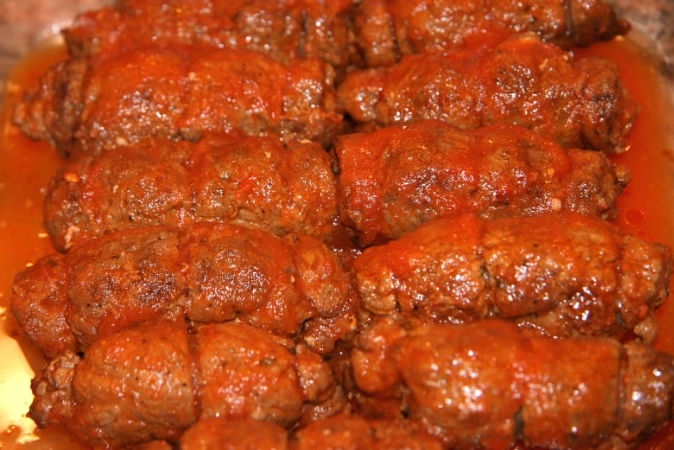
Your Braciole Questions, Answered
I've gotten a lot of questions from friends I've taught this to. Here are the big ones.
Wrapping It Up (Pun Intended)
So, there you have it. My no-BS guide to making a truly satisfying, impressively delicious, and genuinely easy braciole recipe. It's not about fancy skills; it's about patience, good ingredients, and trusting the process. That long simmer is therapeutic. Your house will smell incredible.
Don't be afraid to make it your own. Hate raisins? Leave 'em out. Love spicy? Add some red pepper flakes to the filling. The framework is forgiving. The goal is to get a comforting, spectacular dish on your table without the stress. Once you realize how straightforward this braciole Italian recipe easy method is, you'll wonder why you didn't try it sooner.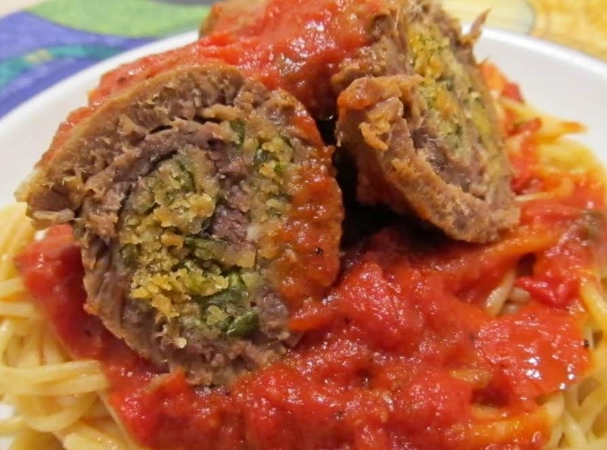
Go buy some top round, some cheese, and some twine. Your future self, especially the one eating the leftovers on Wednesday, will thank you.
Related Articles

Ultimate Guide to Best Italian Appetizer Recipes for Any Occasion
Easy Italian Holiday Dinner Recipes: Stress-Free Feasts for Any Celebration

Why did China Resources take over Tasly?

Three years and five visits to the Hong Kong Stock Exchange, can Wumart realize
Chopped Italian Sandwich Recipe: Step-by-Step Homemade Guide