Italian Seasoning in Minestrone Soup: The Authentic Herb Blend Explained
Your Minestrone Seasoning Roadmap
- The Core Quartet: The Non-Negotiables
- Beyond the Basics: The Supporting Cast
- Fresh vs. Dried: The Great Herb Debate
- The "Bouquet Garni" vs. The Sprinkle
- A Practical Guide: Building Your Own Blend & When to Add It
- Store-Bought vs. Homemade: A Clear Comparison
- Putting It All Together: The Philosophy of Minestrone Seasoning
Let's be honest. You've probably stood in the spice aisle, stared at a jar labeled "Italian Seasoning," and wondered what exactly is in it. And if you're trying to make a real minestrone, that question becomes urgent. What is the Italian seasoning in minestrone soup that makes it taste so uniquely comforting and, well, Italian? Is it just that pre-mixed jar? The answer is a bit more interesting—and delicious—than that.
I remember the first time I tried to make minestrone from a recipe that just said "add Italian herbs." My soup tasted flat, a bit generic. It wasn't bad, but it wasn't the vibrant, aromatic bowl I'd had in a little trattoria in Bologna. That experience sent me down a rabbit hole, talking to cooks, reading old cookbooks, and tasting a lot of soup. What I found is that the "Italian seasoning" in minestrone isn't a single, fixed thing. It's a concept, a family of herbs that work together. And getting it right transforms the soup from a vegetable stew into a masterpiece.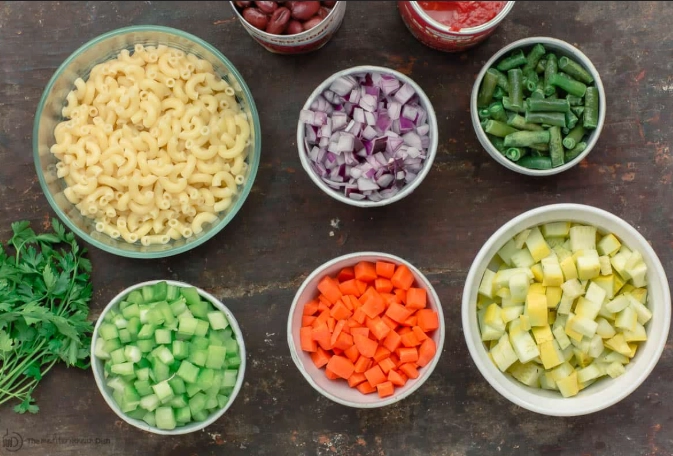
So, let's ditch the vague instructions. We're going to dig into the specific herbs, the classic combinations, and the little secrets that make the seasoning blend work. Whether you're using a store-bought mix or building your own from scratch, understanding the components is the key.
The Core Quartet: The Non-Negotiables
If you ask an Italian nonna about the soul of minestrone seasoning, she'll likely point to four foundational herbs. These are the ones you'll find in nearly every traditional recipe, from the north to the south, with variations in proportion. They form the base answer to what is the Italian seasoning in minestrone soup.
- Oregano: This is the backbone. It's earthy, slightly bitter, and pungent. Dried oregano is actually more traditional here than fresh because its flavor stands up to long, slow cooking. It infuses the broth with a warm, familiar depth. Too much, though, and it can taste medicinal—a common mistake.
- Basil: The sweet counterpoint. Basil brings a bright, anise-like sweetness that lifts the entire soup. Fresh basil is ideal, often added at the end to preserve its volatile oils. But good-quality dried basil has its place, especially if you're simmering the soup for hours; it provides a more muted but foundational sweetness.
- Thyme: The subtle complexity. Thyme is less aggressive than oregano. It adds a gentle, woodsy, almost floral note that weaves through the other flavors without dominating. Its tiny leaves release flavor slowly, making it perfect for long simmers.
- Rosemary: The piney punch. Used sparingly! A single sprig or half a teaspoon of dried needles is often enough for a large pot. Rosemary is powerful and resinous. It cuts through the richness of beans and vegetables with a clean, sharp aroma. I once overdid the rosemary, and my minestrone tasted like a forest floor in the best and worst way—overwhelming.
These four are the undisputed champions. You'll see them in the commercial "Italian Seasoning" blends, but the problem with those jars is the balance. They're formulated for a generic use. Minestrone has its own personality, and sometimes you need to adjust the ratios.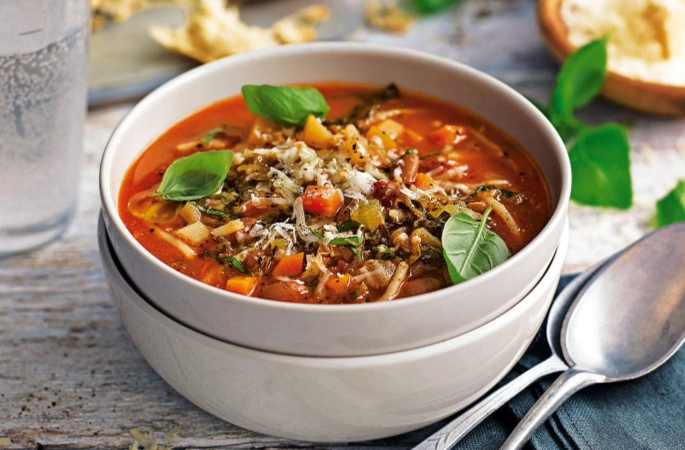
Beyond the Basics: The Supporting Cast
Now, here's where regionality and personal taste come in. The core four get help from a rotating cast of other aromatic players. This is where you can really customize your soup and explore different answers to what is the Italian seasoning in minestrone soup in various parts of Italy.
The Aromatic Additions
You might find these in many recipes:
- Bay Leaf: A single dried bay leaf simmered with the broth adds a subtle, almost minty depth. Crucial to remove it before serving—nobody wants to bite into that.
- Parsley: Almost always fresh flat-leaf parsley. It's less of a simmering herb and more of a fresh finish. Chopped and scattered on top, it adds a clean, grassy brightness that contrasts beautifully with the deep, cooked flavors.
- Garlic: Okay, it's not an herb, but it's absolutely essential to the seasoning *profile*. Sautéed slowly in olive oil until fragrant (never browned to bitterness) is the first step to building flavor in the pot.
- Red Pepper Flakes (Peperoncino): A tiny pinch. Not for heat, per se, but for a gentle, warm tingle in the background that activates the other flavors. It's a secret weapon many home cooks swear by.
The Regional Wildcards
Travel across Italy, and you'll encounter local twists:
- In the North (Lombardy, Piedmont): You might find a whisper of sage. Its savory, slightly peppery note pairs wonderfully with the butter and beans common in northern Italian cooking. A single small leaf is plenty.
- In the South (Campania, Sicily): Marjoram is a favorite. It's like oregano's sweeter, gentler cousin and is often used fresh. It complements the more tomato-forward minestrones you find down south.
So, when someone asks what is the Italian seasoning in minestrone soup, you can see it's a layered conversation between these herbs. It's about building a flavor profile, not just dumping in a tablespoon of a pre-mix.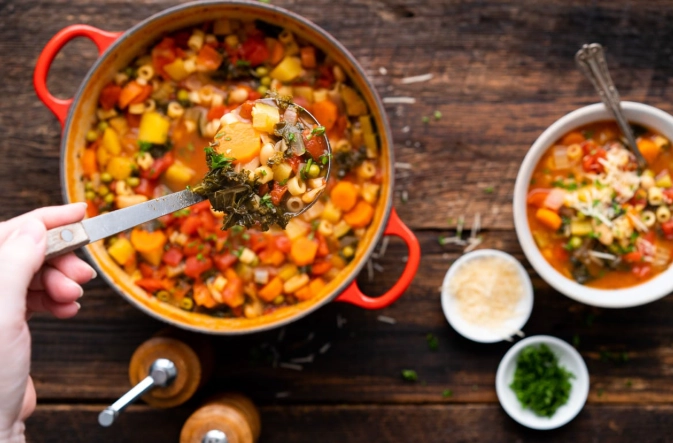
Fresh vs. Dried: The Great Herb Debate
This is a huge point of confusion. Which is better for minestrone? The truth is, you need both, but for different jobs.
Dried Herbs (Oregano, Thyme, Rosemary): Their flavors are concentrated and stable. They release their essence slowly over hours of cooking, which is ideal for building the foundational flavor of the broth. They're also more consistent year-round. A good resource on the science of drying herbs and their culinary use can be found on the Institute of Food Technologists website, which discusses how drying affects flavor compounds.
Fresh Herbs (Basil, Parsley, Marjoram): They are vibrant, bright, and packed with volatile oils that cook off quickly. They are best used as a *finish*. Stirring in a handful of torn fresh basil and parsley just before serving adds a burst of aroma and flavor that dried herbs simply cannot replicate. It makes the soup taste alive.
My personal strategy? I use dried oregano, thyme, and a bit of rosemary during the simmer. Then, I make a "gremolata" of sorts—finely minced fresh parsley, basil, and a bit of lemon zest—and stir half of it in right after turning off the heat, reserving the rest for topping each bowl. It bridges the cooked and fresh flavors perfectly.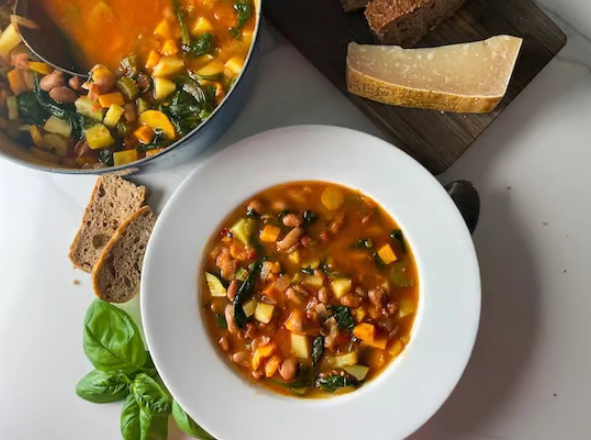
The "Bouquet Garni" vs. The Sprinkle
How you physically add the herbs matters almost as much as which herbs you choose.
The Bouquet Garni (Herb Bundle): This is the classic French technique adopted by many Italian cooks for long-simmered dishes. You tie dried bay leaves, peppercorns, parsley stems, thyme sprigs, and maybe a piece of rosemary together with kitchen twine or enclose them in a cheesecloth sachet. You drop the bundle into the pot and remove it after cooking. The advantage? You get all the flavor without any stray herb bits floating in your soup. It's clean, elegant, and allows for easy removal so flavors don't become overpowering.
The Direct Sprinkle: Simply sprinkling the dried herbs into the pot. It's easier and more common. The herbs become part of the soup's texture. The downside? You can't take them out. If you've miscalculated the amount of rosemary, you're stuck with it. The herbs also continue to release flavor, which can become bitter if the soup sits overnight.
For a truly clear, refined broth where the vegetables are the star, I prefer the bouquet garni. For a rustic, hearty, "everything in the pot" kind of minestrone, the sprinkle works just fine. It's a matter of the soup's style you're aiming for.
A Practical Guide: Building Your Own Blend & When to Add It
Let's get practical. Here’s a simple, balanced homemade minestrone seasoning mix you can make in bulk. It's far superior to most store-bought versions because you control the quality and ratio.
Combine the following in a small jar. Makes about 1/2 cup.
• 3 tablespoons dried oregano
• 2 tablespoons dried basil
• 2 tablespoons dried thyme
• 1 tablespoon dried rosemary, finely crumbled
• 1 teaspoon dried marjoram (optional, for a sweeter note)
• 1 teaspoon garlic powder (not garlic salt!)
• 1/2 teaspoon crushed red pepper flakes
• 2-3 crumbled dried bay leaves
Now, the timing. This is critical. Adding all your seasoning at the wrong time is a recipe for blandness or bitterness.
- The Foundation (Soffritto Stage): After you've sautéed your onions, carrots, and celery (the *soffritto*), add the dried herbs (or your bouquet garni). Let them sizzle in the olive oil for just 30-60 seconds. This "blooms" the herbs, toasting their oils and locking their flavor into the fat, which then coats every vegetable and bean you add next. This one step makes a world of difference.
- The Simmer: As the soup simmers, the herbs from the foundation will continue to meld and deepen.
- The Finish: In the last 2-3 minutes of cooking, stir in any fresh, delicate herbs like basil or parsley that you want to incorporate into the broth itself.
- The Garnish: Have extra fresh herbs, a drizzle of good extra virgin olive oil, and maybe some grated Parmigiano-Reggiano ready for topping each bowl. The Consorzio del Formaggio Parmigiano-Reggiano official site is a great resource for understanding this key finishing ingredient.
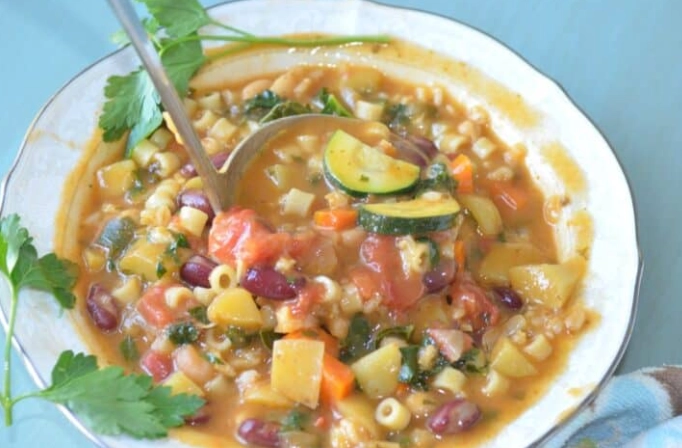
Store-Bought vs. Homemade: A Clear Comparison
Is it okay to just use that jar from the store? Sure, in a pinch. But let's look at what you're really getting. This table breaks it down, which I find helpful when I'm deciding whether to grab my own jars or the pre-mix.
| Aspect | Store-Bought "Italian Seasoning" | Homemade Minestrone Blend |
|---|---|---|
| Flavor Profile | Generic, designed for pasta, pizza, chicken. Can be dull or overly salty if it contains salt/fillers. | Tailored specifically for the earthy, savory, long-cooked profile of minestrone. |
| Freshness & Potency | Often sits on shelves for months. Herbs may be old, losing volatile oils. | You control the quality and age of each dried herb. Maximum potency. |
| Customization | None. You get the factory's blend. | Full control. Prefer more thyme? Less rosemary? Add sage? Go for it. |
| Cost | Seems cheaper upfront. | Cheaper per use in the long run. Buying individual herbs in bulk is economical. |
| Convenience | Extremely convenient. Just unscrew the lid. | Requires 5 minutes of mixing once, then you have a jar ready for months. |
My take? Keep a store-bought jar for emergencies, but if you're serious about your soup, make a batch of the homemade blend. The flavor difference is night and day. It directly answers the quest for what is the Italian seasoning in minestrone soup with quality and intention.
Answering Your Minestrone Seasoning Questions (FAQ)
I get a lot of questions about this topic. Here are the most common ones, based on what people are actually searching for.
You can, but you shouldn't. Oregano alone will make the soup one-dimensional and can lean bitter. It needs the sweetness of basil and the complexity of thyme to round it out. Think of it as a band—you need more than just a drummer.
No problem! Rosemary is strong and polarizing. Omit it entirely and add a tiny bit more thyme. A small pinch of fennel seeds (crushed) can also add an interesting, different kind of aromatic depth that works well with beans and tomatoes.
No! This is a crucial difference. Herbes de Provence is a French blend that often contains lavender, which would be very strange in minestrone. While they share some herbs like thyme and rosemary, the profiles are distinct. Stick to Italian-focused blends. The Accademia Italiana della Cucina is an institution dedicated to preserving authentic Italian culinary traditions, highlighting the importance of these regional distinctions.
Probably not "bad," but you may have used too much of a potent herb (like oregano or rosemary) or added them at too high a heat, causing them to scorch slightly. Bitter greens like kale added too early can also contribute. Next time, try blooming the herbs gently and use a lighter hand with oregano/rosemary.
Absolutely, and it's a fantastic technique for a quick soup. Chop fresh parsley, basil, rosemary, and thyme finely. Mix with a generous glug of olive oil, a minced garlic clove, and a pinch of salt to form a coarse paste. Stir this into your soup after the vegetables have softened but before adding all the broth. Let it cook for a minute to mellow the garlic. It's a burst of fresh flavor.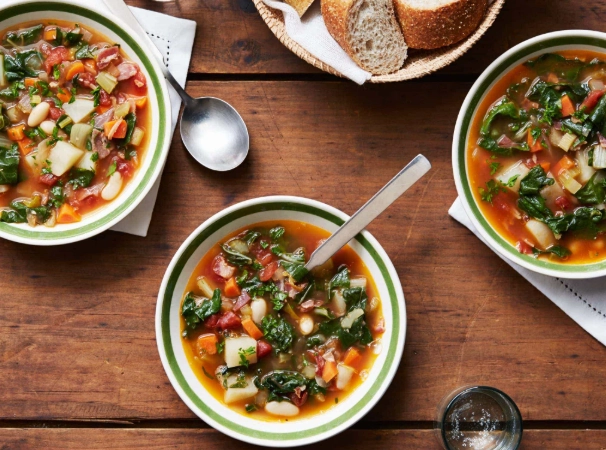
Putting It All Together: The Philosophy of Minestrone Seasoning
After all this, I hope the answer to what is the Italian seasoning in minestrone soup feels clearer, yet also more expansive. It's not a secret code or a single proprietary mix. It's an approach.
The goal is harmony. The seasoning should support the vegetables, beans, and pasta or rice—not overpower them. It should create a background melody of earthy, sweet, and aromatic notes that makes you want another spoonful. It's about building layers: the deep, cooked-in flavor from dried herbs bloomed in oil, and the bright, lively finish from fresh herbs added at the last moment.
So, go to your kitchen. Smell your dried oregano. Crush some dried thyme. Snip some fresh basil. Start with the core four, respect the difference between dried and fresh, and don't be afraid to adjust. Your perfect answer to what is the Italian seasoning in minestrone soup is waiting for you in the pot.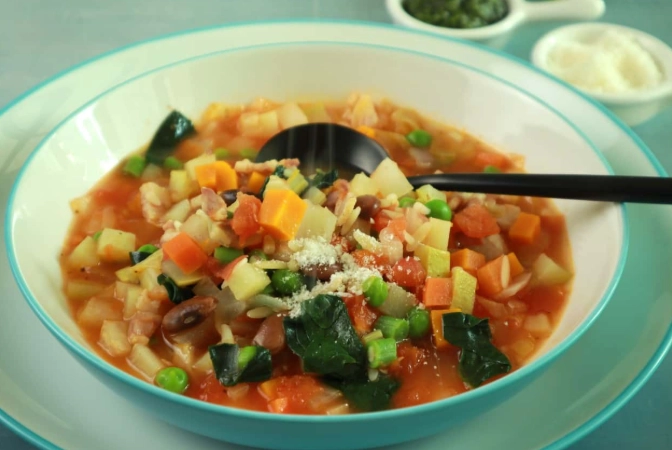
And remember, the final, non-negotiable seasoning for any minestrone is a generous drizzle of the best extra virgin olive oil you have, right on top in the bowl. That's the true Italian finish.
Related Articles
Hearty Italian Sausage Soup Recipe: Easy & Flavorful Comfort Food
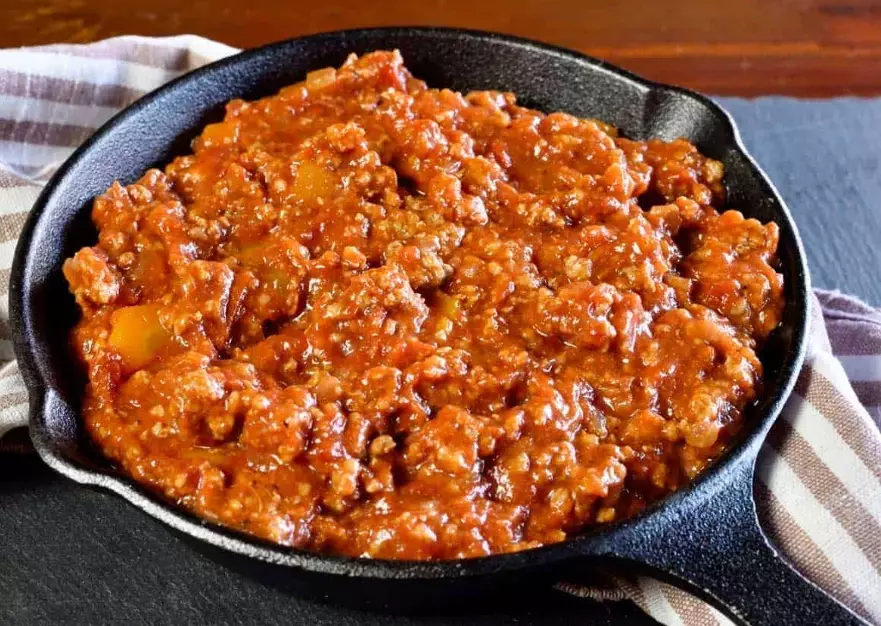
Authentic Italian Bolognese Recipe: The Real Ragù from Bologna
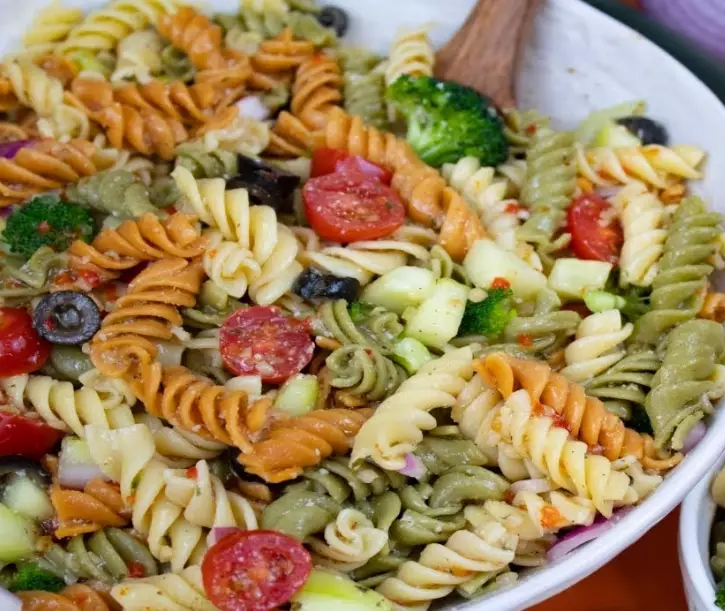
The Ultimate Zesty Italian Pasta Salad Recipe (Make-Ahead & Crowd-Pleasing)
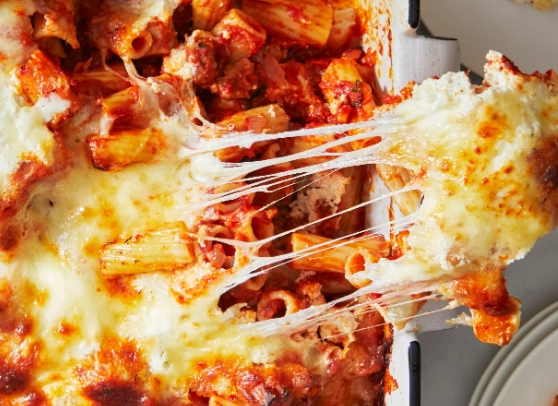
Ultimate Guide to Classic Italian Baked Pasta Dishes

Easy to Make Italian Food Recipes: Delicious & Quick Meals