Authentic Italian Minestrone Soup Recipe (Vegetarian) - Hearty & Classic
Quick Guide
Let's be honest. You've probably had minestrone before. Maybe from a can, or a vague "Italian-inspired" soup at a chain restaurant. It was fine. A bit mushy, maybe a little bland, a generic vegetable soup with some pasta thrown in. But then, maybe you had a moment—a trip to Italy, a meal at a nonna's house, a tiny trattoria somewhere—where you tasted something completely different. A soup that was hearty, complex, deeply savory, and yet somehow bright and fresh. A soup where every vegetable still had a bit of personality, and the broth was something you wanted to drink on its own. That's the authentic Italian minestrone soup experience. And guess what? The authentic Italian minestrone soup recipe vegetarian style is not only possible, it's arguably the way it was often made for centuries in many homes—a "cucina povera" (poor kitchen) masterpiece built from the garden and the pantry.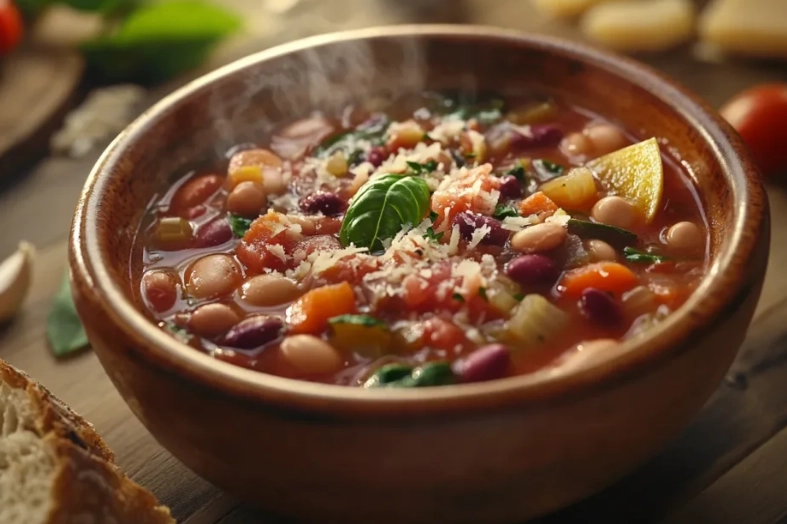
I remember trying to replicate that taste at home for years. I'd throw every vegetable I had into a pot, add water and a stock cube, and hope for the best. It was never right. Always missing depth, missing that rich, almost creamy body without any cream. It took me talking to a friend from Lombardy and reading some old Italian cooking resources to realize I was breaking a few fundamental rules. This soup has a logic, a rhythm. It's not a dump-and-stir affair.
So, if you're tired of lackluster vegetable soup and want the real, soul-warming deal, you're in the right place.
This isn't just a recipe. It's a deep dive into the why behind the steps. We'll talk about the history (briefly, I promise), the non-negotiable ingredients, the techniques that build flavor layer by layer, and how to adapt it with what you have. Because that's the true spirit of an authentic Italian minestrone soup recipe—it's a guide, a framework, not a rigid command.
What Makes a Minestrone *Actually* Authentic?
First thing to clear up: there is no single, universal recipe. Italy's regions feud over their versions. Northern versions might use rice or barley, have a richer base with butter. Central and Southern ones are more likely to feature pasta, tomatoes, and olive oil. The version we're building is a classic, widely accepted blueprint—a vegetarian minestrone soup that leans on the heart of Italian home cooking.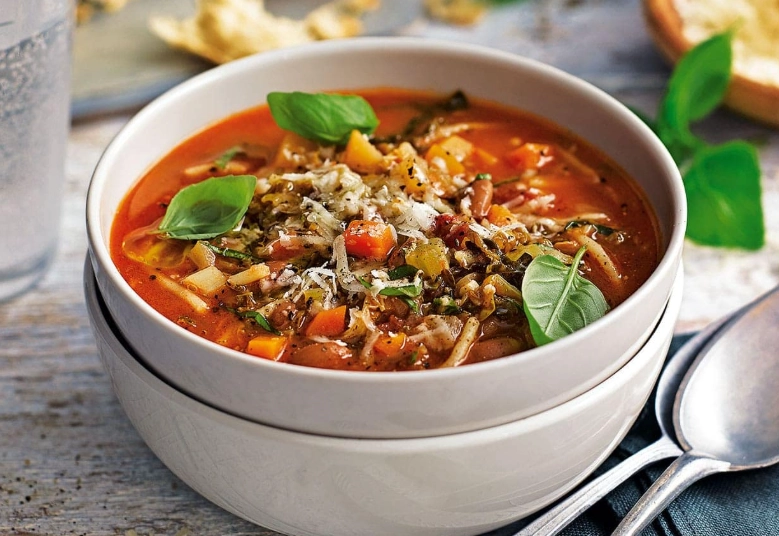
The key pillars of authenticity are:
- The Sofritto: This is the flavor foundation of so many Italian dishes. It's not just chopped onions. It's a gentle, patient sauté of finely diced onion, carrot, and celery in good olive oil until they're soft, sweet, and fragrant. Rushing this step is the first major mistake.
- Layered Cooking: You don't add all vegetables at once. Hard, dense veggies (carrots, celery, potatoes) go in early to soften and flavor the broth. More delicate ones (zucchini, green beans) go later to retain texture and color. Leafy greens go last minute.
- The Broth is King: For a vegetarian minestrone soup, the broth can't be an afterthought. A good homemade vegetable broth is ideal. If you must use store-bought, choose a low-sodium one and we'll boost it. Water just won't cut it for depth.
- Umami Boosters: Traditional meat-based minestrone gets depth from pancetta or a Parmigiano rind. Our vegetarian version needs clever substitutes: tomato paste (cooked until it darkens a bit), a piece of Parmesan rind (strictly vegetarian if needed, or use a piece of dried mushroom), or a spoonful of white miso paste stirred in at the end (a non-traditional but brilliant cheat).
- The Pasta or Rice: It's added to the soup, not cooked in it from the start (or you get a starchy, bloated mess). Cook it separately, al dente, and add it to each bowl. This keeps leftovers from turning into a solid brick.
"Minestrone" comes from "minestra," meaning soup, with the "-one" suffix implying "big" or "great." So it's literally "the big soup." It was designed to be substantial, a meal in itself, using what was seasonal and abundant.
The Essential Ingredients for Your Vegetarian Minestrone
Think of this as a seasonal canvas. Here's the core cast of characters. Don't panic if you're missing one or two.
The Flavor Base (Soffritto)
- Extra Virgin Olive Oil: Use the good stuff for sautéing. It matters.
- Yellow Onion: 1 large, finely diced.
- Carrots: 2 medium, finely diced.
- Celery: 2 stalks, finely diced.
- Garlic: 2-3 cloves, minced.
The Vegetable Cast (Choose Seasonal)
- Potatoes: 1 large, peeled and diced. They break down a little and thicken the soup nicely.
- Seasonal Squash: Zucchini in summer, butternut or pumpkin in fall/winter, diced.
- Green Beans: A handful, trimmed and cut into 1-inch pieces.
- Cabbage or Kale: Savoy cabbage is classic, finely shredded. Tuscan kale (cavolo nero) is also superb, chopped.
- Tomatoes: 1 can (14 oz) of whole peeled San Marzano tomatoes, crushed by hand. Or 2-3 fresh ripe tomatoes, peeled and chopped in season.
- Tomato Paste: 1-2 tablespoons. This is our umami secret weapon.
The Liquid & Seasoning
- Vegetable Broth: 6-8 cups. Homemade is king. A resource like Academia Barilla, a respected authority on Italian cuisine, emphasizes the importance of quality base ingredients. If buying, look for one with a clear, not overpowering, flavor.
- Parmigiano-Reggiano Rind: (Optional but magical). Toss it in the pot while simmering. Remove before serving.
- Herbs: A few sprigs of fresh rosemary and thyme, tied together. Or 1 tsp dried Italian herbs.
- Salt & Black Pepper: Season in layers.
The Finish
- Small Pasta: Ditalini, small shells, orzo. OR Arborio Rice for a Northern twist.
- To Serve: More extra virgin olive oil, freshly grated Parmigiano-Reggiano or a vegetarian alternative, and fresh chopped parsley or basil.
The Step-by-Step Method: Building Flavor, Not Just Boiling Veg
This is where the magic happens. Read through once before you start.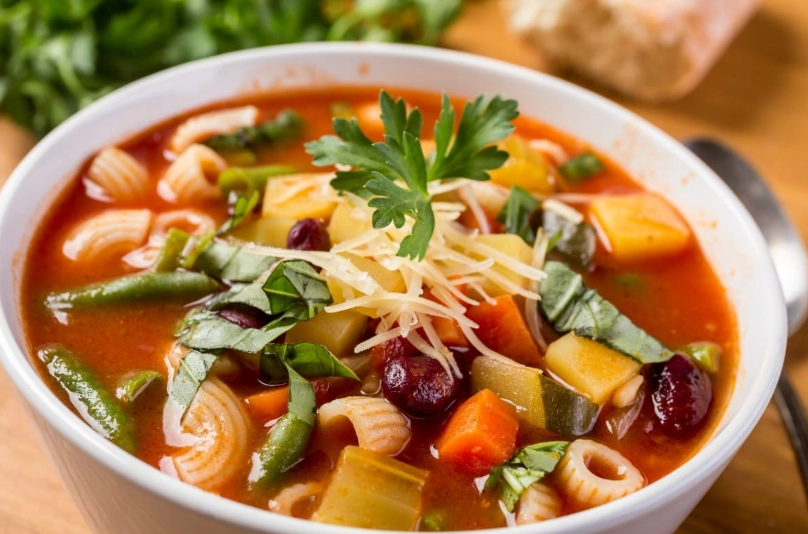
Step 1: The Sacred Sofritto. In a large, heavy-bottomed pot (like a Dutch oven), heat a generous 1/4 cup of olive oil over medium-low heat. Add the diced onion, carrot, and celery with a pinch of salt. Cook, stirring occasionally, for a good 10-15 minutes. You want them soft, translucent, and sweet, not browned. This step builds the foundational flavor for your entire authentic Italian minestrone soup recipe vegetarian pot.
Step 2: Umami Layer. Push the sofritto to the side. Add the tomato paste to the cleared spot in the pot. Let it cook for 1-2 minutes until it darkens slightly and smells fragrant. This cooks out the raw tinny taste and deepens its flavor. Then stir it into the vegetables.
Step 3: Add Garlic & Hard Veg. Add the minced garlic, stir for 30 seconds until fragrant. Now add the diced potatoes. Stir to coat in the flavorful oil. Let them cook for about 3-4 minutes.
Step 4: Deglaze & Simmer. Add the crushed tomatoes with their juice. Scrape up any bits stuck to the bottom—that's flavor. Add the vegetable broth, the Parmesan rind (if using), and the herb bundle. Bring to a gentle boil, then reduce heat to a low simmer. Partially cover and let it bubble away for about 20 minutes.
Patience here is key. Let the potatoes start to soften and the flavors marry.
Step 5: The Second Wave of Veg. After 20 minutes, add the zucchini and green beans. These need less time. Continue to simmer for another 15-20 minutes.
Step 6: The Final Touches. Stir in the shredded cabbage or kale and the beans (if using canned, drained and rinsed). Cook for just 5-7 more minutes until the greens are wilted but still vibrant. Discard the herb bundle and Parmesan rind. Taste! This is when you adjust salt and pepper. If it tastes a bit flat, a tiny pinch of red pepper flakes or a splash of good vinegar (like sherry vinegar) can work wonders.
Step 7: The Pasta/Rice. Crucially, cook your pasta or rice separately according to package directions until al dente. Drain it. Add a portion to each bowl, then ladle the hot soup over the top. This keeps the pasta perfect and prevents the soup from becoming thick and starchy in the fridge.
Step 8: Serve. Drizzle each bowl with a final thread of your best extra virgin olive oil, a generous sprinkle of grated cheese, and some fresh herbs. Serve with crusty bread.
Your Minestrone Toolbox: Swaps, Tips, and Fixes
This table should answer most of your "Can I use...?" questions. The beauty of an authentic vegetarian minestrone soup is its flexibility.
| Ingredient Question | Suggested Swap or Tip | Why It Works |
|---|---|---|
| No fresh herbs? | Use 1 tsp dried oregano or Italian seasoning added with the tomatoes. Add a bay leaf while simmering. | Dried herbs release flavor during long cooking. A bay leaf adds a subtle, classic background note. |
| Broth too weak? | Simmer the soup uncovered for 10-15 min to concentrate. OR stir in 1 tsp white miso paste or 1 tbsp nutritional yeast at the end. | Reduction intensifies flavor. Miso/nutritional yeast add savory, cheesy depth without dairy. |
| Too acidic? | Add a pinch of sugar or a small grated carrot. A splash of olive oil can also mellow it. | Balances the tomato acidity naturally. Fat rounds out sharp flavors. |
| Want it creamier? | Blend 1-2 cups of the finished soup (mostly vegetables, little broth) and stir it back in. | Thickens the soup body naturally without flour or cream, keeping it authentic and vegetarian. |
| No Parm rind? | Add a small piece of dried porcini mushroom (soaked first, use the soaking liquid in the broth) or a strip of lemon zest. | Porcini adds intense umami. Lemon zest adds a bright, clean top note that complements vegetables. |
| Gluten-free? | Use rice (like Arborio), quinoa, or a certified gluten-free small pasta. Check your broth label. | Easy adaptation that doesn't sacrifice heartiness. Arborio rice makes it very Northern Italian. |
Answering Your Minestrone Questions (FAQ)
Can I make this authentic Italian minestrone soup recipe vegetarian in a slow cooker or Instant Pot?
You can, but you lose some control. For a slow cooker: Do the sofritto and tomato paste step on the stove first—this is non-negotiable for flavor. Then transfer everything except the delicate greens and pasta to the slow cooker. Cook on low 6-8 hours. Add greens last 30 minutes. For Instant Pot: Use sauté function for sofritto. Add everything except greens and pasta. Pressure cook on high for 8-10 minutes, quick release. Add greens, use sauté to wilt. Still cook pasta separately. Honestly, I prefer the stovetop for this one. You have more feel.
How do I store and reheat it without it becoming mush?
This is huge. Store the soup separately from the cooked pasta/rice. Keep them in different containers in the fridge for up to 4 days. The soup itself often tastes better the next day! Reheat the soup portion gently on the stove. Then add freshly cooked or reheated pasta to your bowl. If you've already mixed them, reheating will turn the pasta to glue. It's a lesson I learned the hard way with a pot of ruined leftovers.
Is this soup freezer-friendly?
Absolutely, and it's a fantastic freezer meal. Again, freeze the soup base only, without pasta or rice. Let it cool completely, portion into airtight containers or freezer bags, leaving some headspace. It'll keep for 3 months. Thaw overnight in the fridge and reheat on the stove. Cook fresh pasta when you're ready to eat. The texture of frozen then thawed pasta is just sad.
What's the difference between minestrone and pasta e fagioli?
Great question. They're cousins. Pasta e fagioli is precisely that: pasta and beans, usually in a tomato-based broth, often smoother. Minestrone is the "big soup"—it contains beans and a wider variety of other vegetables (potatoes, squash, greens). It's chunkier, more of a vegetable stew. The line can blur, but minestrone is generally the more veg-packed of the two.
Can I use water instead of broth?
You can, but I really don't recommend it if you want an authentic Italian minestrone soup recipe vegetarian with depth. The vegetables and seasonings will make a palatable soup, but it will lack the savory backbone that makes minestrone so satisfying. If you're in a pinch, use water but be extra generous with the tomato paste, Parmesan rind, and maybe add a dried mushroom. The Italian Food Excellence project, which highlights traditional quality, would stress that the liquid is a core component, not just a vehicle.
Taking It Beyond the Basic Recipe
Once you've mastered the classic, play around. Here are some regional or seasonal twists on your vegetarian minestrone soup:
- Spring Minestrone: Lighter broth. Use fresh peas, asparagus tips, young spinach, and fresh fava beans. Finish with lemon zest and mint.
- Winter Minestrone: Heartier. Use butternut squash, kale, cannellini beans, and maybe a little smoked paprika for warmth. Use barley instead of pasta.
- Pesto Swirl: Stir a spoonful of fresh basil pesto into each bowl just before serving. Incredible.
- Tuscan Style: Load up on cavolo nero (Tuscan kale), cannellini beans, and use lots of black pepper. Serve over a slice of toasted rustic bread placed in the bowl (this is called *ribollita* when you re-boil it the next day).
The goal is a pot of soup that makes your kitchen smell incredible and leaves everyone at the table perfectly satisfied.
So, there you have it. It's more than a recipe—it's a method for creating one of the most comforting, variable, and genuinely delicious dishes in the Italian repertoire. Your search for the perfect authentic Italian minestrone soup recipe vegetarian ends here. Grab your biggest pot, take your time with the sofritto, and get ready for a bowl of soup that's truly "the big one." Don't be surprised if this becomes a weekly ritual. Mine certainly did.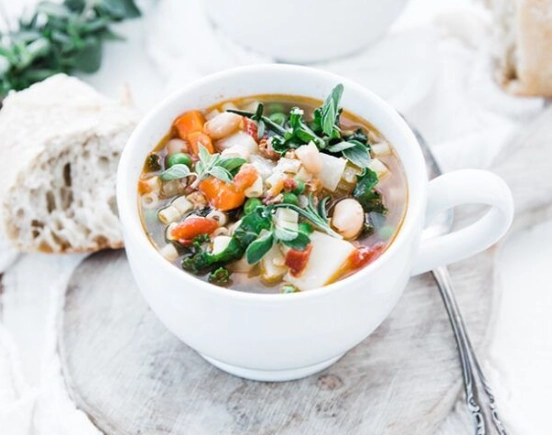
Related Articles
Authentic Italian Carbonara Recipe (No Cream): The Real Roman Way
Top 10 Italian Dinner Dishes: A Curated Guide for Authentic Meals
Authentic Gremolata Recipe: The Simple Italian Condiment That Elevates Any Dish
Authentic Italian Pasta Recipes: From Carbonara to Pesto
Original Carbonara Recipe Italian Easy: Authentic & Foolproof Guide