What Pasta is Best for Italian Wedding Soup? The Ultimate Guide
In This Guide
- Why the Pasta Choice Matters More Than You Think
- The Top Contender: The Undisputed Classic
- The Practical Pantry Champions (What You Can Actually Find)
- The Shapes to Avoid (Seriously, Don't Use These)
- How to Cook the Pasta Perfectly (The Make-or-Break Step)
- Answering Your Other Pasta & Soup Questions
- Putting It All Together: My Simple, Foolproof Process
You're standing in the pasta aisle, staring at shelves packed with shapes. You've got your broth simmering, your meatballs ready, and the greens chopped. But this one question halts everything: what pasta is best for Italian wedding soup? It feels like a small choice, but get it wrong and the whole bowl feels off. The pasta can make it sublime or turn it into a starchy, bloated mess.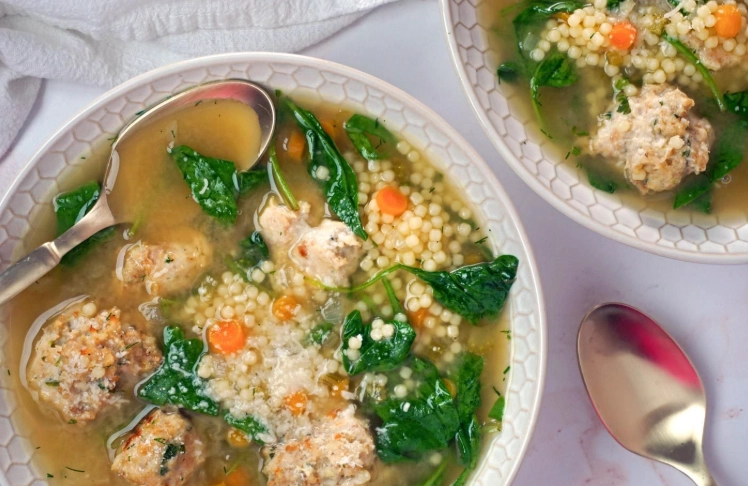
I learned this the hard way. The first time I tried to make Italian wedding soup, I grabbed what I had – some broken spaghetti. Big mistake. It soaked up all the broth and left me with something closer to a noodle casserole than a light, brothy soup. It was a sad dinner.
So I dove in. I talked to chefs, read old cookbooks (the ones with actual splatters on the pages), and made more pots of soup than my family wanted to eat. What I found is that the answer isn't just one pasta. It's a principle. The best pasta for Italian wedding soup is one that plays a supporting role, not the lead. It should be a delicate vehicle for the broth, not a sponge that steals the show.
Why the Pasta Choice Matters More Than You Think
Italian wedding soup (or minestra maritata, which actually refers to the "marriage" of greens and meat, not a literal wedding) is a delicate balance. You have a clear, flavorful broth, tiny savory meatballs, tender greens like escarole or spinach, and maybe some grated cheese. The pasta needs to fit into this ecosystem without disrupting it.
Think about texture. A good soup has variety in every spoonful. You want a bit of meatball, a strand of green, a sip of broth, and a few pieces of pasta. If the pasta is too big or chewy, it dominates. If it's too soft, it disintegrates and turns the broth cloudy. The goal is al dente, even in soup. It should have a gentle bite.
Then there's the broth absorption. Some pasta, like large shells or wide noodles, are like little sponges. They'll drink up your carefully crafted broth, leaving you with less liquid and a mushy interior. The best pasta for Italian wedding soup has a shape that holds its structure and doesn't greedily absorb all the liquid.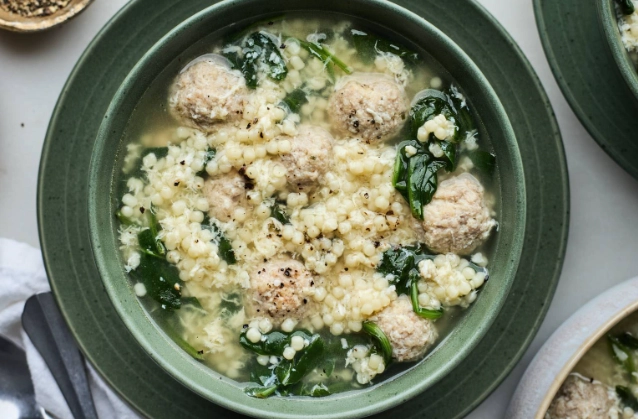
The right pasta disappears into the experience of the soup; the wrong pasta announces itself with every awkward, doughy bite.
Finally, there's authenticity. While you can certainly use whatever you like, part of the joy of this dish is connecting to its roots. Using a traditional shape just feels right. It completes the picture.
The Top Contender: The Undisputed Classic
If you ask a nonna from Naples or check a classic recipe from a source like The New York Times Cooking archive, one name comes up over and over: acini di pepe.
Let's break down why this tiny pasta is the gold standard when considering what pasta is best for Italian wedding soup.
Acini di pepe means "peppercorns" in Italian, and that's exactly what they look like – tiny, round pellets. Their size is their superpower. They cook quickly and evenly, they're small enough to fit on a spoon with a meatball and some greens, and they provide a delightful, slight chew without being overwhelming. They thicken the broth just a touch, giving it a more substantial feel, but they don't turn it into porridge.
The downside? They can be tricky to find in some regular grocery stores. You might need to check an Italian market or a well-stocked supermarket aisle. And because they're so small, they can go from perfect to overcooked in a flash if you're not paying attention.
My personal take? They're worth seeking out for a truly classic version. The texture is unbeatable.
The Practical Pantry Champions (What You Can Actually Find)
Not everyone has acini di pepe in their cupboard. I usually don't. So what are the best everyday options? Here’s a quick ranking based on availability, performance, and how well they answer the question of what pasta is best for Italian wedding soup.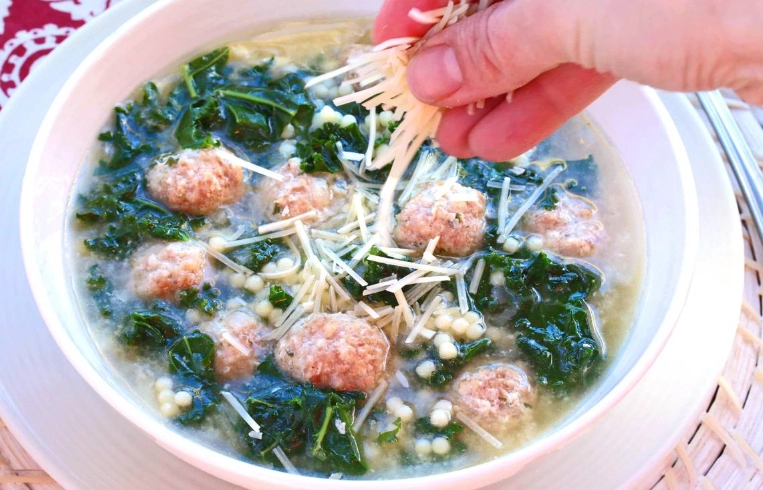
| Pasta Shape | Why It Works | Potential Drawback | Best For |
|---|---|---|---|
| Orzo | Looks like large grains of rice, widely available, cooks evenly, excellent broth companion. | Can clump together if not stirred. Can be mistaken for rice! | The easiest, most accessible substitute. My go-to 80% of the time. |
| Pastina (like stelline/stars) | Tiny, fun shape (especially for kids), cooks very fast, classic in brothy soups. | Can become mushy if left in the soup too long. Best added at the very end. | A quick, family-friendly choice. Adds a whimsical touch. |
| Ditalini | Small tubes, hold their shape well, capture bits of flavor in their center. | Slightly larger, can be more substantial than some prefer. | If you want a pasta with a more distinct presence and a nice chew. |
| Fregola Sarda | Toasted Sardinian pasta, adds a incredible nutty flavor, unique texture. | Not traditional for this soup, can be expensive/hard to find. | An adventurous, flavor-boosting choice for a special occasion. |
See, orzo is my workhorse. It's in almost every grocery store. It behaves beautifully, staying separate and cooking to a lovely tenderness. I almost feel guilty for not using acini di pepe sometimes, but orzo just delivers such consistent results. It’s a fantastic answer to what pasta is best for Italian wedding soup when you need a no-fuss solution.
The Shapes to Avoid (Seriously, Don't Use These)
Just as important as knowing what to use is knowing what not to use. Some pasta shapes are a recipe for a disappointing soup.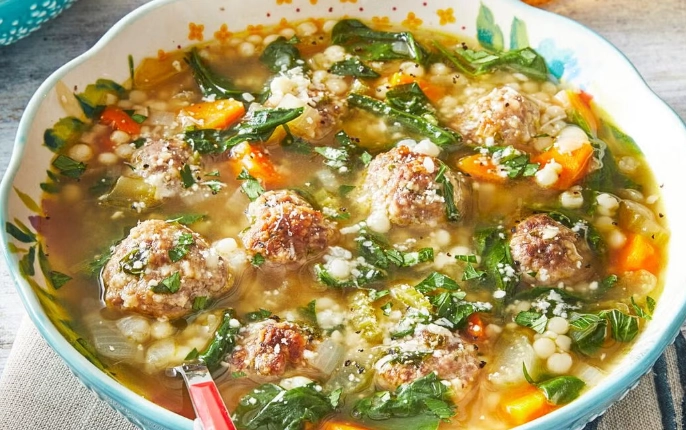
Soup Saboteurs:
- Long Pasta (Spaghetti, Linguine, Fettuccine): This is the biggest mistake. Breaking spaghetti into pieces is a hack, and not a good one. The pieces are uneven, have sharp edges, and they tangle with the greens and meatballs. It's awkward to eat and looks messy.
- Large Hollow Shapes (Rigatoni, Large Shells, Ziti): These are broth thieves. They'll fill up with liquid and become soggy, waterlogged bombs. They're also too big for the scale of the other ingredients.
- Egg Noodles or Very Wide Ribbons (Pappardelle): These release too much starch, clouding your beautiful clear broth. They also become limp and slimy surprisingly fast in liquid.
- Fresh Pasta: It might sound fancy, but fresh pasta is designed to be eaten immediately after cooking in a small amount of sauce. In soup, it falls apart completely, turning into a gummy, starchy sludge within minutes. Trust me, I've ruined a batch this way.
Stick to small, dry, durum wheat pasta shapes. It's a simple rule that saves a lot of heartache.
How to Cook the Pasta Perfectly (The Make-or-Break Step)
You've picked the perfect shape. Now, how do you cook it? This is where most people, including my past self, mess up. Do you cook it right in the soup? Separately? Here's the lowdown.
Method 1: The Separate Pot (The Best Way)
Cook the pasta in a separate pot of well-salted boiling water until it's just under al dente (about 1-2 minutes less than the package says). Why? You have full control. You can stop the cooking exactly when you want. Then, drain it and add it to the finished soup just before serving. This keeps the broth crystal clear and prevents the pasta from continuing to cook and swell in the leftover soup (which becomes a mushy disaster by day two).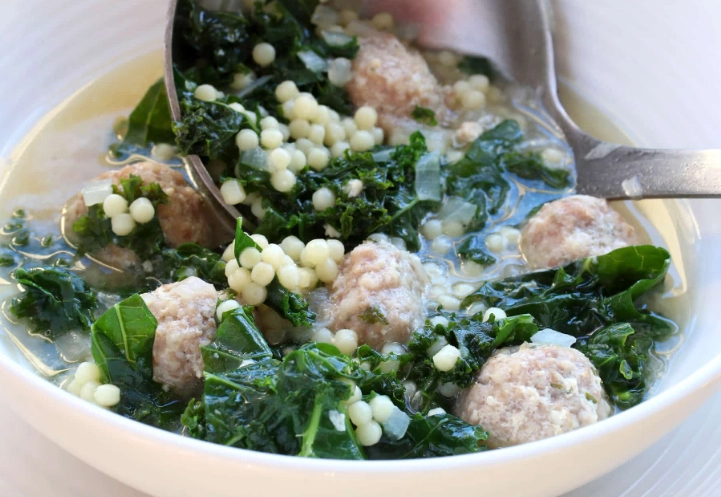
It's an extra pot to wash.
But the payoff in texture is 100% worth it. This is the chef's method, and for good reason.
Method 2: In the Soup (The Convenient, Risky Way)
Bring your finished soup to a steady simmer. Add the dry pasta directly to the pot and cook, stirring occasionally, until al dente. This lets the pasta absorb the flavor of the broth directly.
The risk? It's easy to overcook. The pasta also releases starch into the broth, which can make it slightly cloudy and thicker. If you go this route, be vigilant. Taste a piece a minute or two before the package time is up. And remember, the pasta will continue to soften in the hot broth even off the heat.
Pro Tip for Leftovers: If you think you'll have leftovers, always use Method 1. Store the cooked pasta and soup separately in the fridge. When you reheat a portion of soup, add the appropriate amount of pre-cooked pasta for the last minute to warm through. This preserves perfect texture for days.
Answering Your Other Pasta & Soup Questions
Absolutely. The same principles apply. Look for small gluten-free shapes like rice-based orzo or small shells. Be extra careful with cooking time, as many GF pastas have a narrower window between perfect and mushy, and they can fall apart more easily in broth. Cook them separately for sure.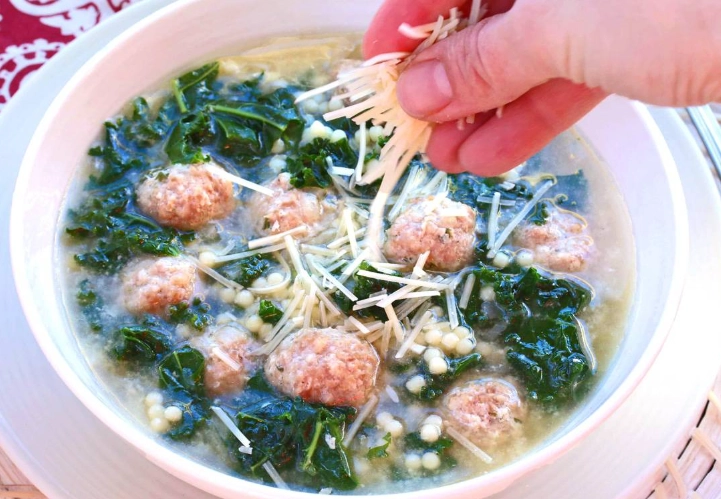
You can, but it will impart a stronger, nuttier, and slightly bitter flavor that will change the character of the soup. It also tends to be denser and may require a slightly longer cook time. I'm not a huge fan of it in this particular soup—it fights with the other flavors a bit—but if you prefer it, a small whole wheat ditalini could work.
This is crucial. Too much pasta overwhelms the soup. A good rule of thumb is about 1/4 to 1/3 cup of dry small pasta per generous bowl of soup. It's a garnish, not a main component. For a standard pot serving 6-8 people, 1 to 1.5 cups of dry pasta is plenty.
Less is more.
While acini di pepe is the most cited, Italian cooking is regional. In some areas, you might find pastina or even tiny semolina dumplings. The Academia Barilla, a respected authority on Italian food culture, notes that very small pasta shapes are the standard for brothy soups (minestre in brodo). The spirit of the dish is what matters most.
Putting It All Together: My Simple, Foolproof Process
So, after all this research and trial and error, here's exactly what I do now when I make Italian wedding soup and need to decide what pasta is best for Italian wedding soup that day.
- Choose my pasta based on what's in the pantry. Priority: Acini di pepe (if I have it) > Orzo > Ditalini > Pastina.
- Cook the soup base completely. Meatballs browned, broth simmered with veggies, greens wilted. Season it perfectly.
- Boil a separate pot of salted water. While the soup finishes, I cook my chosen pasta to about 90% done.
- Drain and combine. I drain the pasta, give it a very quick rinse to stop the cooking (optional, but I like it), and add it to the soup pot.
- Serve immediately. Ladle into bowls, finish with a drizzle of good olive oil and a sprinkle of Pecorino Romano.
- Store separately. Any leftovers go into two containers. One for soup, one for pasta. Reunion happens in the bowl the next day.
It's not complicated once you know the rules. The pasta should be a humble, harmonious part of the whole.
At the end of the day, the best pasta for your Italian wedding soup is the one that makes you happy and fits the texture you love. But if you start with acini di pepe or its trusty cousin orzo, and you cook it with a little care, you really can't go wrong. You'll have a soup where every element, including the pasta, is married together just right.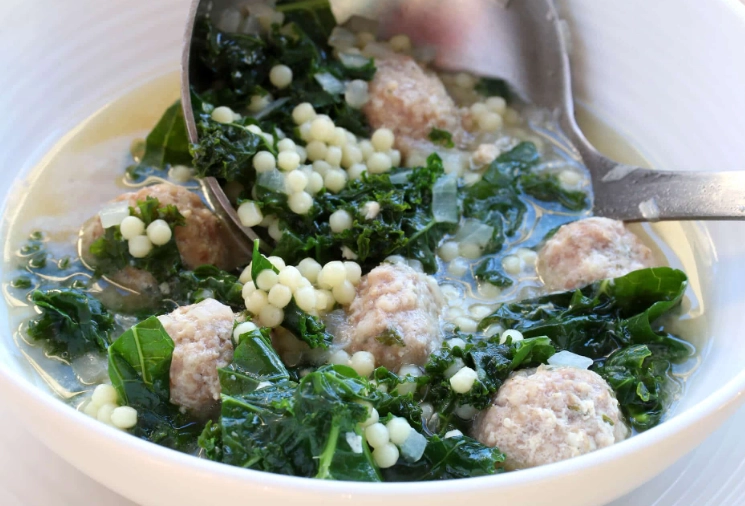
Now, go check your pantry. What shape are you going to use?
Related Articles
Authentic Italian Bruschetta Recipe: The Only Guide You'll Need
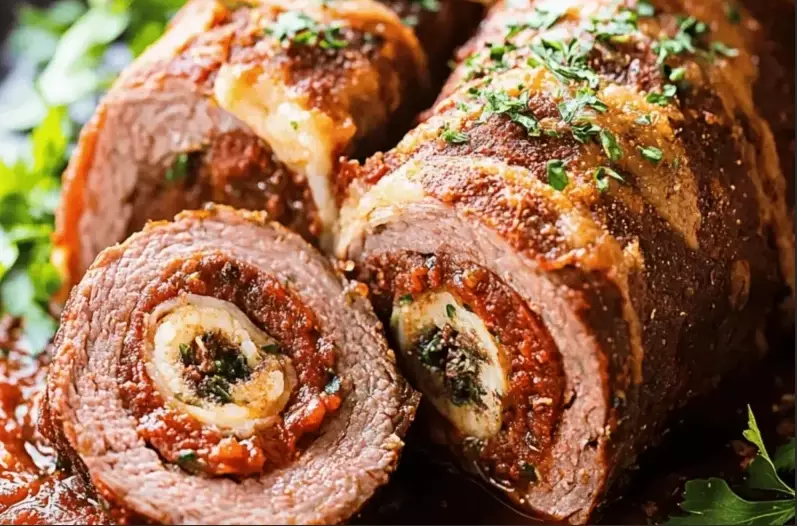
Authentic Italian Braciole Recipe: Slow-Cooked Beef Rolls
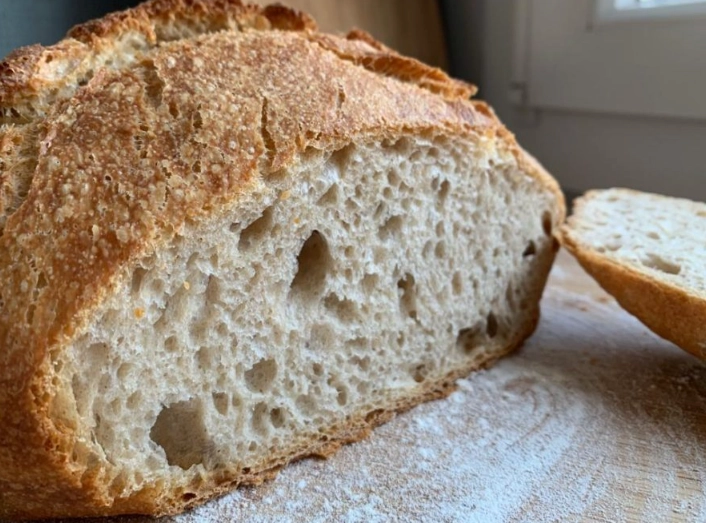
The Best Italian Bread Recipe: Authentic Ciabatta at Home
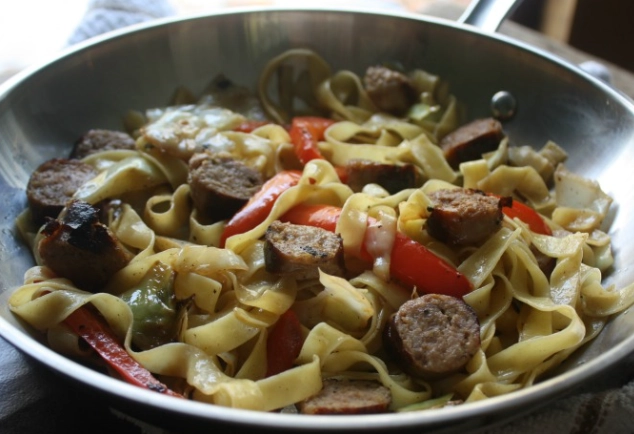
Simple Italian Sausage Dinners: Quick Recipes for Busy Nights
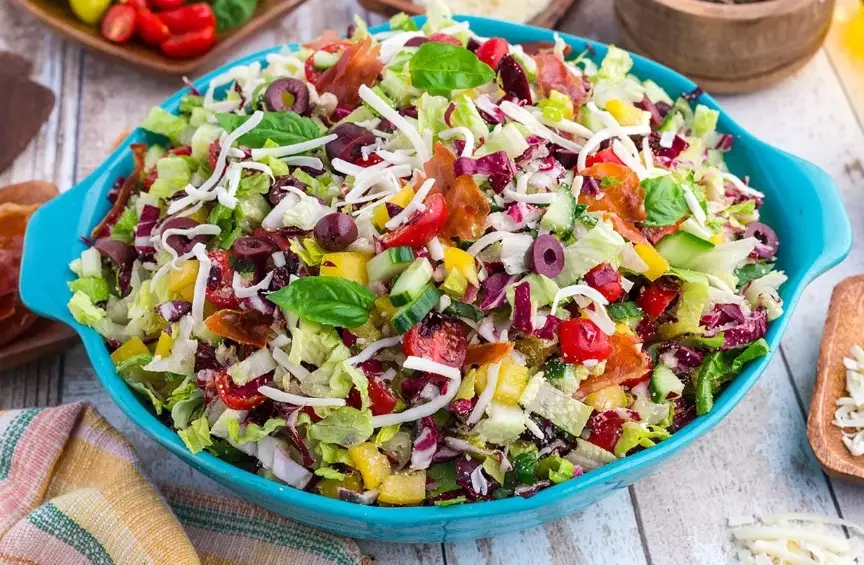
Italian Chopped Salad Recipe: The Ultimate Guide to a Perfect Antipasto