Pasta Fazool vs Pasta Fagioli: What's the Real Difference?
You're scrolling through recipes, or maybe you heard it in a movie—"pasta fazool." Then you see "pasta fagioli" on a fancy Italian menu. Your brain does a little stutter. Wait, are these two different dishes? Is one fancy and the other rustic? Is there a secret ingredient in one that the other doesn't have? Let's cut through the noise right now.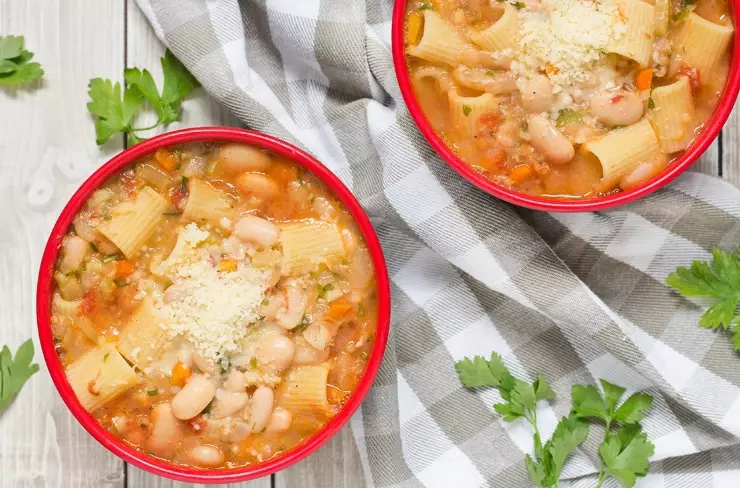
What is the difference between pasta fazool and pasta fagioli? In the vast majority of cases, there is absolutely no difference in the dish itself. None. Zero. Zilch. We're talking about the same hearty, soul-warming, bean-and-pasta soup that's been a pillar of Italian cucina povera (poor kitchen) for centuries.
The real story isn't about ingredients or technique. It's a story about language, immigration, and how words travel across oceans and get shaped by new mouths and new cultures. "Fazool" is essentially an American-Italian dialect pronunciation of the standard Italian "fagioli" (beans). So, when you're asking for the difference between pasta fazool and pasta fagioli, you're often asking about the difference between a colloquial nickname and the proper name.
But hey, if we stopped there, this would be a very short article. And the truth is, while the core identity is the same, the journey of this dish and its many regional variations create a fascinating tapestry. The question of what is the difference between pasta fazool and pasta fagioli opens the door to a much richer discussion about authenticity, regionality, and personal taste.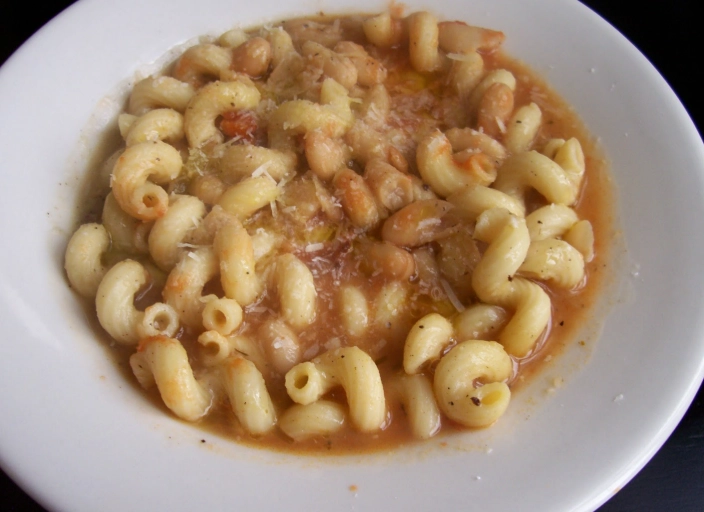
The Heart of the Matter: It's All "Pasta e Fagioli"
Quick Navigation
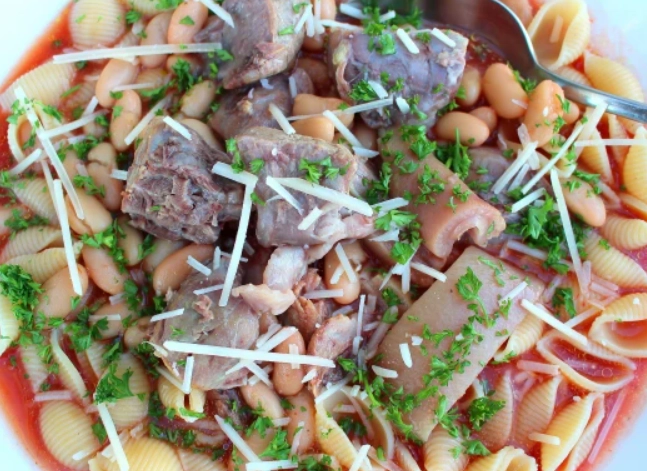
Let's start with the source. In Italy, the dish is universally known as pasta e fagioli (pronounced pah-stah eh fa-joh-lee). It translates literally to "pasta and beans." It's a humble, one-pot wonder born from necessity, designed to be filling, nutritious, and cheap. The base is always some combination of beans, pasta, a soffritto (usually onion, celery, carrot, and garlic cooked in olive oil), tomato (sometimes), broth or water, and herbs.
Now, enter Italian immigrants, primarily from Southern Italy, arriving in America in the late 19th and early 20th centuries. They brought their language, their dialects, and their recipes. In the Neapolitan dialect, the word "fagioli" undergoes a transformation. The "gi" sound softens into a "z" sound, and the final "i" can get lost or altered. So, "fah-joh-lee" becomes something closer to "fah-zool" or "fah-zool-eh."
This wasn't a mistake. It was just them speaking their version of Italian in a new land. Over time, in Italian-American communities, especially in places like New York and New Jersey, "pasta fazool" became the common, affectionate term. It carried the warmth of home and family. You'd hear it in kitchens, not on restaurant menus. Meanwhile, "pasta fagioli" remained the more formal, "textbook" term.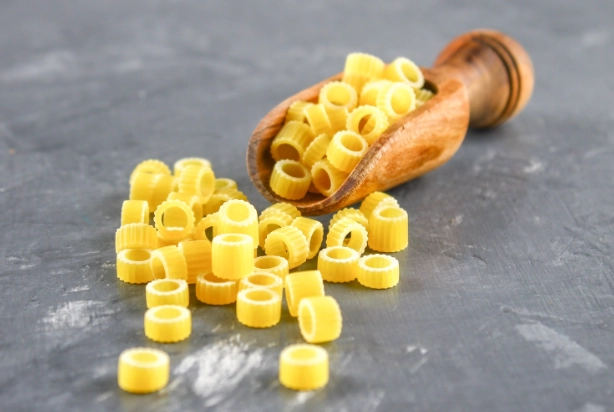
Linguistic Side Note: This phenomenon is called phonetic adaptation or dialectal pronunciation. It's similar to how "mozzarella" is often pronounced "mootz-uh-rel" in some American-Italian circles, coming from the Neapolitan "mozzarella." The Accademia della Crusca, Italy's premier linguistic authority, documents these regional variations extensively, showing how standard Italian words evolve in different parts of the country and the diaspora (Accademia della Crusca).
So, in your search to understand the difference between pasta fazool and pasta fagioli, you've actually stumbled into a beautiful piece of socio-linguistic history.
Where the Plot Thickens: Regional Variations
Okay, so the names are two sides of the same coin. But here's where people get genuinely confused and where real, tangible differences can creep in. Italy is a country of regions, and every nonna (grandmother) has her own way. When an Italian-American family made "pasta fazool," they were often making the specific version from their paese (hometown). Over generations in America, recipes adapted to available ingredients.
This means the dish you get called "pasta fazool" at a classic red-sauce joint in Brooklyn might have a slightly different personality from the "pasta fagioli" served in a trattoria in Bologna. It's not because of the name, but because of the regional lineage of the recipe.
Let's break down the key variables that create these differences. Think of this as the customizable core of the dish.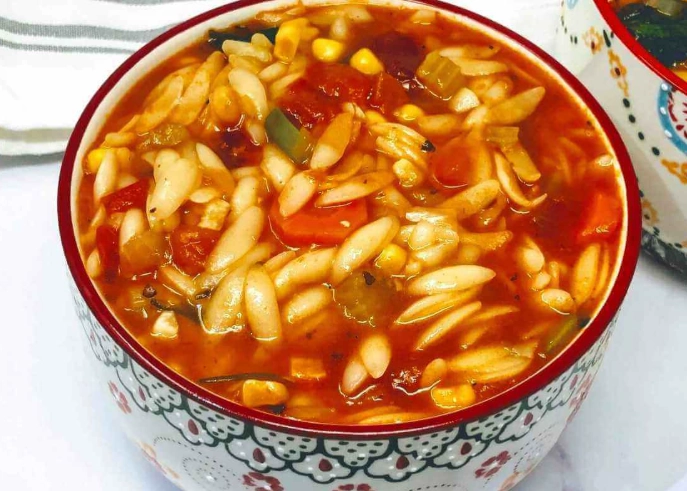
The Bean of the Matter
The choice of bean is huge. It changes the color, texture, and heartiness of the soup.
- Cannellini Beans: The classic. Creamy, white, and mild. This is probably the most common bean you'll find, especially in Central Italian versions (like Tuscany) and in many American interpretations.
- Borlotti Beans (Cranberry Beans): My personal favorite. They have a beautiful pink-speckled shell that turns a lovely earthy brown when cooked. They hold their shape better than cannellini and have a richer, nuttier flavor. Very common in Northern Italian versions.
- Kidney Beans: More common in some Southern Italian and Sicilian versions. They're bigger and have a distinct, robust flavor.
- A Mix: Some cooks use a blend for complexity. I've had a version with borlotti and chickpeas that was incredible.
I made the mistake once of using only canned kidney beans for a "quick" version. The soup turned out muddy-looking and the bean flavor was too dominant, almost overpowering the rosemary and garlic. Lesson learned: bean choice matters more than you think.
The Pasta Player
Short, sturdy pasta is the rule. It needs to stand up to the thick, beany broth.
- Small Tubes: Ditalini, tubetti, or even small elbow macaroni are perfect. They trap the beans and broth inside.
- Shells: Conchigliette (small shells) are another great choice for capturing bits of goodness.
- Broken Pieces: In the truest cucina povera spirit, some traditions use broken bits of longer pasta like spaghetti or linguine. It's thrifty and works surprisingly well.
A key tip: cook the pasta in the soup for the last few minutes. This lets the starch from the pasta thicken the broth, making it silky and cohesive. If you cook it separately and add it, you'll miss out on that magic.
The Tomato Question: Red vs. White
This is a major fork in the road.
- "In Bianco" (White): No tomato. The broth is based on the beans, soffritto, and stock. It's lighter in color but deeply savory. Common in Northern regions like Veneto and Lombardy.
- "Al Rosso" (Red): Includes tomato, usually in the form of passata (strained tomatoes), tomato paste, or even chopped fresh tomatoes. This creates the reddish-orange broth most Americans associate with the dish. This style is prevalent in Central and Southern Italy.
Many Italian-American "pasta fazool" recipes lean heavily into the red style, often using tomato sauce or paste quite generously. The official Italian tourism site's recipe collection shows a variety, highlighting the regional split.
Side-by-Side: Pasta Fazool vs Pasta Fagioli
To visualize the core linguistic point and the potential culinary variations, here's a table that sums it up. Remember, the "differences" here are about common associations, not hard rules.
| Aspect | Commonly Associated with "Pasta Fazool" | Commonly Associated with "Pasta Fagioli" |
|---|---|---|
| Terminology & Origin | American-Italian colloquialism. Derived from Neapolitan dialect pronunciation. Family-kitchen language. | Standard Italian term. The "official" name used in Italy and on formal menus. |
| Linguistic Root | Dialect (e.g., Neapolitan "fasule"). | Standard Italian ("fagioli"). |
| Typical Regional Influence in Recipes | Often reflects Southern Italian (especially Campanian) roots as carried by immigrants. May be more likely to include meat (like pancetta) and a robust tomato base. | Can represent any Italian regional version—Northern (white, with borlotti beans), Central (red, with cannellini), or Southern. |
| Broth Style | Very commonly a red, tomato-based broth in American interpretations. | Equally likely to be red (al rosso) or white (in bianco), depending on the region being referenced. |
| Perception | Rustic, homey, nostalgic. The name evokes old-school Italian-American culture. | Authentic, traditional, directly Italian. Can sound more "chefy" or formal to an American ear. |
| Key Commonality | At their core, they refer to the SAME family of dishes: a hearty soup/stew of beans and pasta. | |
See? The difference between pasta fazool and pasta fagioli is largely in the naming and the cultural context, not a strict recipe divide.
Making Your Own: The Spirit is More Important Than the Letter
If you want to make an authentic version, don't get hung up on the name. Get hung up on technique and quality ingredients. Whether you call it fazool or fagioli, here's what makes it great.
Start with a good soffritto. Dice onion, carrot, and celery finely and cook them slowly in good olive oil until they're soft and sweet, not browned. This is the flavor foundation.
Consider a "pestata." Some recipes, especially from Emilia-Romagna, use a pestata—garlic, rosemary, and maybe a bit of pancetta ground into a paste in a mortar and pestle. You add this to the soffritto, and the aroma is unbelievable. It's a game-changer.
Bean liquid is gold. If you use canned beans, don't rinse them all! Add some of the starchy liquid from the can to the soup. It's a fantastic natural thickener. If you cook dried beans from scratch (the best method, honestly), the cooking water is even better.
Finish like an Italian. When the soup is done, turn off the heat. Let it sit for a minute, then stir in a generous glug of your best extra-virgin olive oil. This isn't for cooking; it's for fragrance and richness. Some people also add a sprinkle of grated Parmigiano-Reggiano or Pecorino Romano right at the end.
A Common Pitfall: Making it too soupy. Authentic pasta e fagioli is often somewhere between a soup and a stew. It should be thick enough that a spoon can almost stand up in it. The pasta and beans should be the stars, swimming in a rich, velvety broth, not drowning in a watery liquid. If yours is too thin, mash a few beans against the side of the pot with a fork to thicken it up.
Answering Your Burning Questions
The Cultural Echo: From Kitchen to Pop Culture
"Pasta fazool" cemented its place in the American lexicon not just through kitchens, but through art. The most famous reference is in the song "That's Amore" by Dean Martin: "When the moon hits your eye like a big pizza pie / That's amore... When the world seems to shine like you've had too much wine / That's amore... When you dance down the street with a cloud at your feet, you're in love... When you walk in a dream but you know you're not dreaming, signore / Scuzza me, but you see, back in old Napoli, that's amore!" Wait, that's not right.
Let me try again. The actual line is: "When the stars make you drool just like pasta fazool, that's amore." There it is. That single line did more to popularize the term "fazool" to non-Italians than anything else. It linked the dish indelibly with romantic, old-world Italian charm.
But it also subtly reinforced the idea that "fazool" was the "real" Italian term for the dish, creating the confusion we're unraveling today. For millions of listeners, that was the first and only time they heard the dish mentioned. The Wikipedia entry for the dish even notes this cultural impact.
So, the next time you wonder about the difference between pasta fazool and pasta fagioli, remember you're touching a bit of history—the history of people, their language, and the simple, enduring food that sustained them through it all.
The best way to understand it? Make a pot. Call it whatever you want. Share it with people you care about. That, after all, is the true spirit of the dish, no matter the name.
Related Articles
How to Make Italian Bruschetta Toppings: A Complete Guide from Classic to Creative
The Ultimate Guide to Making Authentic Italian Lasagna at Home
Authentic Italian Regional Recipes Guide: Cook from Source
Cold Italian Appetizers: The Ultimate Guide to Antipasti & Finger Foods
What Is Authentic Italian Food? A Guide to Regional Classics & Home Cooking