The Real Secret to a Flavorful Pasta e Fagioli (It's Not Just the Pasta)
Quick Navigation
- It All Starts (and Might End) With The Soffritto
- The Bean Conundrum: Canned vs. Dried
- Broth and Tomatoes: The Supporting Cast That Needs to Shine
- The Pasta Problem (Yes, It's a Problem)
- The Finishing Touches: Where Good Becomes Great
- Putting It All Together: A No-Frills, Maximum-Flavor Approach
- Common Questions (The Stuff You Actually Google)
- Final Thoughts: It's About Patience, Not Complexity
You know the scene. You order a bowl of pasta e fagioli at a cozy Italian trattoria, and it arrives steaming, fragrant, and impossibly deep in flavor. Every spoonful is a perfect harmony of creamy beans, tender pasta, and a rich, savory broth that tastes like it simmered for days. Then you try to make it at home. The result? Often a bit... flat. Beige. A wholesome soup, sure, but missing that magical oomph.
I've been there. My first attempt was basically mushy beans and overcooked ditalini floating in tomato water. Not great. So, what is the secret to a flavorful pasta e fagioli that rivals Nonna's? It's not one big secret, honestly. It's a handful of small, non-negotiable steps that most quick recipes gloss over. Forget just dumping cans together. The real magic happens in the layers.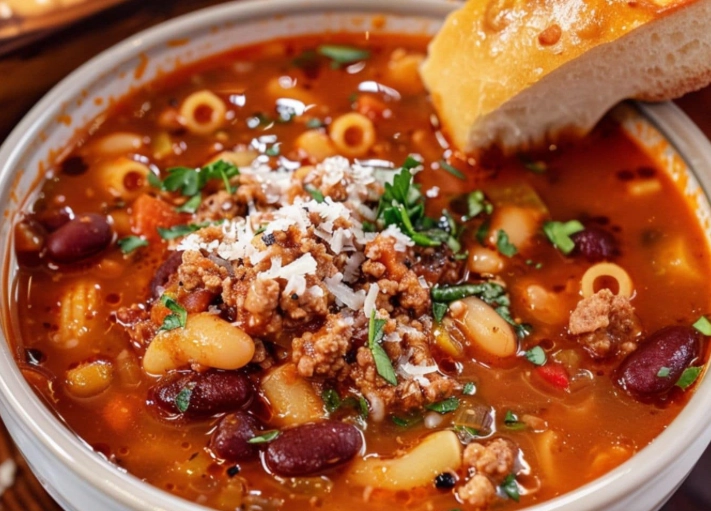
Think of it this way: the secret to a flavorful pasta e fagioli isn't a single ingredient. It's a process. It's building a flavor foundation so strong that the simple, humble components sitting on top of it can't help but become extraordinary.
It All Starts (and Might End) With The Soffritto
If your soup tastes bland, I'd bet my last piece of Parmigiano you rushed the first step. In Italian cooking, the soffritto—a slow-cooked mix of onions, carrots, and celery—is the soul of the dish. For pasta e fagioli, it's everything.
Here's where most home cooks mess up. They chop the veggies and sauté them for maybe three minutes until the onion is translucent. Done. No. That just softens them. You need to cook them. We're talking 15 to 20 minutes over low-medium heat, stirring occasionally, until they melt into a sweet, jammy, concentrated paste. The onions should turn a pale golden color, the carrots should be soft and sweet, and the celery should lose all its raw bite.
This slow caramelization isn't just about softening vegetables. It's about developing complex sugars and deep foundational flavors that water or broth alone can't provide. It's the bass note of your soup symphony. Skimp here, and your entire dish will lack depth.
My personal hack? I sometimes add a single, finely minced garlic clove to the soffritto in the last two minutes. It toasts gently in the oil without burning, adding another layer. Purists might scoff, but I like the subtle punch it gives.
The Pancetta (or Guanciale) Question
Many authentic recipes start with a small piece of cured pork—pancetta or guanciale—diced and rendered down before adding the veggies. The fat from the pork infuses the entire soffritto with a rich, savory, umami depth that's hard to replicate. It's a game-changer.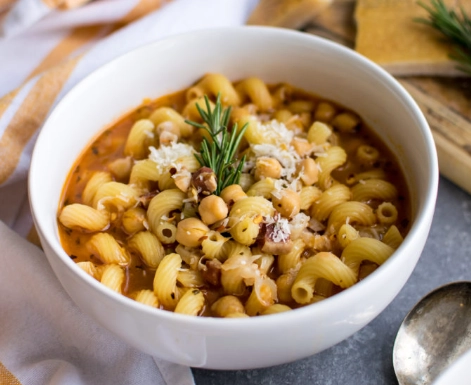
Is it strictly necessary for a vegetarian version? No. But if you're after that classic, deeply savory profile, it's a huge part of the answer to what is the secret to a flavorful pasta e fagioli. A couple of ounces are enough. Render the cubes slowly until crisp, then cook your veggies in that flavorful fat.
For a vegetarian route, don't just skip it. Compensate. A tablespoon of good olive oil is fine, but consider a pinch of smoked paprika or a dried porcini mushroom, powdered, added with the veggies. It adds that missing savory complexity.
The Bean Conundrum: Canned vs. Dried
This is a big debate. Canned beans are convenient. Dried beans are cheaper and, many argue, better. So which is the real secret?
Honestly? The best choice is the one you'll actually use. But each has its pros and cons that drastically affect the final dish.
| Bean Type | Pros | Cons & How to Compensate | Best For... |
|---|---|---|---|
| Dried Beans (e.g., Borlotti, Cannellini) | Superior texture, creamier interior, richer "beany" flavor. You control the seasoning. Cooking liquid becomes a fantastic broth base. | Time-consuming (need soaking). Can be unpredictable if old. | Weekend projects, achieving ultimate creaminess and authenticity. |
| Quality Canned Beans | Ready in minutes. Consistent. Great for weeknights. | Can be mushy. Liquid is often salty and starchy. Lacks depth of flavor. | Quick meals. Key: Always rinse thoroughly to remove the thick, salty canning liquid. |
My take? If you have time, go dried. Soak them overnight. Then, cook them gently with a bay leaf and a whole garlic clove in plenty of water. Do not salt the water early—it can toughen the skins. Salt them once they're tender. This bean cooking liquid is liquid gold. Starchy, flavorful, and it will thicken your soup beautifully. Using this instead of plain water or even some of your stock is a massive flavor upgrade.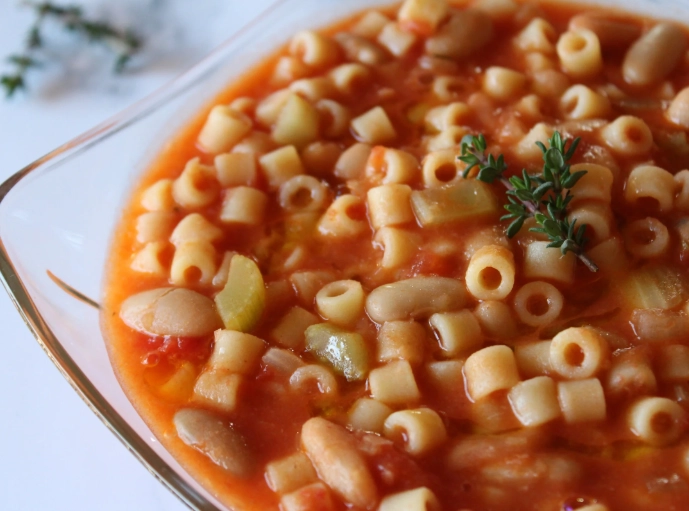
If using canned, please, for the love of all that is good, rinse them until the water runs clear. And here's a trick: take about one-third of your rinsed beans and mash them with a fork or blend them roughly. Stir this paste back into the soup. It mimics the creamy texture you get from the starch of dried beans cooking down.
Tip: The type of bean matters less than how you treat it. Cannellini are classic, creamy and mild. Borlotti (cranberry beans) have a gorgeous, earthy flavor and pretty speckled skin that mostly dissolves into the soup. I'm partial to borlotti for their richer taste.
Broth and Tomatoes: The Supporting Cast That Needs to Shine
Your liquid base can't be an afterthought. Using just water will leave you with a weak soup. Using a overpowering, salty store-bought chicken broth can make it taste like... well, store-bought chicken soup with beans.
The ideal? A light, homemade vegetable or chicken broth. Not everyone has that. So what do you do?
I often use a combination. If I cooked dried beans, I use all that beautiful bean liquid. If I'm using canned, I'll use a low-sodium chicken or vegetable broth, but I dilute it with water by about 25%. Why? Most commercial broths are too strongly flavored and salty, designed to stand alone. We want a supportive background note, not a lead singer. You can always adjust salt at the end.
Tomatoes. Another minefield. Many American recipes use a heavy hand with tomato sauce or paste, turning the soup red and overly acidic. The traditional version is often more beige-pink, with tomato as a subtle background note.
A tablespoon or two of good-quality tomato paste is your friend. Add it to the cooked soffritto and let it "toast" or "cook out" for a minute. This caramelizes the sugars in the paste, deepening its flavor from bright and tinny to rich and savory. For liquid tomato, a small can of whole, peeled San Marzano tomatoes, crushed by hand, is perfect. You get chunks and juice without the homogenized texture of puree.
The Pasta Problem (Yes, It's a Problem)
It's right there in the name: pasta e fagioli. Get this wrong and you get mush. The goal is pasta that is cooked al dente and stays that way, at least for a reasonable time in the soup.
First, shape. Small, sturdy shapes that can hold up to the beans and broth are key. Ditalini is the classic for a reason. Small shells (conchigliette), tubetti, or even small elbows work.
Now, the big mistake: cooking the pasta directly in the soup. If you do this, two things happen. First, the pasta releases a huge amount of starch into the soup, which can make it gluey. Second, and worse, the pasta continues to absorb liquid and overcook as the soup sits. You're left with bloated, soft pasta by the time you get to the bottom of the bowl.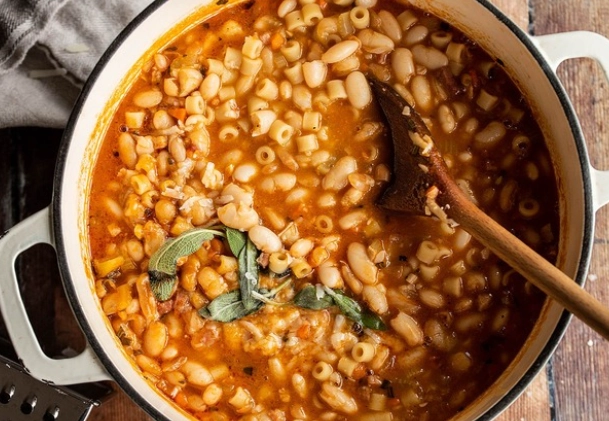
The Fix: Cook the pasta separately, just to al dente. Drain it. Then, add it to the individual serving bowls and ladle the hot bean soup over it. This keeps the pasta perfectly textured. If you have leftovers, store the soup and pasta separately and combine them when reheating. This one step alone will elevate your dish from home-cooked to professional.
What is the secret to a flavorful pasta e fagioli that also has perfect texture? It's respecting each component enough to treat them right, even if it means an extra pot to wash.
The Finishing Touches: Where Good Becomes Great
You've built your layers. The soup is simmered, the beans are creamy, the pasta is ready. Now, don't serve it straight from the pot. Italian food is often finished a crudo—with raw, fresh elements added at the end to wake everything up.
- High-Quality Extra Virgin Olive Oil: A generous drizzle in each bowl is non-negotiable. It adds a fruity, peppery fragrance and richness. Use your good stuff here.
- Fresh Herbs: A sprinkle of freshly chopped rosemary or parsley added just before serving. Rosemary, especially, is a classic partner to beans. Its piney fragrance cuts through the richness.
- Acidity: A tiny splash of good red wine vinegar or a squeeze of lemon juice right at the end. This is arguably one of the most overlooked secrets. It brightens all the deep, savory flavors you've built. Start with half a teaspoon, stir, taste. You shouldn't taste "vinegar," you should just feel the soup come alive.
- Cheese: A generous grating of Parmigiano-Reggiano or Pecorino Romano. The salty, umami punch is the final layer of flavor. Offer more at the table.
These aren't garnishes. They are integral, final-seasoning components. Skipping them is like baking a cake and forgetting the frosting.
Putting It All Together: A No-Frills, Maximum-Flavor Approach
Let's walk through a mental recipe, focusing on the technique rather than strict measurements.
- Build the Base: In a heavy pot, render diced pancetta (optional) until crisp. Remove, leave the fat. Add a finely diced onion, carrot, and celery. Cook low and slow for 15-20 mins until sweet and soft. Add a tablespoon of tomato paste, cook for 1 min.
- Incorporate Beans: Add rinsed canned beans (or your pre-cooked dried beans with some of their liquid). For canned, mash about a third. Stir. Add a can of hand-crushed tomatoes.
- Add Liquid: Pour in your diluted broth or bean cooking liquid. Bring to a simmer. Let it bubble gently for at least 20-30 minutes. This is where the flavors marry. Season with salt and black pepper.
- Pasta Prep: In a separate pot, boil salted water and cook your ditalini to al dente. Drain.
- Finish and Serve: Off the heat, stir in a tiny splash of vinegar or lemon juice. Taste and adjust seasoning—does it need more salt? Pepper? Ladle the soup into bowls. Add a scoop of cooked pasta to each. Drizzle lavishly with olive oil, sprinkle with fresh rosemary or parsley, the crisp pancetta (if using), and a mountain of grated cheese.
Common Questions (The Stuff You Actually Google)
Can I make pasta e fagioli in advance?
Absolutely, and it often tastes better the next day. But remember the pasta rule! Make the soup base, let it cool, and store it. Cook the pasta fresh when you're ready to serve. If you must store them together, know the pasta will absorb most of the liquid and become very soft. You'll need to add more broth or water when reheating.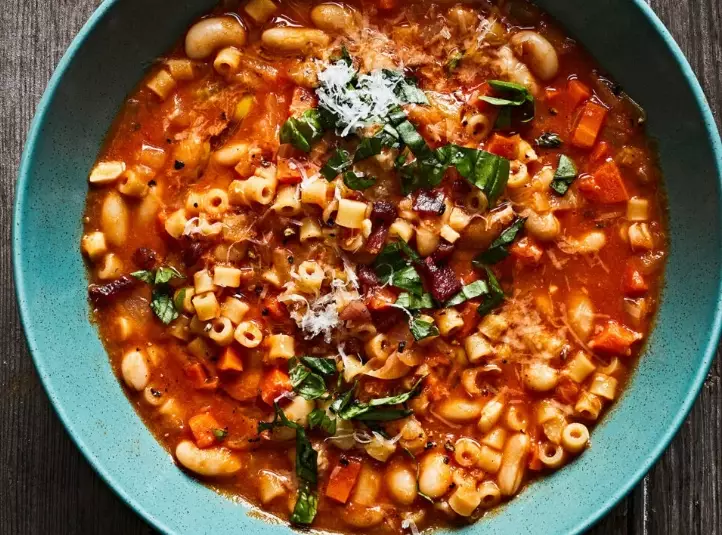
Is it supposed to be a soup or a stew?
It walks the line, and regional variations differ. In the north, it's often thicker, almost like a stew. In the south, it can be brothier. I prefer it somewhere in the middle—thick enough to coat a spoon, but with enough liquid to still be sippable. You control this by the amount of liquid you add and how many beans you mash.
What's the best cheese to use?
Parmigiano-Reggiano is the classic, nutty, and elegant choice. Pecorino Romano is saltier, sharper, and more pungent. I keep both on hand and sometimes use a mix. The key is to use a real, aged cheese that you grate yourself. The pre-grated stuff in bags contains anti-caking agents that can make it grainy and less flavorful in hot soup.
My soup is too thin / too thick. Help!
Too thin: Let it simmer uncovered to reduce and concentrate. You can also mash more of the beans directly in the pot to thicken it. A cornstarch slurry is a last resort and not traditional.
Too thick: Simple—add more warm broth, bean cooking liquid, or water until it reaches your desired consistency. Season again after diluting.
Final Thoughts: It's About Patience, Not Complexity
When you really break it down, what is the secret to a flavorful pasta e fagioli? It's patience. Patience to cook the soffritto slowly. Patience to cook dried beans if you can. Patience to let the soup simmer and meld. And the wisdom to know that some components, like pasta and fresh herbs, are best added with care at the end.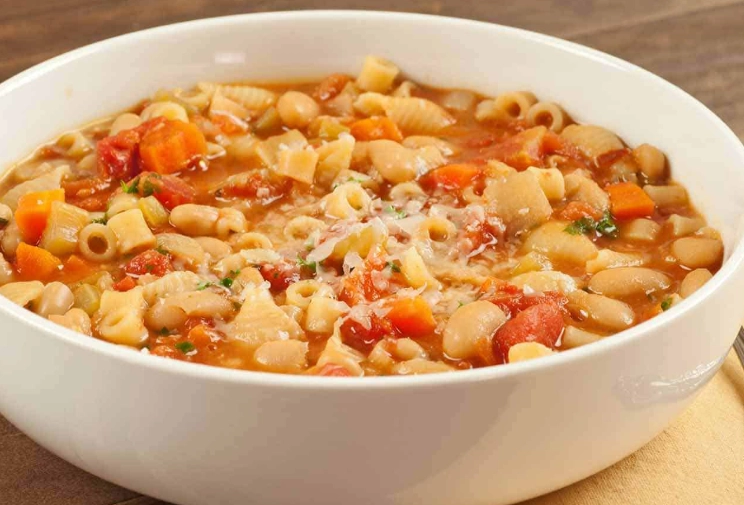
It's a humble peasant dish, born of necessity. But the care embedded in its traditional preparation is what makes it timeless. It's not about fancy ingredients; it's about treating simple ingredients with respect. Skip the shortcuts, build those layers, and finish it boldly. The result is a bowl of comfort that’s deeply satisfying in a way that few other dishes are.
Give it a try this way. Take your time. I think you'll find the answer to what is the secret to a flavorful pasta e fagioli has been in the slow, thoughtful process all along.
Related Articles
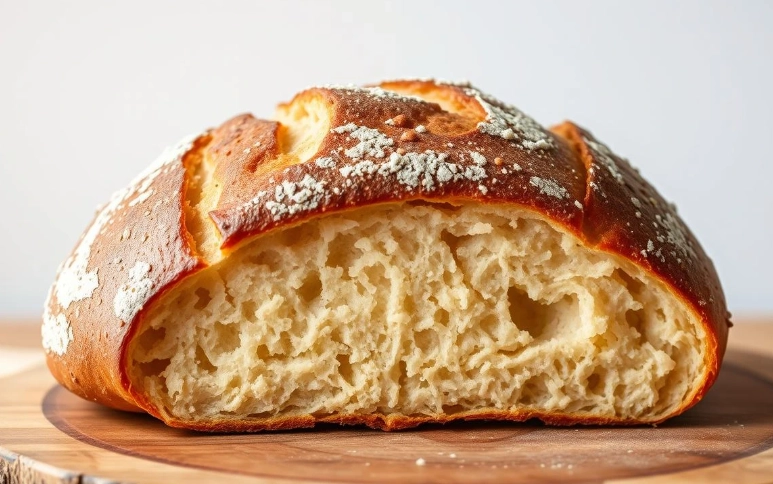
Easy Crusty Italian Bread Recipe: Homemade Ciabatta & Focaccia

The global economy has ushered in a remarkable transformation after the new crow
Italian Vinaigrette Recipe: The Only Guide You'll Ever Need
Top 50 Italian Desserts: From Tiramisu to Cannoli
Chicago Italian Beef Recipe: The Ultimate Homemade Guide