Authentic Popular Italian Dishes Recipes: From Pasta to Tiramisu
Your Italian Cooking Roadmap
Let's be honest. We've all had that moment staring at a menu or a food blog, dreaming of that perfect plate of pasta or that creamy, dreamy risotto. You know, the kind that makes you close your eyes for a second after the first bite. I've been there too, ordering takeout that promised "authentic" flavors only to be let down by a gloopy, oversauced mess. It's frustrating. That's exactly why I spent what feels like a small fortune on ingredients and more hours than I'd care to admit in my kitchen, trying to crack the code of truly popular Italian dishes recipes. Not the Americanized, heavy versions, but the stuff you'd actually eat in a trattoria in Rome or a family home in Bologna.
It turns out, it's not as impossible as it seems. Sure, there are rules, but they're more like friendly guidelines from a patient Nonna. And the best part? You don't need a fancy pasta machine or a degree in culinary arts. You just need to pay attention to a few key things. So, whether you're trying to impress a date, feed a hungry family, or just treat yourself to something spectacular, this is your roadmap. We're going beyond just listing ingredients; we're digging into the why behind the steps. Because understanding why you shouldn't rinse pasta, or why risotto needs constant stirring, is what turns a recipe follower into a confident cook.
I'll also tell you where I messed up. My first attempt at carbonara was a scrambled egg disaster. My early risottos were either crunchy or mushy. We'll learn from those mistakes so you don't have to make them.
Why These Dishes Are Classics (And How to Not Ruin Them)
Italian food has a funny way of seeming simple but being deceptively tricky. It's all about quality ingredients and technique. Before we jump into the popular Italian dishes recipes themselves, let's clear the air on a few myths. First, more ingredients don't mean better flavor. Some of the best dishes have five components or fewer. Second, "authentic" doesn't have to mean "inaccessible." You can find great canned tomatoes, decent olive oil, and proper pasta in most supermarkets now. Third, and this is a big one, take your time. Rushing is the enemy.
To give you a bird's-eye view, here's a quick breakdown of the heavy-hitters we're covering. Think of this as your cheat sheet to the world of popular Italian dishes recipes.
| Dish | Its Heart & Soul | Common Pitfall to Avoid | Region of Origin |
|---|---|---|---|
| Spaghetti alla Carbonara | Eggs, Pecorino Romano, Guanciale, Black Pepper | Using cream or scrambling the eggs | Lazio (Rome) |
| Tagliatelle al Ragù | Slow-cooked meat sauce (beef, pork, sometimes liver) | Calling it "Spaghetti Bolognese" (it's a crime there!) | Emilia-Romagna (Bologna) |
| Risotto alla Milanese | Carnaroli rice, saffron, broth, Parmigiano | Not toasting the rice or rushing the broth addition | Lombardy (Milan) |
| Margherita Pizza | 00 flour, San Marzano tomatoes, Mozzarella di Bufala, Basil | A soggy, undercooked crust | Campania (Naples) |
| Tiramisù | Savoiardi cookies, mascarpone, espresso, cocoa | Using whipped cream instead of zabaglione | Veneto (disputed!) |
See? Each one has a personality. Carbonara is bold and brash. Ragù is patient and deep. Getting to know them is half the fun.
Deep Dive: The Recipes Themselves
Alright, apron on. Let's get into the nitty-gritty of these popular Italian dishes recipes. I'm writing these the way I wish someone had written them for me: with explanations, warnings, and a bit of encouragement.
Spaghetti alla Carbonara: The Creamless Wonder
This might be the most abused dish on the planet. I've seen recipes with garlic, onion, peas, and yes, heavy cream. Please, for the love of all that is good, do not add cream. The creaminess comes from emulsifying eggs, cheese, and starchy pasta water. It's magic, but a delicate one.
You need guanciale. Pancetta is an okay substitute in a pinch, but guanciale (cured pork cheek) gives that unmistakable, funky, amazing flavor. Dice it into little cubes. Render it slowly in a pan until it's crispy and the fat is liquid gold. Turn off the heat. Let it cool just a bit. This is crucial. If the pan is too hot when you add the egg mixture, you'll get scrambled eggs. I learned this the hard, crumbly way.
In a bowl, whisk together 2 whole eggs and 2 egg yolks (for 1 lb of pasta). This yolk-heavy mix is richer. Add a mountain of freshly grated Pecorino Romano cheese and a ton of coarsely ground black pepper. Whisk it into a paste. Cook your spaghetti in well-salted water. Reserve at least a cup of the starchy water before draining. This is your sauce insurance.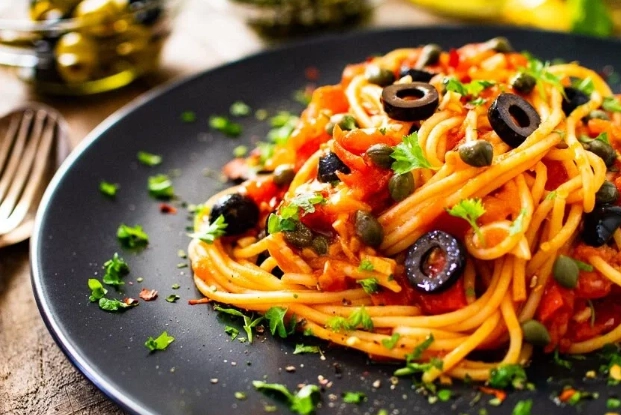
Here's the dance: Quickly toss the hot pasta into the pan with the guanciale and its fat. Working off the residual heat, pour in the egg-cheese mixture. Now add a splash of that hot pasta water and toss, toss, toss like your dinner depends on it. The water, starch, and fat will create a silky, glossy sauce that coats every strand. If it looks too thick, add more water. Too thin, a bit more cheese. Serve immediately with more pepper and cheese. No cream. Ever.
Tagliatelle al Ragù: The Sunday Sauce
First, let's settle this. In Bologna, they don't eat "spaghetti bolognese." They eat tagliatelle (wide, flat egg noodles) with ragù. The sauce is a slow-cooked marvel, not a quick tomato ground beef job. It's a weekend project, but oh, is it worth it.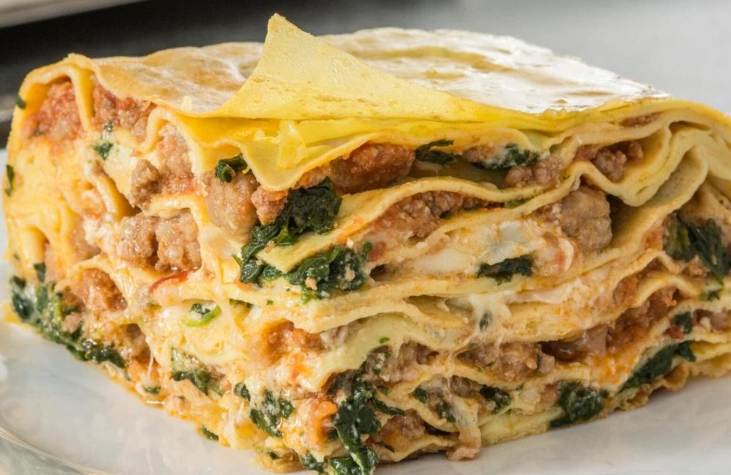
The holy trinity here is soffritto: finely diced onion, carrot, and celery. You sweat these in olive oil and butter until they're soft and sweet, not browned. Then you add a mix of ground meats. The classic is equal parts beef and pork, but some add a bit of veal or even chicken liver for depth (sounds weird, tastes incredible). Brown the meat well.
Now the liquids: a splash of white wine, let it evaporate. Then add tomato passata (strained tomatoes) or good canned crushed tomatoes. Some use just a little tomato paste diluted with broth. The key is to let it barely simmer for at least 3 hours, preferably 4. You want the fat to separate and float to the top, and the flavors to marry into something profound. Stir it occasionally and add a splash of milk or broth if it gets too dry. The milk, added towards the end, cuts the acidity and adds a subtle richness.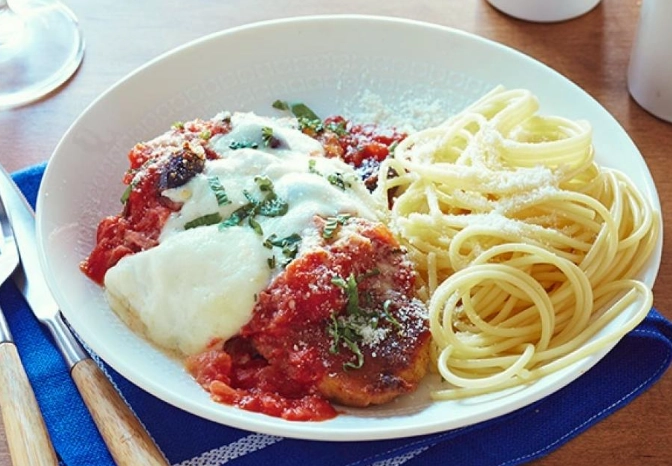
Serve it with fresh tagliatelle, or good dried egg pasta. And please, don't drown the pasta. It's a coating, not a soup. Top with Parmigiano-Reggiano, never Pecorino here. This is one of those popular Italian dishes recipes that fills your house with an aroma that promises pure comfort.
Risotto alla Milanese: The Golden Standard
Risotto scares people. It shouldn't. It's just rice that needs a bit of conversation. You talk to it, stir it, feed it broth, and it rewards you. The Milanese version, golden with saffron, is a showstopper.
Start with the right rice: Carnaroli or Arborio. Carnaroli is king—it holds its shape better. Toast the rice in butter (and sometimes a little onion) until the edges look translucent. This step, called tostatura, seals the starch. Then, add a glass of dry white wine and let it cook off.
Now, the broth. Homemade is ideal, but a good low-sodium store-bought works. Keep it simmering in a pot next to you. Add the hot broth one ladleful at a time, stirring almost constantly. Wait until the liquid is almost absorbed before adding the next ladle. This is the rhythm. About halfway through, steep your saffron threads in a bit of hot broth and add this golden liquid. It feels extravagant, but it's the soul of the dish.
The finish is non-negotiable: off the heat, stir in a knob of cold butter and a generous amount of grated Parmigiano-Reggiano. This mantecatura creates the signature creamy, loose consistency. It should flow slowly when you plate it, not sit in a stiff mound. The whole process takes about 18-20 minutes. Don't rush it. For more on the science of the perfect risotto texture, the research from the Accademia Italiana della Cucina (Italian Cooking Academy) offers fantastic insights into traditional techniques.
The Iconic Margherita Pizza: It's All About the Dough
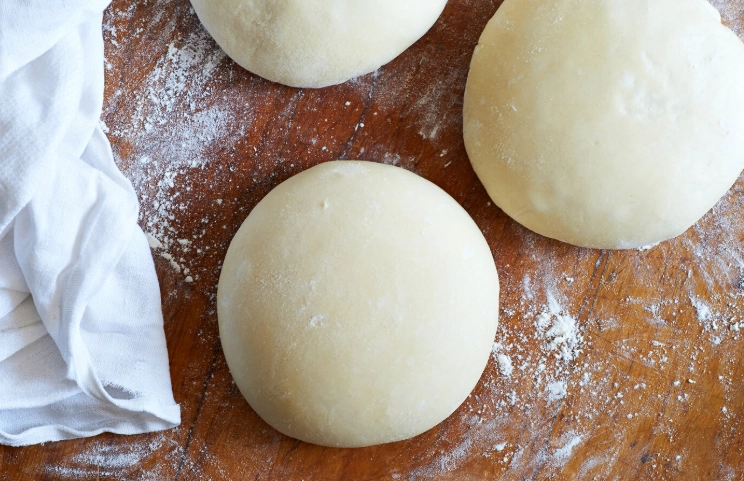
Store-bought dough? I've been there. But for a true Neapolitan-style Margherita, the dough is the star. You need high-protein "00" flour, water, salt, and yeast. That's it. The magic is in the long, cold fermentation. Mix it, let it rise at room temperature for a few hours, then punch it down and let it rest in the fridge for 24 to 72 hours. This slow rise develops incredible flavor and creates those beautiful air pockets.
If you don't have a pizza oven (who does?), get your home oven as hot as it will go, with a pizza stone or steel inside preheating for at least an hour. You want that surface blistering hot. Stretch the dough by hand—don't use a rolling pin, you'll crush the bubbles. Keep it thin in the middle, with a thicker cornicione (crust edge).
For the topping, less is more. Spread a thin layer of San Marzano tomato pulp (just crushed by hand). Tear some fresh mozzarella di bufala (the wet one, drain it well!) and scatter it. A few basil leaves. A drizzle of extra virgin olive oil. Bake it until the crust is puffed and charred in spots and the cheese is melted and bubbly. This takes minutes in a hot oven. The result is a celebration of simplicity. The official specifications for Neapolitan pizza are actually protected and outlined by bodies like the Istituto di Servizi per il Mercato Agricolo Alimentare (Institute for Services to the Agricultural Food Market), which highlights the importance of specific ingredients.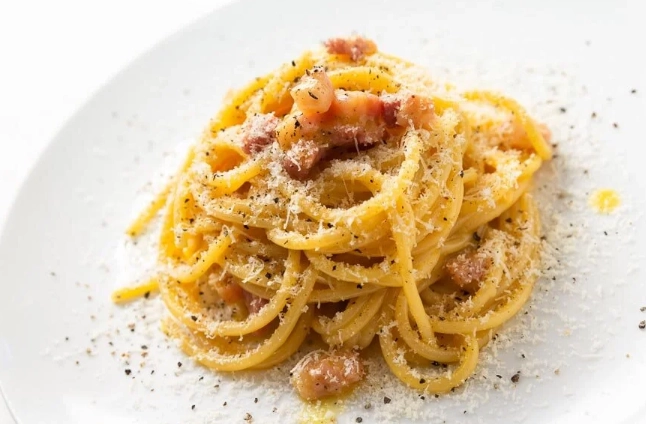
Tiramisù: The No-Bake Legend
The dessert to end all desserts. And guess what? No baking. The classic version has no alcohol, though a splash of Marsala in the coffee is common. The controversy usually lies in the cream layer. Many recipes use just whipped cream folded into mascarpone. The traditional, far superior method uses a zabaglione—a cooked egg yolk and sugar custard—folded into the mascarpone. It's lighter and more sophisticated.
Make strong espresso and let it cool. Dip Savoiardi (ladyfingers) quickly—I mean, in-and-out quickly. A soggy finger is a sad finger. Layer them in a dish. Whip your egg whites to stiff peaks (use fresh, clean eggs). Fold the whites into the mascarpone-zabaglione mixture. Spread this cloud over the cookies. Dust heavily with unsweetened cocoa powder. Chill for at least 6 hours, overnight is best. It sets up and the flavors meld. The Italian National Tourist Board's food section often features tiramisù as a cultural icon, which speaks to its status.
It's foolproof, impressive, and the perfect end to a meal built from these popular Italian dishes recipes.
Answering Your Italian Cooking Questions (FAQ)
I get asked these all the time. Let's tackle some of the big ones head-on.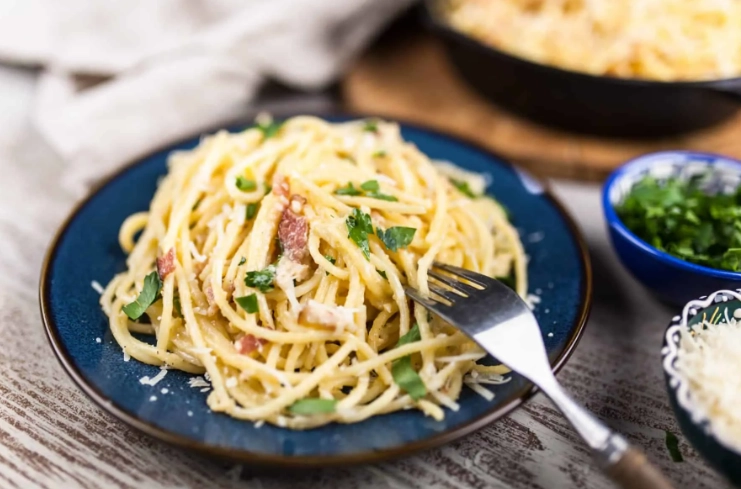
Wrapping It Up: Your Italian Kitchen Journey
So there you have it. A deep, slightly opinionated dive into the world of popular Italian dishes recipes. It's not about rigid rules that make cooking a chore. It's about principles that make the food sing. Start with the best ingredients you can find. Respect the process—don't rush the ragù, don't skip the stirring on the risotto. And most importantly, cook with confidence and a bit of joy.
I started this journey frustrated by mediocre imitations. Now, a well-executed carbonara or a slice of my own homemade pizza is more satisfying than most restaurant meals. It's a connection to a culture that celebrates food as life. Don't be intimidated. Pick one dish that calls to you, gather your ingredients, and give it a go. Mess it up. Then try again. Your kitchen, your rules—but maybe with a little Italian wisdom guiding the way.
What's the first dish you're going to tackle? For me, it's always going to be carbonara. It's my ultimate comfort food test. Happy cooking!
Related Articles
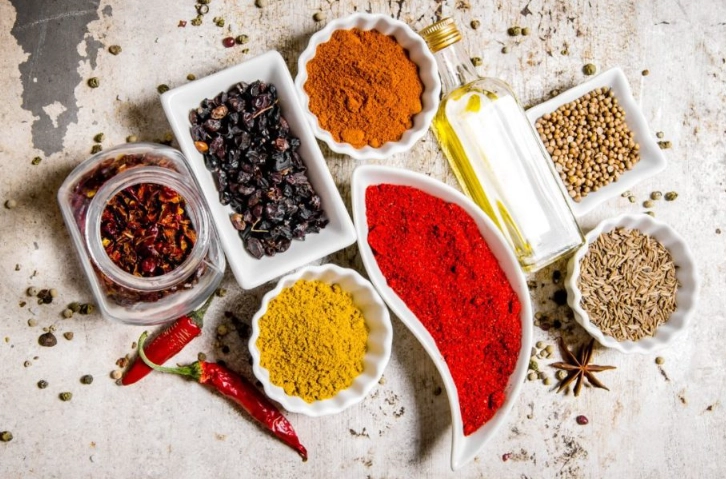
Top 5 Italian Seasonings to Master Authentic Flavor
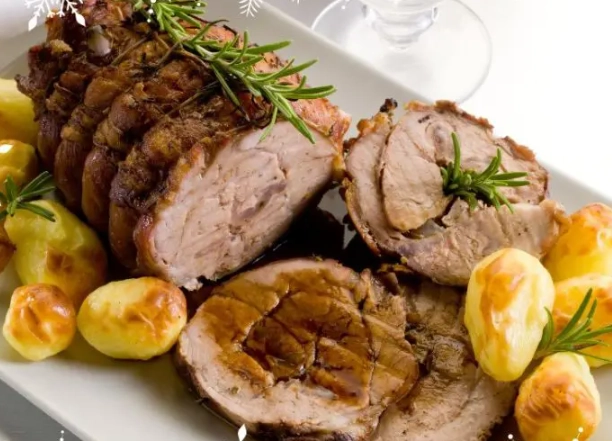
The Ultimate Guide to an Authentic Italian Christmas Dinner Menu
Authentic Italian Green Beans Recipe: A Classic Nonna's Method
Easiest Italian Food to Make: 5 Simple Recipes for Beginners
Authentic Italian Vegetarian Appetizers: Recipes, Tips & Menus