Simple Italian Dishes Recipes: Easy Classics You Can Actually Make
Your Quick Guide
Let's be real. Sometimes you look at a gorgeous picture of some fancy Italian food and think, "Yeah, I could never make that." All those ingredients, the fancy techniques... it's enough to make you just order a pizza. But what if I told you that real Italian home cooking, the kind Nonna actually makes on a Tuesday, is built on simplicity? It's true. The heart of Italian cuisine isn't about showing off; it's about a few great ingredients treated with respect.
That's what this is all about. We're ditching the complicated stuff and getting to the good, honest, and yes, simple Italian dishes recipes that anyone can pull off. I'm talking about pastas that come together in the time it takes to boil water, appetizers that impress with almost zero effort, and the one-pan wonder that might just become your new favorite.
I learned this the hard way. My first attempt at a "simple" risotto was a gluey, stressful mess. I was stirring like my life depended on it, adding broth by the thimbleful. It was awful. Then an Italian friend laughed and said, "You're trying too hard. Relax!" That changed everything. So trust me, we're going to relax and cook some incredible food.
Why Italian Food is Perfect for Beginners (and Busy People)
You might wonder why we're focusing on Italian recipes when you could try anything. Well, it's not just about the taste (though that's a huge part of it). Italian cooking philosophy aligns perfectly with the goal of finding simple Italian dishes recipes.
First, there's the ingredient-shines principle. Unlike cuisines that rely on complex spice blends, Italian food often lets one or two top-quality ingredients be the star. A perfect tomato, a great olive oil, some fresh basil. You don't need a pantry overflowing with obscure items.
Think about it: Have you ever had a Caprese salad? It's just tomato, mozzarella, basil, oil, and salt. That's it. Yet when the ingredients are good, it's a revelation. That's the whole idea.
Second, many classic dishes are inherently quick. Pasta cooks in 8-12 minutes. A bruschetta topping takes 5 minutes to chop. These are weeknight saviors. Finally, there's flexibility. Don't have pancetta? Use bacon. No fresh basil? A pinch of dried oregano can work in a pinch. Italian home cooks are masters of substitution, and we can be too.
The Core Principles of Simple Italian Cooking
Before we jump to the recipes, let's talk mindset. Following these few unwritten rules will make your results taste a hundred times more authentic, I promise.
1. Quality Over Quantity (of Ingredients)
This is the golden rule. You can't hide poor ingredients. If your olive oil tastes bitter or your canned tomatoes are watery and bland, your dish will be too. You don't need to buy the most expensive everything, but be strategic. Spend a little more on a good extra virgin olive oil for finishing dishes and a decent block of Parmigiano-Reggiano. These become your flavor powerhouses.
2. Salt Your Pasta Water Like the Sea
This is the single most common mistake I see. Your pasta water should taste salty, like seawater. This is the only chance you get to season the pasta itself from the inside out. A timid pinch won't do it. Be bold. It makes a world of difference.
3. Reserve That Pasta Water!
Right before you drain your pasta, scoop out a mugful of the starchy, salty cooking water. This liquid gold is the secret sauce (literally) for creating silky, emulsified sauces that cling to every strand. It's the magic trick in so many simple Italian pasta recipes.
Personal pet peeve: I see so many recipes that just tell you to "drain the pasta." They skip the most crucial step! Always, always save some water. Your sauce will thank you.
4. Cook Your Sauce *With* the Pasta
Don't just dump sauce on top of cooked pasta. For the last minute or two of cooking, transfer your almost-al-dente pasta directly into the pan with your sauce. Add a splash of that reserved pasta water and let them finish cooking together, tossing constantly. The pasta absorbs the sauce's flavor, and the sauce thickens and clings. It's called "finishing in the pan," and it's non-negotiable.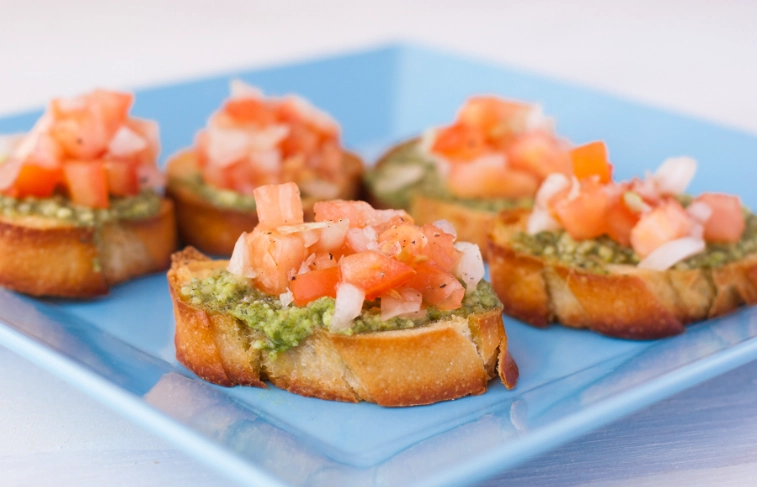
The Essential Simple Italian Pantry
You don't need a lot. With these staples, you can make a shocking variety of simple Italian meals on a whim. I've organized them by priority.
| Priority | Item | Why You Need It & Brand Tip |
|---|---|---|
| Tier 1: Non-Negotiable | Dried Pasta (Spaghetti, Penne, Rigatoni) | The foundation. Look for brands like De Cecco, Rummo, or Barilla—they have great texture. Avoid anything that cooks in under 8 minutes. |
| Canned Whole Peeled Tomatoes | The base for countless sauces. San Marzano DOP tomatoes are legendary for their sweet, low-acid flavor. Cento and Muir Glen are good, reliable options too. | |
| Extra Virgin Olive Oil | For finishing. A good one has a peppery finish. Don't cook with your best bottle—use a lighter olive oil or another oil for high heat. | |
| Parmigiano-Reggiano (block) | Buy a block and grate it yourself. The pre-grated stuff has anti-caking agents that ruin the texture and melt. It's worth the extra few seconds. | |
| Tier 2: Game Changers | Anchovy Fillets (in oil) | Hear me out. They melt into sauces (like Puttanesca) and add a deep, savory umami, not a fishy taste. A tiny tin lasts forever. |
| Capers (in brine) | Little bursts of salty, briny flavor. Essential for Piccata and Puttanesca. Rinse them before using if you want to reduce saltiness. | |
| Dried Oregano & Red Pepper Flakes | Your basic seasoning squad. Oregano for pizzas and tomato sauces, red pepper flakes for heat ("peperoncino"). | |
| Tier 3: Nice to Have | Arborio or Carnaroli Rice | For risotto. They have the high starch content needed for that creamy texture. You can't substitute regular rice. |
| Balsamic Vinegar | A good aged one for drizzling on finished dishes, strawberries, or even vanilla ice cream. The cheap stuff is just colored wine vinegar. | |
| Pine Nuts | For authentic pesto and to add crunch to pastas and salads. They're pricey, so store them in the freezer to prevent rancidity. |
See? Not so scary. With just the Tier 1 items, you're already in business.
Foolproof Simple Italian Dishes Recipes
Alright, let's get to the good part. These recipes are chosen because they're genuinely easy, wildly flavorful, and teach you core techniques. I've included little tweaks and warnings from my own kitchen disasters.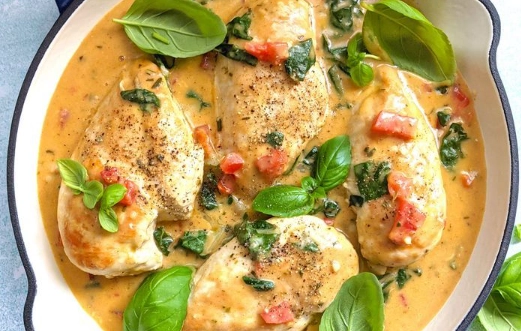
The 10-Minute Wonder: Spaghetti Aglio e Olio
Spaghetti Aglio e Olio (Garlic & Oil)
The Concept: This is the ultimate pantry pasta. It's the dish every Italian student makes when funds are low. It proves that with just garlic, oil, chili, and parsley, you can create something magical. The technique of toasting the garlic slowly is everything.
Ingredients (for 2): 200g spaghetti, 4-5 garlic cloves (thinly sliced, NOT minced—minced burns too fast), 1/2 cup good extra virgin olive oil, 1/2 tsp red pepper flakes (or to taste), a big handful of fresh parsley (chopped), salt.
Method:
- Start boiling heavily salted water for your pasta.
- In a large skillet (big enough to eventually hold the pasta), combine the olive oil and sliced garlic. Turn the heat to medium-low. You want to gently cook the garlic until it's just turning golden and fragrant. This takes about 5 minutes. If the garlic sizzles violently, your heat is too high! Add the red pepper flakes for the last 30 seconds.
- Cook your spaghetti until it's 1 minute shy of al dente. Reserve at least 1 cup of pasta water before draining.
- Transfer the drained pasta directly into the skillet with the garlic oil. Add about 1/2 cup of pasta water. Increase heat to medium and toss, toss, toss! The water and oil will emulsify into a creamy, glossy sauce that coats the pasta. Add more pasta water if it looks dry.
- Turn off the heat, stir in the parsley, and serve immediately. No cheese on this one—it's not traditional!
My Note: The first time I made this, I burnt the garlic. It was bitter and awful. Low and slow is the only way. Be patient.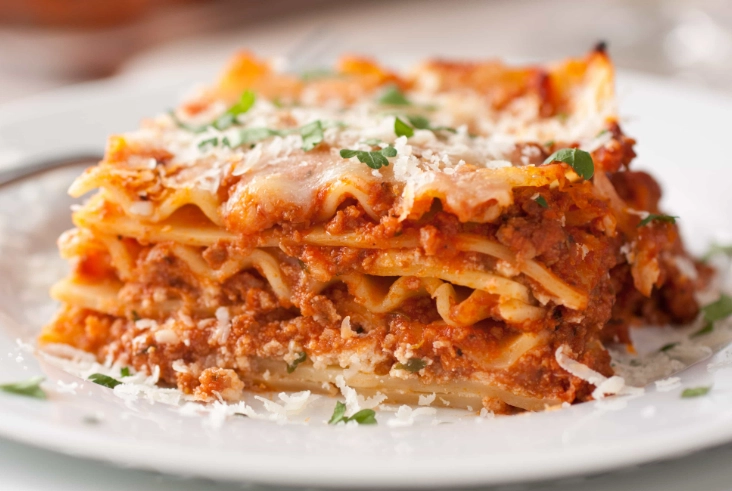
The Crowd-Pleaser: Classic Bruschetta
Bruschetta (pronounced broo-SKET-ta, not broo-SHET-ta) is the king of easy appetizers. It's all about contrast: crunchy, charred bread against a juicy, fresh topping. The trick is to treat the bread and tomato mixture as separate components until the last second to avoid sogginess.
Soggy bread is the enemy.
Ingredients: A baguette or ciabatta, ripe tomatoes (Roma/plum are best), fresh garlic, basil, extra virgin olive oil, balsamic glaze (optional), salt.
Method:
- Dice the tomatoes. Put them in a colander and sprinkle with a little salt. Let them drain for 10-15 minutes. This removes excess water and concentrates their flavor. This step is a game-changer.
- Slice the bread on a diagonal into 1/2-inch thick pieces. Grill or broil them until nicely charred on both edges.
- Take a peeled garlic clove and rub it vigorously on the warm, toasted bread. The heat acts like a grater, leaving a subtle garlic essence without chunks.
- Drizzle the bread with a little olive oil.
- Mix the drained tomatoes with torn basil leaves, a generous glug of olive oil, and a pinch more salt.
- Spoon the tomato mixture onto the bread right before serving. A tiny drizzle of balsamic glaze looks pretty and adds sweetness.
The One-Pan Hero: Chicken Piccata
This feels fancy but is deceptively simple. It's a restaurant-quality dish you can make in one skillet in under 30 minutes. The sauce—butter, lemon, white wine, and capers—is bright, tangy, and luxurious. Perfect for when you want to impress but don't want to slave away. This is a staple in my house for a reason.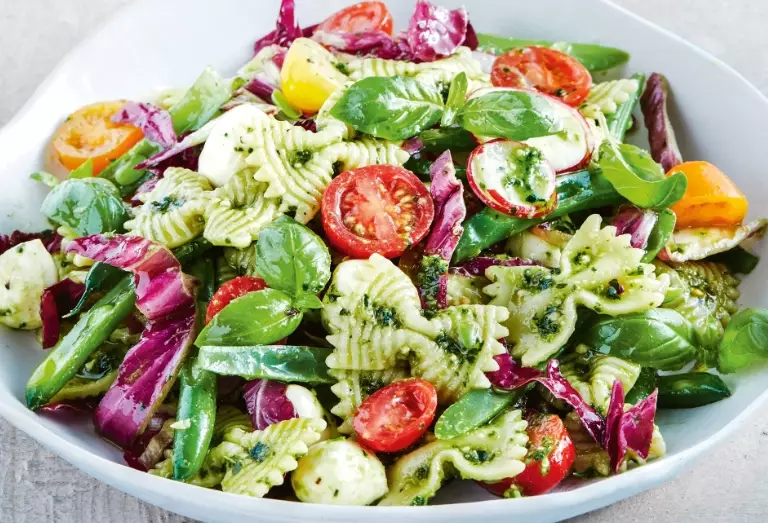
Simple Chicken Piccata
Ingredients (for 2): 2 chicken breasts, butterflied and pounded thin, salt & pepper, 1/4 cup flour, 2 tbsp olive oil, 2 tbsp butter, 1/3 cup dry white wine (like Pinot Grigio), 1/3 cup chicken broth, juice of 1 lemon, 2 tbsp capers (rinsed), fresh parsley.
Method:
- Season the chicken cutlets. Lightly dredge them in flour, shaking off the excess.
- Heat olive oil and 1 tbsp butter in a large skillet over medium-high heat. Cook the chicken for 3-4 minutes per side until golden and cooked through. Remove to a plate.
- In the same skillet, add the wine. Use a wooden spoon to scrape up all the browned bits (that's flavor!). Let it bubble and reduce by half.
- Add the chicken broth, lemon juice, and capers. Let it simmer for 2-3 minutes.
- Turn off the heat and swirl in the remaining 1 tbsp of butter. This makes the sauce silky and rich.
- Return the chicken to the pan, spoon the sauce over it, sprinkle with parsley, and serve. I love this with simple mashed potatoes or angel hair pasta to soak up the sauce.
Substitution Tip: No wine? Use all chicken broth with an extra squeeze of lemon. The wine just adds complexity, but it'll still be delicious.
Answering Your Italian Cooking Questions
I get a lot of questions from friends when they try these simple Italian dishes recipes. Here are the most common ones, answered straight.
- Start with good tomatoes: San Marzanos are naturally less acidic.
- Cook it longer: A quick 10-minute sauce will be brighter and more acidic. Simmering for 30-45 minutes mellows the acidity.
- The carrot trick: Add a small, whole peeled carrot to the sauce while it simmers. It naturally neutralizes acidity. Remove it before serving.
- A pinch of sugar: A tiny pinch (not to make it sweet) can balance acidity. I prefer using the carrot method.
- Finish with butter: Stirring in a knob of butter at the end rounds out sharp flavors beautifully.
Taking Your Simple Recipes to the Next Level
Once you're comfortable with the basics, these tiny upgrades can make your dishes sing.
For Pasta: Try finishing your dish with a cold cube of butter tossed in off the heat, just like in the Piccata sauce. It creates an unbelievably velvety texture. Also, toasting your dried pasta in a dry pan for a minute before adding boiling water adds a nutty, deeper flavor—a trick I learned from an old chef in Bologna.
For Salads & Finishing: Invest in a flaky sea salt (like Maldon) and a pepper grinder. Finishing a dish with a sprinkle of flaky salt and freshly cracked pepper just before serving adds a burst of flavor and great texture.
Learn One Sauce: Pesto. It's not just for pasta. Toss it with roasted veggies, spread it on sandwiches, mix it into mayo for a dip. The classic Genovese pesto recipe is guarded, but the Consorzio del Basilico Genovese outlines the traditional ingredients and method. My simpler version: blend 2 cups fresh basil, 1/3 cup pine nuts, 2 garlic cloves, 1/2 cup grated Parmigiano, and 1/2 cup olive oil until smooth. Season with salt.
Seriously, homemade pesto will ruin the jarred stuff for you forever.
Wrapping It Up
The goal here wasn't to give you a bunch of complicated restaurant replicas. It was to show you that the soul of Italian cooking—the part that truly satisfies—is accessible. It's in the simple Italian dishes recipes passed down through homes, not fancy kitchens.
Start with the aglio e olio. Master the garlic. Then try the bruschetta and get your tomato-draining technique down. Move on to the Piccata when you want something a little more "wow." Each one teaches you a fundamental skill that builds your confidence.
Remember, the best Italian food isn't about perfection. It's about sharing good ingredients cooked with care. Don't stress over every detail. Taste as you go, adjust, and make it your own. That's how the Italians do it. Now, go boil some water, salt it like you mean it, and cook something delicious.
Related Articles
What to Cook for an Italian Christmas: The Ultimate Feast Guide
Authentic Italian Chicken Cacciatore Recipe: A Hunter's Stew
Ultimate Guide to Italian Sausage Recipes: From Classic to Creative
Authentic Carbonara Recipe: The Real Italian Way (No Cream!)
Italian Sausage Pasta Recipes: A Complete Guide to Classic Comfort Food