What Are the Ingredients for Bruschetta? The Complete Guide
Quick Navigation
So you want to know what are the ingredients for bruschetta? It seems like a simple question, right? You see it on every Italian restaurant menu, a pile of chopped tomatoes on toast. But let me tell you, the difference between a good bruschetta and a truly memorable one is all in the details of those ingredients. I learned this the hard way, after a trip to Tuscany where I had a version so good it ruined all others for me. It wasn't just food; it was an experience. The bread had this incredible smokiness from the grill, the tomatoes tasted like sunshine, and the oil was so fresh it was almost peppery. I came home determined to crack the code.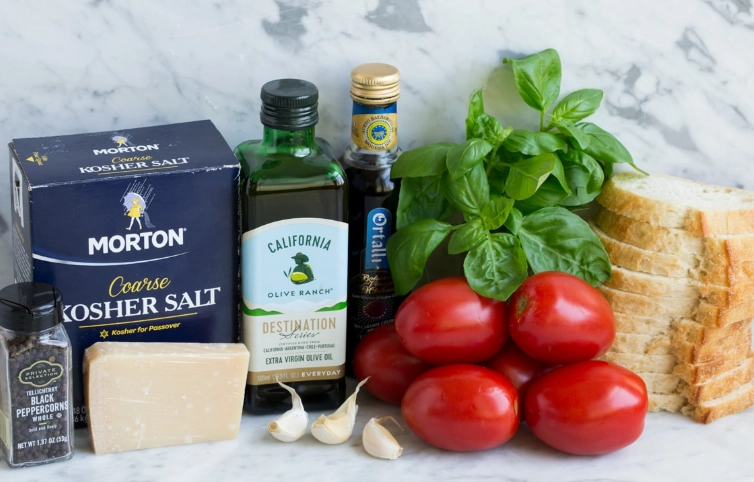
And that's what we're doing here. We're not just listing items. We're going to dig into why each ingredient matters, what the best choices are, and how they work together. Because knowing what goes in is the first step to making something you'll be proud to serve.
The Core Idea: At its heart, bruschetta (pronounced broo-SKEH-tah, not broo-SHET-ah) is a celebration of simplicity and quality. It's peasant food that became a global star because it relies on perfecting a few key elements, not on a long list of complicated items.
The Non-Negotiable Foundation: The Bread
If your bread isn't right, nothing else matters. This is the stage for your toppings, and a soggy or flimsy stage will cause a collapse. The classic choice, and my personal favorite, is a rustic Italian loaf. Think ciabatta or a good sourdough boule. What are we looking for?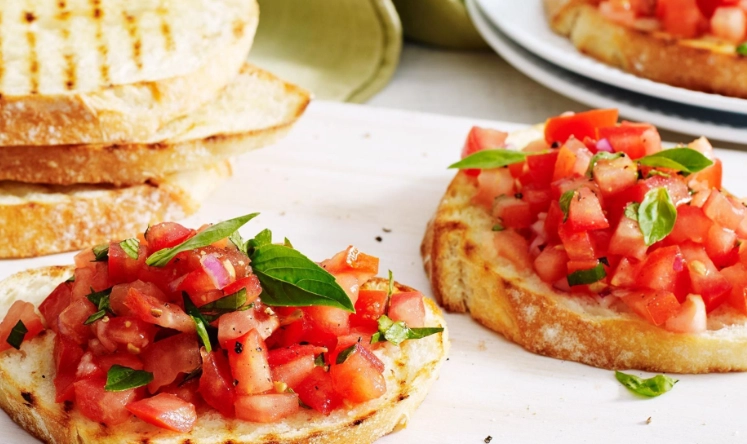
First, it needs a sturdy, thick crust. This is crucial. When you grill or toast it, that crust becomes a barrier. It resists sogginess from the juicy tomatoes and oil, giving you a satisfying crunch with every bite. A flimsy, pre-sliced sandwich bread will turn to mush in seconds—trust me, I've made that mistake.
Second, the interior (the crumb) should have an open, holey structure. This isn't just for looks. Those air pockets create a craggy surface that grabs onto the olive oil and garlic, holding all that flavor. A dense, tight crumb just won't absorb the goodness the same way.
How thick do you slice it? About 3/4 of an inch is the sweet spot. Thinner, and it's a cracker. Thicker, and it becomes too bready, overwhelming the topping.
My Go-To Move: I let my bread sit out, uncovered, for a few hours before I plan to make bruschetta. Letting it get slightly stale (not rock hard, just not soft) actually helps. It toasts more evenly and becomes even more resistant to moisture. It's a little trick I picked up from an old Italian nonna on a cooking forum years ago.
Bread Alternatives (When You're in a Pinch)
No rustic loaf? Don't cancel your appetizer plans. You can work with what you have.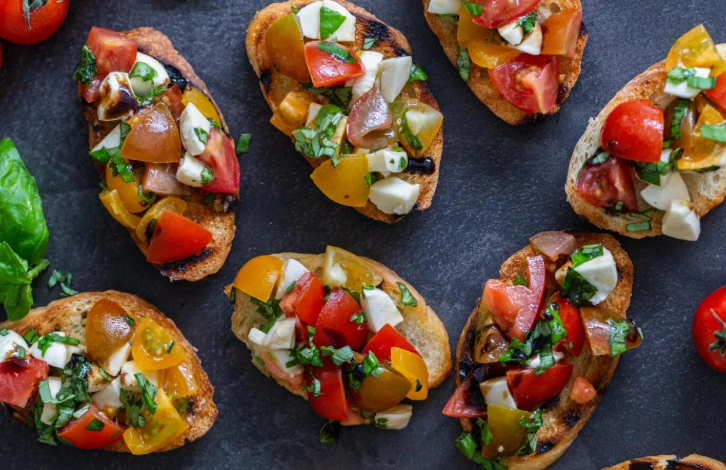
A baguette, sliced on a sharp diagonal to get wider pieces, can work in a pinch. The crust is good, though the crumb is usually tighter. A hearty whole-grain or seeded bread can add a nice nutty flavor, but make sure it's not too moist or sweet. Honestly, I'd avoid typical sandwich bread at all costs. The texture just doesn't hold up, and it makes the whole thing taste cheap.
The Heart of the Matter: The Tomato Topping
This is where most people ask, "What are the ingredients for bruschetta topping?" specifically. The classic is the tomato-basil version, and it's a masterpiece of balance.
Tomatoes: This is the star. You want ripe, flavorful tomatoes. In the summer, that means ripe Roma (plum) tomatoes or any juicy, local heirloom variety. Romas are less watery, which is a plus. In the winter, I'm not above using good-quality canned whole San Marzano tomatoes for their consistent flavor. Just drain them well and chop them. A mealy, out-of-season tomato will give you a sad, flavorless bruschetta.
Deseed and chop them. Why deseed? It's not strictly mandatory, but it removes a lot of excess water that can pool on your bread. I like a medium dice—not too fine, not too chunky.
Fresh Basil: Tear it, don't chop it with a knife. Chopping bruises the leaves and can turn the edges black. Tearing releases the fragrant oils more gently. You want the sweet, anise-like flavor of Genovese basil.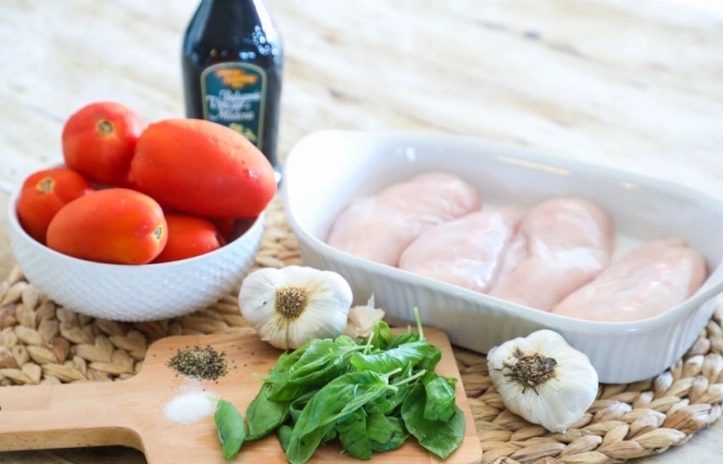
Garlic: Ah, garlic. This is a point of contention. The authentic method is to rub a raw garlic clove directly onto the hot, toasted bread. This gives a sharp, pungent kick. It's fantastic, but it's also intense and not for everyone (or every date night). The more common method is to mince a clove or two finely and mix it right into the tomato salad. This disperses the flavor more evenly and mellows it slightly. I prefer the rubbing method for its purity, but I'll use the mix-in method if I'm serving a crowd with unknown garlic tolerance.
Extra Virgin Olive Oil (EVOO): Don't you dare use the flavorless stuff from the back of your cabinet. This is one of the main flavor agents. A robust, fruity, peppery extra virgin olive oil is non-negotiable. It binds the topping, adds richness, and its flavor shines through. You'll use it twice: in the tomato mixture and again drizzled on the bread before topping.
Salt: Coarse sea salt or kosher salt. It seasons the tomatoes, drawing out their natural juices to create a little bit of a dressing in the bowl. Add it to the tomato mix and let it sit for 10-15 minutes before assembling. This waiting period is magic—it lets the flavors marry.
A tiny splash of good balsamic vinegar or glaze can be added for a touch of sweetness and acidity, but purists might scoff. I sometimes add a tiny bit if my tomatoes aren't perfectly ripe.
| Ingredient | Classic Role & Purpose | Pro-Tip / Watch Out For |
|---|---|---|
| Rustic Bread (Ciabatta) | The sturdy base; provides crunch and structure. | Slice thick (3/4"), stale slightly for best toasting. |
| Ripe Tomatoes (Roma) | The juicy, flavorful star of the topping. | Deseed to prevent sogginess. Let sit with salt. |
| Fresh Basil | Adds aromatic, sweet freshness. | Tear, don't chop, to avoid bruising. |
| Garlic | Provides essential pungent kick and flavor. | Rub on toast (intense) or mix in topping (milder). |
| High-Quality EVOO | Binds topping, adds richness and fruity flavor. | Use a robust one you love the taste of on its own. |
| Coarse Salt | Seasons and draws out tomato juices. | Don't use fine table salt; it disperses too quickly. |
Beyond the Classic: Exploring Bruschetta Variations
Once you've mastered the tomato version, the world is your oyster (and that could literally be a topping). The formula is simple: great bread + flavorful fat/seasoning + delicious topping. So, what are the ingredients for bruschetta beyond tomatoes? Here are some favorites:
- Fava Bean & Pecorino: A spring delight. Mashed fresh fava beans with lemon zest, pecorino cheese, and mint.
- White Bean & Rosemary: Creamy cannellini beans mashed with garlic, fresh rosemary, and lots of olive oil. Hearty and warm.
- Mushroom & Thyme: Sautéed wild mushrooms (like cremini or shiitake) with shallots, thyme, and a splash of white wine.
- Prosciutto & Fig: Sweet and salty. Fresh fig spread or sliced fresh figs with thin strips of prosciutto and a drizzle of honey.
- Burrata & Pesto: The ultimate indulgence. A slice of creamy burrata cheese on the toasted bread, topped with a spoonful of fresh pesto.
See? The basic principle of what are the ingredients for bruschetta stays the same: you start with that perfect canvas of bread.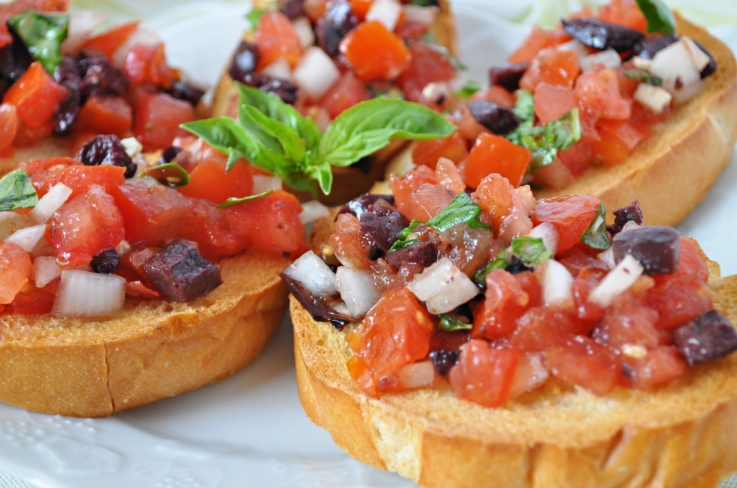
The Assembly Line: Order of Operations Matters
How you put it together is as important as what you put together. Get this wrong, and you end up with a soggy mess. Here's my tried-and-true method:
- Prep the topping first. Chop tomatoes, tear basil, mix with salt, a little oil, and garlic (if using the mix-in method). Let it sit on the counter. Don't refrigerate it! Cold tomatoes lose their flavor.
- Toast the bread. Grill, broil, or use a grill pan. You want deep grill marks or a good overall char. The goal is a crunchy exterior with a slightly chewy interior. A toaster often dries it out too much.
- Garlic & Oil the bread IMMEDIATELY. As soon as the bread comes off the heat, take a raw garlic clove (peeled) and rub it vigorously all over the top surface. The heat helps release the garlic's oils. Then, while the bread is still hot, drizzle or brush it generously with your best olive oil. This soaks in and flavors the bread itself.
- Top just before serving. Put the bread on a platter, spoon the tomato mixture on top (use a slotted spoon to avoid excess juice), and finish with another tiny drizzle of oil and a basil leaf. Serve immediately.
The Biggest Mistake: Assembling the whole thing ahead of time and letting it sit. The bread will absorb all the liquid and become a sad, soggy sponge. Always keep components separate until the moment you serve. This is the single most important tip for perfect bruschetta.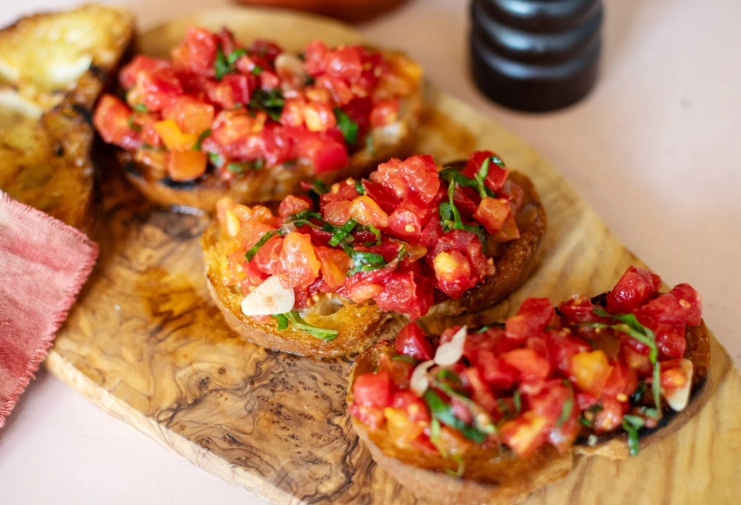
Answering Your Bruschetta Questions
I get a lot of questions about this dish. Here are the ones that pop up most often when people are figuring out what are the ingredients for bruschetta and how to handle them.
You can, but with a strict strategy. Prep all the components separately. Chop the tomato mix and keep it in a bowl at room temp. Toast the bread and let it cool completely on a rack (so it stays crisp), then store it in a paper bag. Garlic-rub and oil the bread right before you assemble and serve. Doing the garlic/oil step hours ahead makes the bread greasy and soft.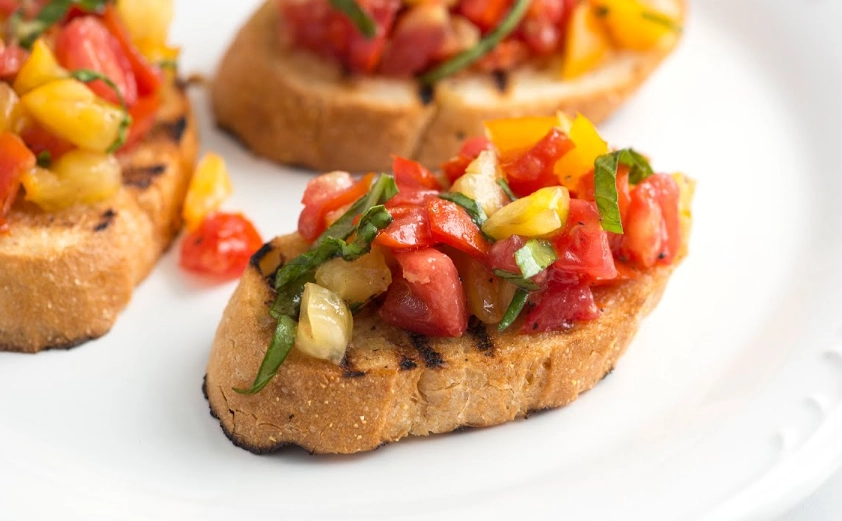
Since it's such a featured flavor, use an extra virgin olive oil with a profile you enjoy. A robust, peppery Tuscan oil is classic. A fruitier Ligurian oil can be lovely too. The key is freshness. Olive oil doesn't improve with age. If you're unsure about quality, resources like the International Olive Council or your country's agriculture department (e.g., the Italian Ministry of Agricultural, Food and Forestry Policies has info on olive oil) can provide guidance on quality seals and origins.
This is the universal problem. Re-check the steps: 1) Did you use bread with a thick, sturdy crust? 2) Did you deseed the tomatoes? 3) Did you use a slotted spoon to top the bread, leaving excess juice behind? 4) Are you assembling more than 5 minutes before serving? One of these is usually the culprit.
The bread should be warm (even hot) when you oil it. The topping is at room temperature. So when you eat it, you get a wonderful contrast of warm, oily, garlicky bread with cool, juicy, fresh topping. It's all about the contrast.
Please, no. I'm not usually a purist, but dried basil tastes like hay and has no place here. The fresh, aromatic quality of basil is a key part of the flavor profile. If you can't get fresh basil, consider a different topping altogether, like the mushroom or white bean versions which rely on other herbs.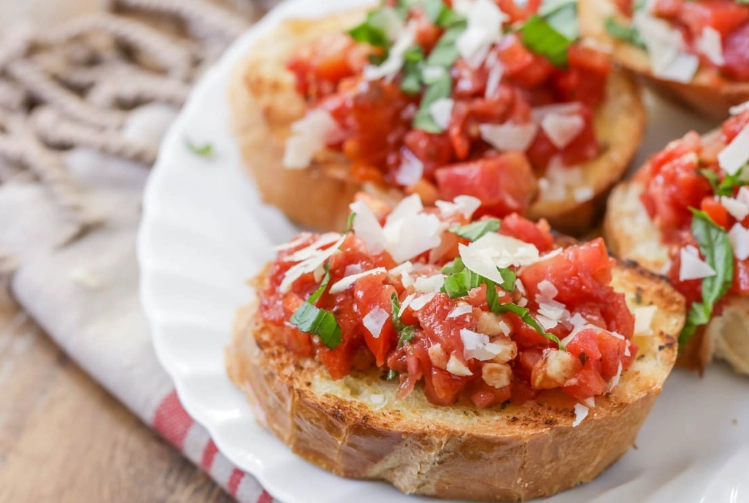
Let's Talk About Quality and Sourcing
Because the ingredient list is so short, the quality of each one screams at you. A bland tomato? You'll taste it. Stale, rancid olive oil? It will ruin everything. This isn't a stew where flavors hide and meld.
For the olive oil, look for a harvest date on the bottle, not just a "best by" date. Oil is best within 18-24 months of harvest. Store it in a cool, dark place. For tomatoes, when they're in season, buy them from a farmer's market if you can. The flavor difference is night and day. For food safety and best practices on handling fresh produce, reputable sources like university extensions (e.g., the UC Food Safety website) have great, science-based information.
And the bread? See if a local bakery makes a rustic sourdough or ciabatta. The chewy texture and complex flavor from a natural starter beat supermarket loaves every time.
So, there you have it. We've gone far beyond just listing what are the ingredients for bruschetta. We've talked about the soul of each component, the techniques that make them sing, and the pitfalls to avoid. It's a simple dish, but like many simple things, it demands respect and attention to detail.
The best part? Once you know the rules, you can play with them. You understand the framework. Now you can experiment with your own seasonal finds from the market. That's when cooking becomes truly fun. So grab some bread, some ripe tomatoes, and your best oil. It's time to make some bruschetta.
Related Articles
Easy Authentic Italian Minestrone Soup Recipe & Secrets
Creamy & Rich Italian Pasta Sauce Recipe Without Tomatoes
Easy Italian Recipes: 5 Classics Anyone Can Master at Home
Easy Italian Soup Recipes: Quick & Authentic Comfort Food
Best Desserts After Pasta: Expert Picks for a Perfect Finish