The Real Secret to Good Bruschetta: A Chef's Guide to Perfect Toasts
In This Guide
Let's be honest. We've all had bad bruschetta. The kind where the bread is either a jaw-breaking shard of toasted concrete or a sad, soggy sponge that collapses under the weight of watery, bland tomatoes. You take a bite and think, "Is this it?" I've been there too, at a fancy-ish restaurant that charged fifteen bucks for the privilege. It was a letdown.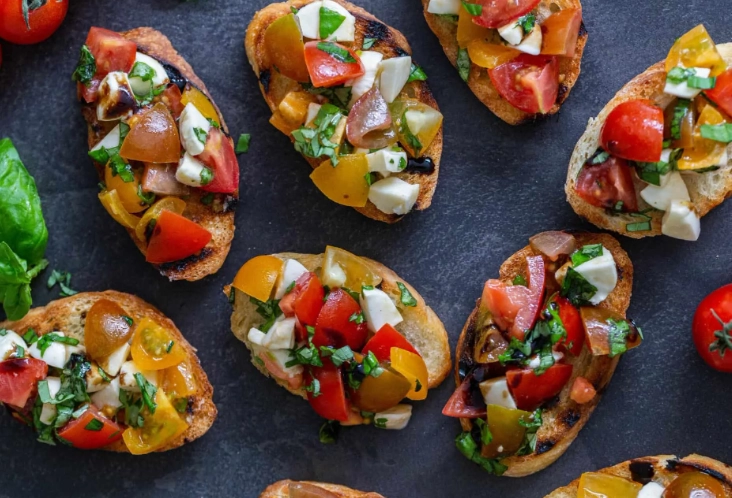
But then you have the good stuff. The kind that makes you close your eyes for a second. The bread has a serious crunch that gives way to a tender, olive oil-soaked interior. The tomatoes burst with sweet, acidic summer flavor, mingling with garlic and fresh basil. You can't eat just one. That's the experience we're after.
So, what is the secret to good bruschetta? Is it heirloom tomatoes? Fancy olive oil? A specific type of bread?
It's all of those things, and none of them. The real secret isn't a single ingredient. It's a mindset. It's understanding that bruschetta is a simple dish where every element needs to be treated with intention. There's no place to hide. A soggy base or bland topping ruins the whole thing. But get each part right, and you have magic.
I learned this not in a fancy culinary school, but through trial and error (lots of error) in my own kitchen and from talking to people who grew up with this as a snack. This guide is that conversation. We're going to break down every component, talk about where you can cut corners (and where you absolutely shouldn't), and answer all the questions that pop up when you're standing in your kitchen wondering how to make bruschetta that actually tastes like it came from a sun-drenched Italian terrace.
The Three Pillars of Perfect Bruschetta
If you want to know what is the secret to good bruschetta, you need to master three things. Think of them as the non-negotiable foundation.
- The Bread (The Foundation): This isn't just a vehicle. It's the structural integrity of your snack. Get this wrong, and everything falls apart, literally.
- The Topping (The Soul): Most people think this is just chopped tomatoes. It's a seasoned salad that sits on top, and how you treat it makes all the difference.
- The Technique (The Glue): This is the "how-to"—the toasting, the rubbing, the assembly. Skip a step here, and you miss the point entirely.
Let's get our hands dirty with the first pillar.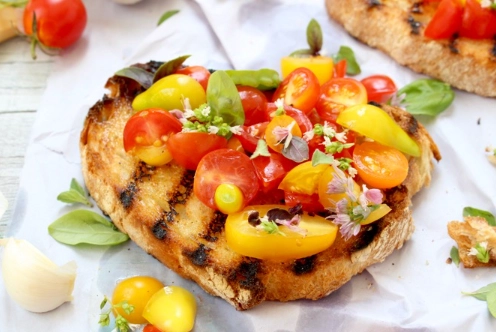
Pillar 1: Choosing and Prepping The Bread
This is the hill I will die on. Your average sliced sandwich bread will not work. It's too soft, too sweet, and too full of air. You need a bread with a sturdy, dense crumb (the inside) and a thick, substantial crust.
A rustic, country-style loaf is your best friend. Something like a ciabatta or a pugliese is ideal. Why? They have an open, irregular hole structure and a chewy texture that holds up to toasting and oil without turning to mush. A baguette can work in a pinch, but slices can be too small and the crust-to-crumb ratio is off—often too much crust.
I made the mistake once of using a cheap, pre-sliced "Italian" bread from the supermarket. It toasted up okay, but the second I added the tomato mixture, it became a pathetic, drooping mess within minutes. Lesson learned the hard way.
Here’s a quick comparison to help you choose:
| Bread Type | Best For Bruschetta? | Why | Watch Out For |
|---|---|---|---|
| Rustic Ciabatta | Yes, Excellent | Open crumb, chewy texture, great crust. Soaks up oil without sogginess. | Can be too holey; find a loaf with a tighter crumb at the ends. |
| Pugliese or Country Loaf | Yes, Ideal | Dense, moist crumb, thick crust. The classic choice. | Can be hard to find outside of specialty bakeries. |
| Baguette | Okay in a Pinch | Easy to find, good crunch. | Slices are small, often too crusty. Can become hard rather than crunchy. |
| Sourdough | Yes, with Caution | Great flavor and structure. | The tangy flavor can compete with the topping. Use a mild sourdough. |
| Pre-Sliced Sandwich Bread | No | -- | Will become instantly soggy and lack texture. |
How to slice it: Bias-cut (diagonally) into pieces about 3/4-inch thick. Thicker than you think! A thin slice has no interior to contrast with the crust and will just be hard. A thick slice gives you that fantastic textural play.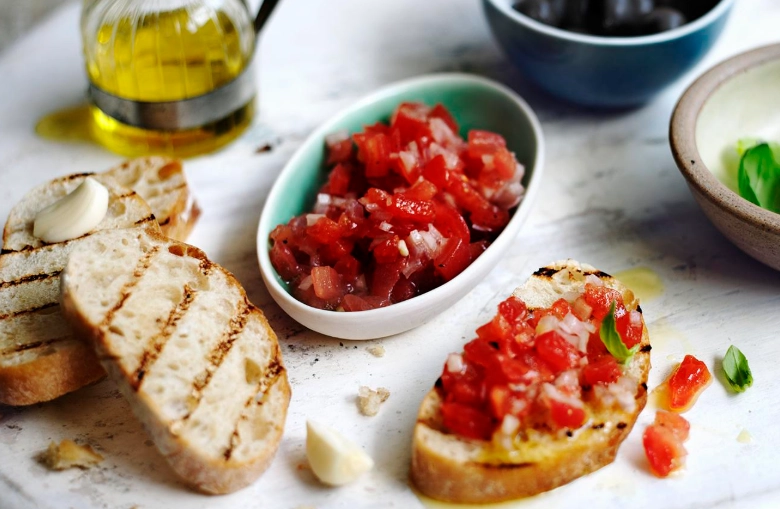
To toast, not bake: The goal is a deep golden brown, crunchy exterior with a slightly softer, protected interior. A grill or grill pan is traditional and gives those lovely char marks. A broiler works great—just watch it like a hawk, it burns in seconds. A toaster oven is my weekday hero. A regular skillet with a drizzle of oil works too, giving you a fried-in-oil crispness that's incredible.
The key is high, direct heat. You're not trying to dry it out all the way through; you're creating a flavorful, sturdy base.
Pillar 2: The Topping - It's More Than Chopped Tomatoes
Ah, the topping. This is where most of the flavor lives, and where a lot of people go wrong by just dumping chopped tomatoes on bread. Let's break down the superstar: the tomato.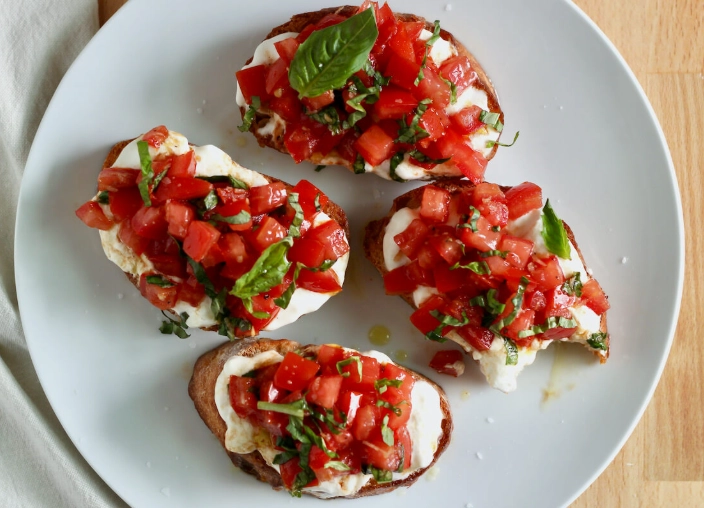
What is the secret to good bruschetta when it comes to tomatoes? Flavor and water content. You want tomatoes that taste like something. In the peak of summer, that means ripe, local tomatoes of any variety—beefsteak, heirloom, Roma, whatever smells good. In the winter, you have to be strategic. Cherry or grape tomatoes are often your best bet year-round because they're usually grown for flavor, not shipping durability. Canned tomatoes are a no-go here—they're cooked and too wet.
Here’s the critical step most recipes gloss over: you must remove the excess water and seeds. This is non-negotiable if you hate soggy bread. Cut your tomatoes in half, squeeze out the jelly-like seed pulp (you can save it for a vinaigrette if you're thrifty), and then dice the firm flesh. Put the diced tomatoes in a colander or sieve, sprinkle with a tiny pinch of salt, and let them drain for 15-30 minutes. The salt pulls out water and intensifies the flavor. This one step is a game-changer.
Now, for the supporting cast:
The Essential Flavor Builders
- Garlic: Do NOT mince it into the tomatoes. This is a common mistake that leads to harsh, overpowering garlic bites. The traditional way is to take a peeled raw garlic clove and rub it vigorously on the hot, toasted bread. The heat and friction create a subtle, aromatic garlic paste on the surface. It's perfumed, not punchy.
- Basil: Always fresh. Tear it with your hands at the last second to avoid bruising and blackening. Adding it just before serving preserves its bright, anise-like flavor.
- Extra Virgin Olive Oil: Use the good stuff here. You'll taste it. A fruity, peppery oil makes a world of difference. Drizzle it on the hot bread after rubbing with garlic, and also mix a little into the tomatoes.
- Salt & Pepper: Season the tomatoes well. They need it. A flaky sea salt for finishing adds a nice texture.
- Acid (Optional but Recommended): A tiny drizzle of good balsamic vinegar or a splash of red wine vinegar right at the end can lift all the flavors, especially if your tomatoes aren't super acidic.
Mix your drained tomatoes, torn basil, a drizzle of oil, salt, and pepper in a bowl. Let it sit for just 10-15 minutes to let the flavors marry. Any longer and the basil wilts and it becomes too saucy.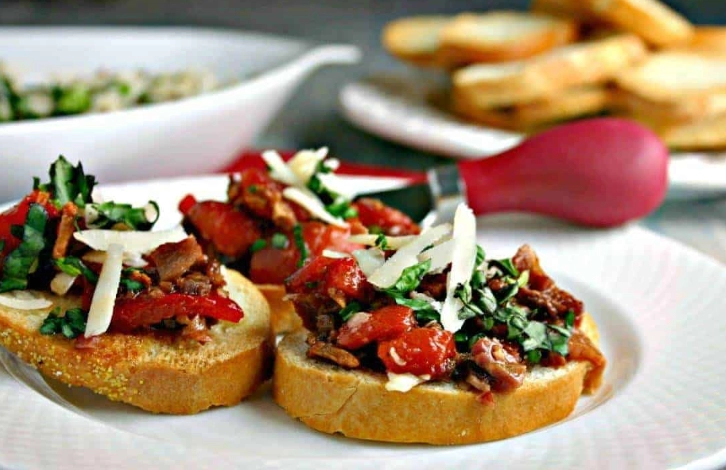
Pillar 3: The Assembly - Order of Operations is Everything
You have perfect crunchy bread and a vibrant tomato mixture. Now, how do you put them together? There's a right way.
- Toast your bread. Get it good and crunchy.
- While it's still hot, take a raw garlic clove and rub it all over the top surface. You'll see it almost melt into the bread. This is the secret step.
- Immediately drizzle or brush the hot, garlic-rubbed bread with a generous amount of extra virgin olive oil. The heat helps the bread absorb the oil's flavor.
- Now, and only now, spoon on the tomato mixture. Use a slotted spoon to avoid transferring too much liquid.
- Finish with another tiny drizzle of oil, a crack of black pepper, or a drop of balsamic glaze if you like.
Serve immediately. I mean it. The clock starts ticking the second the topping hits the bread. You have a 5-10 minute window of perfect texture before the bread starts to soften. That's part of the charm—it's meant to be eaten right away.
Beyond the Classic: Bruschetta Variations That Actually Work
Tomato-basil is the queen, but she's not alone. Once you have the bread technique down, the topping world is your oyster. Here are a few winners that answer the question "what is the secret to good bruschetta" for different flavors.
White Bean & Rosemary: Mash high-quality canned cannellini beans with roasted garlic, lemon zest, chopped fresh rosemary, and enough olive oil to make it spreadable. Season well. This is creamy, savory, and fantastic. A great winter option.
Mushroom & Thyme: Sauté wild mushrooms (like cremini or shiitake) with shallots, thyme, and a splash of white wine until dry. Chop roughly and pile on. Earthy and rich.
Peach, Prosciutto & Ricotta: A summer stunner. Spread the garlic-rubbed bread with fresh ricotta. Top with thin slices of ripe peach, a piece of prosciutto, a drizzle of honey, and black pepper. Sweet, salty, creamy perfection.
Avocado & Chili Flake: Smash ripe avocado with a pinch of salt, red pepper flakes, and lime juice. Spread it on. Simple, fresh, and a different kind of creamy.
The formula stays the same: great bread, treated right, paired with a flavorful, thoughtfully prepared topping that won't make it soggy instantly.
Common Bruschetta Questions (And Real Answers)
The Biggest Mistakes to Avoid (A Summary)
Let's boil it down. If you want to know what is the secret to good bruschetta, avoid these pitfalls:
- Using the wrong bread. No soft sandwich bread.
- Not draining the tomatoes. Soggy city.
- Mincing garlic into the topping. It's too aggressive. Rub it on the bread.
- Assembling too early. It's an eat-now appetizer.
- Skimping on the oil. It's a key flavor and texture component.
- Using tasteless, out-of-season tomatoes. Opt for cherry tomatoes or wait for summer.
Finding Authentic Ingredients & Inspiration
Part of the fun is exploring. If you want to dive deeper into the world of authentic Italian ingredients that make dishes like this sing, there are great resources. For understanding the protected designations of Italian foods, the official Italian Ministry of Agricultural, Food and Forestry Policies site has information on DOP (Protected Designation of Origin) products, which includes things like specific olive oils and balsamic vinegars. Knowing what these labels mean can help you choose better ingredients.
For the bread science side of things—why ciabatta has those holes, how to get the best crust—Serious Eats' Food Lab guide to ciabatta is a fascinating deep dive that reinforces why bread choice matters so much.
At the end of the day, bruschetta is peasant food. It was a way to use up stale bread and make it delicious again with whatever was fresh. Don't stress over it being perfect. Get good bread, treat it right, use ripe, flavorful toppings, and assemble it just before you eat. That’s it. That’s what is the secret to good bruschetta.
Now go turn up the heat on your skillet. It's time to toast.
Related Articles
Italian Submarine Sandwich Recipe: The Ultimate Guide to a Classic Hoagie
Authentic Italian Eggplant Recipes: From Parmigiana to Caponata
Italian Christmas Dinner 7 Fishes Guide: Traditions & Recipes
Authentic Carbonara Recipe: Traditional Italian Pasta Without Cream
Perfect Pasta Salad Recipe with Homemade Italian Dressing