What is in Traditional Italian Bruschetta? The Complete Authentic Guide
In This Guide
- The Non-Negotiable Foundation: The Bread
- The Classic Topping: Tomato & Basil (Bruschetta al Pomodoro)
- The Other Classic: Bruschetta con l'Olio (With Oil)
- Regional Twists & Other Authentic Toppings
- Step-by-Step: Assembling the Perfect Bruschetta
- Common Mistakes That Ruin Bruschetta
- Answering Your Bruschetta Questions (FAQ)
- Finding Authentic Ingredients
Let's cut right to the chase. You're probably picturing that little toast topped with a bright red, chunky tomato mixture, right? That's the image most of us have. But if you walk into a trattoria in central Italy, say in Tuscany or Umbria, and order a bruschetta, you might get something simpler. Sometimes, it's just grilled bread, rubbed with garlic, and drenched in spectacular olive oil. That's it. No tomatoes in sight. Mind blown?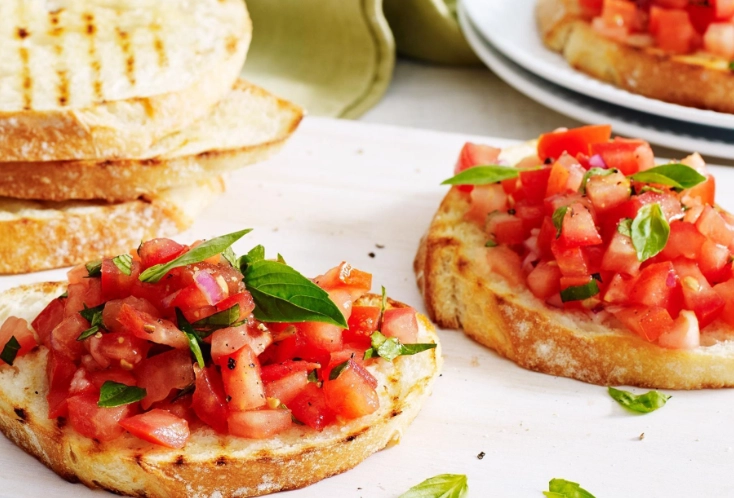
It happened to me on my first trip. I was expecting the tomato version I knew from restaurants back home, and I got this glorious, oily, garlicky slab of bread. I almost complained! But one bite in, and I understood. The quality of each ingredient was so profound that it didn't need anything else. That experience taught me that "what is in traditional Italian bruschetta" isn't a single answer. It's a principle.
The core principle is stunningly simple: take the best, seasonal ingredients you can find, and do very little to them. The name itself comes from the Roman dialect verb "bruscare," meaning "to roast over coals." It was originally a way for farmers to test the new season's olive oil on stale bread. So, at its heart, it's peasant food. Fancy, it is not. Delicious, it absolutely is.
The Real Deal: Forget the soggy, pre-made versions on supermarket shelves. A proper bruschetta (pronounced broo-SKET-tah, not broo-SHET-tah) is about texture contrast—the smoky, crisp char of the bread against the fresh, juicy topping. It's a celebration of raw materials.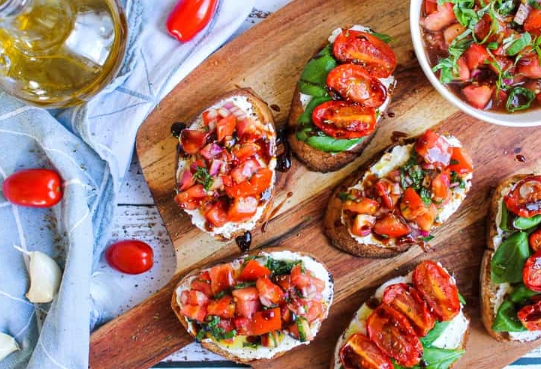
The Non-Negotiable Foundation: The Bread
If your bread is wrong, nothing else matters. This is the hill I will die on. You cannot use sandwich bread, baguettes (too skinny), or sourdough (the flavor competes). The ideal bread for traditional Italian bruschetta is a rustic, country-style loaf.
Think Pane Toscano (Tuscan bread), which is famously made without salt. Why no salt? Historically, salt was heavily taxed in Tuscany, so bakers left it out. The result is a bland bread that becomes a perfect, neutral canvas for the flavorful toppings and oil. You want a bread with a sturdy, chewy crumb and a thick, robust crust. This structure is crucial because it needs to hold up to grilling, rubbing, and topping without turning into a mushy mess.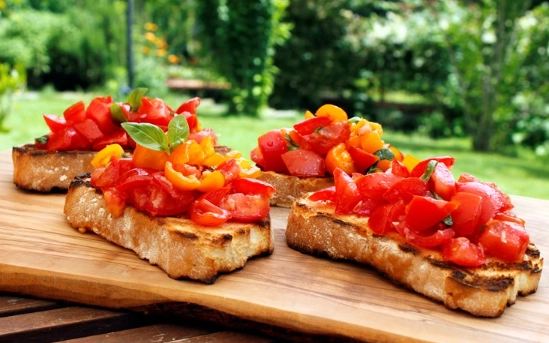
My go-to: A good, thick-sliced ciabatta or a rustic Pugliese loaf. Slice it at least 3/4-inch to 1 inch thick. Any thinner, and it'll burn or become too crisp to handle the topping. Any thicker, and it becomes bready and overwhelming.
How to Treat the Bread: The Make-or-Break Step
Toasting is not enough. You need to char it. The goal is deep grill marks and a smoky flavor. The best methods, in order:
- A charcoal or wood-fired grill: This is the gold standard. It imparts an irreplaceable smokiness.
- A gas grill: A very close second. Get those grates screaming hot.
- A stove-top grill pan: My everyday method. Preheat it dry for a good 5 minutes until it's smoking hot. Press the bread down to get those beautiful char lines.
- A broiler: The emergency option. Watch it like a hawk—it goes from golden to black in seconds. You won't get the same defined grill marks, but you'll get crunch.
Never use a toaster. It dries the bread out completely and gives it a uniform, pale toastiness that lacks character. You want variable texture—some deeply charred spots, some just golden.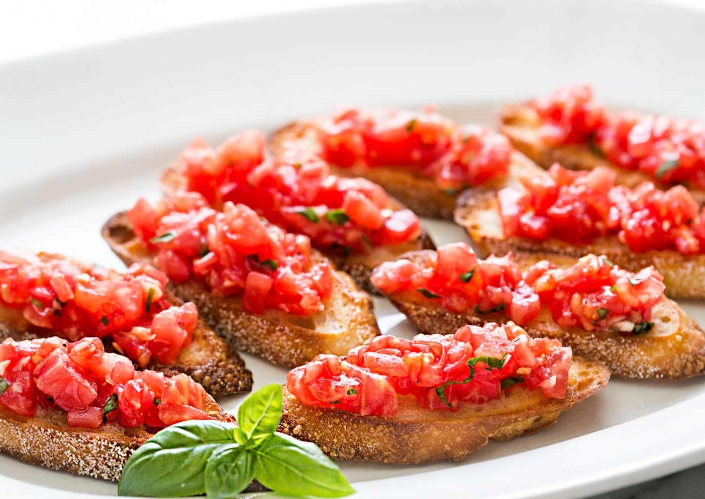
The Classic Topping: Tomato & Basil (Bruschetta al Pomodoro)
This is the version that won the world over. And for good reason. When done right, it's summer on a plate. But so many people mess it up by making it too early or using the wrong tomatoes.
Let's break down what is in this traditional Italian bruschetta topping, ingredient by ingredient.
| Ingredient | What to Use (The Best) | What to Avoid | Why It Matters |
|---|---|---|---|
| Tomatoes | Ripe, in-season Roma (plum) or San Marzano tomatoes. They have fewer seeds and less water, more flesh. | Pale, hard, out-of-season beefsteaks. Canned diced tomatoes (for the fresh version). | Flavor and texture. A ripe summer tomato is sweet and acidic. A winter tomato is bland and watery, which will make your bruschetta soggy. |
| Garlic | 1 fresh, high-quality clove. Used to *rub* the hot bread. | Minced garlic mixed into the tomatoes. Garlic powder (please, no). | Rubbing gives a subtle, aromatic hint of garlic. Mixing it in raw can be overpowering and harsh. The heat of the bread mellows it perfectly. |
| Basil | Fresh Genovese basil leaves, torn by hand just before serving. | Dried basil. Chopping it finely hours ahead (it turns black). | Fresh basil adds a bright, peppery, anise-like fragrance. Tearing prevents bruising and releases the oils better than cutting. |
| Olive Oil | Extra virgin olive oil (EVOO), the best you can afford. A robust, peppery one from Tuscany or Puglia. | Light olive oil, vegetable oil, or "pure" olive oil. | This is the star. It carries flavor and adds richness. A great EVOO has fruitiness and pepper that elevates everything. This is what the dish was invented for. |
| Salt | Flaky sea salt (like Maldon) or good kosher salt. | Fine table salt. | Coarse salt provides little bursts of flavor and helps draw moisture out of the tomatoes slightly, concentrating their taste. |
Notice what's not on that list? Balsamic vinegar, onions, oregano, cheese. I know, I know. Many recipes add them. But in the most traditional, purist version, they aren't there. A drizzle of thick, aged balsamic can be nice, but it's a modern twist. The original relies on the tomato's acidity. Onions? They can overpower. Oregano? That's for pizza and pasta sauce. Parmesan? It's not needed—the oil and tomato provide all the richness and umami.
The biggest tip I can give you: Don't mix the tomato topping too far in advance. At most, 30 minutes before serving. If you let it sit for hours, the salt draws out all the tomato water, and you get a sad, soupy mixture that will instantly sog your beautiful bread. I like to chop the tomatoes, put them in a colander for 5-10 minutes to let excess liquid drain, then mix them with torn basil and a little oil. Season just before assembling.
The Other Classic: Bruschetta con l'Olio (With Oil)
This is the one that surprised me in Italy. It's the ultimate test of your olive oil. The process is meditatively simple:
- Grill your thick slice of rustic bread until charred.
- Immediately, while still hot, take a peeled clove of garlic and rub it vigorously all over the top surface. The rough toast acts like a grater, wearing down the garlic and embedding its essence into the bread's pores.
- Drench it generously with your finest extra virgin olive oil. You should see it pool slightly and soak in.
- Sprinkle with a pinch of flaky salt.
That's it. When you taste this, you understand why olive oil is called liquid gold. The smokiness, the pungent garlic, the fruity oil, the crunch of salt. It's a masterpiece of simplicity. If you're wondering what is in traditional Italian bruschetta at its most fundamental, this is it.
Regional Twists & Other Authentic Toppings
Once you have the perfect grilled bread canvas, the topping possibilities open up, always following the season. Here are a few authentic variations:
- Bruschetta con Fagioli: A Tuscan winter staple. Mashed cannellini beans (warmed with sage and garlic), piled on the bread, topped with a swirl of oil and black pepper. Hearty and delicious.
- Bruschetta con Funghi: Sautéed wild mushrooms (like porcini) with garlic, parsley, and a splash of white wine. Earthy and rich.
- Bruschetta con Cavolo Nero: With Tuscan black kale (cavolo nero) that's been slowly braised. A classic during the colder months.
- Bruschetta con Pomodoro e Mozzarella: Okay, this edges into Caprese salad territory, but adding fresh mozzarella di bufala or fior di latte is a beloved and common upgrade.
- Bruschetta con Pesto: A spread of fresh Genoese basil pesto on the warm bread. Simple and powerful.
Each region uses what it has. The constant is the bread, the fire, and the excellent oil.
"Bruschetta is not a recipe, it's a technique. It's a way of serving whatever is fresh and good on grilled bread." – This is something an Italian cook told me, and it stuck. It frees you from being too rigid.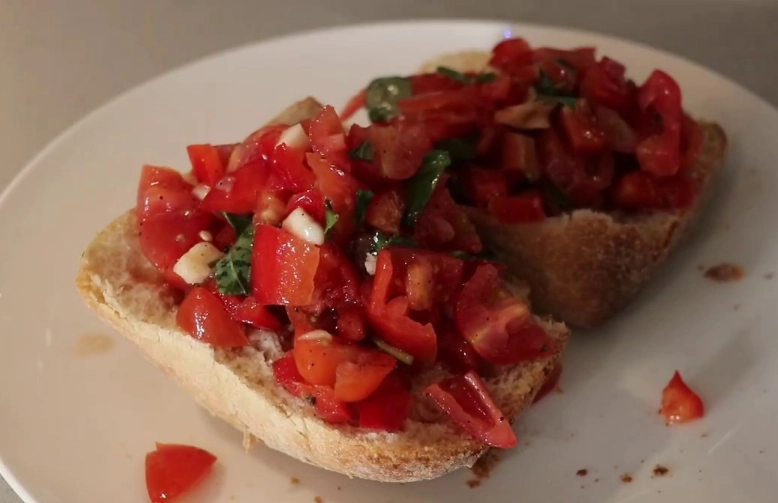
Step-by-Step: Assembling the Perfect Bruschetta
Let's walk through the timeline for the tomato version, avoiding all pitfalls.
1. Prep the Topping (15-30 minutes before serving): Dice your ripe tomatoes. If they're very juicy, give them a quick drain in a colander. Tear your basil leaves. Combine tomatoes and basil in a bowl. Add a small drizzle of oil—just enough to coat lightly. Do NOT add salt yet. Set aside.
2. Char the Bread (5 minutes before serving): Get your grill pan scorching hot. Grill your thick bread slices until deeply marked and crisp on the surface but still slightly chewy inside. This is key.
3. The Garlic Rub (Immediately): The second the bread comes off the heat, take a peeled garlic clove and rub it firmly over the top. You'll see the clove disintegrate. The heat releases the oils.
4. The First Oil Drench (Immediately): Now, drizzle a good amount of olive oil over the garlic-rubbed surface. Let it soak in for a moment.
5. Final Assembly (Right before eating): Now, and only now, season your tomato mixture with salt. Give it a final stir. Spoon it generously onto the oiled bread. Don't press it down. Top with one last tiny drizzle of oil for shine.
Serve immediately. I mean it. Pass them around as they come off the grill. Waiting is the enemy of texture.
Common Mistakes That Ruin Bruschetta
I've made most of these, so learn from my errors:
- Soggy Bread: Caused by a wet topping or assembling too early. Always drain tomatoes and assemble at the last second.
- Burnt Garlic Flavor: From adding minced garlic to the topping raw. Use the rubbing technique.
- Bland Flavor: Using out-of-season tomatoes and bland oil. This dish won't hide poor ingredients.
- Bread Too Thin/Hard: Using thin slices that become crackers or toast that shatters when you bite it.
- Overcomplicating It: Throwing in every Italian herb and cheese you have. Restraint is your friend.
Answering Your Bruschetta Questions (FAQ)
You can prep the components, but never assemble ahead. Grill the bread and keep it uncovered at room temperature. Make the tomato mixture (without salt) and refrigerate. An hour before serving, let tomatoes come to room temp, then season with salt. Re-crisp the bread under a broiler for 60 seconds if needed, then rub with garlic, add oil, and top.
A thick slice of a sturdy, dense gluten-free loaf. You'll likely need to use a broiler or toaster oven to crisp it up, as many GF breads don't grill as well. Focus on getting a good crunch.
The bread should be hot/warm when you rub the garlic and add the oil. The topping (like tomato) is usually room temperature or cool. The contrast is wonderful. For a bean topping, you might warm the beans.
A robust, medium-intensity extra virgin olive oil. You want one with character—grassy, peppery, or fruity notes. A mild EVOO can get lost. For a deep dive on olive oil classifications and quality, the International Olive Council is a fantastic resource for understanding what makes a great oil.
Great question. Bruschetta uses large, thick slices of rustic bread, grilled. Crostini ("little toasts") uses smaller, thinner slices of finer bread (like a baguette), toasted until crisp all the way through. Crostini are more like crackers and often have more delicate or spreadable toppings.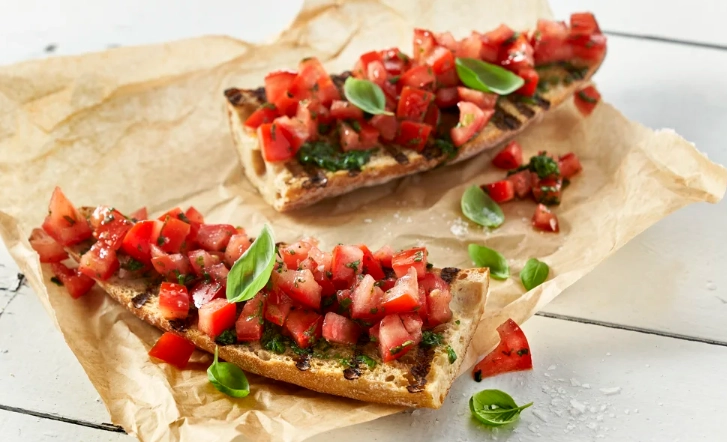
Finding Authentic Ingredients
If you want to go deep, seek out authentic ingredients. For tomatoes in winter, good-quality canned whole San Marzano tomatoes (D.O.P. certified) are actually better than fresh, mealy ones. Drain and chop them. For olive oil, look for a harvest date on the bottle (the fresher, the better). The Olive Oil Times site offers guides and reviews that can help you choose. And for understanding the heritage of breads like Pane Toscano, academic and culinary resources like Academia.edu often have papers on traditional food histories (search for "Pane Toscano history").
At the end of the day, don't stress. Get good bread, grill it hard, use ripe stuff, and pour on the oil. That's the spirit of what is in traditional Italian bruschetta. It's forgiving as long as you respect the ingredients. Now go make some. And please, for the love of all that is holy, don't call it "bru-shet-ta."
Related Articles
The Ultimate Guide to an Authentic Italian Christmas Dinner Menu
Ultimate Italian Recipes List: From Pasta to Desserts
Italian Meatloaf Recipe: The Ultimate Comfort Food Guide
Italian Submarine Sandwich Recipe: The Ultimate Guide to a Classic Hoagie
Master Italian Meatball Recipes: Secrets from Nonna's Kitchen