Authentic Italian Bruschetta Recipe: The Only Guide You'll Need
Your Quick Guide to Perfect Bruschetta
Let's be honest, you've probably had bruschetta before. At a restaurant, maybe at a party. A piece of toast with some chopped tomatoes on top. It was fine. But something felt... missing. Was it the soggy bread? The bland tomatoes? That vague sense that this wasn't quite what it was supposed to be? If that rings a bell, you're in the right place. I've been there too. My first attempt at a traditional Italian bruschetta recipe was a disaster – rock-hard bread, watery tomatoes, a sad pile of red mush. It tasted nothing like the vibrant, garlicky, utterly moreish bites I'd had in a little trattoria in Rome.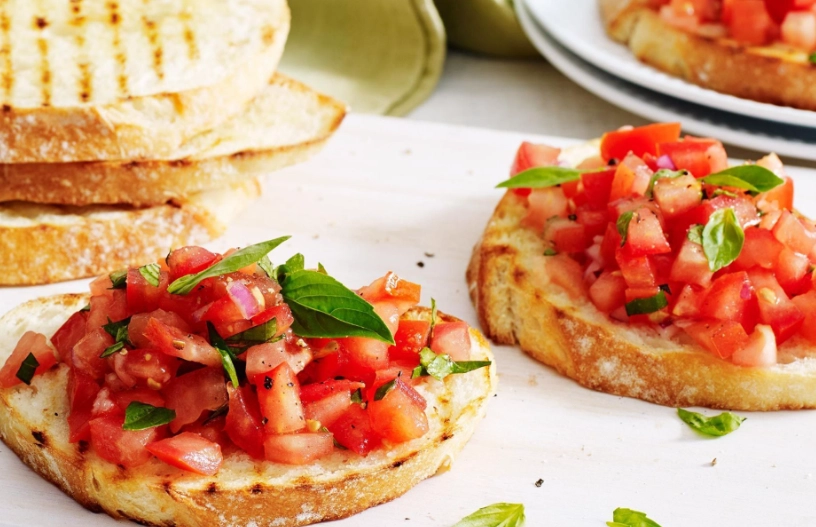
That experience sent me down a rabbit hole. I talked to Italian friends, pestered chefs, and made more bruschetta than my family could possibly eat (they didn't complain much). What I learned is that the magic of a true traditional Italian bruschetta recipe isn't in complexity; it's in respecting a few non-negotiable principles. It's about texture, contrast, and the quality of just a handful of ingredients. This isn't just another recipe list. This is a deep dive into the why behind every step, so you never make a mediocre bruschetta again.
The Holy Trinity: Non-Negotiable Ingredients for Authenticity
You can't build a castle on sand, and you can't build authentic bruschetta on subpar ingredients. We're only using five main components, so each one has to carry its weight. Let's break them down.
The Bread: Choosing Your Foundation
This is where most recipes outside Italy get it wrong. A flimsy sliced sandwich bread or a skinny baguette won't cut it. You need a bread with guts – a sturdy, open crumb that can stand up to juicy tomatoes and a vigorous rub of garlic without turning into mush.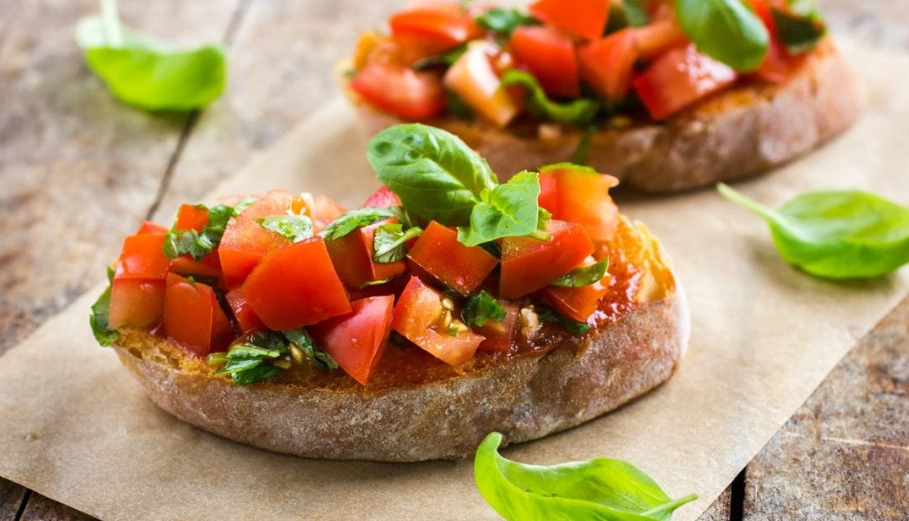
The Gold Standard: A rustic, country-style loaf. Think Pugliese, Ciabatta (with a good thick crust), or a hearty sourdough. The ideal slice is about 3/4 to 1 inch thick. Stale bread is actually your friend here – it toasts better and absorbs flavors without getting soggy. If your bread is fresh, leave the slices out for a few hours to dry out a bit.
The Tomatoes: It's All About Flavor, Not Water
Here's the big secret: you must get rid of excess tomato water and seeds. They are the enemy of crispy bread. We want concentrated tomato flavor, not a puddle.
For a traditional Italian bruschetta recipe, ripe plum tomatoes (Roma tomatoes) are the classic choice. They have fewer seeds and less water than beefsteaks. But in the height of summer, any ripe, flavorful tomato will work. The key is the prep. Dice them, then let them drain in a colander for 15-20 minutes. Some people even go a step further and peel them (score an X on the bottom, blanch in boiling water for 30 seconds, then the skin slips right off). It's a bit more work, but it gives a sublime texture.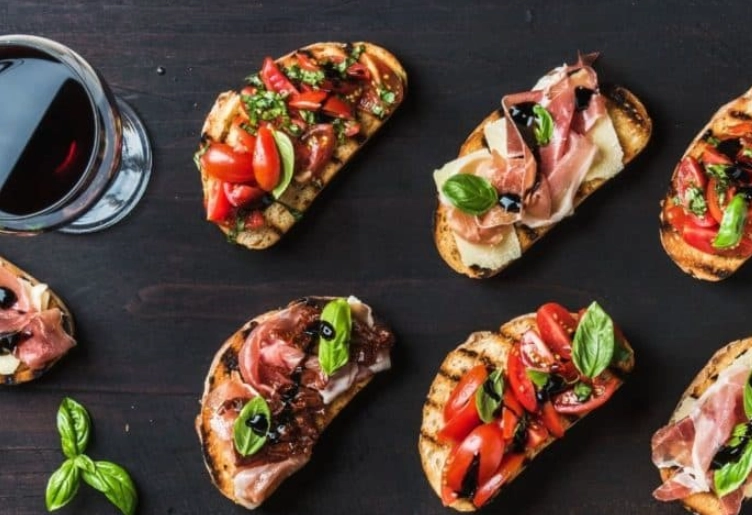
I made the watery tomato mistake for years. I'd chop them, mix them in, and immediately my beautiful topping would turn soupy. Draining is the game-changer.
The Garlic, Oil, and Basil: The Supporting Cast That Shines
Garlic: Use fresh, firm cloves. You don't mince it into the tomatoes. The authentic method is to rub the toasted bread with a raw garlic clove. The rough surface of the toast acts like a grater, giving you a potent, aromatic kiss of garlic without any harsh, raw bits. It's a completely different experience.
Olive Oil: This is your only sauce. Use the best extra-virgin olive oil you can reasonably afford. It should smell fruity and green. You'll use it twice: a light drizzle for toasting the bread, and a generous glug over the finished product. The quality here is non-negotiable. A bland oil means a bland bruschetta.
Basil: Always fresh. Tear it with your hands at the last second to prevent bruising and to release its oils. Never use dried basil. It tastes like dust compared to the real thing.
Salt? Of course. A good flaky sea salt or kosher salt. Pepper? Some Italians add it, some don't. I like a tiny crack of black pepper over the tomatoes.
| Ingredient | What to Look For | Common Pitfall to Avoid |
|---|---|---|
| Bread | Rustic loaf, 1" thick slices, slightly stale | Using thin, soft sandwich bread |
| Tomatoes | Ripe Roma/Plum tomatoes, drained well | Not removing seeds & excess juice |
| Garlic | Fresh, firm cloves for rubbing | Mincing garlic into the tomato mix |
| Olive Oil | High-quality, fruity Extra Virgin | Using bland "pure" or light olive oil |
| Basil | Fresh leaves, torn last minute | Using dried basil or chopping too early |
The Step-by-Step: It's a Method, Not Just a Recipe
Alright, you've got your champion ingredients. Now let's assemble them with purpose. Follow this sequence closely – the timing and order matter.
Step 1: Tomato Prep is Your First Act
Start here, because the tomatoes need time to drain and marinate. Core your tomatoes and cut them in half. Scoop out the gel and seeds with your finger or a spoon – this is where most of the water lives. Then dice the flesh into small, neat cubes. Toss them into a colander set over a bowl with a generous pinch of salt. The salt will pull out even more moisture. Let this sit for at least 15 minutes. Don't skip this! That liquid in the bowl is what you're saving your bread from.
After draining, transfer the tomatoes to a mixing bowl. Add a handful of torn basil leaves, a healthy glug of your good olive oil, and maybe a tiny pinch of pepper. Stir gently and let it sit at room temperature. This lets the flavors get to know each other.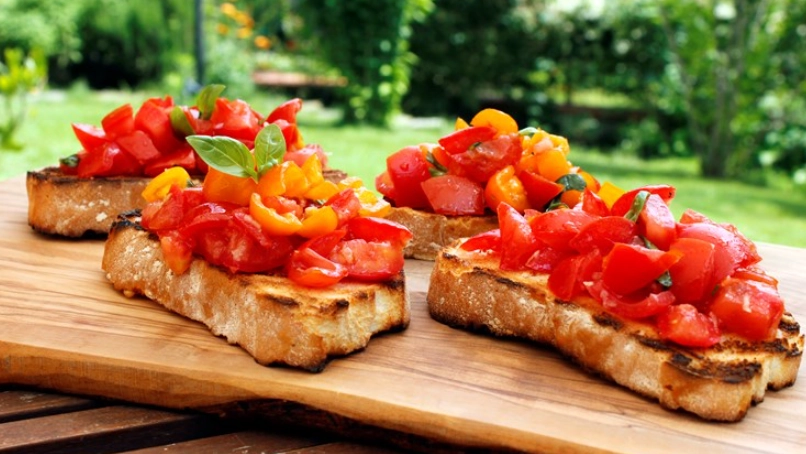
Step 2: Toasting the Bread – Fire is Best
If you have a grill or a grill pan, use it. That smoky char is traditional and adds a whole other dimension. If not, a good broiler or even a toaster oven on a high bake setting works. The goal is a deep golden brown with some darker spots (the char), and a surface rough enough to shred a garlic clove.
Lightly brush or drizzle both sides of your bread slices with olive oil. Don't drown them. Grill or broil until you see those beautiful grill marks or a solid toastiness. Flip once. You want it crispy on the outside but still with a tiny bit of chew inside – not a rock-hard crouton.
Step 3: The Garlic Rub – The Magic Touch
The moment the bread comes off the heat, while it's still hot, take a peeled garlic clove and rub it vigorously over the top surface of the toast. The clove will slowly disintegrate, leaving behind its essential oils and flavor embedded in the bread's rough texture. You won't see much, but you'll definitely taste it. This is the signature move of a true traditional Italian bruschetta recipe.
Step 4: Assembly and Final Blessing
Place your garlic-rubbed toasts on a serving plate. Give your tomato mixture one last stir. Spoon it generously onto each toast. Don't be shy, but also don't pile it so high it all falls off. Finally, just before serving, give each bruschetta one more drizzle of that gorgeous green olive oil. This final drizzle adds a fresh, fruity aroma and gloss that ties everything together.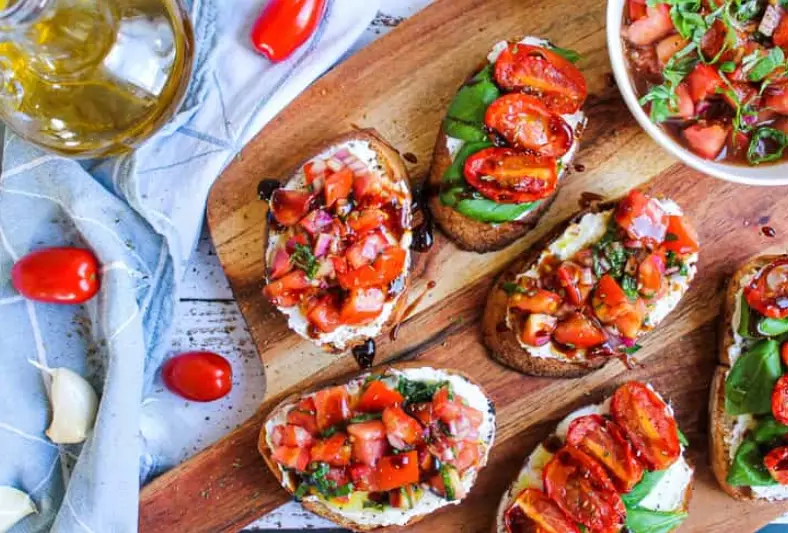
Classic Variations: Beyond the Tomato Basil
While the tomato version (often called "Bruschetta al Pomodoro") is the global superstar, in Italy, bruschetta is more of a concept. The garlic-rubbed, olive-oiled toast is the canvas. Here are a few other classic toppings that follow the traditional Italian bruschetta recipe ethos.
- Bruschetta con Fagioli: A creamy mash of cannellini beans, garlic, rosemary, and plenty of olive oil. Simple, hearty, and incredibly satisfying.
- Bruschetta con Funghi: Sautéed wild mushrooms (like porcini) with garlic, parsley, and a splash of white wine. Earthy and rich.
- Bruschetta con Lardo: For the adventurous. Thin slices of cured pork fat (lardo) placed on the warm toast so they just begin to melt. Often topped with a bit of rosemary or honey. It's sublime.
- The Simplest: Sometimes it's just the grilled bread, rubbed with garlic and drenched in spectacular olive oil with a sprinkle of salt. It's a celebration of the oil itself.
Each of these follows the same core principle: start with impeccable bread, treat it right, and let a few high-quality toppings shine.
Your Bruschetta Questions, Answered
After teaching this recipe for a while, I get the same questions over and over. Let's clear them up.
Why This Recipe Works: The Science of Simple
When you understand why each step is there, you stop following a recipe and start cooking with intention. The draining prevents sogginess – a physical barrier of crispness. The garlic rub infuses flavor without overwhelming – a chemical release of allicin activated by the friction. The high-heat toasting creates the Maillard reaction, hundreds of new flavor compounds that make the bread taste nutty and complex. Using high-quality olive oil isn't snobbery; cheaper oils are often rancid or blend neutral oils with a tiny bit of EVOO, lacking the antioxidants (like polyphenols) and flavor that make the dish sing. The Italian Ministry of Agricultural, Food and Forestry Policies even has strict DOP (Protected Designation of Origin) regulations for olive oils from specific regions, highlighting how seriously they take this ingredient.
Even the choice of tomato matters. Food science resources, like those from Serious Eats, explain how salting and draining tomatoes not only prevents a soggy mess but also slightly concentrates their flavor, making your traditional Italian bruschetta recipe pop.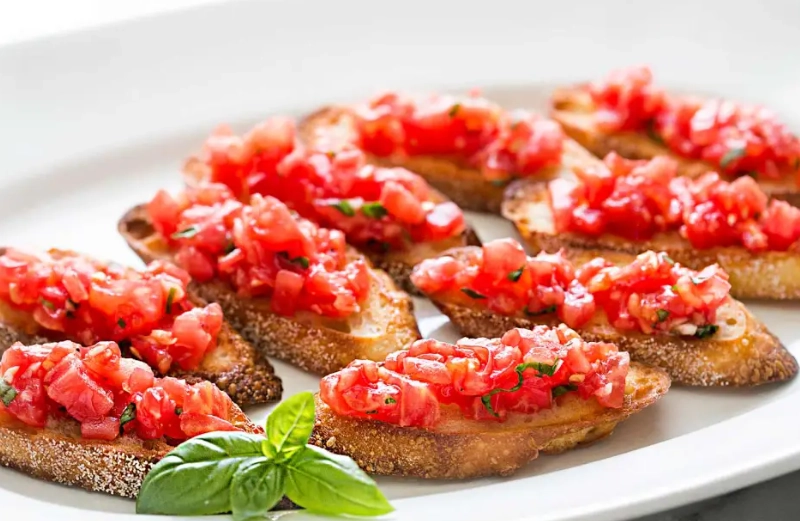
So there you have it. It's more than a recipe; it's a lesson in restraint and quality. You don't need balsamic glaze (please, never drizzle that on a classic bruschetta), you don't need cheese piled on top, you don't need a dozen herbs. You need courage to let a few perfect things be themselves. Get the bread right. Treat your tomatoes with respect. Use oil that tastes good enough to drink. And for heaven's sake, rub that garlic.
Now go make it. And when you take that first bite of your own homemade, crispy, garlicky, juicy, perfect traditional Italian bruschetta, you'll understand what all the fuss is about. It’s not just an appetizer. It’s a taste of sunshine.
Related Articles
What Are the Most Popular Italian Appetizers? A Complete Guide to Antipasti
Easy Italian Chicken Breast Recipes: Simple, Flavorful Dinners in 30 Minutes
Authentic Italian Salad Dressing Recipe: Easy, Zesty & Homemade

Restarting private investment|"Caijing" special report
Italian Sausage Soup: Authentic Recipes & Pro Tips