Best Italian Chicken Breast Recipes: Juicy, Flavorful & Easy Dinners
In This Guide
- Why Chicken Breast is an Italian Kitchen Star (When Treated Right)
- Mastering the Basics: How to Cook Juicy Italian Chicken Breast Every Time
- The Top Tier: Best Italian Chicken Breast Recipes, Broken Down
- Beyond the Recipe: Italian Sides & Presentation
- Frequently Asked Questions (The Stuff You Actually Want to Know)
- Wrapping It Up
Let's be honest for a second. How many times have you searched for the best Italian chicken breast recipes, followed one to the letter, and ended up with a piece of chicken so dry it could double as a hockey puck? I've been there. More times than I'd like to admit, actually. It happened so often I almost gave up on chicken breast altogether, convinced it was a cruel trick played by the culinary world.
But then I spent a summer with my friend's nonna in a little town outside of Bologna. Let me tell you, that woman could make a piece of cardboard taste good. Watching her, I realized the problem wasn't the chicken breast itself. It was us. We were missing the core principles of Italian cooking—simplicity, respect for quality ingredients, and a few non-negotiable techniques that transform the humble chicken breast into something truly spectacular.
That's what this is all about. This isn't just another list of recipes. This is your guide to understanding why these recipes work, how to adapt them, and how to nail them every single time. We're going to cover the classics, some modern twists, and the secrets that bridge them all. So, put that sad, dried-out chicken memory behind you. Let's cook.
Why Chicken Breast is an Italian Kitchen Star (When Treated Right)
Italians have a genius for taking simple, affordable ingredients and elevating them. Chicken breast fits this philosophy perfectly. It's a blank, lean canvas. In the wrong hands, that's a disaster. In the right hands, with the right flavors, it's a weeknight masterpiece. The goal of the best Italian chicken breast recipes is never to mask the chicken, but to complement it, to let it shine in a way you didn't think possible.
Think about it. What do classic Italian flavors love? Fresh herbs like rosemary, thyme, and basil. Bright acidity from tomatoes and lemon. Rich, savory depth from garlic, mushrooms, and good olive oil. Salty punches from capers, olives, and cheeses like Parmigiano-Reggiano. These are all things that cling to and penetrate chicken breast, solving its main flaw—a tendency towards blandness.
Chicken breast is also incredibly versatile. You can pound it thin for a quick piccata, cube it for a skillet dish, roast it whole with herbs, or stuff it with glorious things. This versatility is why it deserves a permanent spot in your recipe rotation.
Mastering the Basics: How to Cook Juicy Italian Chicken Breast Every Time
Before we get to the recipes, we need to talk technique. Skip this, and you're building a house on sand. These are the non-negotiables I learned that make all the difference.
The Chicken Breast Itself: Selection & Prep
Not all chicken breasts are created equal. I've made the mistake of buying the giant, water-plumped ones. They steam instead of sear and have a weird texture. Look for breasts that are relatively similar in size for even cooking, and if they're huge, consider cutting them in half horizontally (butterflying) to create two thinner cutlets.
Pounding is your best friend. Seriously. Get a meat mallet, a rolling pin, or even a heavy skillet. Place the breast between two pieces of plastic wrap and gently pound it to an even thickness, about 1/2 inch. This does two things: it tenderizes the meat, and it ensures the whole piece cooks at the same rate. No more raw middle and overcooked edges.
The Flavor Foundation: Marinades, Brines & Dry Rubs
This is where the magic starts. Chicken breast needs help in the flavor department.
- The Quick Marinade (30 minutes): Olive oil, lemon juice, minced garlic, and chopped fresh herbs (rosemary, oregano). It adds a surface layer of flavor and helps with browning.
- The Dry Brine (The Game-Changer): This is my absolute favorite method. Simply sprinkle kosher salt (about 3/4 teaspoon per breast) all over the chicken and let it sit uncovered in the fridge for at least 45 minutes, or up to 24 hours. The salt seasons the meat deeply and helps it retain its juices during cooking. The surface dries out, which leads to a phenomenally crispy sear. Try it once, and you'll never go back.
- The Herb Rub: For roasting, mix chopped fresh herbs with a little olive oil, salt, pepper, and maybe some lemon zest to make a paste. Gently loosen the skin and rub some underneath, then spread the rest on top.
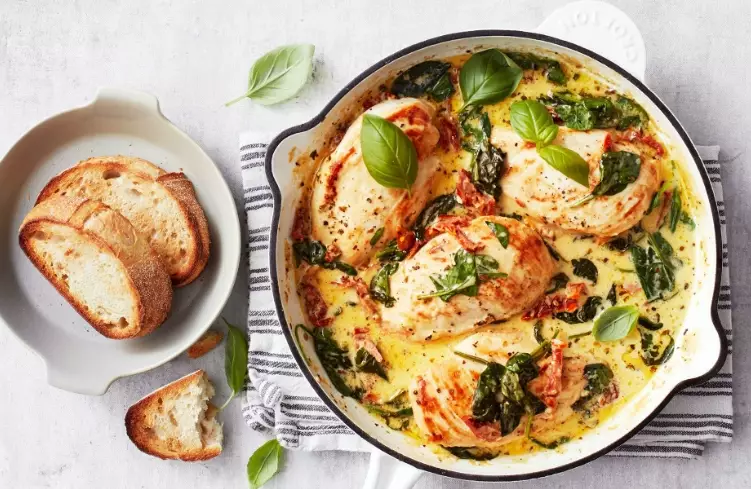
Cooking Methods Demystified
Each method has its place in the world of the best Italian chicken breast recipes.
| Method | Best For... | The Golden Rule | Internal Temp* |
|---|---|---|---|
| Pan-Searing/Sautéing | Piccata, Marsala, cutlets, quick skillet dishes. | Hot pan, don't move the chicken until it releases easily. Cook in batches if needed—crowding steams. | 165°F (74°C) |
| Baking/Roasting | Whole herb-roasted breasts, Chicken Parmigiana, dishes with sauce. | Use a meat thermometer. It's the only way to be sure. Let rest for 5-10 minutes after. | 165°F (74°C) |
| Grilling | Chicken with charred lemon, balsamic-glazed breasts. | Medium-high, clean, oiled grates. Don't flip repeatedly. | 165°F (74°C) |
| Braising | Chicken Cacciatore, breasts in a tomato-based sauce. | Low and slow simmer. The chicken finishes cooking in the flavorful liquid. | 165°F (74°C) |
*A note on temperature: While 165°F is the official safe temperature, you can pull chicken at 160°F. The residual heat will carry it to 165°F as it rests, resulting in juicier meat. This small tip is a hallmark of professional kitchens.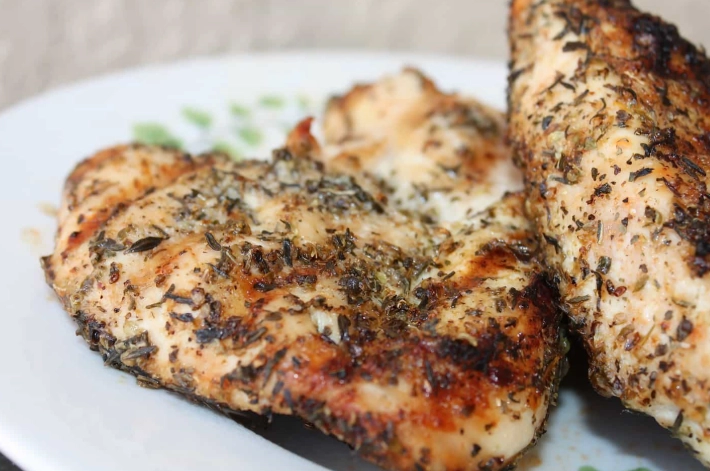
The Top Tier: Best Italian Chicken Breast Recipes, Broken Down
Okay, the foundation is set. Now let's build some incredible meals. These are the recipes that have earned their place in my regular rotation. I'm giving you the core idea, the why, and how to make it yours.
Chicken Parmigiana (Parmigiana di Pollo)
The king. The ultimate comfort food. A lot of recipes get this wrong, turning it into a soggy, breaded mess under a blanket of rubbery cheese. Done right, it's sublime.
The Essence: A crispy, pan-fried chicken cutlet, topped with a vibrant tomato sauce and melted mozzarella and Parmigiano, then baked just to melt the cheese.
My Key Adjustments: I use a mix of panko and fine breadcrumbs for extra crunch. I also don't drown it in sauce. A light smear on the bottom of the baking dish, a spoonful on top of the chicken, then the cheese. This keeps the bottom crispy. Also, fresh mozzarella (the kind packed in water) is infinitely better than pre-shredded, which contains anti-caking agents that hinder melting.
Is it hard? It has steps (bread, fry, assemble, bake) but none are difficult. It's a perfect weekend project. The payoff is huge.
For a deep dive into the history and authentic preparation of this classic, the Academia Barilla is an excellent resource for traditional Italian cooking principles.
Italian Herb Roasted Chicken Breast
This is the epitome of "simple but not easy." It requires almost no hands-on work, but the technique is everything. It's one of those best Italian chicken breast recipes that feels fancy but is dead simple.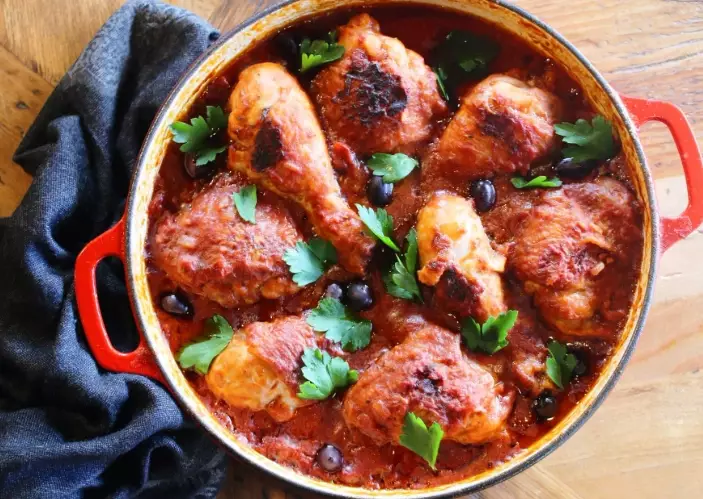
You take a whole bone-in, skin-on chicken breast. Dry brine it the night before. Before roasting, rub a mixture of minced garlic, chopped rosemary, thyme, lemon zest, and olive oil under the skin and all over. Roast on a rack at 425°F until that skin is crackling and golden brown and the meat is just cooked through.
The result? Juicy, herb-infused meat and the most incredible, salty, crispy skin you've ever had. It's a masterclass in using high heat and good fat.
Chicken Piccata
This is your 20-minute weeknight hero. It's bright, tangy, and feels luxurious. Thin chicken cutlets are dredged in flour, quickly sautéed until golden, then removed from the pan. You then make the sauce in the same pan: white wine, lemon juice, capers, and a bit of butter swirled in at the end to create a glossy, rich sauce. Pour it over the chicken.
The magic is in the balance. Too much lemon and it's mouth-puckering. Too much butter and it's heavy. You want that perfect sharpness from the capers and lemon cut by the richness of the butter. Serve it over pasta or with a simple arugula salad. It's a guaranteed crowd-pleaser and a staple among quick best Italian chicken breast recipes.
Chicken Marsala
If Piccata is bright and sharp, Marsala is deep and earthy. You use the same basic technique—flour-dredged, pan-fried cutlets—but the sauce is built with Marsala wine (a fortified wine from Sicily) and lots of sliced mushrooms, usually cremini.
The key here is letting the wine reduce enough to cook off the alcohol and concentrate its flavor, but not so much that it becomes syrupy. The mushrooms should be browned well to develop their flavor. Some recipes add a splash of cream, which is delicious but not strictly traditional. I go back and forth on this. Sometimes I want the pure, deep flavor of wine and mushrooms; other times, a touch of cream feels right. Try it both ways.
Finding authentic Marsala wine is important for the true flavor. Resources like Gambero Rosso, a major Italian food and wine publication, can provide guidance on selecting ingredients true to regional styles.
Chicken Cacciatore ("Hunter-Style" Chicken)
This is a rustic, one-pot wonder. "Cacciatore" means hunter, implying a hearty, country-style dish. Chicken pieces (breasts work if cut into large chunks) are browned, then simmered in a tomato-based sauce with onions, bell peppers, mushrooms, olives, and herbs.
It's a braise, so the chicken becomes fork-tender and soaks up all the flavors of the sauce. It's not a pretty, delicate dish. It's a robust, flavorful meal that tastes even better the next day. Perfect for a casual dinner party. Just put a big pot in the middle of the table with some crusty bread.
Stuffed Chicken Breast (Involtini)
This is where you can get creative. The concept is simple: pound a chicken breast thin, place a filling on it, roll it up, secure it with toothpicks, and bake or pan-sear it.
Classic Italian fillings include prosciutto and fontina cheese, spinach and ricotta, or sun-dried tomatoes and mozzarella. The trick is not to overstuff, and to brown the outside well before finishing in the oven. It looks impressive, but it's just a few simple steps combined. A great way to turn a basic chicken breast into a special occasion meal.
Beyond the Recipe: Italian Sides & Presentation
What you serve with these best Italian chicken breast recipes matters. Italians think about the whole plate, the *composizione del piatto*.
- For saucy dishes (Piccata, Marsala, Parmigiana): A simple pasta like linguine or tagliatelle to catch the sauce, or a creamy polenta. A side of sautéed greens (spinach, broccoli rabe) with garlic balances the richness.
- For roasted or grilled breasts: Think seasonally. In summer, a caprese salad or a panzanella (bread salad). In cooler months, roasted vegetables (fennel, carrots, potatoes) or a white bean salad.
- Always have: Good, crusty bread. It's not just for eating; it's for *scarpetta*—the glorious act of mopping up the last bits of sauce from your plate. It's encouraged.
Presentation is simple. A white or neutral-colored plate lets the food be the star. Garnish with a final drizzle of your best extra virgin olive oil, a sprinkle of fresh chopped herbs, or a twist of black pepper. It's about highlighting, not hiding.
Frequently Asked Questions (The Stuff You Actually Want to Know)
I get asked these all the time, so let's tackle them head-on.
For comprehensive food safety guidelines on handling and storing poultry, which is crucial for any home cook, always refer to official sources like the U.S. Food Safety.gov website.
Wrapping It Up
So, there you have it. The journey from dry disappointment to consistently juicy, flavorful success. The best Italian chicken breast recipes aren't about a secret ingredient or a complicated trick. They're about understanding a few fundamental principles: treating the meat with respect (dry brine!), applying heat correctly (thermometer!), and pairing it with the bold, honest flavors that Italian cuisine is built on.
Start with one. Maybe it's the simple herb-roasted breast. Master it. Feel the difference the dry brine makes. Hear the crispness of the skin. Then try a Piccata. Get that sauce balanced just right. Build your confidence.
Before you know it, you won't be searching for "best Italian chicken breast recipes" out of desperation. You'll be looking for them out of inspiration, knowing you have the skills to make them work. And that's a pretty great place to be in the kitchen.
Now, go cook. And don't forget the *scarpetta*.
Related Articles
Authentic Italian Salad Dressing Recipe: Easy, Zesty & Homemade
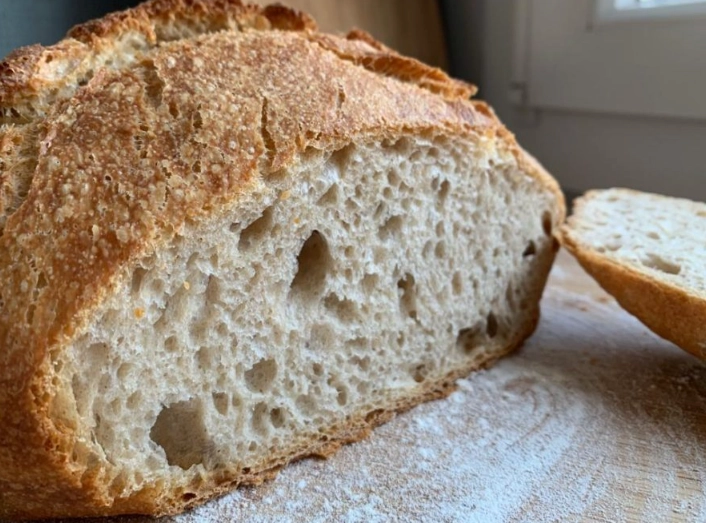
The Best Italian Bread Recipe: Authentic Ciabatta at Home
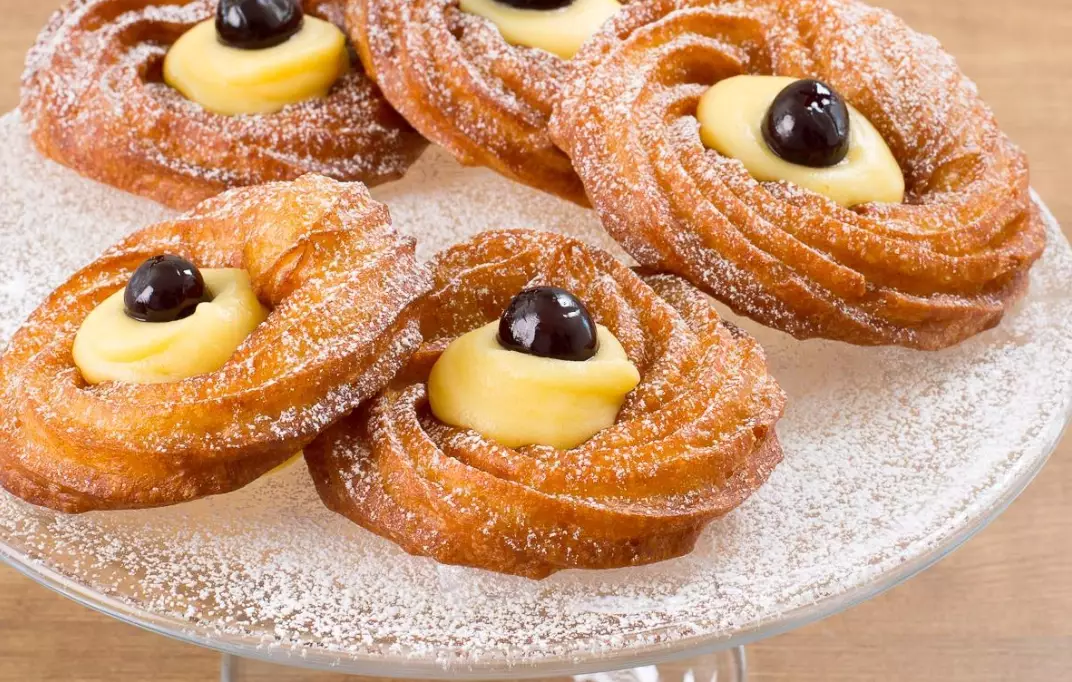
Authentic Italian Zeppole Recipe: Easy Homemade Fried Dough Guide
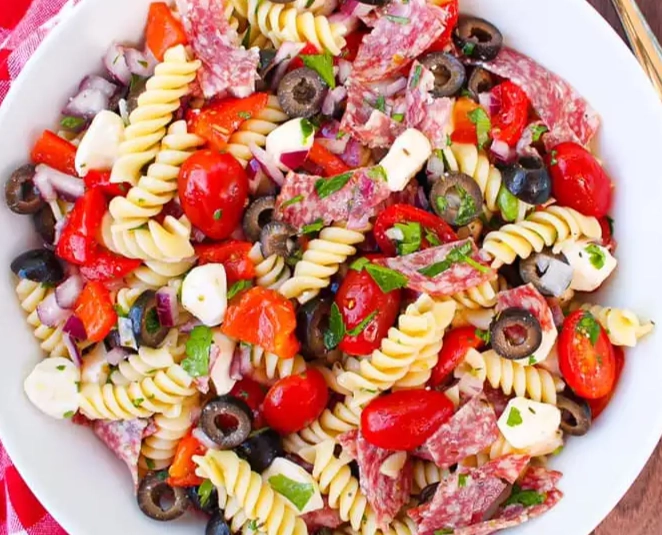
Italian Pasta Salad Recipe: The Ultimate Guide for Perfect Results
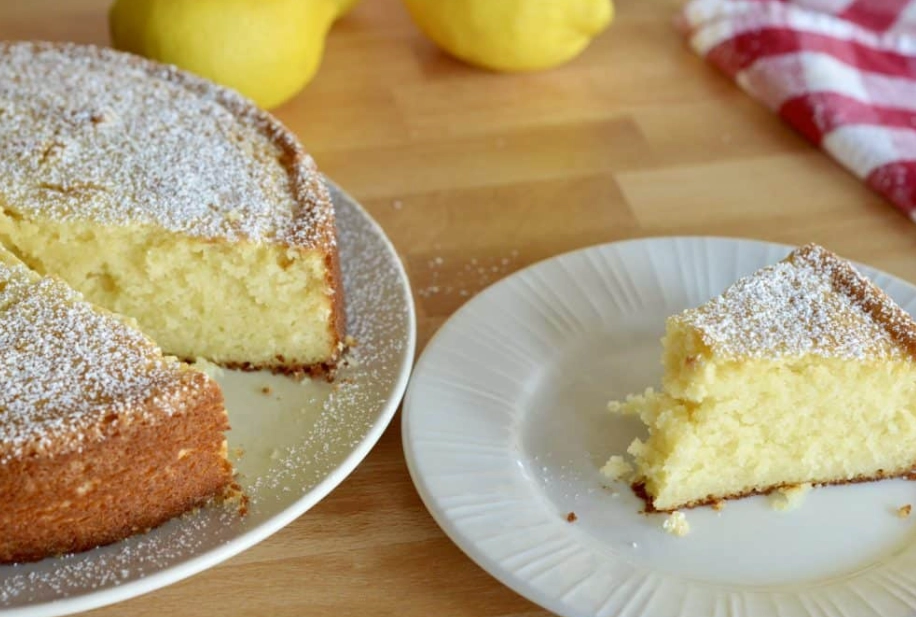
Best Italian Dessert Recipes: Classics & Regional Gems