Baked Italian Chicken Breast Recipes with Sauce: Juicy & Flavorful Every Time
Quick Guide
- Why Baking Chicken Breast with an Italian Sauce is a Genius Move
- The Foundation: Choosing and Prepping Your Chicken
- The Heart of the Matter: Italian Sauce Philosophies
- Two Master Recipes: From Simple to Show-Stopping
- Cooking Times & Temperatures: The Non-Negotiables
- Answering Your Burning Questions (FAQ)
- Taking It Further: Swaps, Twists, and Serving Ideas
- The Final Takeaway
Let's be honest for a second. The words "baked chicken breast" can sound about as exciting as watching paint dry. We've all been there – you follow a recipe, pop it in the oven, and pull out a piece of cardboard disguised as poultry. It's disappointing, it's a waste of good ingredients, and it's why so many people think they don't like chicken breast.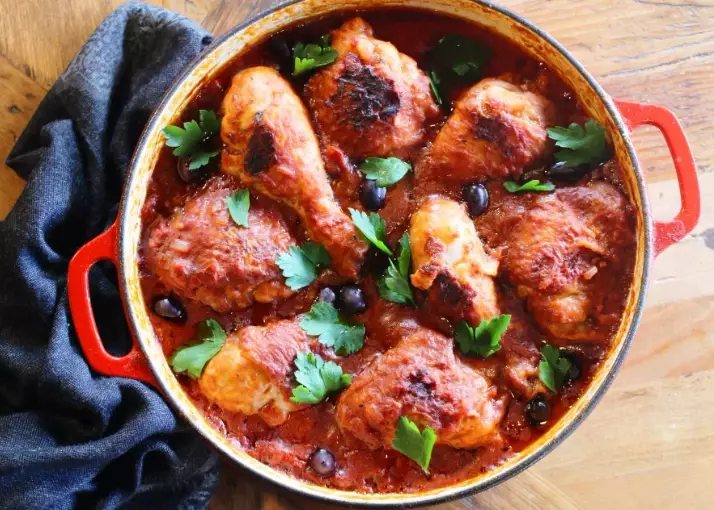
But what if I told you that's completely avoidable? That you can consistently turn a humble chicken breast into a juicy, flavor-packed centerpiece that your family will ask for again and again? The secret weapon, in my experience, isn't some fancy technique. It's the sauce. A good baked Italian chicken breast recipe with sauce solves the dryness problem before it even starts. The sauce bastes the meat as it cooks, infusing it with moisture and all those gorgeous Italian flavors we love – think sun-dried tomatoes, garlic, herbs, and good olive oil.
I messed up plenty of chicken breasts before I figured this out. My early attempts were sad, seasoned with little more than salt and pepper, destined for the land of overdone and underwhelming. Then I started playing with sauces, and it was a game-changer. This isn't about complicated cooking. It's about smart cooking. We're going to walk through everything, from picking the right chicken to the simple science of why these recipes work so well.
Why Baking Chicken Breast with an Italian Sauce is a Genius Move
You might wonder why you should bother baking the chicken right in the sauce. Can't you just make the sauce separately? Sure, you could. But baking them together creates a kind of magic that you don't get from cooking components separately. Think of the baking dish as a flavor chamber. As the oven heats up, the sauce simmers and reduces, its flavors concentrating. At the same time, the juices from the chicken seep out and mingle with the sauce. What you get at the end is a harmonious dish where the chicken tastes like the sauce, and the sauce tastes like the chicken. It's a two-way street of flavor.
From a practical standpoint, it's also a one-pan wonder, which means less cleanup. Who doesn't want that on a busy weeknight? The method is inherently forgiving. The liquid in the sauce creates a humid environment that protects the lean meat from the oven's dry heat, giving you a much wider window between "just cooked" and "overcooked." This is the core principle behind any successful baked Italian chicken breast recipe with sauce.
The Foundation: Choosing and Prepping Your Chicken
You can't build a great dish on a shaky foundation. Starting with the right chicken breast makes all the difference.
The Size and Thickness Dilemma
Go to any grocery store, and you'll see chicken breasts of wildly different sizes. Some are monstrous, some are petite. This inconsistency is the enemy of even cooking. A huge, thick breast will be raw in the middle when a thin one is already dry. The solution? Butterflying or pounding. I almost always butterfly my chicken breasts. It takes 60 seconds. Just place the breast flat on a cutting board, hold your hand on top, and slice through it horizontally, stopping about an inch from the edge, then open it like a book. You now have a large, even-thickness cutlet that will cook perfectly in the time the recipe states. If you don't want to butterfly, placing the breast between two pieces of plastic wrap and gently pounding it to an even ½-inch thickness works wonders.
To Brine or Not to Brine?
This is a hot topic. A simple brine (soaking in saltwater) can season the meat all the way through and help it retain more moisture. For a quick, "dry brine," I often just generously salt the chicken breasts about 30 minutes before cooking and let them sit on a plate in the fridge. You'll see the salt pull out some moisture, which then gets reabsorbed, seasoning the interior. It's a small step with a big payoff for juiciness. For a classic Italian twist, you could add a pinch of dried oregano or thyme to your salting mix.
The Heart of the Matter: Italian Sauce Philosophies
Italian cooking, at its core, is about simplicity and quality ingredients. You don't need a laundry list of items to make a stunning sauce. Let's break down the main families of sauces that work brilliantly for baked Italian chicken breast recipes.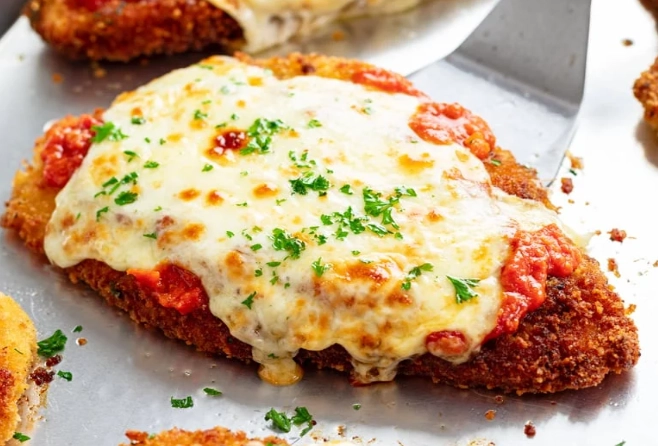
The Tomato-Based Sanctuary
This is the classic, the crowd-pleaser. It's not just about opening a jar of marinara (though a good-quality one can be a lifesaver). Building your own is simple. Start with a base of sautéed garlic and onions in olive oil. Add a can of good crushed San Marzano tomatoes – they're less acidic and sweeter. Let it simmer with a sprig of fresh basil. Pour this around your chicken in the baking dish, and as it bakes, it reduces into a rich, chunky blanket. For a creamier, richer version, stir in a splash of heavy cream or a dollop of ricotta after baking. This creates a luxurious baked Italian chicken breast recipe with a pink, creamy tomato sauce that feels indulgent but comes together easily.
The Herby, Garlicky Oil & Wine Bath
If you want something lighter but no less flavorful, this is your go-to. It's more of a baking liquid than a thick sauce, but it reduces into something glorious. Combine extra virgin olive oil, white wine (like Pinot Grigio), fresh lemon juice, a handful of chopped fresh herbs (rosemary, thyme, and parsley are perfect), and lots of minced garlic. Pour this over the chicken. The wine adds depth, the lemon adds brightness, and the olive oil carries all the flavors. The chicken essentially poaches in this fragrant liquid, staying incredibly moist. The leftover juices in the pan are liquid gold – perfect for spooning over mashed potatoes or crusty bread.
The Rustic Vegetable Medley
Why stop at a liquid sauce? Chop up bell peppers, onions, zucchini, and mushrooms. Toss them with olive oil, salt, pepper, and Italian seasoning. Scatter them in the baking dish and place the chicken breasts on top. As everything roasts together, the vegetables release their juices, creating a chunky, hearty sauce in the bottom of the pan. It's a complete meal in one dish. The chicken gets flavored by the vegetable vapors, and the vegetables soak up the chicken drippings. It's a win-win.
Two Master Recipes: From Simple to Show-Stopping
Let's move from theory to practice. Here are two of my most reliable baked Italian chicken breast recipes with sauce. The first is my weeknight hero, and the second is for when you want to impress without stress.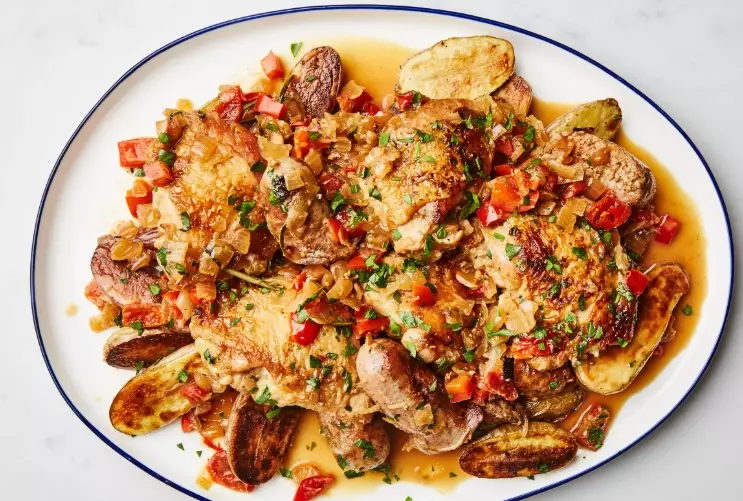
Weeknight Wonder: Creamy Sun-Dried Tomato & Basil Chicken
This is the recipe I make when I'm tired but still want something delicious. It feels fancy but comes together in under 45 minutes. The sun-dried tomatoes pack a huge punch of umami sweetness.
You'll need:
- 4 boneless, skinless chicken breasts, butterflied to even thickness
- Salt and black pepper
- 1 tablespoon olive oil
- 4 cloves garlic, minced
- 1 cup chicken broth (low sodium is best)
- 1 cup heavy cream or half-and-half for a lighter version
- 3/4 cup chopped sun-dried tomatoes (the ones packed in oil, drained)
- 1 teaspoon dried oregano
- 1/2 cup freshly grated Parmesan cheese
- 1/4 cup chopped fresh basil
What to do:
- Preheat your oven to 400°F (200°C). Pat your chicken breasts very dry with paper towels – this is crucial for good browning. Season them generously all over with salt and pepper.
- Heat the olive oil in a large, oven-safe skillet over medium-high heat. Sear the chicken breasts for 2-3 minutes per side, just until they get a nice golden-brown color. Don't cook them through! You're just building flavor here. Remove the chicken to a plate.
- In the same skillet, add the garlic and cook for about 30 seconds until fragrant. Pour in the chicken broth to deglaze the pan, scraping up all those tasty browned bits with a wooden spoon.
- Stir in the heavy cream, sun-dried tomatoes, and oregano. Let it simmer for 2-3 minutes to thicken slightly. Turn off the heat and stir in half of the Parmesan cheese.
- Nestle the seared chicken breasts back into the skillet, spooning some sauce over the top. Sprinkle with the remaining Parmesan.
- Transfer the skillet to the preheated oven and bake for 15-20 minutes, until the chicken is cooked through (the safe internal temperature for poultry is 165°F or 74°C, as verified by the USDA Food Safety Guidelines).
- Remove from the oven, sprinkle with fresh basil, and let it rest for 5 minutes before serving. The sauce will continue to thicken as it sits.
Sunday Dinner Special: Chicken alla Pizzaiola
This is a classic Southern Italian dish that's rustic, vibrant, and incredibly satisfying. "Pizzaiola" means "in the style of the pizza maker," and you'll taste why.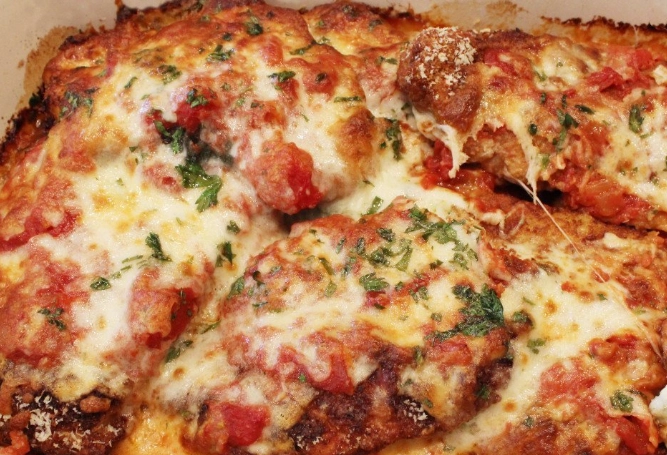
You'll need:
- 4 chicken breasts, pounded to ½-inch thickness
- 3 tablespoons olive oil, divided
- 1 medium yellow onion, thinly sliced
- 4-5 cloves garlic, thinly sliced
- 1 (28-oz) can whole peeled tomatoes, crushed by hand
- 2 teaspoons dried oregano
- 1/2 teaspoon red pepper flakes (optional)
- 1/2 cup pitted Kalamata olives, sliced
- 2 tablespoons capers, rinsed
- 1/4 cup chopped fresh parsley
- Fresh mozzarella cheese, sliced (optional, for topping)
What to do:
- Preheat oven to 375°F (190°C). Season chicken with salt and pepper.
- In a large, deep oven-safe skillet or Dutch oven, heat 2 tablespoons of olive oil over medium-high. Brown the chicken breasts for 2-3 minutes per side. Remove to a plate.
- Add the remaining oil to the skillet. Cook the onion until soft and translucent, about 5 minutes. Add the garlic and cook for another minute.
- Stir in the hand-crushed tomatoes, oregano, and red pepper flakes. Bring to a simmer and cook for 5-7 minutes to let the flavors meld. Season with salt to taste.
- Stir in the olives and capers. Return the chicken breasts to the skillet, submerging them halfway in the sauce.
- If using, place slices of fresh mozzarella over each chicken breast.
- Cover the skillet with a lid or aluminum foil and bake for 20 minutes. Then, uncover and bake for an additional 5-10 minutes to slightly thicken the sauce and melt/brown the cheese.
- Garnish with fresh parsley and serve immediately. This is fantastic with crusty bread or over polenta.
Cooking Times & Temperatures: The Non-Negotiables
This is where most people get tripped up. Relying solely on a timer is a recipe for disaster because chicken size and oven accuracy vary. You must use a meat thermometer. It's the single best investment you can make for cooking protein. The USDA recommends cooking chicken to a safe minimum internal temperature of 165°F (74°C). However, for the juiciest results, I pull my chicken out of the oven at about 160°F (71°C). The residual heat will carry it over to 165°F as it rests. That rest period is critical – it allows the juices, which have been driven to the center by the heat, to redistribute throughout the meat. If you cut into it immediately, all those juices just run out onto the cutting board.
Here's a rough guide, but always trust your thermometer:
| Chicken Breast Thickness | Oven Temperature | Approximate Baking Time (after browning) | Key Tip |
|---|---|---|---|
| ½-inch (pounded/butterflied) | 400°F (200°C) | 15-18 minutes | Cook quickly at high heat. Perfect for quick sauces. |
| ¾-inch to 1-inch (moderate) | 375°F (190°C) | 20-25 minutes | The sweet spot for most recipes. Allows sauce to reduce well. |
| Over 1-inch (very thick) | 350°F (175°C) | 30-35+ minutes | Lower and slower to cook through without drying the exterior. Consider butterflying. |
Answering Your Burning Questions (FAQ)
I get a lot of questions about this topic. Let's tackle the most common ones head-on.
Can I use frozen chicken breasts?
You can, but I don't recommend it for this method. Thawing them in the fridge overnight is best. If you bake from frozen, the chicken will release a ton of water, diluting your beautiful sauce into a sad, watery soup. The exterior will also overcook before the inside thaws. Plan ahead and thaw.
My sauce is too thin! How do I thicken it?
Don't panic. First, remove the cooked chicken to a plate and tent it with foil. Place the baking dish with the sauce on the stovetop over medium heat. Let it simmer and reduce for 5-10 minutes, stirring occasionally. It will thicken naturally. For a quicker fix, make a slurry: mix 1 tablespoon of cornstarch with 2 tablespoons of cold water until smooth. Whisk this into the simmering sauce and cook for 1-2 minutes until thickened.
What's the best cheese to use in an Italian baked chicken sauce?
It depends on the sauce. For melting and creaminess, fresh mozzarella or fontina are unbeatable. For a sharp, salty punch that dissolves into the sauce, Parmigiano-Reggiano (the real stuff, not the green can) is king. For a tangy note in tomato sauces, a little Pecorino Romano works wonders. The Consorzio del Formaggio Parmigiano-Reggiano website is a great resource to understand why this cheese is so special.
How long do leftovers last?
Store leftovers in an airtight container in the refrigerator for 3-4 days. Reheat gently in a covered skillet over low heat with a splash of water or broth to revive the sauce. The microwave can make the chicken rubbery.
Taking It Further: Swaps, Twists, and Serving Ideas
Once you've mastered the basic formula, the world is your oyster. Or, more appropriately, your olive grove.
Protein Swaps: This method works beautifully with chicken thighs (they're more forgiving and flavorful), pork chops, or even firm white fish like cod (reduce the cooking time significantly).
Dietary Twists: For a dairy-free creamy sauce, use full-fat coconut milk instead of heavy cream. It adds a subtle sweetness that pairs surprisingly well with sun-dried tomatoes and herbs. To make a recipe gluten-free, just ensure any broth or other packaged ingredients you use are certified GF.
What to Serve It With: This is the fun part. You've built these amazing flavors, so choose sides that complement and don't compete.
- The Soaker-Uppers: Creamy polenta, mashed potatoes, or a big pile of al dente pasta (like fettuccine or pappardelle) are perfect for ladling that sauce over.
- The Fresh Counterpoints: A simple arugula salad with lemon vinaigrette, or roasted asparagus, broccoli, or green beans.
- The Essential Tool: A thick slice of crusty, grilled bread to wipe the plate clean. It's mandatory.
The Final Takeaway
Baked Italian chicken breast recipes with sauce are more than just a recipe category. They're a reliable strategy for turning a potentially boring protein into a guaranteed hit. The method leverages simple science – moisture, heat, and flavor exchange – to deliver results that feel far more sophisticated than the effort required. It solves the dryness problem, minimizes cleanup, and fills your kitchen with the kind of aromas that make everyone ask, "What's for dinner?"
Start with one of the master recipes. Get comfortable with the feel of a perfectly cooked chicken breast (firm but yielding to the touch, with clear juices). Taste your sauces as you go. Before long, you'll be riffing on your own creations, using the formula of chicken + aromatic base + flavorful liquid + herbs. You'll have moved from hoping your chicken turns out okay to knowing it will be great. And that's a pretty good place to be.
So, grab a skillet, pick a sauce, and give it a go. Your dinner routine is about to get a whole lot more delicious.
Related Articles
Classic Italian Vegetable Dishes: A Guide to Authentic Recipes
Italian vs American Braciole: The Real Differences Explained
Authentic Italian Green Beans Recipe: A Classic Nonna's Method
Authentic Italian Lasagna Recipe: The Ultimate Guide to Homemade Perfection

Is Xiaomi Auto dumped?