The Best Pasta Carbonara Recipe: Authentic Roman Secrets Revealed
Quick Guide to Carbonara
- The Five Sacred Ingredients (And Why Substitutions Ruin It)
- The Step-by-Step Dance: How to Make Carbonara Without Scrambled Eggs
- Top 3 Reasons Your Carbonara Fails (And How to Fix Them)
- Answering Your Carbonara Questions (The Stuff You Actually Google)
- Taking It to the Next Level: Pro Tips You Won't Find Everywhere
Let's talk about pasta carbonara. You've probably seen a hundred recipes online, each claiming to be the "best" or the "most authentic." But here's the thing – most of them get it wrong. They add cream, they use the wrong cheese, they throw in peas or garlic (gasp!), and what you end up with is a heavy, gloppy mess that bears little resemblance to the glorious dish served in the backstreets of Rome.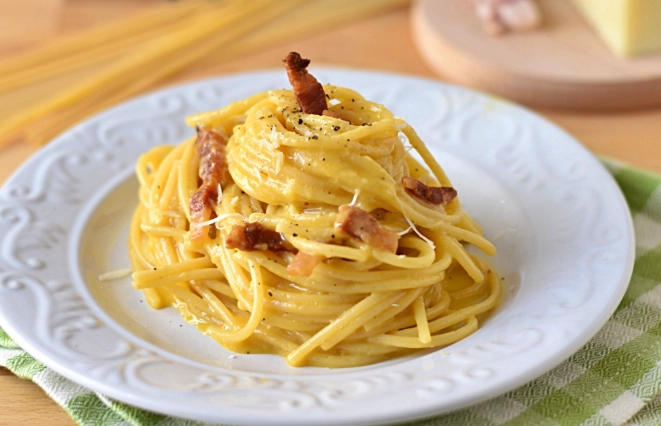
I learned this the hard way. My first attempt at carbonara was a disaster. I followed a fancy cookbook that insisted on cream and mushrooms. The result? A sauce that split and tasted more like a Alfredo gone wrong. It wasn't until I spent time in Rome, chatting with a pasta-maker who'd been in the trade for fifty years, that I understood the beautiful, almost fragile simplicity of the real deal.
So, what does the best pasta carbonara original Italian recipe actually look like? It's not about a long list of ingredients. It's about technique, quality, and respecting a tradition that's surprisingly strict. This isn't just another recipe list. This is a deep dive into why this dish works, how to master it, and how to avoid the pitfalls that trip up so many home cooks. If you want that silky, rich, peppery sauce clinging to perfectly cooked pasta, you're in the right place.
The Five Sacred Ingredients (And Why Substitutions Ruin It)
This is non-negotiable. A true original Italian recipe for carbonara uses exactly five ingredients. Not four, not six. Five. Each one plays a critical role, and swapping them out changes the dish fundamentally. Let's break them down.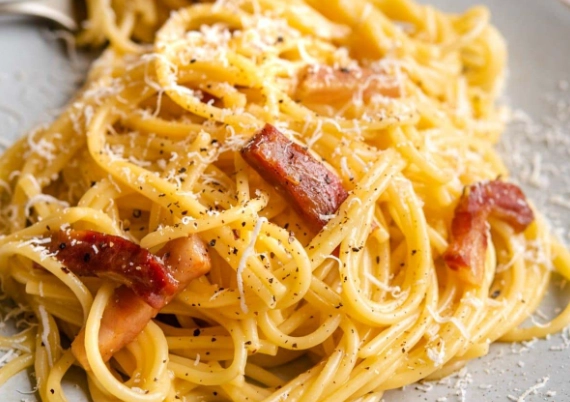
The Non-Negotiable Quintet
- Guanciale: Cured pork cheek. This is the king. It's fattier and more flavorful than pancetta or bacon, with a unique sweet and peppery taste. The fat is what creates the base of your sauce. If you absolutely cannot find it, high-quality pancetta is the only acceptable substitute, but it's a different flavor profile. Bacon? Don't even think about it. The smokiness will overpower everything.
- Pecorino Romano: A sharp, salty, sheep's milk cheese. It provides the primary salty, tangy flavor. Parmesan (Parmigiano-Reggiano) is milder and nuttier. Many Romans use a mix of Pecorino and Parmigiano to balance the saltiness. I prefer a 2:1 ratio of Pecorino to Parmigiano for the best pasta carbonara flavor – sharp but not overwhelming.
- Egg Yolks: Richness and color. For a standard portion serving 4-5 people, you'll use 4-5 whole eggs OR 1 whole egg plus 4-5 extra yolks. The yolk-heavy version is richer and creamier, which is my personal preference for that luxurious texture. The eggs are not cooked into scrambled bits; they are tempered by the hot pasta and pork fat to form the sauce.
- Black Pepper: Coarsely ground. It's not just a seasoning; it's a main ingredient. The heat and aroma cut through the richness. You need a lot. Freshly crack it – pre-ground pepper tastes like dust.
- Pasta: Long, sturdy shapes like spaghetti (spaghetti alla carbonara) or rigatoni. They need to stand up to the thick sauce. The starch released from the pasta water is your magical emulsifier.
See? No cream. No garlic. No onions. No herbs. The beauty is in this stark, powerful combination. When you start adding other things, you're making a different pasta dish – which is fine – but don't call it carbonara.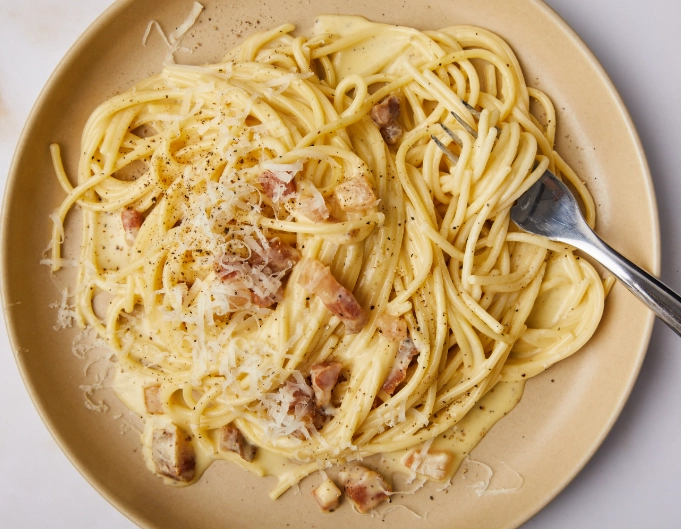
| Ingredient (Authentic) | Common Fake-Out | Why It's a Problem |
|---|---|---|
| Guanciale | Bacon or Canadian Bacon | Imparts a smoky, ham-like flavor that clashes with the cheese and egg. Fat renders differently. |
| Pecorino Romano | Pre-grated "Parmesan" in a canister | Contains anti-caking agents (like cellulose) that prevent it from melting smoothly into a sauce. Lacks real flavor. |
| Egg Yolks | Whole eggs only, or worse, egg substitutes | Too many whites can make the sauce watery and increase the chance of scrambling. The sauce lacks the deep yellow color and richness. |
| Pasta Water | Tap water or no water added | The starch in the pasta water is crucial for binding the fat and cheese into a creamy emulsion. Without it, the sauce is greasy and separates. |
| Technique (Emulsification) | Adding cold cream | Cream creates a heavy, masking blanket. It's a cheat that overpowers the delicate egg and cheese flavor and makes the dish cloying. You lose the silky texture. |
Finding real guanciale can be a hunt. I've had luck at Italian specialty markets or online retailers. If you're sourcing ingredients, the quality of the pork and its cure matter. For an authoritative look at traditional Italian cured meats, you can refer to resources from ISMEA (the Italian Institute for Agricultural Food Market Services), which provides insights into protected designations and traditional production methods. It underscores why guanciale is specific and not interchangeable.
The Step-by-Step Dance: How to Make Carbonara Without Scrambled Eggs
This is where everyone gets nervous. The fear of ending up with pasta and bacon bits in a pool of greasy, scrambled egg water is real. I've been there. But if you follow this sequence and control your heat, it's foolproof. Think of it as a timed dance between your pan, your bowl, and your pot.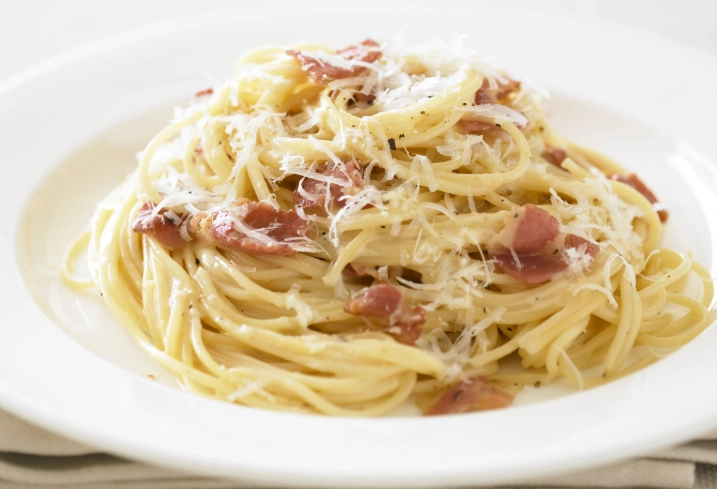
Step 1: Prep is Everything (Mise en Place)
Carbonara comes together in about the time it takes to cook the pasta. You cannot be grating cheese or separating eggs while the pasta is boiling. Have everything ready:
- Cube your guanciale into 1/2-inch lardons.
- Grate your Pecorino (and Parmigiano, if using) finely. I mean finely. A microplane is best.
- Separate your eggs. For 4 servings, I use 4 whole eggs plus 1 extra yolk. Whisk them in a large bowl (one big enough to eventually hold all the pasta) with all of the grated cheese and a massive amount of cracked black pepper. It will look like a thick, grainy paste. That's perfect.
- Get your pasta water boiling. Salt it heavily – it should taste like the sea.
Step 2: Render the Guanciale, Not Crisp It
This is a common mistake. You don't want crispy, browned bits. You want tender, chewy pieces with the fat fully rendered out. Put the cubed guanciale in a cold, large skillet (no extra oil needed). Turn the heat to medium-low. Let it cook gently, stirring occasionally, until the pieces are golden and the fat has melted into the pan. This should take 10-15 minutes. You're after translucent fat and soft meat. Turn off the heat. That beautiful fat is liquid gold.
Step 3: Cook the Pasta and Time the Magic
Drop your pasta into the boiling water. Cook it 1-2 minutes LESS than the package says for al dente. It will finish cooking in the sauce. Now, the critical move: before you drain the pasta, scoop out about 1 1/2 cups of the starchy pasta water. You might not use it all, but you need it ready.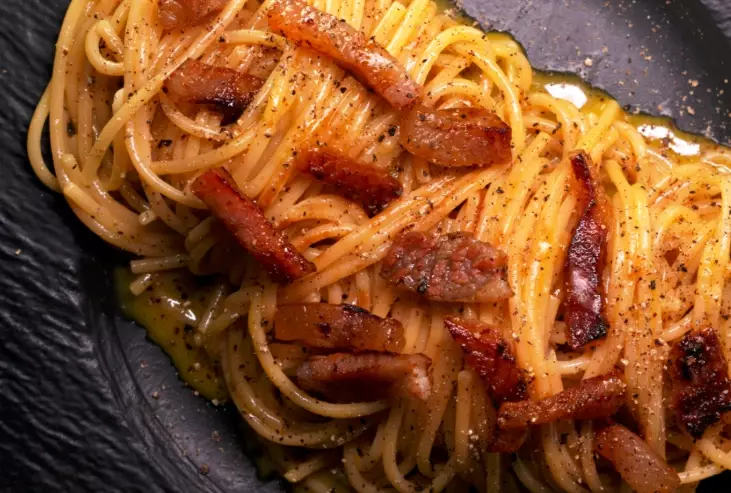
Drain the pasta. Do not rinse it. Ever.
Step 4: The Emulsification – The Heart of the Best Pasta Carbonara Recipe
Here we go. Act quickly but calmly.
1. Add the hot, drained pasta directly to the skillet with the guanciale and its fat. Toss it well so every strand is coated in that glorious fat. The pan should be off the heat, but still very warm.
2. Take a ladle (about 1/4 cup) of the hot pasta water and drizzle it into your bowl of egg/cheese/pepper paste. Whisk it in quickly. This tempers the eggs, warming them gently so they won't scramble when they hit the hot pasta.
3. Now, pour this tempered egg mixture over the pasta in the skillet. Immediately start tossing and stirring furiously. The residual heat from the pasta and pan will cook the eggs into a creamy sauce. If it looks too thick or is clumping, add another splash of hot pasta water, a tablespoon at a time, and keep tossing. You're looking for a silky, creamy sauce that coats the pasta without being soupy.
Serve immediately in warm bowls, with an extra crack of pepper and a light dusting of Pecorino on top. Waiting is not an option – it's best eaten within minutes.
Top 3 Reasons Your Carbonara Fails (And How to Fix Them)
Let's troubleshoot. If your carbonara isn't turning out, it's almost certainly one of these three issues.
The Sauce is Grainy or Scrambled
Cause: Too much heat. The eggs "cooked" too fast.
Fix: Ensure the pan is off the heat when you add the pasta. The pasta itself should be hot enough to cook the sauce via residual heat. Tempering the egg mix with pasta water is your insurance policy. If it starts to scramble, you can try adding a huge splash of pasta water and whisking vigorously to re-emulsify, but prevention is key.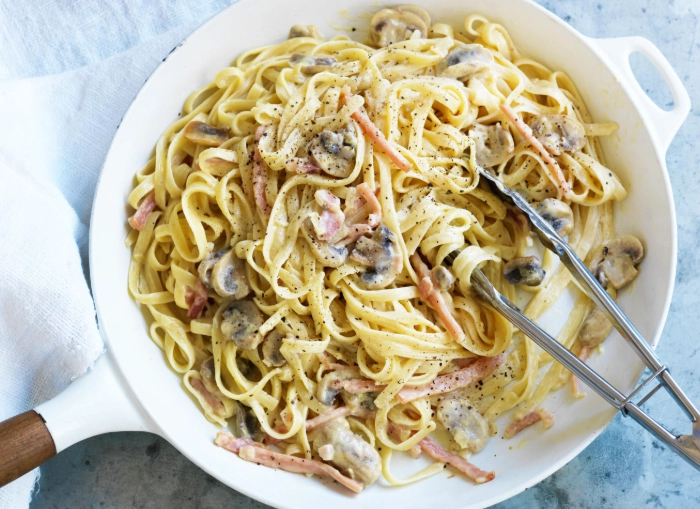
The Sauce is Thin, Watery, or Separates (Oil Pooling)
Cause: Not enough emulsification, or not enough starchy water.
Fix: You need to agitate more! Toss the pasta and sauce vigorously to encourage the emulsion. The starch molecules need to be worked to bind the fat and water. Add a bit more pasta water and toss like your dinner depends on it. Also, ensure you're using enough cheese – it acts as an emulsifier too.
The Dish is Bland or Just Tastes Like Bacon and Eggs
Cause: Not enough pepper, not enough cheese, or poor-quality cheese.
Fix: Pepper is a star. Be generous. Taste your cheese before you use it. Real Pecorino Romano should have a sharp, tangy bite. If you're using a bland cheese, the dish will be bland. And salt – remember, the guanciale and Pecorino are salty, so you likely don't need extra salt until the very end, if at all.
Answering Your Carbonara Questions (The Stuff You Actually Google)
Can I make carbonara ahead of time?
No. Honestly, just no. It's a dish that demands to be eaten immediately. The sauce will thicken, congeal, and lose its magic. The whole process takes 20 minutes from start to finish. Plan to make it and eat it right away.
What wine pairs best with carbonara?
You need something with good acidity to cut through the richness. A white like a Frascati or a Vermentino from Italy works beautifully. For red drinkers, a lighter, low-tannin red like a Chianti Classico or a Montepulciano d'Abruzzo can work if served slightly cool.
Is it safe to eat raw eggs?
The eggs in carbonara are cooked by the residual heat of the pasta. They reach a temperature that pasteurizes them, though they don't become solid. If you are concerned, use pasteurized eggs (available in many supermarkets). The risk from fresh, quality eggs is extremely low, but it's a personal decision.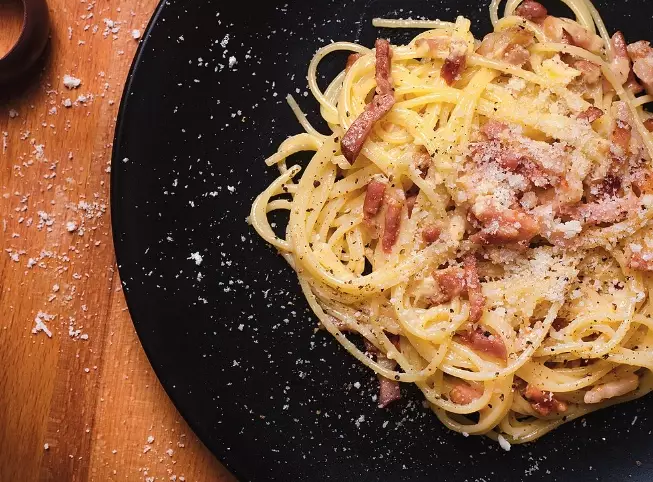
Why is it called "carbonara"?
Theories abound! The most popular ones link it to "carbone" (coal), either because it was a favorite of coal miners ("carbinai") or because the abundance of black pepper looks like coal dust. Others suggest it was created with postwar rations from American soldiers (eggs and bacon). The true origin is deliciously murky.
Can I use a different pasta shape?
Spaghetti is classic, but rigatoni, bucatini, or tonnarelli are also very traditional in Rome. The key is a shape that can hold the sauce. Small shapes like penne or farfalle can work, but long shapes are more authentic for this original Italian recipe.
Taking It to the Next Level: Pro Tips You Won't Find Everywhere
Once you've mastered the basic best pasta carbonara recipe, here are a few subtle tweaks that can elevate it from great to mind-blowing. These aren't about changing ingredients, but refining technique.
First, consider toasting your black pepper. Add your coarsely cracked pepper to the dry, cold pan before you add the guanciale. Let it warm for 30 seconds until fragrant, then add the pork. This "blooms" the pepper's oils and deepens its flavor throughout the entire dish.
Second, the bowl matters. Use a warm serving bowl. I put my big mixing bowl (the one I'll toss everything in) over the pot of boiling pasta water for a minute to take the chill off. A cold bowl will suck heat out of your sauce right when it needs it most.
Finally, think about the finish. A final, light drizzle of the rendered guanciale fat over the plated pasta adds an incredible sheen and an extra punch of flavor. It's that little restaurant touch that makes it special.
Look, at the end of the day, the goal is a plate of pasta that makes you close your eyes and smile. Carbonara, when done right, does that. It's comfort food with a pedigree. It's a dish that rewards attention to detail but doesn't require chef-level skills. It requires respect for a few simple, perfect things.
Forget the cream. Forget the garlic. Embrace the guanciale, the Pecorino, the pepper, and the egg. Master that emulsion. That's the secret. That's how you make the best pasta carbonara original Italian recipe in your own kitchen. Now go put the water on to boil.
Related Articles
Authentic Italian Cookies Recipes: Classic Biscotti, Amaretti & More
Classic Italian Vegetable Dishes: A Guide to Authentic Recipes
Top 10 Italian Pasta Dishes: A Guide to Classics
Authentic Italian Meatball Sauce Recipe: A Family Secret Revealed
Easy Italian Pizzelle Recipe: Simple & Authentic