The 4 Essential Carbonara Ingredients (No Cream Recipe)
Quick Guide to This Article
- Breaking Down the 4 Carbonara Ingredients (The Right Way)
- The Supporting Cast: Pasta and Pasta Water
- Why Cream is Not One of the 4 Ingredients in Carbonara
- The Technique: Bringing the 4 Ingredients Together
- Ingredient Substitutions & Comparisons
- Frequently Asked Questions (Beyond the 4 Ingredients)
- Final Thoughts: Embracing Simplicity
Let's cut right to the chase. If you've ever wondered what are the 4 ingredients in carbonara without cream, the answer is beautifully simple, yet so often messed up. It's guanciale, eggs, pecorino Romano cheese, and black pepper. That's it. Four. No cream, no garlic, no onions, no peas, and definitely no mushrooms. I know, it sounds almost too simple to be the legendary dish it is, but that's the magic of Roman cooking – it turns humble, few ingredients into something greater than the sum of its parts.
I remember the first time I had a real carbonara in a trattoria near the Pantheon. It was a revelation. The sauce was silky and clung to the pasta, the guanciale was crisp and rich, and the pepper gave it this warm, fragrant kick. It was nothing like the heavy, creamy versions I'd had back home. That meal changed how I thought about pasta. And it made me obsessed with getting it right in my own kitchen, which, let me tell you, involved a few disasters (scrambled egg pasta, anyone?) before I nailed it.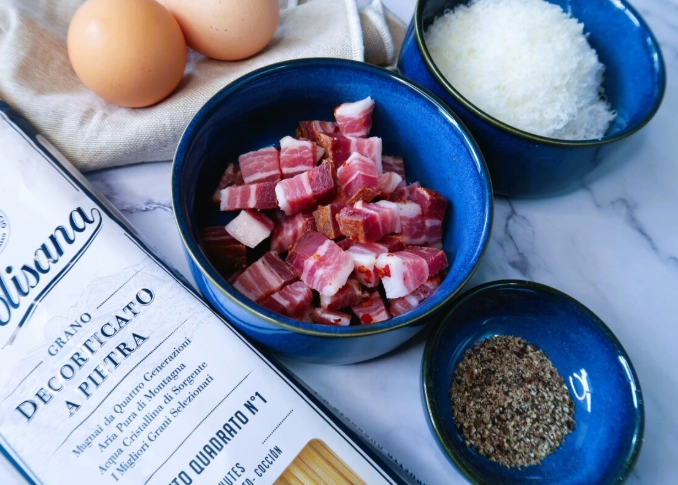
Breaking Down the 4 Carbonara Ingredients (The Right Way)
So, you want to know what the 4 ingredients in carbonara without cream are and, more importantly, why they are non-negotiable? Let's get into the details. Each one has a specific role, and swapping them out changes the final dish fundamentally. This isn't just a list; it's a blueprint.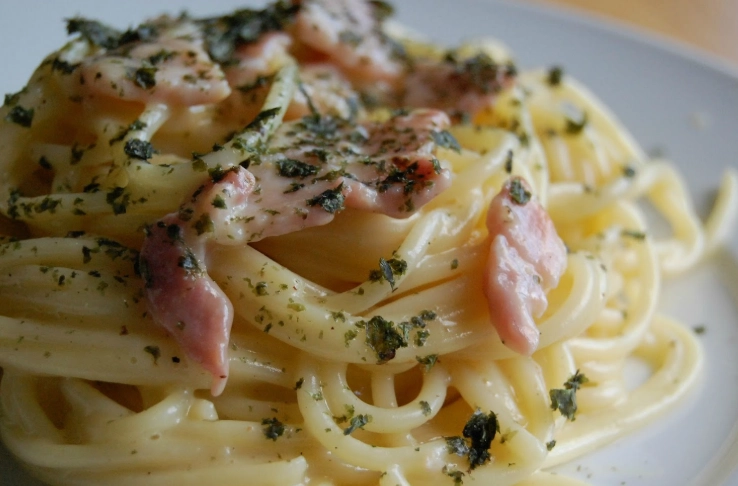
1. Guanciale (The Soul of the Dish)
This is where the flavor foundation is built. Guanciale is cured pork jowl (the cheek). It's fattier and has a more complex, porkier, and slightly sweeter flavor than pancetta or bacon. When cubed and fried, it renders glorious fat that becomes the base of the sauce and gets crispy little nuggets that provide texture.
Why it's essential: The fat from guanciale is silkier and has a distinct flavor profile. It's the traditional Roman choice. Using it is the single biggest step towards authenticity.
The Reality Check: I get it, guanciale can be hard to find outside of specialty Italian delis or good butcher shops. I've spent weekends driving to three different stores looking for it. But the effort is worth it. If you absolutely cannot find it, pancetta (Italian cured pork belly) is the closest substitute. Regular bacon is a distant third – it's smokier and saltier, which changes the character of the dish completely. It'll still be tasty, but it won't be authentic Roman carbonara.
For a deep dive into the cuts of pork used in Italian charcuterie, including guanciale, the Accademia Italiana della Cucina (Italian Cooking Academy) has extensive resources on traditional preparations.
2. Eggs (The Emulsifier)
Specifically, you need egg yolks and whole eggs. The classic ratio for 4 servings is often 1 whole egg plus 3-4 extra yolks. The yolks provide richness, color, and the primary thickening power, while the whole egg adds structure.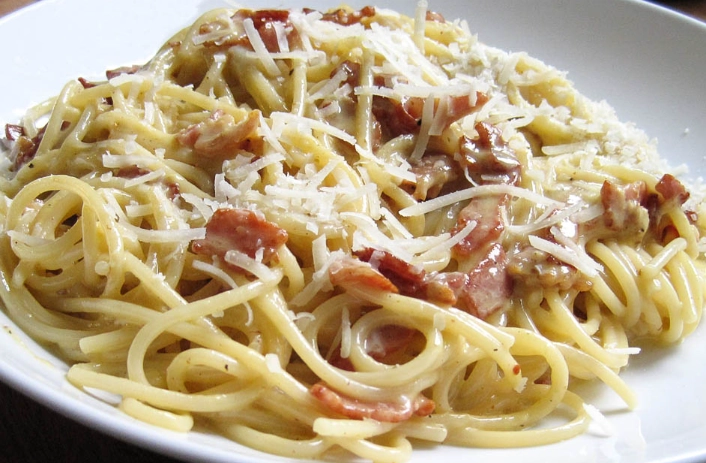
Why it's essential: Eggs create the sauce. When whisked with cheese and tempered with hot pasta and pasta water, they transform into that famous, creamy emulsion. The goal is to cook them gently with residual heat, not direct heat.
The Big Mistake Everyone Makes: Adding the egg mixture to a hot pan. This is the cardinal sin that leads to carbonara scrambled eggs. You must take the pan off the heat before adding the eggs. The pasta should be hot enough to cook them through.
Think about it. What are the 4 ingredients in carbonara without cream? Eggs are the magic that makes "creamy" happen without any cream at all.
3. Pecorino Romano Cheese (The Salty, Tangy Punch)
This is a hard, salty cheese made from sheep's milk. It's sharper and saltier than its cousin, Parmigiano-Reggiano (Parmesan). In Rome, Pecorino Romano is the cheese of choice.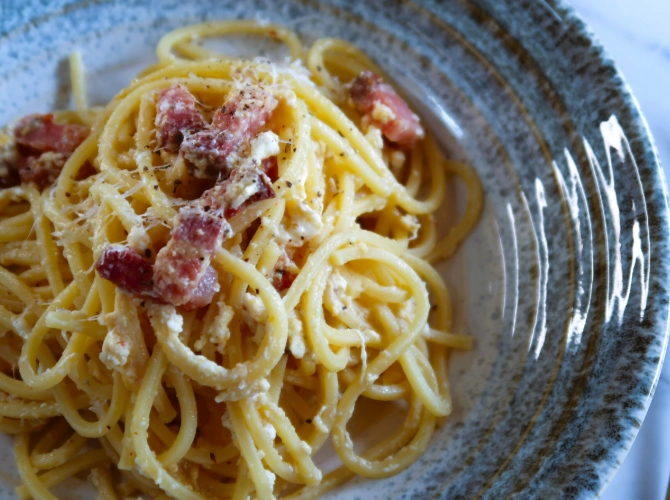
Why it's essential: Its sharp, tangy flavor cuts through the richness of the eggs and guanciale fat. It also helps thicken the sauce when grated finely and mixed with the eggs. It provides the primary salty seasoning for the dish.
Can you use Parmesan? You can, and many people do, especially outside Italy. A mix of half Pecorino and half Parmesan is a common compromise to mellow out Pecorino's intensity. But for the true Roman experience, it's 100% Pecorino Romano. Using only Parmesan gives a milder, nuttier flavor profile. It's different, but still delicious.
To understand the protected designation (DOP) and production of Pecorino Romano, the official Consorzio per la Tutela del Formaggio Pecorino Romano provides authoritative information straight from the source.
4. Black Pepper (The Aromatic Spark)
Not just a sprinkle at the end. Freshly cracked black pepper is a main ingredient, not a garnish. It's toasted in the rendered guanciale fat at the beginning of the process, which mellows its heat and unlocks its deep, woody aromatics.
Why it's essential: The pepper provides necessary heat and fragrance. The name "carbonara" is thought by some to derive from "carbone" (coal), possibly referring to the generous amount of black pepper resembling coal dust. It balances the fat and salt.
Pro Tip: Use a pepper mill. Pre-ground pepper has lost most of its volatile oils and tastes dusty. The fresh crack is non-negotiable for flavor.
The Supporting Cast: Pasta and Pasta Water
While not counted among the four core ingredients for carbonara without cream, the pasta and its cooking water are critical co-stars.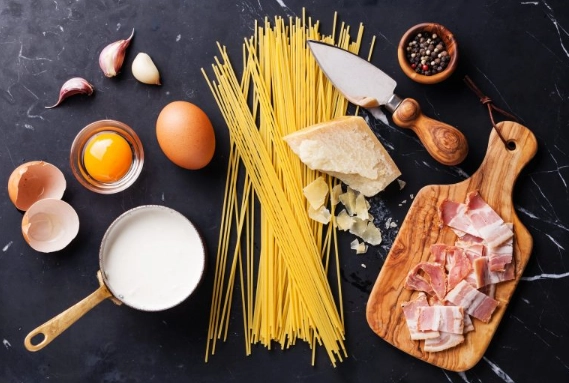
The Pasta: Spaghetti is the classic choice. Rigatoni, bucatini, or tonnarelli are also excellent because their shapes hold the sauce well. Always use a good quality, durum wheat pasta. It holds its texture better and releases more starch into the water.
The Pasta Water: This is your secret weapon. The starchy, salty water is what helps create and loosen the emulsion. Before you drain your pasta, always scoop out at least a cup of this liquid gold. You'll add it back splash by splash to achieve the perfect saucy consistency. Without it, your sauce will be thick, pasty, and likely break.
Why Cream is Not One of the 4 Ingredients in Carbonara
Let me be clear: cream is not traditional. Full stop. The creaminess in an authentic carbonara comes solely from the emulsion of eggs, cheese, fat, and starchy water. Adding cream is a modern adaptation, likely born from the fear of scrambling eggs or a desire for a richer, more stable sauce.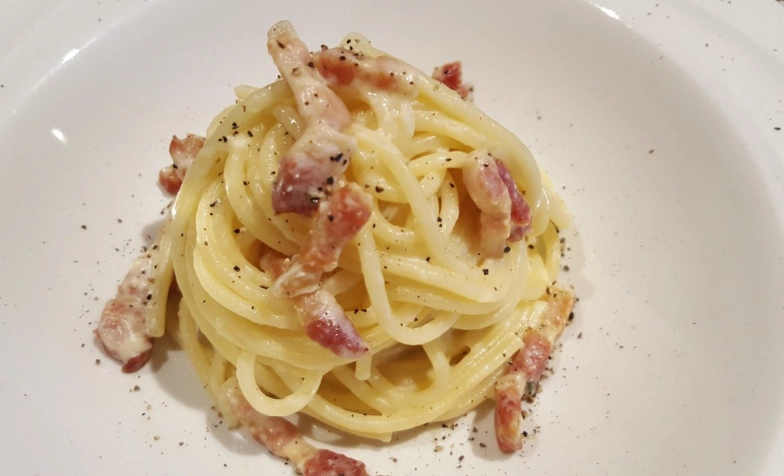
Here’s my take on it: a cream-based carbonara is a different dish. It's heavier, masks the delicate flavors of the guanciale and pecorino, and lacks the light, silky texture of the original. It's a safety net that, once you learn the proper technique, you won't need or want.
The Accademia della Ghiottoneria, an association dedicated to Roman culinary traditions, is adamant about the no-cream rule, listing only the four canonical ingredients in their historical documentation of the recipe.
So when someone asks, "What are the 4 ingredients in carbonara without cream?" the subtext is often, "How do I make the real thing?" And the real thing proudly excludes it.
The Technique: Bringing the 4 Ingredients Together
Knowing what the 4 carbonara ingredients without cream are is only half the battle. The technique is the other half. Here’s a step-by-step breakdown that avoids the common pitfalls.
- Prep First (Mise en Place): Cube your guanciale. Grate your pecorino finely. Crack your eggs and extra yolks into a bowl, add most of the grated cheese (save some for serving), and a generous amount of cracked black pepper. Whisk it all together until smooth. Have your pasta boiling in a separate pot.
- Cook the Guanciale: In a large pan (big enough to hold the pasta later), cook the guanciale over medium-low heat until it's crispy and the fat has rendered. Don't let it burn. Add a big crack of black pepper to the fat to toast it for a minute. Then, turn off the heat. Leave the guanciale and fat in the pan.
- Cook the Pasta: Cook your pasta in well-salted water until it's al dente (firm to the bite). It will finish cooking in the pan. Reserve at least 1 cup of pasta water before draining.
- The Critical Moment: Using tongs, transfer the hot, dripping-wet pasta directly from the pot into the pan with the guanciale and fat. Toss it vigorously to coat every strand. The pan should be off the heat, but still warm.
- Create the Sauce: Pour the egg and cheese mixture over the hot pasta. Immediately start tossing and stirring like your life depends on it. The goal is to evenly coat the pasta and let the residual heat cook the eggs into a creamy sauce. If it looks too thick or starts to clump, add a splash of the reserved pasta water and keep tossing. The starch in the water will help emulsify and loosen the sauce to a silky consistency.
- Serve Immediately: Plate it up right away. Top with the remaining grated pecorino and another crack of black pepper. Carbonara waits for no one; it's best eaten piping hot.
Ingredient Substitutions & Comparisons
I'm a purist, but I live in the real world. Sometimes you have to make do. Here’s a frank look at how substitutions change the dish when you're working with the core 4 ingredients for carbonara without cream.
| Ingredient | Authentic Choice | Common Substitute | Flavor & Texture Impact | Purist Rating |
|---|---|---|---|---|
| Cured Pork | Guanciale | Pancetta | Very close. Slightly less fat, leaner flavor. Still excellent. | ✅ Acceptable |
| Guanciale | Bacon | Adds smokiness, is saltier. Changes the dish's character significantly. | ⚠️ Different Dish | |
| Cheese | Pecorino Romano | Parmigiano-Reggiano | Milder, nuttier, less salty. A mix of both is a great middle ground. | ✅✅ Common Compromise |
| Pecorino Romano | Pre-grated "Parmesan" | Often contains anti-caking agents, less flavor. Avoid if possible. | ❌ Not Recommended | |
| Fat Source | Guanciale Fat | Olive Oil / Butter | If using pancetta/bacon that doesn't render enough fat, a tiny bit of olive oil is okay. Butter is not traditional. | ⚠️ Use Sparingly |
| Creaminess | Egg Emulsion | Heavy Cream | Creates a heavier, richer, more stable but less nuanced sauce. Not traditional. | ❌ Not Authentic |
Frequently Asked Questions (Beyond the 4 Ingredients)
Why did my carbonara sauce turn out watery?
You likely added too much pasta water too quickly, or your pasta wasn't hot enough to properly cook and thicken the egg emulsion. The sauce should tighten up as you toss it. Add water a tablespoon at a time until you reach the right consistency.
Why did my carbonara become scrambled eggs?
The pan was too hot when you added the egg mixture. Always remove the pan from the heat source before adding the eggs. The residual heat from the pasta and pan is sufficient.
Can I make carbonara ahead of time?
Honestly, no. Carbonara is a dish that demands to be eaten immediately. It does not reheat well—the sauce breaks, and the pasta becomes gummy. It's a 15-minute meal from start to finish, so plan to cook and serve.
What wine pairs best with carbonara?
A dry white wine from Lazio, like a Frascati or a Greco di Tufo, is the classic regional pairing. The acidity cuts through the richness. A light-bodied red like a Chianti can also work if you prefer reds.
Is it safe to eat raw eggs in carbonara?
The eggs are cooked by the residual heat of the pasta, so they are not raw. They are gently heated to a safe temperature (around 160°F/71°C) which is enough to kill bacteria while keeping them creamy. If you are concerned, use pasteurized eggs.
So, to be absolutely clear, what are the 4 ingredients in carbonara without cream?
For the last time, and this is the definitive answer for anyone searching: Guanciale, Eggs (yolks and whole), Pecorino Romano Cheese, and Black Pepper. Pasta and its starchy water are the essential vehicles, but these are the four flavor pillars.
Final Thoughts: Embracing Simplicity
Carbonara teaches a beautiful lesson in cooking: sometimes, less is more. By focusing on the quality of just four key ingredients for carbonara without cream and mastering a simple but precise technique, you create something extraordinary. It’s a dish that demands attention and respect for its ingredients.
Forget the cream, forget the garlic, forget the extra stuff. Trust the process. Get the best guanciale and pecorino you can find, use fresh eggs, grind your pepper, and be bold with your tossing arm. When you get it right—when that silky, peppery, salty, rich sauce coats every strand of pasta—you’ll understand why this recipe, with just its four perfect ingredients, has endured for generations.
It’s not just pasta. It’s a masterpiece of restraint.
Related Articles
Ultimate Guide to the Top 10 Pasta Dishes You Must Try
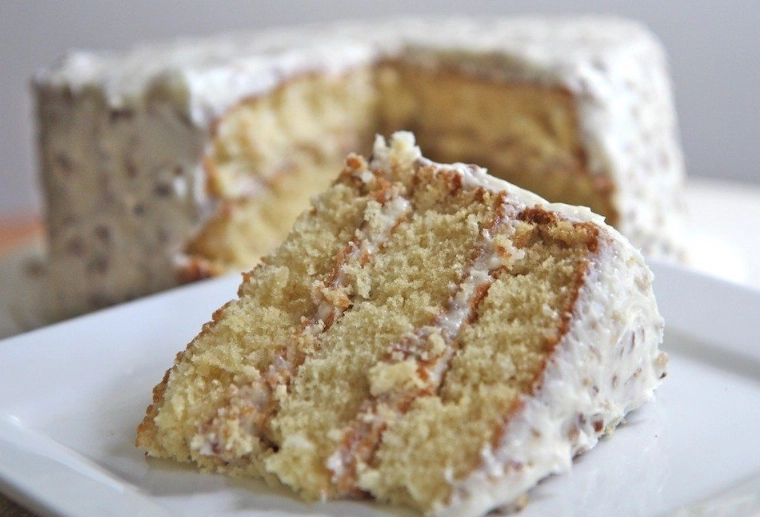
Authentic Italian Cream Cake Recipe: Moist, Nutty & Irresistible
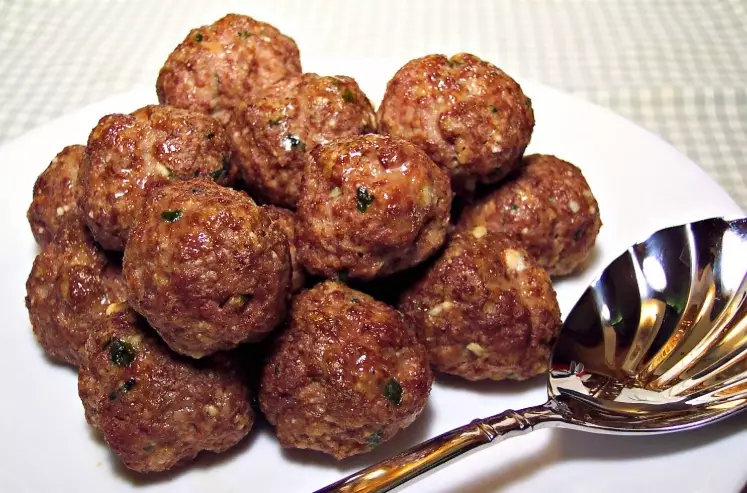
Italian Meatball Recipe: Step-by-Step Guide & Secrets for Tender Meatballs
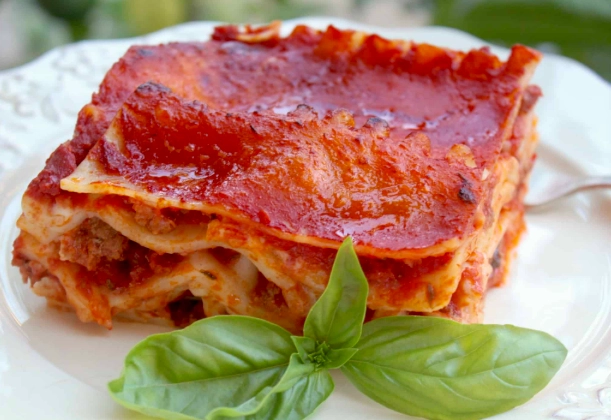
Ultimate Italian Recipes List: From Pasta to Desserts
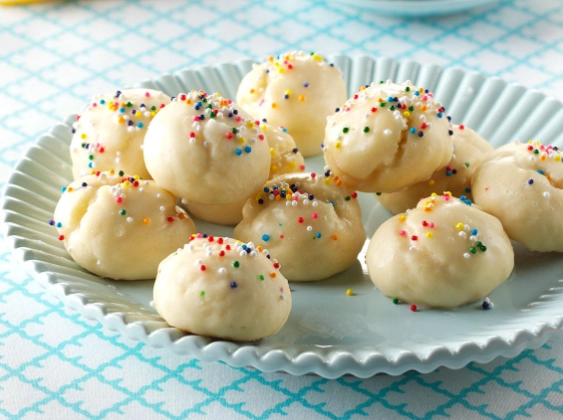
Traditional Italian Cookie Recipes: Biscotti, Amaretti & More