Authentic Carbonara Recipe: Traditional Italian Pasta Without Cream
Quick Navigation
- What You Absolutely Need: The 5 Non-Negotiable Ingredients
- The Step-by-Step: Where Technique is Everything
- Why Cream is the Ultimate Carbonara Sin
- Your Carbonara Troubleshooting Guide: Fixing Common Disasters
- Answering Your Carbonara Questions (The FAQ)
- Taking It Further: Variations and The Great Cheese Debate
Let's get one thing straight right from the start. If your carbonara recipe has cream in it, you're not making carbonara. You're making a creamy pasta dish that might be delicious, but it has about as much to do with a traditional Italian carbonara as a frozen pizza has to do with a pie from Naples. I know that sounds harsh, but after living in Rome and having a nonna (Italian grandmother) literally wave her wooden spoon at me for even suggesting cream, I feel pretty strongly about this.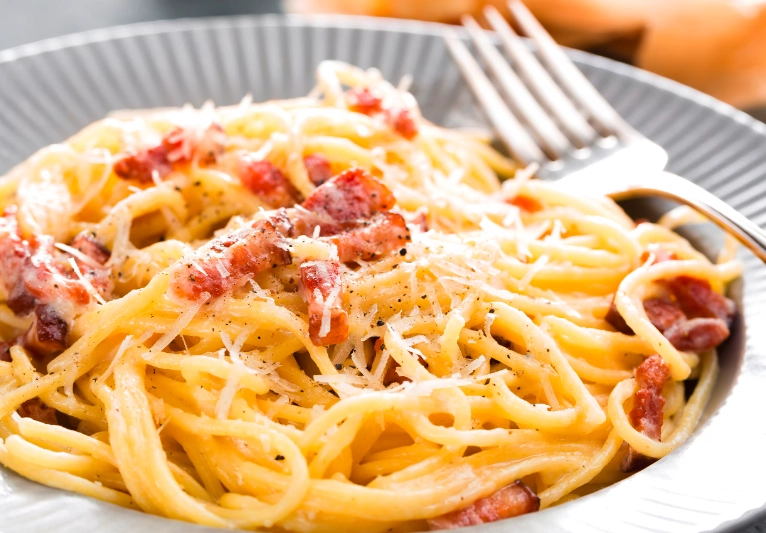
The beauty of a true carbonara recipe, the traditional Italian no cream version, lies in its stunning simplicity. Just a handful of ingredients, each one vital, coming together in a way that feels almost magical. When you get it right, the sauce is silky, rich, and coats the pasta perfectly without a single drop of dairy cream. When you get it wrong... well, you end up with scrambled eggs on spaghetti. Not ideal.
So why does this dish cause so much confusion? Why do so many restaurants, even outside Italy, drown it in cream? I think it's a safety net. Cream is forgiving. The emulsion of eggs, cheese, and pasta water is not. It requires a bit of know-how, a touch of confidence, and respect for the process. This guide is here to give you all of that. We're going deep on the authentic carbonara recipe, leaving no stone unturned. You'll learn not just the "how," but the "why" behind every single step. By the end, you'll be able to make a carbonara that would make a Roman chef nod in approval (and that's high praise).
What You Absolutely Need: The 5 Non-Negotiable Ingredients
This is where many versions go off the rails. Substitutions can work in a pinch, but to understand the soul of the dish, you need to start with the real stuff. Think of this as the holy quintet. Mess with it, and you're creating a different, albeit possibly tasty, pasta.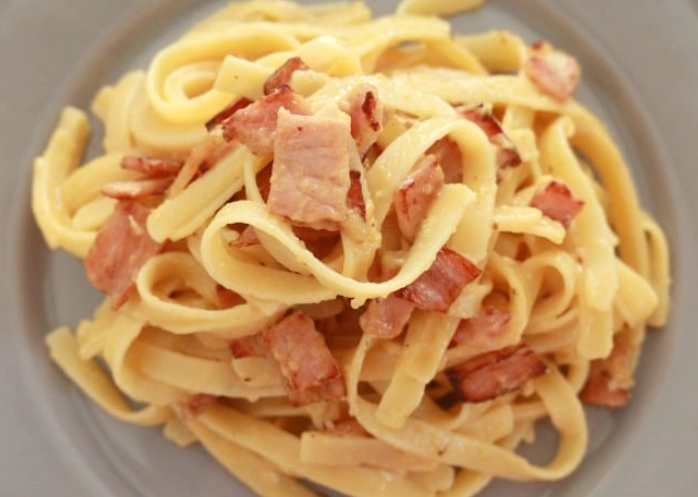
| Ingredient | Traditional Choice (The Gold Standard) | Why It's Crucial | Common Substitutes (The "Okay in a Pinch" List) |
|---|---|---|---|
| Pasta | Spaghetti or Rigatoni. Long, dried pasta like spaghetti is classic. Rigatoni's ridges are fantastic for holding sauce. | Dried pasta has the right texture and releases more starch into the cooking water, which is KEY for the sauce emulsion. | Bucatini, tonnarelli, or fettuccine. Fresh pasta is generally not used—it's too delicate and doesn't provide enough starch. |
| Cured Pork | Guanciale. This is cured pork cheek. It's the undisputed king for a reason. | Guanciale has a higher fat content and a more complex, porky, and slightly sweet flavor than pancetta. When rendered, this fat becomes the flavor base of the entire dish. | Pancetta (Italian cured pork belly). It's leaner and saltier. Bacon is a distant third—it's smoked, which changes the flavor profile dramatically. |
| Cheese | A mix of Pecorino Romano and Parmigiano-Reggiano. This is a point of debate, but a 50/50 or 70/30 (Pecorino/Parmigiano) mix is common. | Pecorino (sheep's milk) provides a sharp, salty, tangy punch. Parmigiano (cow's milk) adds nuttiness and depth. Together, they create a balanced, complex cheese flavor. | All Pecorino (very Roman, very strong). All Parmigiano (milder, less traditional). Pre-grated cheese is a major no—it won't melt properly and often contains anti-caking agents. |
| Eggs | Whole eggs and extra yolks. Most recipes use a combination for richness and binding power. | The yolks provide fat and emulsifiers for the creamy sauce. The whole eggs add structure. They are the engine of the sauce, not the cream. | Just yolks (ultra-rich, but can be too thick). Just whole eggs (lighter, less unctuous). Size matters—use large eggs for consistency. |
| Pepper | Freshly cracked black pepper. Not the pre-ground dust. | It's not just seasoning; it's a main ingredient. The peppery bite cuts through the richness of the cheese and fat. You should see little flecks of it throughout. | There is no substitute. Use a pepper mill. Seriously. |
See? No cream on that list. Not even a suggestion. The creaminess in an authentic carbonara recipe comes from the emulsion of the egg and cheese mixture with the hot pasta water and pork fat. It's a chemical and physical reaction, not an added ingredient.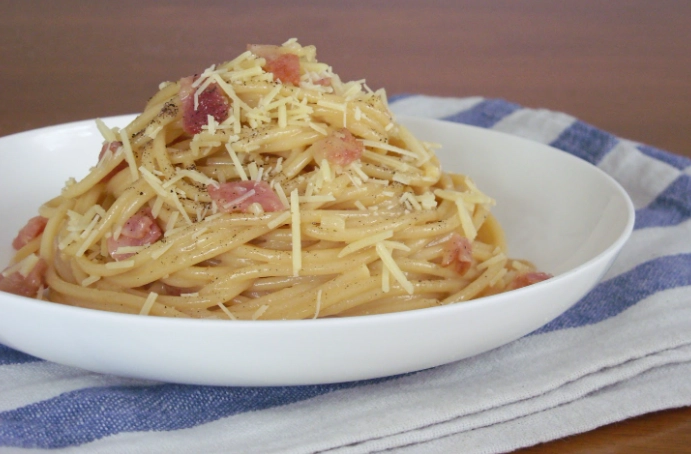
The Step-by-Step: Where Technique is Everything
Okay, you've got your pristine ingredients. Now, the dance begins. This isn't a "dump and stir" operation. Timing, temperature, and a bit of boldness are required. Read through this whole section before you even turn on the stove. Mise en place is your best friend here.
Preparation: Your Battle Station
- 3 whole large eggs
- 2 extra egg yolks (save the whites for an omelette)
- All of your grated cheese mixture
- A very generous amount of freshly cracked black pepper (at least 1 teaspoon, maybe more)
Whisk until it's a homogenous, thick, pale yellow paste. No streaks of egg white. Set this bowl aside, away from the heat.
The Cooking Ballet: Synchronize Your Movements
Now, the action starts. You'll be managing the guanciale, the pasta water, and your nerves all at once. Put on some Italian music for moral support.
Step A: Render the Guanciale. In a cold skillet (no added oil!), add your cubed guanciale. Turn the heat to medium-low. Let the fat slowly melt out. The goal is to render the fat and crisp up the meaty bits without burning them. This takes patience—maybe 10-15 minutes. You want them golden brown and crispy, not blackened. Once done, turn off the heat. Leave the guanciale and all that beautiful fat in the pan.
Step B: Cook the Pasta. In a large pot, bring plenty of water to a rolling boil. Salt it generously—it should taste like the sea. This is the only chance to season the pasta itself. Add your spaghetti, stirring immediately to prevent sticking. Cook it 1-2 minutes LESS than the package instructions for "al dente." It will finish cooking in the sauce.
This next part is the make-or-break moment.
Step C: The Emulsion. Right before your pasta is al dente, grab a coffee mug or ladle and scoop out about 1 cup of the starchy pasta cooking water. This is your magic potion. Drain the pasta, but don't shake it bone-dry. Let some water cling to it.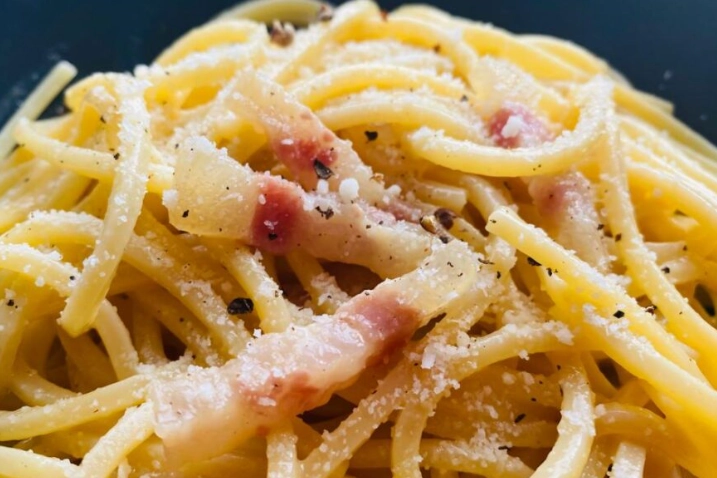
Immediately, add the very hot, drained pasta to the skillet with the guanciale and fat. Toss it vigorously for about 30 seconds. This coats every strand in fat and slightly cools the pan down—a crucial step to prevent scrambling the eggs.
Now, quickly transfer the pasta and guanciale mixture into the large bowl with your waiting egg/cheese paste. Work fast! Pour it all in. Immediately, start tossing and stirring with a pair of tongs or two forks. You want to coat every piece of pasta evenly.
Here's where the pasta water comes in. Add a splash—maybe 1/4 cup—to the bowl. Keep tossing. The heat from the pasta, the fat, and the water will begin to melt the cheese and cook the eggs gently, creating a creamy, glossy sauce that clings to the pasta. Add more pasta water a little at a time until you achieve a silky, flowing consistency. It should coat the back of a spoon, not pool at the bottom of the bowl like soup. This is the carbonara recipe traditional Italian no cream magic happening right before your eyes.
Step D: Serve Immediately. Carbonara waits for no one. Plate it up in warm bowls. Give it one final crack of black pepper on top. Do not, I repeat, DO NOT add extra grated cheese on top at the table. The sauce is perfectly seasoned. Adding more cheese unbalances it. This is a Roman restaurant rule that makes total sense once you taste the finished dish.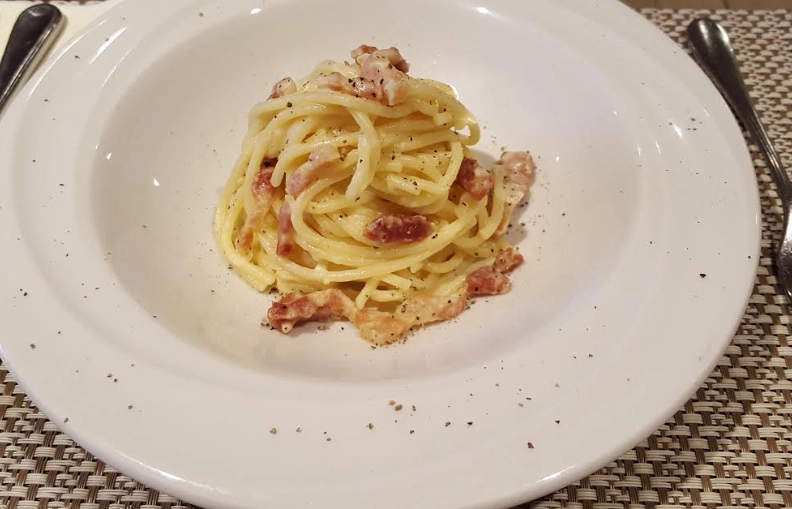
Why Cream is the Ultimate Carbonara Sin
Let's address the elephant in the room. Why is adding cream to a traditional carbonara recipe such a culinary crime in Italy?
First, it's historically inaccurate. The most accepted theories place carbonara's origins in the mid-20th century, possibly stemming from the interaction between Italian cooks and Allied soldiers who had eggs and bacon (or powdered eggs and bacon). Cream was a luxury item, not a staple, and wasn't part of that story. The dish was born from scarcity and ingenuity, not richness.
Second, and more importantly, it fundamentally changes the texture and flavor profile. Cream creates a heavy, uniform, one-note sauce that coats the tongue and masks the other ingredients. The beauty of the authentic version is the lightness of the emulsion. It's rich, yes, but it's also bright and sharp from the Pecorino, spicy from the pepper, and deeply savory from the guanciale. Each flavor has its own voice. Cream mutes that chorus into a bland hum.
Finally, it's a crutch. Using cream bypasses the need for the skillful emulsion technique. It guarantees a creamy result every time, even if you mess up the eggs. But you also guarantee you'll never experience the sublime, almost alchemical result of doing it the right way. Organizations like the Accademia Italiana della Cucina are dedicated to preserving the authenticity of Italian dishes like carbonara, and they are very clear on the no-cream rule.
Your Carbonara Troubleshooting Guide: Fixing Common Disasters
Even with the best instructions, things can go sideways. Here’s how to diagnose and (hopefully) prevent the most common carbonara catastrophes.
- The Sauce is Grainy or Looks Like Small Curds: You scrambled the eggs. The heat was too high, or you added the hot pasta directly to a cold egg mixture without the insulating step of tossing it in the guanciale fat first. How to salvage it: It's tough. You can try vigorously stirring in more hot pasta water to see if it re-emulsifies, but the texture will be off. Consider it a learning experience.
- The Sauce is Too Thick and Gluey: You didn't use enough pasta water. The sauce tightened up too much. How to fix it: Easy! Add a tablespoon of hot pasta water at a time, tossing continuously, until it loosens to a silky consistency.
- The Sauce is Watery and Thin: You added too much pasta water, or your egg/cheese mixture was too cold and didn't cook/thicken properly. How to fix it: You can try adding a bit more grated cheese and tossing aggressively. If that fails, it's still going to taste good, even if it's a bit soupy.
- The Guanciale is Tough or Burned: You cooked it over too high heat. It needs a gentle, slow render. If it's burned, there's no saving it—it will make the whole dish taste bitter. Start over with that part.
- The Dish Tastes Bland: You didn't salt your pasta water enough, or you didn't use enough black pepper. Remember, the pepper is a main ingredient, not a garnish. Also, taste your guanciale—some are saltier than others, which will affect final seasoning.
Answering Your Carbonara Questions (The FAQ)
Taking It Further: Variations and The Great Cheese Debate
Even within Italy, there are debates. Rome claims carbonara as its own, and many Romans insist on using only Pecorino Romano. Other regions or families might use only Parmigiano, or a mix. I find the mix perfect—it tempers the Pecorino's saltiness and adds complexity. Try both ways and see what you prefer. That's part of the fun of cooking.
As for variations, once you've mastered the traditional carbonara no cream base, you can play around. Some add a clove of garlic to the pan when rendering the guanciale (then remove it before adding pasta)—it adds a subtle background note. A pinch of red pepper flake can add heat. Some use rigatoni instead of spaghetti, which is fantastic for scooping up sauce. But the core technique remains the same.
I'll leave you with this thought. Making a true carbonara recipe traditional Italian no cream is a rewarding rite of passage for any home cook. It teaches you about heat control, emulsion, and the power of simple ingredients. It might take a try or two to get it perfect. My first attempt was a gluey mess. My second was watery. But the third? The third time, when that glossy, creamy (cream-less!) sauce coated the pasta just right, and the flavors of pepper, cheese, and pork sang in harmony… it was a revelation. It's a dish that demands your attention and rewards it generously. So ditch the cream, grab the guanciale, and give the real thing a shot. Your taste buds will thank you.
For further reading on the history and cultural context of iconic Roman dishes, the BBC Good Food often features well-researched articles from renowned chefs and food writers, though always cross-reference with Italian sources for ultimate authenticity.
Related Articles
Irresistible Italian Christmas Desserts: Recipes & Traditions
Italian Buttercream Recipe: How to Make Perfectly Smooth Frosting

Top 10 Italian Cocktails: From Negroni to Spritz & Beyond
Authentic Carbonara Recipe: How to Make Traditional Italian Pasta
Easy Italian Regional Recipes: Authentic Dishes You Can Actually Make