Authentic Carbonara Recipe (No Cream!): The Real Italian Way
Quick Guide
- The Great Carbonara Debate: Cream vs. No Cream
- Deconstructing the Authentic Carbonara Recipe: The Five Pillars
- The Step-by-Step: How to Make Real Carbonara (Without a Drop of Cream)
- Side-by-Side: Traditional vs. "With Cream" Carbonara
- Your Carbonara Questions, Answered (The FAQ)
- Final Thoughts: Embracing the Real Deal
Let's get this out of the way right at the start. If you're searching for a "Carbonara recipe traditional Italian with cream," you're already heading down a path that most Romans would side-eye. I don't blame you, honestly. For decades, menus outside Italy and countless cookbooks have presented a creamy, heavy version as the real deal. I believed it too, until I spent a summer in Rome and had my pasta world turned upside down.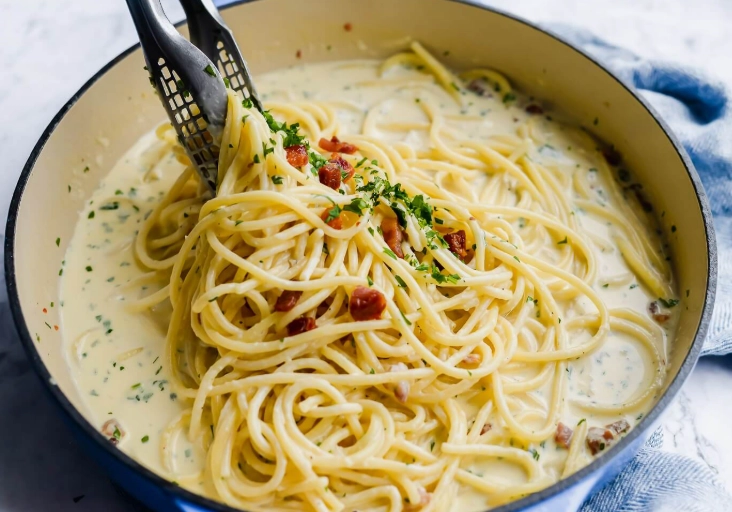
The first time I ordered Carbonara in a small trattoria near the Pantheon, I expected the rich, cream-laden sauce I was used to back home. What arrived was something entirely different. It was gloriously glossy, clinging to the pasta in a way that seemed almost magical, with distinct pieces of crisp guanciale and a sharp, salty bite from the cheese. There was no cream in sight. The chef, an older gentleman who saw my curious look, simply said, "Uova e pecorino, basta" — eggs and pecorino, that's it. That moment changed everything for me.
Here's the core truth: A traditional Italian Carbonara recipe is made with just five ingredients: pasta, guanciale (cured pork cheek), eggs, Pecorino Romano cheese, and black pepper. Cream is not, and never has been, part of the authentic equation. Its addition is a modern adaptation, often used outside Italy to create a more stable, foolproof sauce that's less likely to curdle. But it fundamentally changes the dish's character.
So, why does the "carbonara with cream" version persist so stubbornly? It's a fascinating mix of post-war ingredient scarcity, international misinterpretation, and the very real challenge of mastering the egg-based emulsion. This article isn't just about giving you a recipe. It's about understanding the why behind the rules, the history of the dish, and then empowering you to make the authentic version confidently. We'll also tackle the creamy version head-on—how it differs, why people use it, and how to make it if that's truly what you're after. But my goal is to show you that the traditional method isn't some unattainable chef's secret. It's a simple technique that, once you get it, feels like a superpower.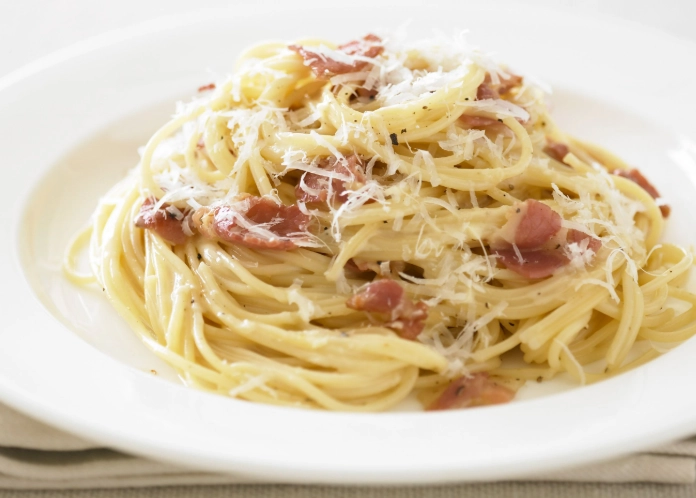
The Great Carbonara Debate: Cream vs. No Cream
This is arguably the most heated debate in pasta culture. To understand it, we need to look at origins. Most food historians agree that Carbonara, as we know it, emerged in Rome around the middle of the 20th century. One popular theory links it to Allied soldiers in WWII bringing eggs and bacon to the region. The original method was a clever way to create a rich, satisfying sauce with minimal, high-energy ingredients.
The cream entered the picture later, primarily in non-Italian kitchens. There are a few practical reasons:
- Fear of the scramble: The biggest hurdle for home cooks is tempering the egg and cheese mixture with hot pasta water to create an emulsion without scrambling the eggs. Adding cream or even a spoonful of the starchy pasta water first creates a buffer, making the process more forgiving. It's a safety net.
- Expectation of richness: Outside Italy, creamy sauces are often synonymous with indulgence. The addition of heavy cream creates a thicker, more uniformly white sauce that matches a certain visual and textural expectation.
- Ingredient substitution: When guanciale and Pecorino Romano are hard to find, cooks often use bacon and Parmesan. These substitutes have different fat and salt profiles. Cream can be used to compensate for a perceived lack of richness or to mellow out stronger flavors.
What do Italian authorities say? Organizations dedicated to preserving Italian culinary heritage are very clear. The Accademia Italiana della Cucina (Italian Academy of Cuisine) and the portal for the official Gambero Rosso food and wine guide do not recognize versions with cream, peas, garlic, or onions as Carbonara. They document and defend the traditional recipe.
I have a confession. When I first started cooking, I used cream. I was terrified of making pasta carbonara scrambled eggs. The cream version worked every time, and my friends loved it. It's delicious in its own right—a rich, decadent pasta dish. But after tasting the real thing, I can't go back. The traditional sauce is lighter yet more intensely flavorful. It coats the pasta in a sleek, shiny jacket rather than a heavy blanket. The sharpness of the Pecorino and the peppery heat come through cleanly.
Deconstructing the Authentic Carbonara Recipe: The Five Pillars
Let's break down why each ingredient in a traditional Italian Carbonara recipe is non-negotiable and what it brings to the table. Think of this as your blueprint.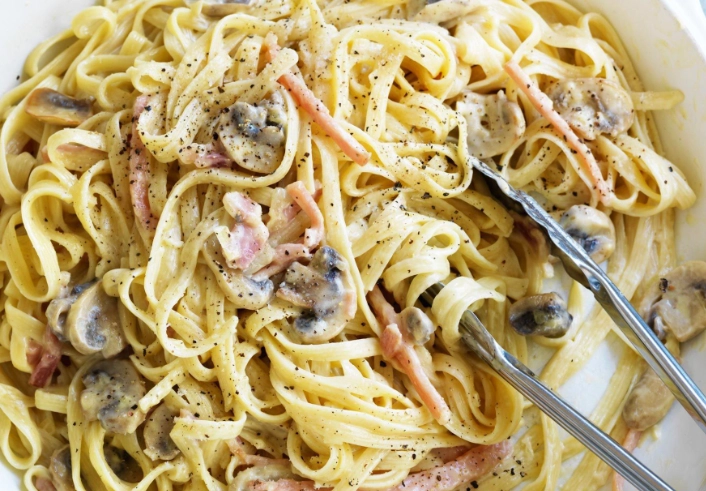
| Ingredient | Traditional Choice & Why | Common Substitutes (The Compromise) |
|---|---|---|
| Pasta | Spaghetti or Rigatoni. Long, sturdy shapes that can be easily tossed and hold the sauce. The starch released from the pasta water is a critical component of the emulsion. | Bucatini, linguine, or fettuccine can work. The key is a shape with enough surface area for the sauce to cling to. |
| Pork | Guanciale. This is cured pork cheek, fatty, with a more complex, porkier flavor and a softer texture when cooked than pancetta. Its fat is liquid gold for the sauce. | Pancetta (Italian cured pork belly) is the closest acceptable substitute. American bacon (smoked) will create a completely different, overpowering flavor profile. |
| Cheese | Pecorino Romano. A hard, salty sheep's milk cheese from Lazio (the region of Rome). Its sharp, tangy bite is the signature flavor of Carbonara. | A mix of half Pecorino, half Parmigiano-Reggiano can soften the sharpness. Using only Parmesan makes it too sweet and mild, losing the dish's character. |
| Eggs | Whole eggs and extra yolks. Most authentic recipes use a combination of whole eggs and additional yolks per person. The yolks provide richness and emulsifying power; the whites help set the sauce. | Some use only yolks for extreme creaminess, but this can make the sauce too rich and difficult to balance. |
| Seasoning | Freshly cracked black pepper. Not just a garnish. It's cooked briefly with the pork fat to "toast" and release its oils, becoming a central flavor component. Salt is used sparingly due to the saltiness of the pork and cheese. | White pepper is sometimes used for a different heat profile, but black pepper is traditional. Never use pre-ground pepper. |
Notice what's not on that list? Cream, garlic, onions, parsley, mushrooms, peas. Adding these creates a different pasta dish—perhaps a delicious one—but it moves away from the Carbonara recipe traditional Italian identity.
A quick story on guanciale: The first time I tracked down real guanciale at an Italian specialty store, I was shocked by the price. I almost bought pancetta instead. I'm so glad I didn't. The difference is profound. Guanciale has larger, more delicate pockets of fat that render into a silkier, more flavorful cooking medium. It's worth the hunt.
The Step-by-Step: How to Make Real Carbonara (Without a Drop of Cream)
This is the moment of truth. Follow these steps carefully, and you'll nail it. The most common reference for the authentic method in Italy is the recipe portal Giallo Zafferano, which strictly adheres to the traditional formula. I've combined their guidance with the tricks I learned from that Roman chef.
- Prep is everything. Cube your guanciale into 1/2-inch lardons. Grate your Pecorino Romano finely—a microplane is best. Crack your eggs into a large, room-temperature bowl (this is crucial—a cold bowl will cool the sauce too quickly). For 4 people, I use 3 whole eggs and 2 extra yolks. Add all the grated cheese and a massive amount of freshly cracked black pepper to the eggs. Whisk it into a thick, grainy paste. No cream, remember? Set this bowl aside.
- Cook the pork. In a cold, large skillet, add the guanciale cubes. Turn the heat to medium. You want to render the fat slowly until the pieces are golden and crisp, but not dried into croutons. This takes about 10-12 minutes. Once crisp, turn off the heat. Add another generous grind of black pepper directly into the hot fat—this toasts the pepper and infuses the fat.
- Cook the pasta. In a large pot of well-salted water (it should taste like the sea), cook your spaghetti 1-2 minutes less than the package says for al dente. This is vital. The pasta will finish cooking in the sauce. Before you drain it, SCOOP OUT ABOUT 1 1/2 CUPS OF THE STARCHY PASTA WATER. This is your magic sauce-maker.
- The emulsification dance (don't panic). Drain the pasta and immediately add it to the skillet with the guanciale and its fat. Toss vigorously over the turned-off (but still warm) burner. The pasta will drink up that flavored fat. Now, take your bowl with the egg and cheese mixture. Slowly, while stirring the egg mix, add a few tablespoons of the hot pasta water to it. This tempers the eggs, gently raising their temperature without scrambling. You've just made a loose slurry.
- Create the sauce. Take the skillet off the stove entirely. Pour the tempered egg mixture over the hot pasta. Now, work quickly. Toss, toss, toss like your life depends on it. Use tongs to lift and swirl the pasta. The residual heat from the pasta and pan will cook the eggs into a velvety, glossy cream. If it looks too thick or clumpy, add more hot pasta water, a tablespoon at a time, until it flows smoothly and coats each strand. The sauce should be the consistency of warm honey.
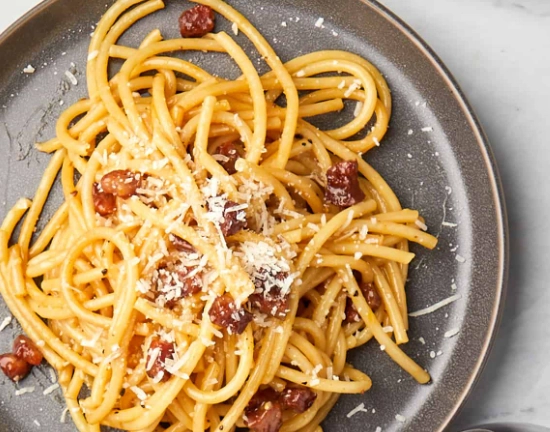
- Serve immediately. Plate it right away. The residual heat will continue to cook the sauce, so waiting will turn it dry and claggy. A final dusting of Pecorino and pepper on top is all it needs.
Side-by-Side: Traditional vs. "With Cream" Carbonara
To be completely fair and give you the full picture you searched for, let's directly compare the two methods. This table should help you decide which path to take based on your goals, skill level, and taste preference.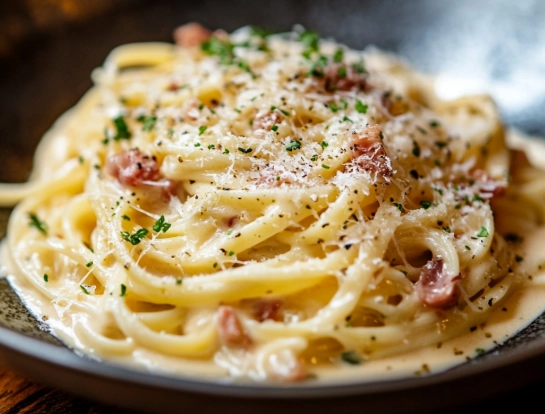
| Aspect | Traditional Carbonara (No Cream) | Carbonara Recipe with Cream |
|---|---|---|
| Core Ingredients | Pasta, Guanciale, Eggs, Pecorino Romano, Black Pepper. | Pasta, Pancetta/Bacon, Eggs, Cheese (often Parmesan), Cream, Black Pepper. |
| Texture of Sauce | Glossy, fluid, lightly coats the pasta. Silky and elegant. | Thick, heavy, uniformly creamy. Coats the pasta densely. |
| Flavor Profile | Complex, sharp, pork-forward. Clear notes of toasted pepper and salty Pecorino. Lighter finish. | Rich, mild, uniformly creamy. The cream mutes the sharpness of the cheese and the pork flavor. Can be one-dimensional. |
| Difficulty & Forgiveness | Medium-High. Requires attention to timing and temperature to avoid scrambled eggs. A practiced technique. | Low. Very forgiving. The cream stabilizes the sauce, making it almost impossible to curdle. Great for beginners. |
| Best For | Purists, experienced cooks, those seeking the true Roman experience, a lighter yet flavorful meal. | Those new to cooking, feeding a crowd that expects a "creamy" pasta, when you want a guaranteed, no-fail rich result. |
See, I'm not here to shame the cream version. It serves a purpose. If you're cooking for kids or friends who just want a comforting, creamy pasta, it's a solid choice. But knowing the difference is power. Now you can choose.
Your Carbonara Questions, Answered (The FAQ)
After teaching this recipe for years, I've heard every question. Here are the real ones that trip people up.
Final Thoughts: Embracing the Real Deal
I started this journey looking for a Carbonara recipe traditional Italian with cream, just like you might be. What I found was something much better: the confidence to make a dish that feels both simple and profoundly skilled. The traditional method is a lesson in restraint and technique. It teaches you about emulsion, about the power of residual heat, and about respecting a handful of impeccable ingredients.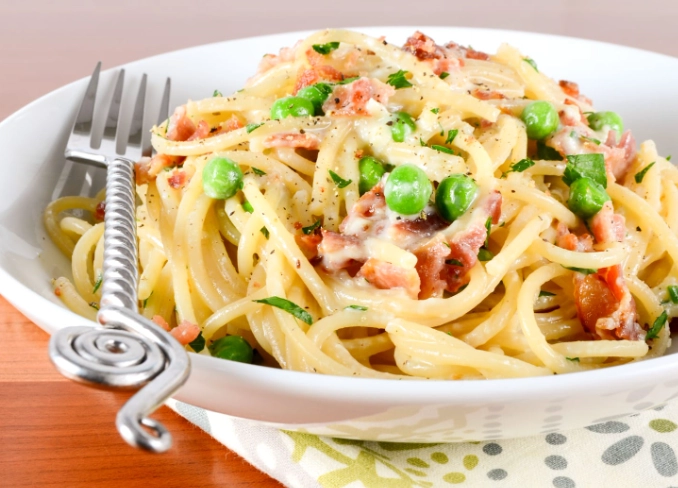
The takeaway? The creamy version is a tasty shortcut, a comfort food variant. But the authentic traditional Carbonara recipe is an experience. It's brighter, more complex, and deeply satisfying in a way that a heavy cream sauce can't match. It's the difference between a photograph and a painting.
My advice? Try the real way at least once. Follow the steps, trust the process, and don't fear the scramble. Even if it's not perfect the first time, it'll still be delicious. And once you get that silky, egg-based sauce to coat your pasta just right, you'll understand why Romans guard this recipe so fiercely. You'll have unlocked not just a dish, but a piece of culinary heritage. And honestly, that's way cooler than just opening a carton of cream.
Now, go put that pot of water on to boil. You've got this.
Related Articles
Italian Pasta Salad Recipe: The Ultimate Guide for Perfect Results
What to Bring to an Italian Dinner Party: The Ultimate Guest's Guide
Italian Pasta Salad Dressing: The Ultimate Guide to Authentic Flavor
Italian vs American Braciole: The Real Differences Explained
Authentic Italian Cookies Recipes: Classic Biscotti, Amaretti & More