What is the Traditional Flavor of Italian Pizzelle? The Anise Answer
In This Article
So you want to know about Italian pizzelle. Maybe you had one at a festival, saw a picture online, or your nonna mentioned them. And now you're stuck on the big question: what is the traditional flavor of Italian pizzelle? Let's cut right to the chase. If you walk into a classic Italian bakery or, better yet, an Italian grandmother's kitchen during the holidays, the answer you'll get is almost always the same: anise. Or anisette. That distinct, sweet, vaguely licorice-like flavor is the undisputed champion, the OG, the traditional heart of the pizzelle.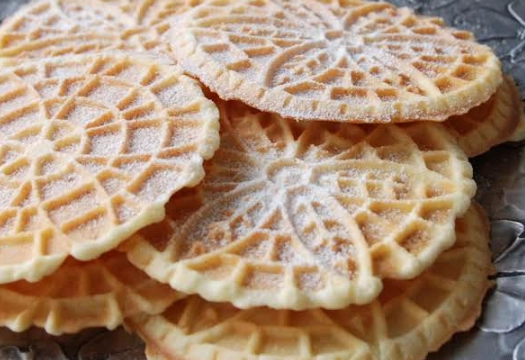
But just saying "anise" feels like cheating, doesn't it? It's like saying pizza is just "tomato and cheese." There's a whole world in that word. The story of why anise became the king, how it's used, and what it even tastes like is where things get interesting. It's a flavor tied to history, to regional pride, and to the very equipment used to make these beautiful, snowflake-patterned waffle cookies.
Wait, What Exactly is a Pizzelle?
Before we dive deep into the flavor, let's make sure we're all picturing the same thing. A pizzelle (pronounced "pit-SELL-eh" or "piz-ZELL-eh," plural: pizzelles or pizzelle) is a traditional Italian waffle cookie. They're made by cooking a thin batter between two hot, patterned iron plates—a pizzelle iron. The result is a thin, crisp, often intricately designed cookie. The name comes from the Italian word "pizze," meaning "round and flat," which pretty much sums it up. They're one of the oldest known cookies, with roots that some trace back to the ancient Roman region of Abruzzo. You can read a more formal definition and history on its Wikipedia page, but trust me, the taste is better than any encyclopedia entry.
I remember the first time I had a real, homemade anise pizzelle. It was at a friend's family Christmas gathering. The plate was stacked high with them, dusted with powdered sugar. I took a bite expecting something like a vanilla wafer. Boy, was I wrong. That initial, potent hit of anise was a surprise—a pleasant one, but it definitely makes an impression. It's not a shy flavor. It announces itself. And once you get past the initial surprise, there's this wonderful, warm, sweet complexity that makes you go back for another. And another.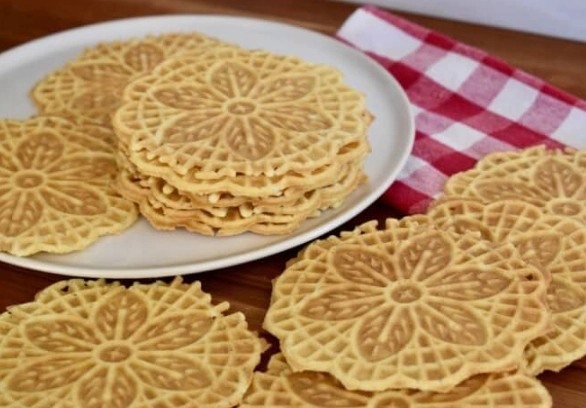
The Crown Jewel: Anise as the Traditional Flavor
So, why anise? Of all the flavors in the world, why did this one become synonymous with traditional pizzelle? It wasn't a random choice. Think about it from a historical perspective. Centuries ago, flavorings weren't just about taste; they were about preservation, digestion, and availability.
Anise seeds (from the plant *Pimpinella anisum*) have been used in the Mediterranean for millennia. The ancient Romans used them in a cake called "mustaceum," which some food historians see as a precursor to many Italian confections. Anise was prized for its digestive properties. After a big feast—like the kind you'd have at Christmas, Easter, or a wedding—a little anise-flavored sweet helped settle the stomach. It made the treat feel less like an indulgence and more like a practical, beneficial part of the meal. Smart, right?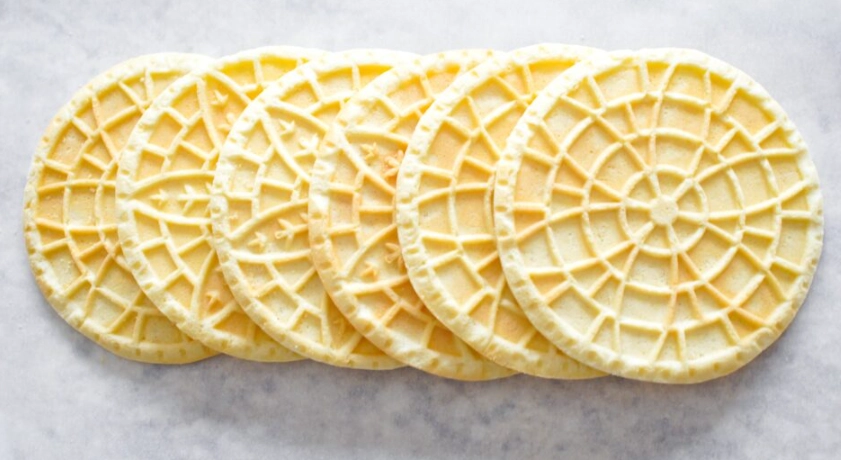
Then there's the taste synergy. The batter for pizzelle is simple: flour, eggs, sugar, butter or oil, and a leavening agent. It's a blank, sweet canvas. Anise doesn't just sit on top of that canvas; it weaves into it. The sweet, aromatic, slightly spicy notes of the anise cut through the richness of the eggs and butter, preventing the cookie from being cloyingly sweet. It creates balance. The flavor also holds up beautifully to the high heat of the irons—it doesn't bake out or turn bitter easily.
When we ask what is the traditional flavor of Italian pizzelle, we're really asking about a cultural touchstone. Anise pizzelle are a taste of memory for millions of Italian-Americans and Italians. The smell is the smell of holidays, of family, of tradition. That's a powerful thing for a simple cookie to carry.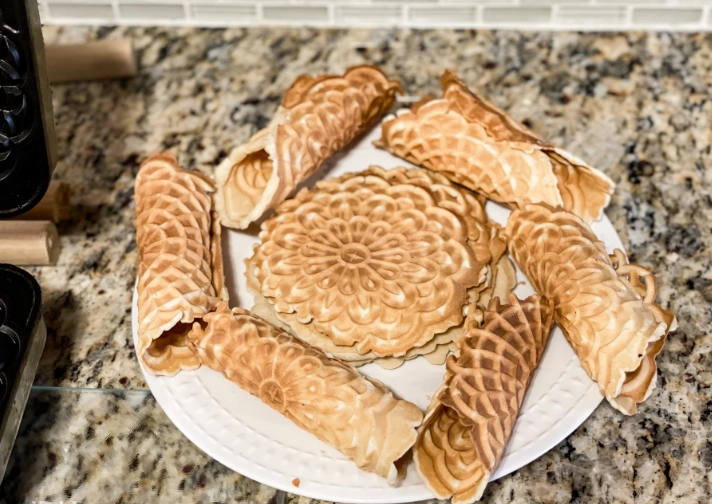
Anise vs. Anisette: A Nuance Worth Noting
Here's where recipes start to show their family secrets. Some use pure anise seed, crushed or whole. Others use anise extract or oil. But a huge number of "traditional" recipes call for anisette liqueur, like Sambuca or a similar anise-flavored spirit.
Using the liqueur does a few things. First, it distributes the anise flavor evenly throughout the batter. Second, the alcohol contributes to a slightly lighter, crisper texture as it vaporizes during cooking. Third, and this is just my opinion, it adds a tiny, sophisticated depth that plain extract sometimes lacks. It feels more... Italian. More authentic to the rustic, home-cooking tradition. Of course, if you're making them for kids, you'd use an alcohol-free extract.
Beyond Anise: The Flavor Landscape of Pizzelle
To say anise is the only traditional flavor would be doing a disservice to Italy's regional diversity. Think of anise as the national standard, but local variations are the fascinating dialects. Once you have the basic iron and batter technique down, flavoring it is the easy part. So while we've answered what is the traditional flavor of Italian pizzelle at its core, the full story has more chapters.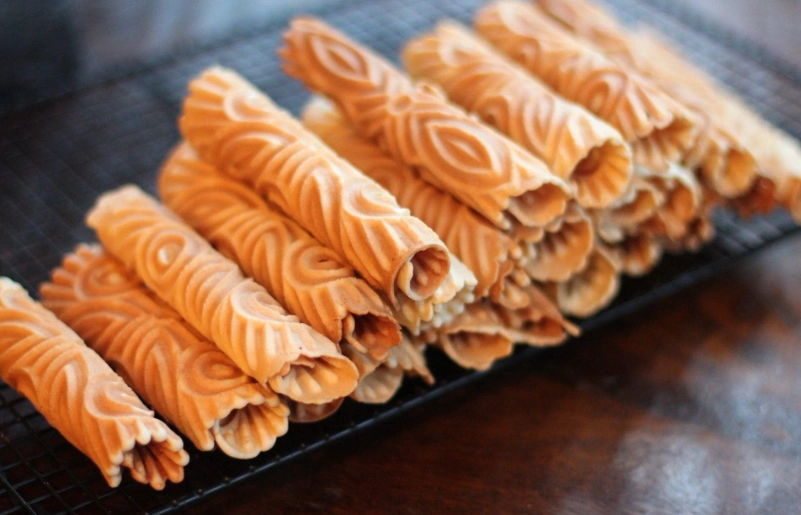
In different parts of Italy, you'll find pizzelle flavored with local ingredients or for specific occasions. Lemon zest (limone) is wildly popular, especially in the south. It gives a bright, sunny, citrusy punch that's incredibly refreshing. Vanilla (vaniglia) is another common one, a more neutral, sweet option that pairs with everything. Some areas, particularly in the north, might use a hint of cinnamon or even a touch of cocoa.
Then there's the modern twist. Walk into any bakery today, and you'll see a rainbow of flavors. Chocolate, almond, hazelnut (with or without Nutella, God bless them), pistachio, even pumpkin spice for the fall. These are delicious, but they're innovations. They're the grandchildren of the original anise tradition.
Here’s a quick table to break down the flavor families:
| Flavor Category | Primary Ingredient | Character & Origin Notes | Popularity Level |
|---|---|---|---|
| Traditional / Classic | Anise seed, extract, or Anisette liqueur | The original. Aromatic, sweet-licorice, digestive. Rooted in Abruzzo/Molise. | #1 (The Standard) |
| Classic Variants | Lemon zest, Vanilla extract | Widely accepted "second tradition." Lemon is especially popular in coastal regions. | #2 & #3 |
| Nut-Based | Almond extract, ground hazelnuts, pistachio paste | Rich, toasty flavors. Common in regions known for these nuts (e.g., Piedmont for hazelnuts). | Very High (Modern) |
| Chocolate | Cocoa powder, melted chocolate | A beloved modern favorite. Can be mixed with vanilla, orange, or hazelnut. | Extremely High |
| Seasonal/Modern | Pumpkin spice, peppermint, maple | Fusion flavors, often driven by contemporary bakery trends, especially outside Italy. | Growing |
See? The world of pizzelle flavor is bigger than you might have thought. But at the center of it all, holding the history, is that anise.
Making Traditional Anise Pizzelle: A Practical Look
Understanding what is the traditional flavor of Italian pizzelle isn't complete without knowing how to actually achieve it. You can't just wave an anise seed over the batter and call it a day. The method matters.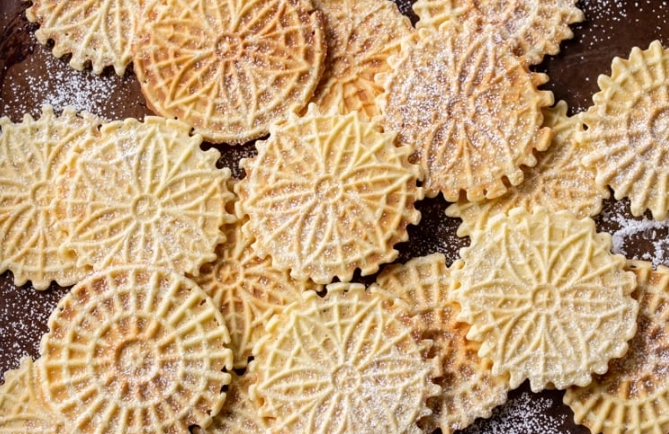
The Core Traditional Recipe Components
Every nonna has her ratio, but the foundation is consistent. It's a batter, not a dough. You need it thin enough to spread in the iron but rich enough to hold its structure.
- Flour: All-purpose is standard. Some use a bit of pastry flour for extra tenderness.
- Eggs: They provide structure and richness. More eggs often mean a softer, cake-like pizzelle (good for rolling into cannoli shells). Fewer eggs can make them crisper.
- Fat: Butter is traditional for flavor, but many use oil (vegetable or melted butter) for a consistently crisp texture that doesn't soften as quickly. My personal take? Butter wins on taste, oil wins on practicality.
- Sugar: Fine granulated white sugar. It sweetens and also helps with browning and crispness.
- Leavening: Baking powder is most common today. Some very old recipes might use ammonium bicarbonate (baker's ammonia) for an ultra-light, crisp snap that dissolves in your mouth.
- The Star: Anise Flavoring. This is the key. For a truly traditional taste, I'd recommend 1-2 teaspoons of a high-quality anise extract. Or, for the real deal, 2-3 tablespoons of anisette liqueur. You have to reduce the other liquids slightly if you use the liqueur, but it's worth it.
The Process & The Iron
The tool is as important as the ingredients. You need a pizzelle iron. Modern electric ones are easy to find. The iron does two crucial things: it cooks the batter quickly with intense, even heat, and it imprints that beautiful pattern.
The batter is dropped (about a tablespoon) onto the center of the preheated, greased pattern. You close the lid, and it cooks for 30-45 seconds. The steam escapes, the cookie sets, and it turns a lovely golden brown. That high-heat, fast cook is part of what locks in the anise aroma. Slow baking in an oven might let too much of that volatile fragrance escape.
When they come out, they're soft and pliable for a brief moment. That's when some people drape them over a rolling pin to curl into cones or cannoli shapes. Most just let them cool flat on a rack, where they crisp up perfectly.
The smell that fills your kitchen? That's the magic. It's the smell of anise, butter, and caramelized sugar—the holy trinity of the traditional pizzelle.
Common Questions About Pizzelle Flavor (FAQs)
Does "traditional" always mean anise?
In the broadest, most historical sense, yes. If you're referring to the cookie's origins and its role in centuries-old Italian holiday traditions, anise is the definitive traditional flavor. Regional variations exist, but anise is the baseline from which they all diverged.
I don't like licorice. Will I hate anise pizzelle?
Not necessarily! This is a common fear. Anise has a licorice-like quality, but it's generally sweeter, warmer, and more aromatic than the strong, sometimes medicinal taste of black licorice candy. It's more subtle and integrated into the cookie. That said, if you know you strongly dislike that flavor profile, you'll probably dislike traditional anise pizzelle. Luckily, the lemon or vanilla versions are equally authentic in many families!
Can I taste the alcohol from anisette?
No. The alcohol cooks off completely in the hot iron, leaving behind only the concentrated, pure anise flavor and a hint of its underlying sweetness. There's no boozy taste at all.
Why are my anise pizzelle bland?
Two likely culprits: not enough flavoring, or old/stale extract. Anise flavor can mellow over time. Be generous with a fresh, high-quality extract or liqueur. Also, make sure your batter isn't over-mixed, which can develop the gluten and mute delicate flavors.
What's the best way to serve traditional pizzelle?
Dusted with powdered sugar is the classic. They're perfect with coffee, dessert wine (like vin santo), or even a small glass of anisette itself. They can also be used as a base for ice cream sandwiches or crushed into a pie crust. Their simplicity is their strength.
The Cultural Anchor: More Than Just a Cookie
To truly get why the question what is the traditional flavor of Italian pizzelle matters, you have to look past the recipe. This cookie is a vessel for culture. They are a staple at Italian weddings (often served in fancy bags as favors), at Christmas, at Easter, and at feast day celebrations like the Festival of the Seven Fishes.
Making them was, and often still is, a social event. The iron would be heated, the batter mixed, and family would gather around to cook, shape, and stack them. The anise scent was the soundtrack to that gathering. It's a sensory memory trigger. For a deep dive into how food like this fits into Italian celebratory culture, resources like the official Italian tourism site often highlight these culinary traditions, though nothing beats a family recipe.
In a way, the strong, distinctive flavor of anise ensured the pizzelle wasn't just another sweet. It gave it an identity. It made it memorable. In a world of vanilla and chocolate, anise stands out. It says, "I am Italian. I am old-fashioned. I am special."
So, the next time someone asks you, what is the traditional flavor of Italian pizzelle? You can give them the short answer: anise. But you'll also know the long answer—a story of history, practicality, regional pride, and family memory, all baked into a golden, patterned cookie with a taste that, once experienced, is never quite forgotten.
Maybe it's time to find an iron and make some memories—and some anise-scented magic—of your own.
Related Articles

The number has increased nearly fourfold in ten years, and the global digital ba
Original Carbonara Recipe Italian Easy: Authentic & Foolproof Guide
Best Italian Cocktails: From Classic Negroni to Modern Aperitivo

Why is Dongguan's economy no longer at the bottom?
Italian Sausage Recipes: From Classic Pasta to Grilled Skewers