Easy Italian Pizzelle Recipe: Simple & Authentic
Let's be honest. You've probably seen a dozen recipes online promising an "easy" Italian pizzelle. Some are way too complicated, calling for ingredients you'd need to hunt down in a specialty store. Others are so simplified they taste nothing like the delicate, anise-scented wafers your nonna might have made. It's frustrating.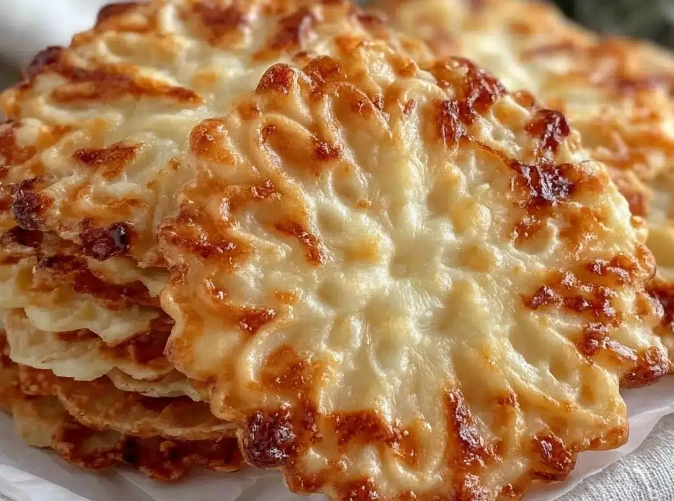
I get it. I've been there. The first time I tried to make pizzelle, I ended up with a sticky mess that welded itself to my iron. Not a good look. It took me a few tries (and some failures I'd rather forget) to crack the code for a recipe that's genuinely simple but doesn't compromise on that authentic, crisp, flavorful result.
- The Heart of the Matter: What Are Pizzelle?
- Gathering Your Tools: You Don't Need Fancy Gear
- The Simple, Authentic Pizzelle Recipe
- Why This Easy Recipe for Italian Pizzelle Works (The Science in Simple Terms)
- Your Pizzelle Troubleshooting Guide
- Storing and Serving Your Homemade Pizzelle
- Diving Deeper: The Cultural Roots of Pizzelle
- Frequently Asked Questions (Covering What You're Really Wondering)
- Final Thoughts Before You Start Baking
The Heart of the Matter: What Are Pizzelle?
Before we dive into the easy recipe for Italian pizzelle, let's talk about what we're making. Pizzelle (pronounced "pit-zel-lay" or "piz-el-lay") are classic Italian waffle cookies. The name comes from the Italian word "pizze," meaning round and flat. They're traditionally made for holidays like Christmas and Easter, and especially for weddings (where they're sometimes called "ferratelle").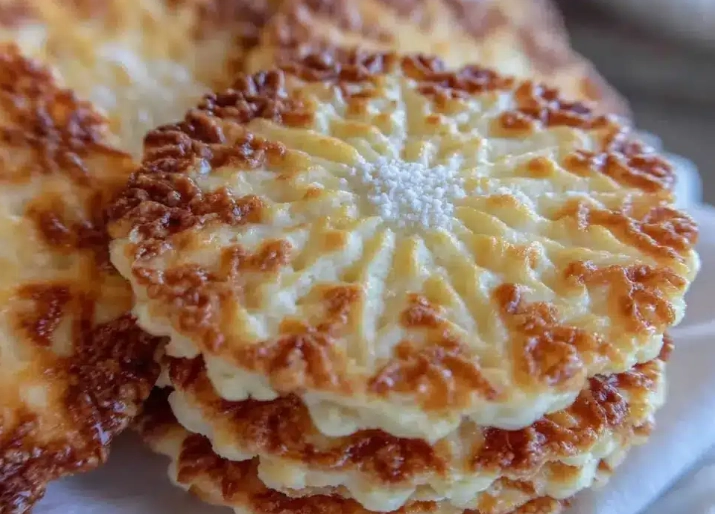
Their magic lies in their simplicity and the beautiful design imprinted by the iron. They're thin, crisp, and can be enjoyed plain, dusted with powdered sugar, or shaped into cones and cannoli shells while still warm. The most traditional flavor is anise, but vanilla and lemon are incredibly popular too. The beauty of this easy recipe for Italian pizzelle is that you can easily adapt the flavor to your taste.
Gathering Your Tools: You Don't Need Fancy Gear
This is where many recipes overcomplicate things. For a truly easy recipe for Italian pizzelle, you need just a few key pieces of equipment. The most important one is, of course, the pizzelle iron. If you don't have one, that's your first step. Don't panic; they're not expensive and they last forever. My grandma's is still going strong.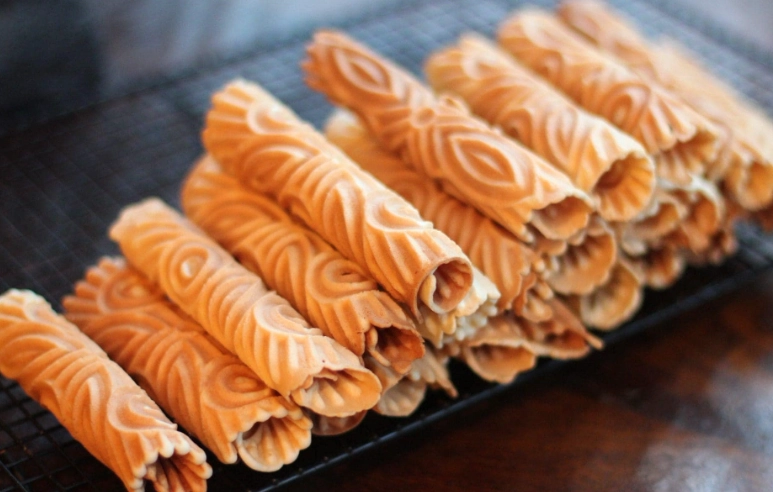
Here’s the lowdown on what you actually need:
- The Pizzelle Iron: This is non-negotiable. You can find electric pizzelle makers easily. Look for one with non-stick plates and a light/ timer. Some are branded for pizzelle, others are generic "waffle cone" makers—they work the same. Avoid the antique stove-top irons for your first try; the electric ones give you consistent, easy control.
- Mixing Bowls: A couple of medium-sized ones.
- Whisk & Spatula: A whisk for beating the eggs and a spatula for folding the dry ingredients.
- Measuring Cups & Spoons: Accuracy matters with baking, even simple baking.
- Cooling Racks: Essential for getting your pizzelle crisp. If you lay them flat on a plate, they'll steam and get soggy.
- A Pastry Brush (optional but helpful): For lightly greasing the iron with oil or butter.
See? Nothing crazy. No stand mixer required, though you can use one if you want. A simple hand whisk does the job perfectly for this easy recipe for Italian pizzelle.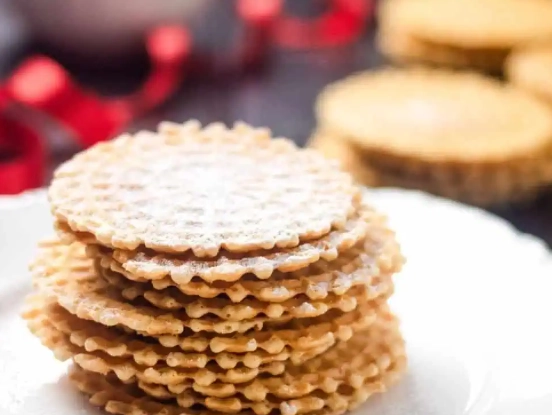
Choosing Your Pizzelle Iron: A Quick Comparison
If you're in the market for an iron, here's a simple breakdown. I'm not recommending specific brands, but rather types. For more detailed specifications and safety standards, you can always check the website of a major retailer or a trusted kitchenware brand like Cuisinart, which often provides clear product guides.
| Type | Best For | Pros | Cons |
|---|---|---|---|
| Electric Pizzelle Maker | Beginners, consistent results | Easy to use, even heating, ready indicator lights, automatic timer options. | Another single-use appliance to store. |
| Stovetop Cast Iron Press | Traditionalists, experienced bakers | Authentic, beautiful designs, lasts generations, no electricity needed. | Requires careful heat management on the burner, can be heavy and tricky. |
| Multi-Function Cookie Iron | Those who want versatility | Often makes waffle cones, krumkake, and other treats with interchangeable plates. | Pizzelle plates might be smaller, switching plates can be a hassle. |
For your first foray with an easy recipe for Italian pizzelle, I strongly recommend a basic electric model. It removes the biggest variable—heat control—and lets you focus on the batter and timing.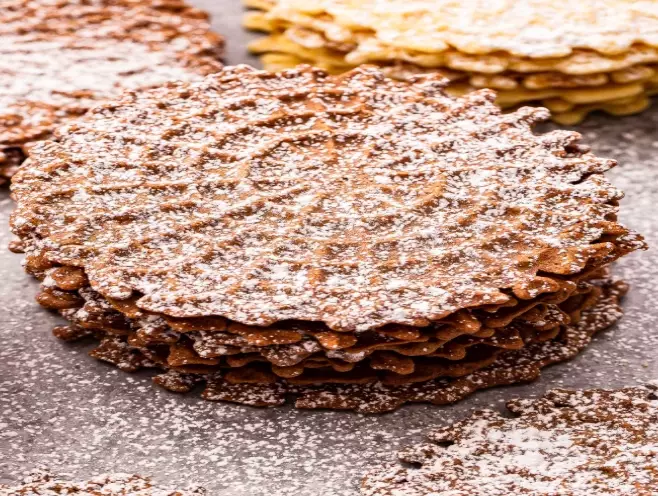
The Simple, Authentic Pizzelle Recipe
Alright, here it is. The core, no-fuss, easy recipe for Italian pizzelle. This recipe yields about 30-35 pizzelle, depending on the size of your iron. The ingredients are straightforward. I promise.
Ingredients
- 3 large eggs (room temperature)
- ¾ cup (150g) granulated sugar
- ½ cup (113g or 1 stick) unsalted butter, melted and slightly cooled
- 1 tablespoon vanilla extract or 2 teaspoons anise extract or the zest of 1 lemon
- 1 ¾ cups (220g) all-purpose flour
- 2 teaspoons baking powder
- A pinch of salt
- Non-stick cooking spray, vegetable oil, or melted butter for greasing
That's it. Seven main ingredients. You have these. I know you do.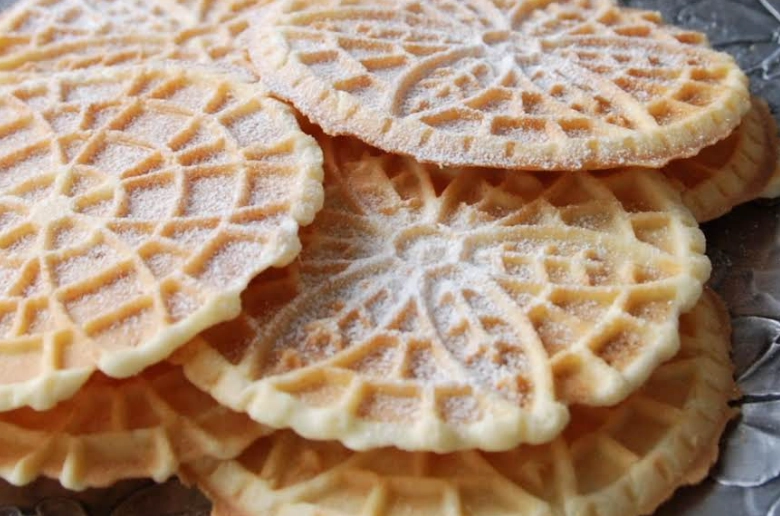
Step-by-Step Instructions
Now, let's walk through the process. It's a simple sequence, but each step has a purpose.
1. Prep the Iron: Plug in your pizzelle iron and let it heat up fully. Most have a ready light. This can take 5-10 minutes. Use this time to measure your ingredients. A properly preheated iron is the secret to a crisp pizzelle that releases cleanly.
2. Mix the Wet Ingredients: In a large bowl, whisk the eggs and sugar together vigorously for a good 2-3 minutes. You're not just mixing; you're dissolving the sugar and incorporating air. The mixture should become pale yellow and slightly thickened. This step gives the pizzelle structure.
Whisk in the melted (but not hot) butter and your chosen flavoring (vanilla, anise, or lemon zest) until everything is smooth and combined.
3. Combine the Dry Ingredients: In a separate bowl, whisk together the flour, baking powder, and salt. This ensures the baking powder is evenly distributed, which is key for even rising and browning.
4. Make the Batter: Gradually add the dry ingredients to the wet ingredients. Use your spatula to fold them together. Mix just until the flour disappears. Do not overmix! Overmixing develops gluten, which can make your pizzelle tough instead of delicately crisp. A few small lumps are perfectly fine. The batter will be thick, sticky, and glossy—like a very stiff cake batter.
5. Bake the Pizzelle: Lightly brush or spray the top and bottom plates of your hot iron. I use a pastry brush with a tiny bit of oil. You only need to do this every few batches, or if the pizzelle start to stick.
Drop a heaping tablespoon of batter (about 1.5 tablespoons) right in the center of the bottom plate. Close the lid and latch it. The batter will spread under pressure.
Baking Time: This is the most variable part. It depends on your iron, how hot it runs, and how dark you like them. Start checking at 30-45 seconds. You'll see a little steam escaping. Open the lid a crack and peek. The pizzelle should be golden brown, not pale yellow and not dark brown. For me, the sweet spot is usually between 45-60 seconds. Write down your perfect time once you find it!
6. Remove and Shape: Carefully lift the hot pizzelle off the iron using a fork or a small spatula. They are flexible when hot but crisp up as they cool.
Immediately place them on a wire cooling rack. If you want them flat, just leave them there. If you want to shape them into cones or bowls, you have a 10-15 second window to do it while they're still hot and pliable. Roll them around a cone mold or drape them over an upside-down cup. They set in seconds.
7. Cool Completely: Let them cool fully on the rack. This is non-negotiable for crispness. Once cool, you can dust them with powdered sugar or store them.
Why This Easy Recipe for Italian Pizzelle Works (The Science in Simple Terms)
You might wonder why this simple combination works so well. Let's break it down without getting too textbook.
The eggs and sugar, when whisked, trap air. This air expands in the hot iron, helping the pizzelle rise slightly and become light. The baking powder gives an extra boost. The flour provides structure. The fat from the butter shortens the gluten strands, ensuring tenderness and that signature crisp snap. The high heat of the iron instantly sets the structure and creates the beautiful browning (the Maillard reaction, if you want the fancy term) for flavor.
It's a perfect balance. Too much flour = hard, tough cookies. Too much butter = greasy, limp cookies. This easy recipe for Italian pizzelle finds the sweet spot.
Your Pizzelle Troubleshooting Guide
Even with an easy recipe, things can go sideways. Here are solutions to the most common problems. I've encountered most of these myself.
Storing and Serving Your Homemade Pizzelle
You've mastered the easy recipe for Italian pizzelle, now how do you keep them perfect?
Storage: Once completely cool, store them in an airtight container at room temperature. Place parchment paper between layers if you're stacking them. They'll stay crisp for 2-3 weeks easily. You can also freeze them for up to 3 months in a freezer bag. Let them thaw in the container to avoid condensation.
Serving Ideas: Beyond eating them plain (which is glorious), try these:
- Dust with powdered sugar or cocoa powder.
- Spread one side with melted chocolate (dark, milk, or white) and let it set.
- Make ice cream sandwiches with a scoop of vanilla or pistachio gelato between two pizzelle.
- Use them as a base for fruit and whipped cream, like a delicate shortcake.
- Shape them into bowls for mousse or parfaits.
Diving Deeper: The Cultural Roots of Pizzelle
While our focus is on an easy recipe for Italian pizzelle, understanding a bit of its history makes the experience richer. Pizzelle are believed to have originated in the Abruzzo region of central Italy. They are deeply tied to the "Festa di Serafino" and other village celebrations. The intricate designs on the irons often carried family symbols or regional patterns.
This tradition was brought to North America by Italian immigrants, and it's a beautiful way to connect with that heritage. Making them at home, even with a simple electric iron, keeps that tradition alive. For a deeper look into the regional history and traditions, resources like the official tourism site for the Abruzzo region can offer fascinating context.
Frequently Asked Questions (Covering What You're Really Wondering)
Final Thoughts Before You Start Baking
So there you have it. A complete, no-stress, easy recipe for Italian pizzelle and everything you need to know to succeed on your first try. Remember, the first one or two might be testers—that's normal. Adjust the timing, get a feel for your iron, and by the third one, you'll be in a rhythm.
The beauty of this easy recipe for Italian pizzelle is its simplicity and reliability. It uses common ingredients, straightforward steps, and delivers an authentic result. It’s the recipe I use every Christmas, and the one I give to friends who ask.
Grab your eggs, flour, and that pizzelle iron that's been sitting in the back of your cupboard. It's time to fill your kitchen with that incredible, warm, sweet aroma. You've got this.
Happy baking!
Related Articles
The Ultimate Guide to Cooking Tender Italian Beef at Home
Minestrone: Italy's Most Beloved Soup Explained

Sudden bad news! A-shares plunged, Hong Kong stocks fell more than 2%, and there
The Ultimate Guide to Authentic Italian Meatballs: A Family Recipe
Vegetarian Italian Recipes: A Complete Guide to Plant-Based Pasta & More