Traditional Italian Christmas Dinner: A Complete Guide
A Quick Tour of the Italian Christmas Table
- Christmas Eve: La Vigilia – The Feast of the Seven Fishes (Or More, Or Less)
- Christmas Day: Il Pranzo di Natale – The Main Event
- A Regional Tour: Italy's Christmas Table from North to South
- The Sweet Finale: Christmas Desserts You Can't Skip
- Your Questions Answered: The Italian Christmas Dinner FAQ
- Bringing Italy Home: How to Plan Your Own Italian-Inspired Christmas Feast
If you're picturing one single roast turkey centered on a table, you're in for a surprise. Asking "What is a traditional Christmas dinner in Italy?" is like asking about the weather – the answer completely depends on where you are. It's not a meal. It's an event, a marathon of eating that stretches over days, with rules, rituals, and dishes that carry more family history than any photo album. Honestly, trying to define it in one sentence does it a disservice. It's a feeling as much as a feast.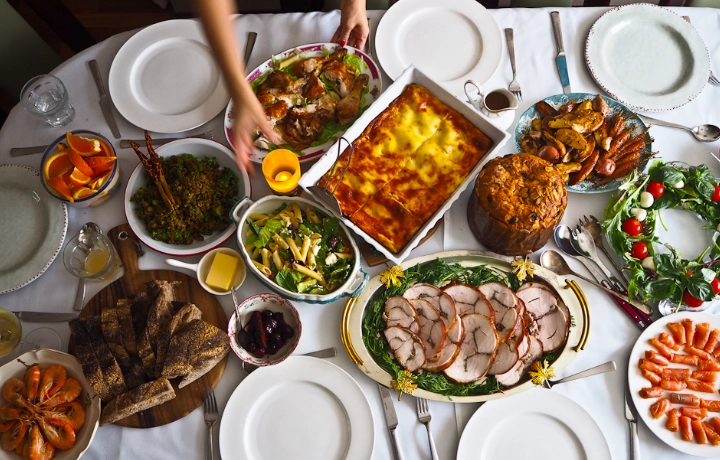
I remember my first Christmas with my friend's family in Bologna. I showed up expecting a big lunch on the 25th, ready to nap by 4 PM. Little did I know the real action had started the night before, with a spread that had zero meat and about a hundred different fish dishes. My mind was blown. That's when I realized you can't talk about traditional Italian Christmas dinner without splitting it in two: the Christmas Eve feast (La Cena della Vigilia) and the Christmas Day lunch (Il Pranzo di Natale). And even then, you're just scratching the surface.
Christmas Eve: La Vigilia – The Feast of the Seven Fishes (Or More, Or Less)
December 24th is all about La Vigilia, which means "The Vigil." It's a Catholic tradition of abstinence from meat before a major feast day. But "abstinence" in Italy doesn't mean going hungry. It means unleashing the creativity of nonna (grandma) on the entire seafood section. You've probably heard of the "Feast of the Seven Fishes" (Festa dei Sette Pesci). This is a big deal, especially in Southern Italy and among Italian-American families. The number seven is symbolic – think seven sacraments, seven days of creation, that kind of thing.
But here's the thing I learned from asking actual Italians: not every family rigidly sticks to seven. Some do three, some do nine, some do thirteen. My friend from Naples swears by thirteen. Another from Milan says they just have a nice baccalà (salt cod) and call it a day. The number is less important than the abundance and variety. The meal is served late, often after returning from Midnight Mass, and can go on for hours.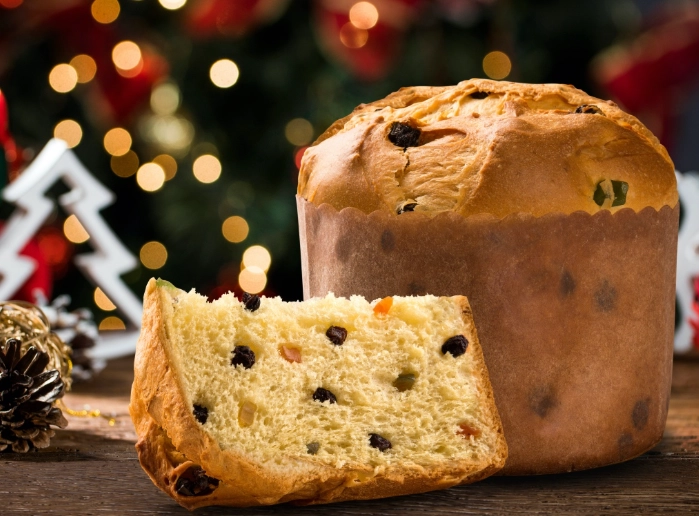
The Stars of the Christmas Eve Table
So what's actually on the table for this traditional Italian Christmas Eve dinner? It's a parade of flavors from the sea.
- Antipasti (Starters): This is where it begins. Think fried smelts (bianchetti), marinated anchovies (alici marinate), seafood salads with octopus and squid, and maybe some bruschetta with a seafood topping. It's light(ish) and gets the appetite going.
- Primi Piatti (First Courses): Pasta, but make it fancy. The king here is Spaghetti con le Vongole (with clams) – simple, garlicky, perfect. In many homes, you'll also find Lasagna di Pesce (seafood lasagna), a rich, layered masterpiece with béchamel and various fish. Linguine allo Scoglio ("reef linguine" with a mix of shellfish) is another crowd-pleaser. In the North, Risotto ai Frutti di Mare (seafood risotto) is a common contender.
- Secondi Piatti (Main Courses): The fried platter is iconic. A fritto misto di mare featuring shrimp, squid, and small fish, all crispy and golden. Baked or stewed fish is huge too. Baccalà alla Vicentina (creamy salt cod from Vicenza) is a Northern classic, while in the South, Capitone (fried or stewed female eel) is a traditional must-have, though I'll admit it's an acquired taste I'm still working on.
- Contorni (Side Dishes): Usually simple – a big, bright Insalata di Rinforzo ("reinforcement salad") from Naples is a classic. It's cauliflower, pickled vegetables, olives, and capers, and it gets "reinforced" with more ingredients each day of the holidays. Roasted or boiled vegetables are common too.
It's a lot. And you're supposed to have a little of everything. Good luck with that.
Christmas Day: Il Pranzo di Natale – The Main Event
After the fish extravaganza, you'd think people would want a break. Nope. Christmas Day lunch is the centerpiece for most families. This is when the meat comes out to play, and the courses get even more elaborate. It's a midday affair, starting around 1 or 2 PM and easily lasting until dusk. This is the meal that defines what a traditional Christmas dinner in Italy means for many, especially in the central and northern regions.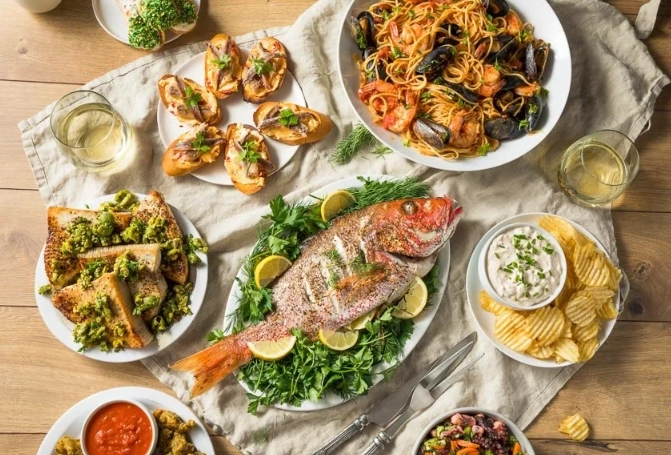
The structure is formal, almost ceremonial. You don't rush. Each course has its moment.
The Can't-Miss Dishes of Christmas Day
While the Eve is fish-focused, the Day is where regional diversity really shines. But some dishes have become national icons.
- Antipasti: More lavish than the night before. You might see platters of cured meats (prosciutto, salami, coppa), luxurious cheeses, preserved vegetables, and maybe even a rich chicken or veal liver pâté (crostini di fegatini).
- Primi Piatti: This is often the highlight. Tortellini in Brodo is the undisputed champion in Emilia-Romagna (Bologna, Modena). Small, meat-filled pasta parcels served in a clear, flavorful capon broth. It's comforting, elegant, and the official start of Christmas. In other areas, Lasagna al Forno (the meat and cheese kind, not the seafood one) or Baked Cannelloni take center stage. In the North, rich meat-filled ravioli or Agnolotti del Plin in a butter-sage sauce are common.
- Secondi Piatti: The roast. This is where families have their signature dish. Arrosto – a roast of veal, pork, or lamb – is widespread. Capon or Turkey, often roasted and sometimes stuffed (called "ripieno"), is a popular choice. In many parts of Central Italy, you'll find Porchetta (herb-stuffed, slow-roasted pork) on the table. And let's not forget Cotechino con Lenticchie – a giant, spiced pork sausage served with lentils. The lentils are key; their coin-like shape symbolizes money and good luck for the New Year. You eat this for luck, even if you're bursting.
- Contorni & Formaggi: Roasted potatoes, chestnuts, braised greens like chard or spinach. A cheese course before dessert is also common in many households.
A Regional Tour: Italy's Christmas Table from North to South
To truly answer "What is a traditional Christmas dinner in Italy?", you have to travel. The country's culinary map is a patchwork, and Christmas highlights the differences beautifully. Let's break it down.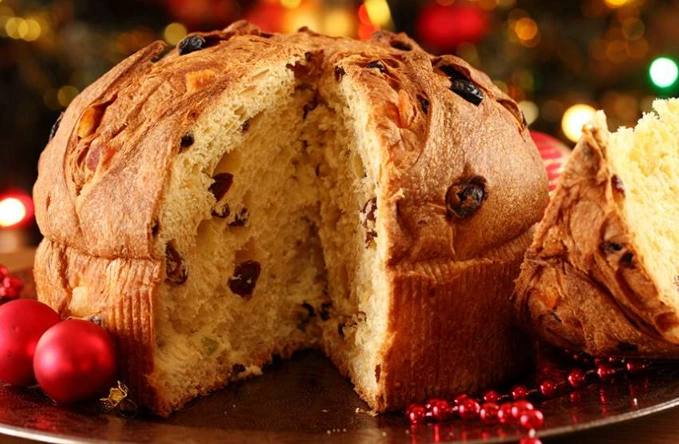
| Region | Christmas Eve Highlight | Christmas Day Highlight | Unique Twist |
|---|---|---|---|
| Piedmont (North) | Agoni (small lake fish) in carpione (marinated) | Agnolotti del Plin in rich meat sauce | Bagna Cauda as a starter – a warm, anchovy-garlic dip for vegetables. |
| Lombardy (Milan) | Risotto with perch fillets (Risotto al Persico) | Mostarda di Cremona (candied fruit in mustard syrup) with boiled meats (Bollito Misto) | Panettone, the classic Christmas cake, was born here. |
| Veneto | Baccalà alla Vicentina (creamy salt cod) | Bigoli (thick pasta) in duck ragù | Less focus on the "Seven Fishes," more on iconic local preparations. |
| Emilia-Romagna | Seafood lasagna or fried mixed fish | Tortellini in Brodo (non-negotiable), followed by roast capon or zampone. | The undisputed kingdom of stuffed pasta. Quality is everything. |
| Tuscany | Thick seafood soup (Cacciucco) in Livorno | Ribollita (hearty bread soup) as a starter, then roast meat. | Simple, high-quality ingredients. Lots of extra virgin olive oil. |
| Rome & Lazio | Spaghetti with tuna roe (Bottarga) or fried baccalà | Fettuccine or other pasta in a rich meat ragù, followed by abbacchio (roast lamb). | Pork-based dishes are also very common for the Day. |
| Campania (Naples) | The epicenter of the Feast of Seven Fishes. Eel (Capitone), fried smelts, spaghetti with clams. | Lasagna di Carnevale (rich, layered with meatballs and sausage), baked pasta timbales. | Incredible variety of fish. Insalata di Rinforzo is a staple side. |
| Sicily | Spaghetti with sardines (Pasta con le Sarde), with fennel, raisins, pine nuts. | Baked pasta (Anelletti al forno), caponata, and often a second fish course. | Sweet and sour flavors (agrodolce) are everywhere. Lots of dried fruit and nuts. |
See what I mean? Asking for the traditional Italian Christmas dinner menu is impossible. But you can ask about the tradition in Naples, or in Bologna, and get a very specific, passionate answer. The Italian tourism board's site has great resources on regional food culture if you want to dive deeper into a specific area's traditions.
The Sweet Finale: Christmas Desserts You Can't Skip
Somehow, after all that, there's dessert. Italian Christmas sweets are a world of their own, often prepared weeks in advance. They're less about showstopping cakes and more about symbolic, spiced, fruit-and-nut-packed treats.
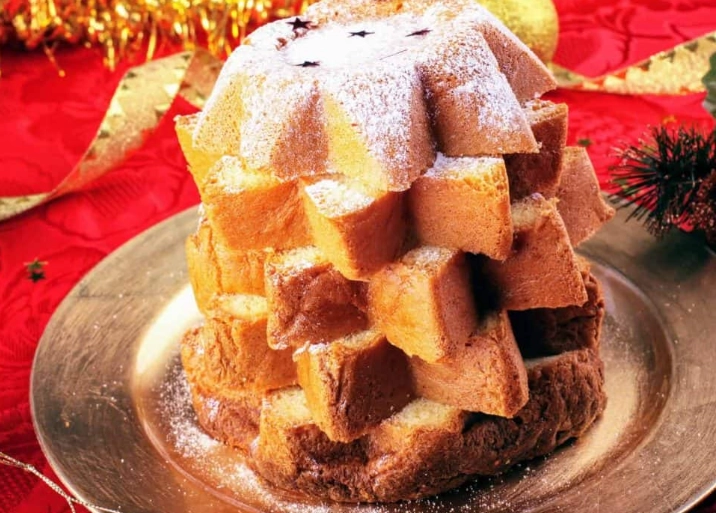
- Panettone vs. Pandoro: The great national debate. Panettone (from Milan) is a tall, domed sweet bread studded with candied fruit and raisins. Pandoro (from Verona) is a golden, star-shaped cake, buttery and vanilla-scented, usually dusted with powdered sugar. Families are fiercely loyal. I'm Team Pandoro – the texture is lighter, and I'm not a huge candied fruit fan. But a good, artisanal panettone can be divine.
- Panforte (Siena): A dense, chewy slab of nuts, honey, spices, and candied fruit. It's medieval, it's intense, and a small slice with a coffee is perfect.
- Torrone: The Italian nougat, made with honey, egg whites, and toasted nuts (almonds or hazelnuts). It comes hard (croccante) or soft (morbido). Breaking the hard torrone at the table is a fun ritual.
- Struffoli (Naples): Tiny, deep-fried dough balls glued together with honey and sprinkled with colorful candies. Addictively sweet and crunchy.
- Carteddate (Puglia) or Cicerchiata (Central Italy): Similar honey-based fried dough pastries, shaped into roses or nests.
Desserts are often served with Spumante (Italian sparkling wine) or a sweet dessert wine like Vin Santo, which you dip cantucci (almond biscuits) into.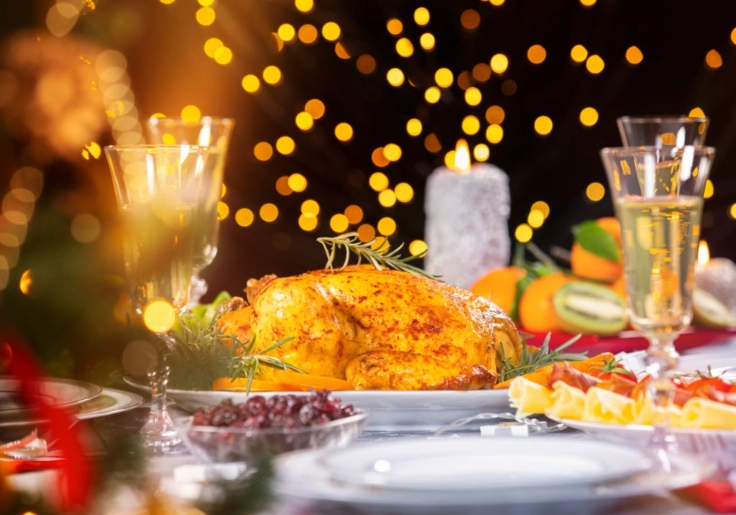
Your Questions Answered: The Italian Christmas Dinner FAQ
Do all Italians eat fish on Christmas Eve?
Most traditionally-minded families do, especially in the South and Center. It's a strong Catholic tradition. However, in modern times or in less religious households, you might find some flexibility, but the seafood-centric Vigilia is still considered the classic approach.
Is it always a multi-course meal?
For the big celebrations on the 24th and 25th, yes, almost always. The number of courses can vary (from 4 to 8+), but the structure of antipasto, primo, secondo, contorno, dolce is deeply ingrained. It's about savoring and spending time together, not fast food.
What if I'm vegetarian? Are there options?
Christmas Eve is your friend! Many of the pasta dishes (like spaghetti with garlic, oil, and chili) or vegetable-based primi (like a squash risotto) can be vegetarian. Appetizers like vegetable terrines or salads are plentiful. Christmas Day is trickier due to the meat-focused mains, but you could center your meal around a rich, baked pasta like a vegetarian lasagna or a grand array of contorni. Always best to communicate with your host.
How far in advance do people start preparing?
Weeks. Seriously. The desserts (panettone/pandoro aside) are often homemade and prepared in early December. Broths for the tortellini are made days ahead. The shopping for the finest fish and meat is a major event. The actual cooking for the big meals often starts on the 23rd. It's a collective effort.
What drinks are served?
Wine, wine, and more wine. A good white (like a Vermentino or Pinot Grigio) with the fish on the 24th. A robust red (like a Chianti, Barolo, or Montepulciano d'Abruzzo) with the meat on the 25th. Prosecco or Spumante for toasts. Digestivos like limoncello, amaro, or grappa after the meal are almost mandatory to help, well, digest.
Bringing Italy Home: How to Plan Your Own Italian-Inspired Christmas Feast
Feeling inspired? You don't need a nonna from Abruzzo to capture the spirit. The key is abundance, quality ingredients, and not trying to do everything. Pick a region and focus.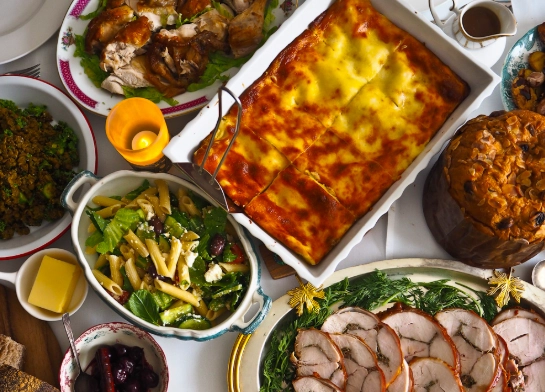
For a traditional Italian Christmas dinner menu at home, I'd suggest keeping it manageable.
Option 1 (The Classic Mix):
- Christmas Eve: Start with a seafood antipasto platter (buy good-quality marinated anchovies and octopus salad). For primo, make a simple but perfect Spaghetti alle Vongole. Skip a heavy secondi, maybe just serve some grilled prawns. Have panettone for dessert.
- Christmas Day: Start with cured meats and cheeses. For primo, if you're ambitious, make fresh tortellini or buy high-quality ones from a specialty store. For secondi, a simple but beautiful roast chicken or pork loin with rosemary and garlic is foolproof. Serve lentils on the side for luck. Buy a pandoro and dust it with sugar at the table.
Option 2 (The Regional Focus – Emilia Romagna Style):
Just focus on the Christmas Day meal. The menu is clear: Tortellini in Brodo, followed by a roast (capon or pork) with roasted potatoes, and then a selection of Christmas sweets (torrone, panforte). It's elegant, structured, and deeply satisfying.
The most important ingredient? The people around the table. The loud conversations, the clinking glasses, the insistence on having just one more sliver of panettone. That's the real answer to what a traditional Christmas dinner in Italy is all about. It's the heart of the holiday.
So there you have it. It's not just a dinner. It's a two-day culinary pilgrimage that tells the story of a family and a region. It's exhausting, overwhelming, and absolutely magnificent. Buon Natale e buon appetito!
Related Articles
Italian Sausage Recipes: From Classic Pasta to Grilled Skewers
Authentic Pasta Carbonara Recipe: Original Italian Method (No Cream!)
Simple Christmas Recipes from Italy: Easy Italian Holiday Dishes
Types of Italian Bread: A Guide to 7 Essential Loaves
Easiest Italian Food to Make: 5 Simple Recipes for Beginners