A Complete Guide to the Traditional Southern Italian Christmas Dinner Feast
A Guide to Your Feast
Let's be honest, when most people think of a traditional Christmas dinner, they picture a roast turkey or ham, maybe some mashed potatoes and gravy. It's a lovely image, but it misses out on an entire world of flavor and tradition found further south. If you travel down the boot of Italy, past Rome and into the sun-drenched regions of Campania, Puglia, Calabria, and Sicily, Christmas dinner is a completely different story. It's less of a single meal and more of a multi-day culinary marathon, steeped in history, religion, and an unabashed love for fresh, local ingredients.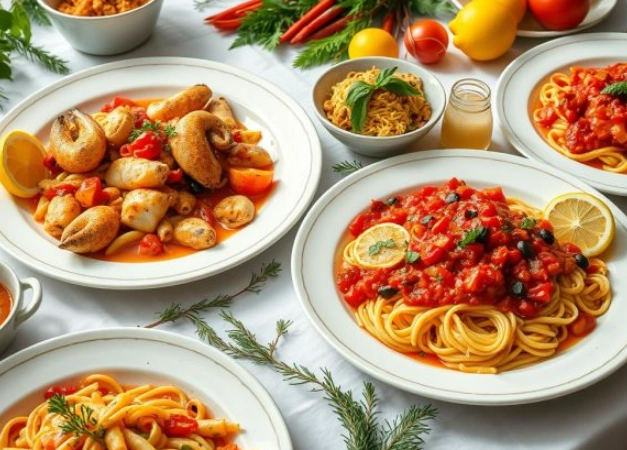
The magic of a Traditional southern Italian Christmas dinner lies not just in the food, but in the rhythm of it. It unfolds over Christmas Eve (La Vigilia) and Christmas Day (Natale), each with its own distinct character and menu. For families, it's the centerpiece of the holiday—a time-consuming, labor-intensive, and utterly delicious labor of love. I remember my first Christmas with my friend's family in Naples. The planning started in early December, with whispered conversations about the fishmonger and the quality of the baccalà (salt cod). The kitchen was off-limits for two whole days, filled with the sounds of sizzling oil, chopping, and laughter.
So, what exactly are you in for if you're invited to one of these feasts, or if you're brave enough to try recreating one at home? Buckle up. We're going to dive deep into the courses, the symbolism, the regional twists, and the recipes that make this dinner so unforgettable. Forget the quick and easy holiday meals—this is about celebration in its most flavorful form.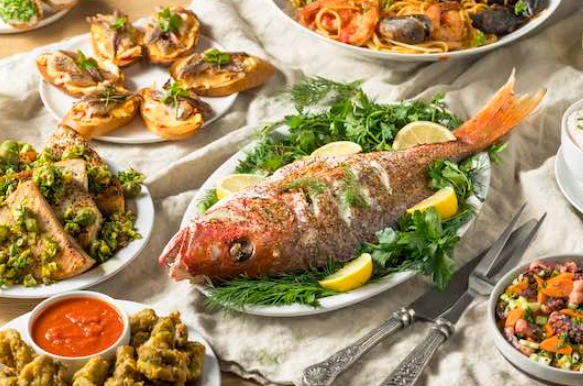
The Heart of the Celebration: La Vigilia (Christmas Eve)
For many Southern Italian families, the main event isn't on the 25th; it's on the 24th. Christmas Eve, or La Vigilia, is a Catholic vigil day, traditionally a day of abstinence from meat. This gave rise to the most famous element of the holiday: La Cena della Vigilia, a lavish seafood feast. The most well-known version is the Feast of the Seven Fishes (Festa dei Sette Pesci).
Now, here's where it gets interesting. Ask ten different nonnas from ten different towns why there are seven fishes, and you'll get eleven different answers. Some say the number seven represents the seven sacraments of the Catholic Church. Others say it's for the seven days of creation, or the seven virtues. Honestly? I think over generations, the symbolic reason blended with practicality. Having multiple small fish courses was a way to showcase a family's prosperity and the bounty of the Mediterranean, all while adhering to the no-meat rule.
The selection of fish is crucial and varies wildly by what's fresh and local. It's not about fancy imports; it's about what the sea provides. You won't find a rigid menu, but a set of principles and beloved staples.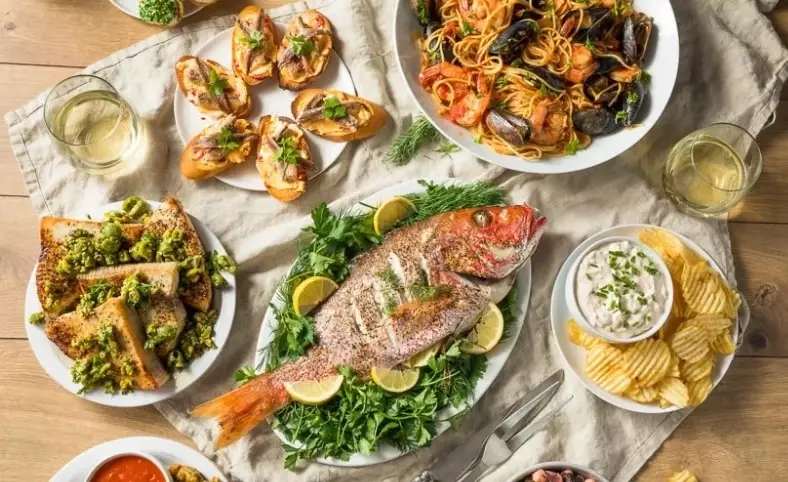
Deconstructing the Feast of the Seven Fishes: A Typical Lineup
Trying to plan your own Traditional southern Italian Christmas dinner for La Vigilia? Don't get hung up on finding exactly seven different species. The spirit is in the abundance of seafood. Here’s a breakdown of the usual suspects you'll find on the table, often served in a procession of small plates rather than all at once.
| Course / Dish | Key Ingredients | Why It's Special | Regional Note |
|---|---|---|---|
| Antipasti di Mare (Seafood Appetizers) | Marinated anchovies, octopus salad (insalata di polpo), shrimp cocktail, stuffed mussels (impepata di cozze). | Light, acidic starters that wake up the palate. The octopus salad, tender and dressed with lemon and parsley, is a masterpiece of simplicity. | In Sicily, you might find sarde a beccafico (stuffed sardines). In Puglia, raw sea urchins (ricci) are a prized delicacy if in season. |
| Baccalà (Salt Cod) | Salt cod soaked for days, then fried, stewed (in tomato sauce), or made into fritters. | The undisputed king of the feast. Its preparation is a days-long ritual, symbolizing patience and anticipation. The fried version (baccalà fritto) is crispy, salty, and utterly addictive. | A staple everywhere, but Neapolitans are particularly fanatical about it. The Neapolitan tradition of baccalà is deeply rooted. |
| Spaghetti con le Vongole (Spaghetti with Clams) | Spaghetti, fresh clams (vongole veraci), garlic, white wine, parsley, chili. | A pristine, simple pasta that celebrates the sweetness of the clams. The key is minimalism—no cream, no cheese, just a few perfect ingredients. | In Campania, they use the tiny, sweet vongole veraci. In Abruzzo, you might find a version with saffron. |
| Fritto Misto di Mare (Mixed Fried Seafood) | Small squid (calamari), shrimp, small fish like smelt or whitebait, sometimes slices of cod. | The crispy, communal dish. Served piled high on a platter with just a wedge of lemon. It's messy, fun, and everyone fights for the last piece. | The coating (just flour vs. a light batter) and choice of fish vary by coastal town. |
| Brodetto di Pesce (Fish Stew) | A mix of firm white fish (like monkfish, sea bass), shellfish, tomatoes, saffron, white wine, and broth. | A rich, warming, and communal dish. It's often served as a later course or as a main, with crusty bread for soaking up the incredible broth. | Every region has its own brodetto or zuppa di pesce. The Adriatic coast versions often have a touch of vinegar or tomato. |
| Insalata di Rinforzo | Cauliflower, pickled vegetables (giardiniera), olives, capers, anchovies. | This isn't seafood, but it's a non-negotiable side in Naples. The tangy, crunchy salad cuts through the richness of all the fried and oily fish. | A uniquely Neapolitan Christmas staple. Families make a huge bowl and keep adding to it over the holidays. |
| Fruit & Nuts | Fresh citrus (mandarins, clementines), walnuts, hazelnuts, dried figs. | A fresh, clean finish before the sweets arrive. It also harks back to times when fresh fruit in winter was a treat. | Sicily is famous for its blood oranges and prickly pears at this time. |
One thing I learned the hard way? Pace yourself. The first time I experienced this, I attacked the antipasti like I hadn't eaten in weeks. By the time the pasta arrived, I was already struggling. It's a marathon, not a sprint. The meal can easily last four or five hours, with lots of talking, arguing about soccer, and maybe a card game in between courses.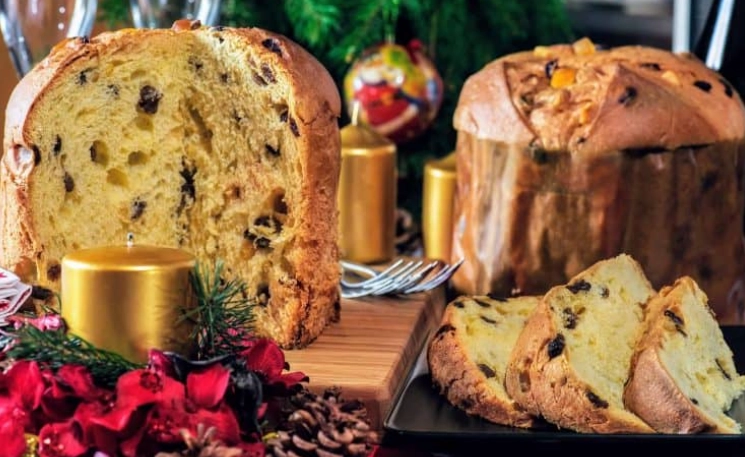
From the Sea to the Land: Christmas Day Feasting
After the aquatic extravaganza of Christmas Eve, Christmas Day is when meat makes its grand return. The mood shifts. It's still a feast, but it often feels a bit more... terrestrial and relaxed. The frantic energy of preparing multiple delicate seafood dishes gives way to the slower, deeper aromas of roasting meats and baking pastries.
The Christmas Day dinner, or Pranzo di Natale, is typically a late afternoon affair. The menu is less codified than La Vigilia, but it often follows a familiar structure: hearty pasta, a show-stopping roast, and an even more decadent array of desserts than the night before.
The Christmas Day Menu Staples
- Antipasti: Less seafood-focused. Think cured meats (prosciutto, salami, capocollo), aged cheeses like Pecorino, and maybe leftover insalata di rinforzo.
- Primi Piatti (First Course): This is where you'll find the rich, meat-based pastas. Lasagna Napoletana is a classic—not the Bolognese version with béchamel, but a Neapolitan one with tiny meatballs (polpettine), ricotta, mozzarella, and hard-boiled eggs. In other areas, it might be cannelloni stuffed with meat and ricotta, or a baked pasta like pasta al forno.
- Secondi Piatti (Main Course): The star of the show. A large roasted meat is common. In many homes, it's a beautiful roasted lamb (agnello al forno), often flavored with rosemary and garlic. In others, it might be a roast beef (arrosto di manzo) or, famously in parts of the south, a roast suckling pig (porchetta or maialino). Accompaniments are simple: roasted potatoes or a seasonal vegetable like cardoons or broccoli rabe.
- Contorni (Side Dishes): Often rustic and vegetable-driven. Sauteed bitter greens, roasted artichokes, or a simple salad.
To be completely honest, after the fireworks of the Christmas Eve seafood, the Christmas Day meat course can sometimes feel a bit... predictable to an outsider. But that's missing the point. It's about comfort, abundance, and a different kind of celebration. The pressure is off, and the focus is purely on enjoying the company and the main event—the desserts.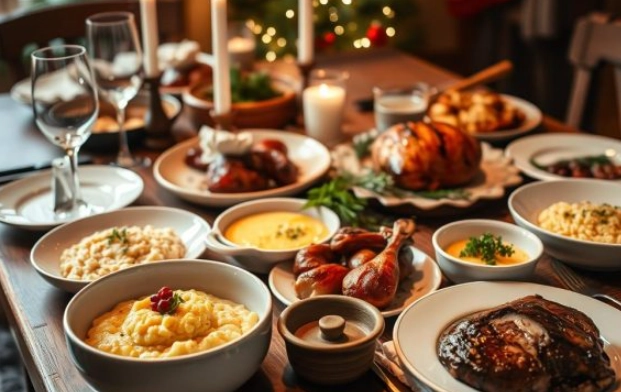
The Sweet Finale: Dolci di Natale
If there's one area where Southern Italy goes absolutely wild at Christmas, it's the sweets. The pastry shops (pasticcerie) start displaying their Christmas creations in early December, and it's a sight to behold. These aren't just cookies; they are elaborate, often time-consuming confections that are deeply symbolic and ridiculously delicious.
No Traditional southern Italian Christmas dinner is complete without a table groaning under the weight of these desserts. They are served at the end of both the Christmas Eve and Christmas Day meals, often with a glass of sweet wine like Moscato or Malvasia, or a digestivo like limoncello.
Here’s a quick hit list of the other essential Christmas sweets you need to know:
- Panettone & Pandoro: Yes, these are from the North (Milan and Verona), but they are universally loved and gifted all over Italy now. The light, buttery breads are a breakfast staple during the holidays.
- Rococò: A hard, ring-shaped almond cookie from Naples. It's incredibly crunchy and not too sweet, perfect for dipping in wine. Its circular shape symbolizes eternity and the crown of thorns.
- Mostaccioli: Spiced honey cookies, often glazed with chocolate. They come in various shapes and are a Calabrian and Campanian favorite.
- Cartellate / Crispelle: Thin strips of dough fried into rosette shapes and then drenched in vincotto (cooked wine must) or honey. Popular in Puglia and Basilicata. They look like little edible nests or roses.
- Cassata Siciliana: The queen of Sicilian desserts. A round sponge cake moistened with liqueur, layered with sweet ricotta, and covered in marzipan and candied fruit. It's a riot of color and flavor, and frankly, a bit overwhelming after a big meal, but you have to try a piece.
- Nougat (Torrone): The hard, crunchy version with almonds and honey is a classic. The soft, creamy version (torrone morbido) is even better, in my opinion.
I have a love-hate relationship with making struffoli. One year, I was too ambitious and tried to fry them all in one batch. The oil temperature dropped, and I ended up with greasy, sad little dough balls. It was a disaster. Now I fry in small batches, and the result is worth the patience.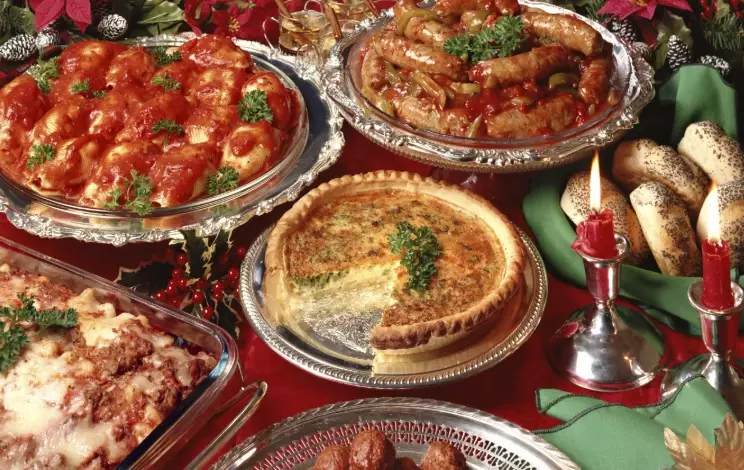
Regional Variations: A Taste of Italy's South
It's a mistake to think of "Southern Italy" as one monolithic food culture. The traditions change dramatically as you move from region to region, and even from town to town. The geography—long coastlines, mountainous interiors, fertile plains—shapes everything on the Christmas table.
Let's take a quick tour:
| Region | Christmas Eve Highlight | Christmas Day Highlight | Signature Sweet | Unique Twist |
|---|---|---|---|---|
| Campania (Naples) | The full Feast of the Seven Fishes spectacle. Baccalà fritto is sacred. Insalata di Rinforzo is mandatory. | Lasagna Napoletana or zuppa di scarola (escarole soup with meatballs) as a first course. Roast lamb or capon. | Struffoli, Rococò | The most theatrical and codified version of the feast. The influence of the vibrant Naples street food culture is evident in the fried dishes. |
| Sicily | Seafood, but with distinct Arab influences. Sarde a Beccafico (sardines stuffed with breadcrumbs, pine nuts, raisins). Pasta con le Sarde (pasta with sardines, fennel, raisins, pine nuts). | Can be meat or fish. Maccu (fava bean soup) is a traditional starter in some areas. Roast capon or fish like swordfish. | Cassata Siciliana, Buccellato (fig-stuffed pastry ring), Frutta Martorana (marzipan fruits) | The use of sweet and savory combinations (raisins, pine nuts) and spices like saffron is a hallmark. Sweets are incredibly elaborate. |
| Puglia | Oysters, raw sea urchins, and a focus on shellfish. Cozze ripiene (stuffed mussels) are a star. Less emphasis on a strict "seven" count. | Orecchiette with lamb ragù is a classic first course. Roast lamb or goat. Cartellate pastries. | Cartellate (drenched in vincotto or honey), pettole (fried sweet dough) | Extremely rustic and vegetable-forward. The use of vincotto (cooked grape must) as a sweetener is unique. |
| Calabria | Spicy seafood dishes! Calabrians love their peperoncino (chili). Baccalà might be cooked in a spicy tomato sauce (alla calabrese). | Heartier, mountain-influenced food. Lagane e ceci (pasta and chickpeas) or other legume soups. Pork dishes are common. | Mostaccioli (spiced cookies), nepitelle (pastry pockets filled with figs and nuts) | The bold, spicy flavors of the region come through even in holiday cooking. Lots of preserved meats (nduja, soppressata) in antipasti. |
What's fascinating is how these traditions are a direct reflection of the land and history. Sicily's Arab past, Puglia's agricultural bounty, Calabria's rugged terrain—it all ends up on the Christmas table. The UNESCO-recognized Mediterranean Diet isn't just a health trend here; it's the lived reality of this holiday cooking, centered on seafood, vegetables, olive oil, and grains.
Bringing the Tradition Home: A Practical Guide
Okay, so you're inspired. You want to host your own version of a Traditional southern Italian Christmas dinner. Where do you even start? It can feel daunting, but the key is to adapt, not replicate perfectly. Focus on the spirit, not the letter of the law.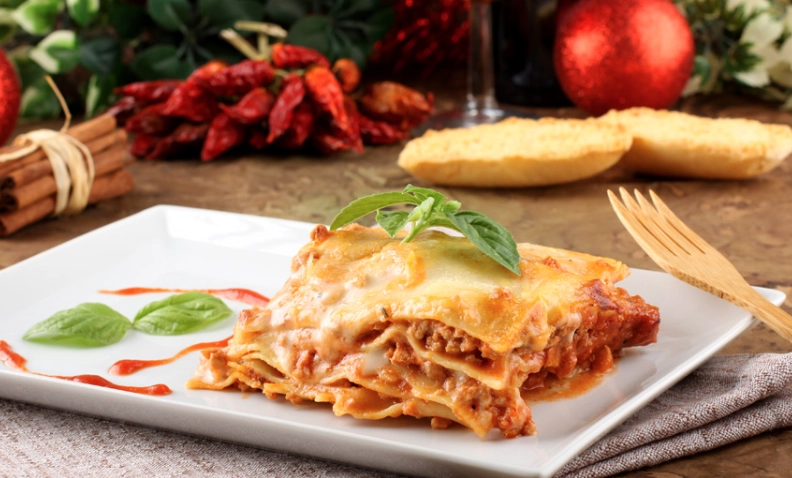
Planning Your Christmas Eve Feast (The Most Popular Choice)
- Choose Your Core Dishes (3-4 is plenty): Pick one from each category.
- Antipasto: A beautiful platter of marinated seafood from a good deli, or a simple octopus salad you can make ahead.
- Pasta: Spaghetti alle Vongole. It's quick, impressive, and light.
- Main Event: A large platter of Fritto Misto (you can buy a mix from a fishmonger) OR a big pot of Baccalà in Umido (stewed salt cod in tomato sauce).
- Side: A simple green salad or, if you're feeling adventurous, try making a small Insalata di Rinforzo.
- Master the Baccalà (If using): This is the trickiest part. You MUST start 2-3 days ahead. Buy salt cod, soak it in cold water in the fridge, changing the water 2-3 times a day. It's ready when it's pliable and has lost its intense saltiness. Pat it very dry before frying or cooking.
- Embrace Make-Ahead: The antipasti, the salad, the dessert—all can be done the day before. Set the table early. Have your wines chilled.
- Don't Forget the Bread: Lots of crusty, high-quality bread for soaking up sauces and oils.
Answering Your Burning Questions (FAQ)
More Than Just a Meal: The Soul of the Celebration
After all this talk of fish and pasta and sweets, it's easy to lose the forest for the trees. The true essence of a Traditional southern Italian Christmas dinner isn't captured in a recipe. It's in the chaos of the kitchen, the generations working side-by-side, the stories told between courses, the deliberate slowing down of time for one or two days a year.
It's a culinary heirloom. Recipes are passed down not in cookbooks, but by demonstration—watch how nonna shapes the struffoli, taste the sauce to see if it needs more salt. It's about connection to place. That baccalà, while originally from the North Atlantic, was preserved for long journeys and became a staple of the poor South, now elevated to a holiday centerpiece. It tells a story of scarcity turned into abundance.
There's also a deep religious and superstitious undercurrent. The abundance of food ensures prosperity for the coming year. Leaving an empty seat at the table is common, a symbolic place for the Holy Spirit or a departed loved one. In some areas, they would save a portion of the Christmas Eve meal to eat after midnight Mass, breaking the fast together. The Italian Ministry of Cultural Heritage and Activities even recognizes certain Christmas food traditions as part of the country's intangible cultural heritage, highlighting their importance beyond the plate.
So, whether you go all out with a seven-course fish extravaganza or simply make a pot of spaghetti with clams and raise a glass on Christmas Eve, you're participating in something much bigger than dinner. You're touching a centuries-old thread of family, faith, and flavor that defines the Italian South. It's messy, it's loud, it's overwhelming, and it's one of the most genuinely warm and delicious ways to celebrate the holidays imaginable. Just remember to wear loose pants.
Related Articles
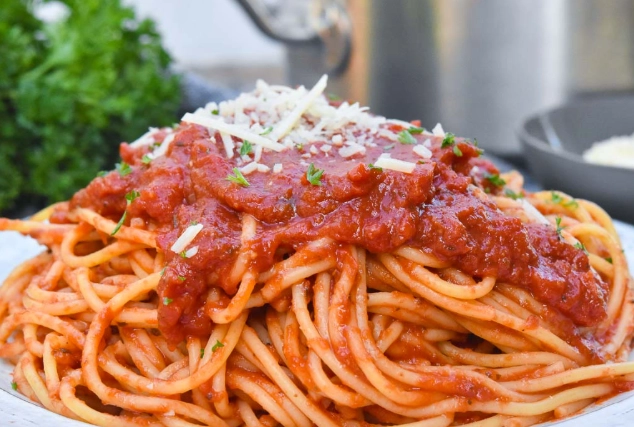
Authentic Italian Spaghetti Sauce Recipe (Ragù alla Bolognese)
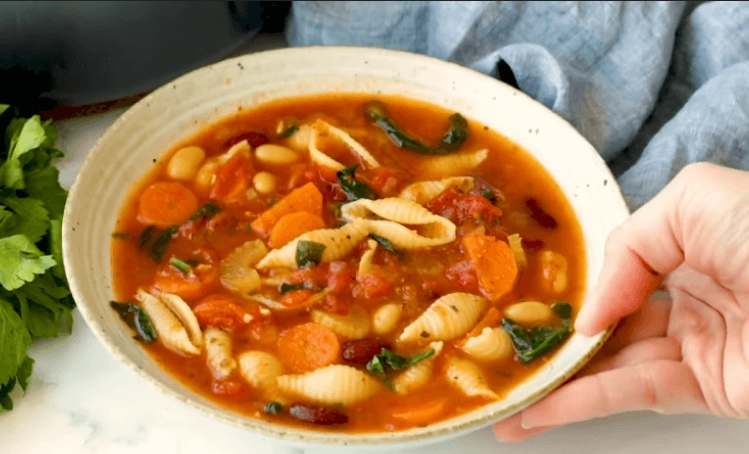
Authentic Italian Minestrone Soup Recipe: A Hearty Classic
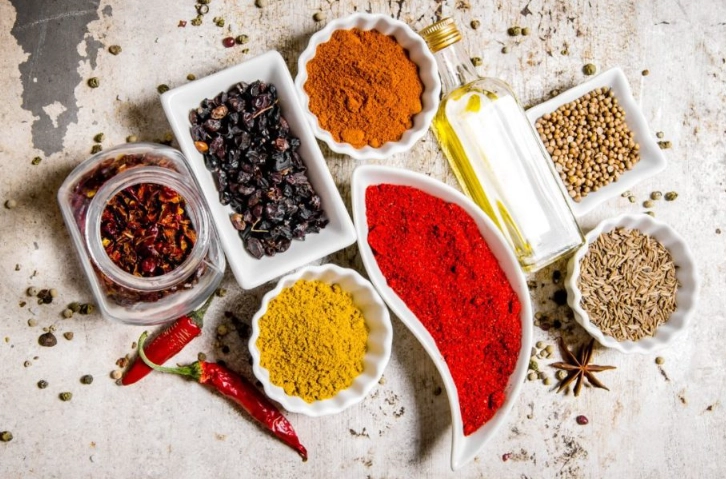
Top 5 Italian Seasonings to Master Authentic Flavor
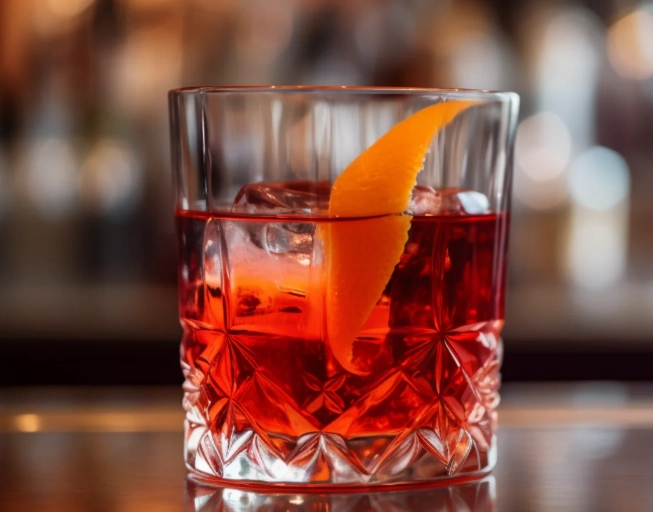
Authentic Italian Cocktail Recipes: From Classics to Modern Twists
Ultimate Guide to Italian Slider Variations & Recipes