Authentic Carbonara Recipe: How is Carbonara Originally Made?
What You’ll Find Here
Okay, let's talk carbonara. It's one of those dishes that everyone seems to have an opinion on, and honestly, most of them are wrong. You've probably seen a hundred versions online—some with cream, some with peas, some with garlic, some that look like a scrambled egg disaster. It's enough to make any Italian (or anyone who cares about good food) sigh deeply.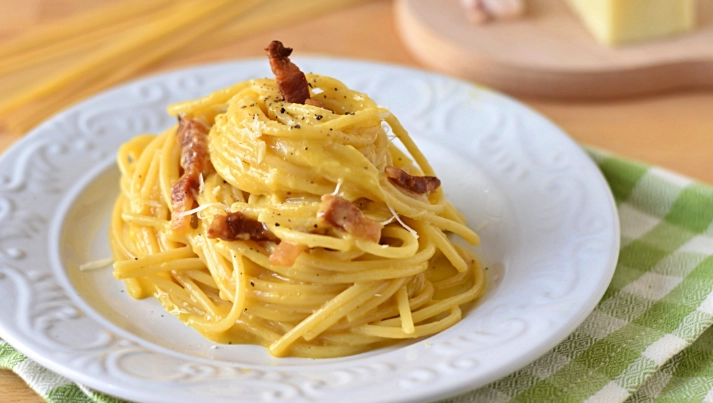
I remember the first time I had what was labeled "carbonara" at a restaurant here. It was a gloopy, white, cream-based sauce with bits of ham in it. It wasn't bad, but it wasn't carbonara. It was a lie on a plate. That experience sent me down a rabbit hole, trying to figure out how is carbonara originally made. I scoured old Italian cookbooks, pestered Italian friends for their nonna's advice, and made a truly embarrassing number of subpar batches myself before I got it right.
The truth is, the authentic Roman carbonara is stunningly simple. It's a lesson in minimalism and technique. There's no cream, no garlic, no onions, no parsley sprinkled on top. None of that. Its magic comes from the quality of its few ingredients and the way they're coaxed together into something silky, rich, and deeply satisfying. So, if you're tired of the fake stuff and want to know the real story, you're in the right place. We're going to strip this dish back to its bones.
A quick confession: I used to be terrified of making it. The idea of turning eggs into a smooth sauce instead of chewy scrambled bits felt like high-stakes kitchen chemistry. I botched it more than once. But once you understand the logic behind each step, it becomes almost foolproof. This guide is the result of all those failures and eventual successes.
The Heart of the Matter: What Actually Goes In Original Carbonara?
This is where the purists and the improvisers clash. The classic Roman recipe, recognized by institutions like the Accademia Italiana della Cucina (the Italian Academy of Cuisine), is built on just five key components. That's it. Adding or subtracting changes its fundamental character.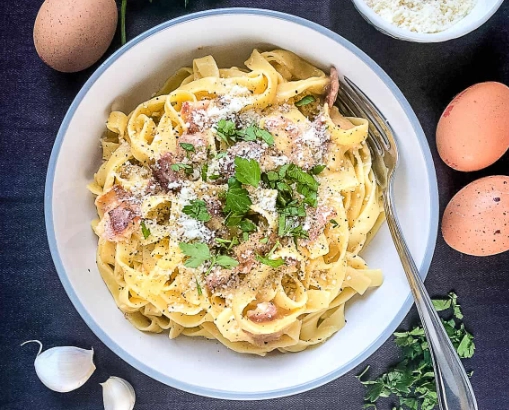
Let's break down each one, because the original carbonara ingredients aren't just a list—they're a carefully balanced system.
The Non-Negotiable Core Four (Plus One)
1. Pasta: It's always a long, strandy dried pasta. Spaghetti is the default champion, and for good reason—its shape holds the sauce beautifully. Rigatoni or bucatini are also totally authentic and fantastic choices. Fresh pasta? Not traditional here. The dried stuff has the right texture and starch content.
2. Guanciale: This is the hill many will die on. Guanciale is cured pork jowl (cheek). It's fattier, more flavorful, and has a more interesting texture than pancetta or bacon. The fat renders into a glorious, fragrant base for the sauce. Can you use pancetta? In a pinch, yes—it's still Italian cured pork belly. Bacon? That's a major deviation. It's smoked, which introduces a flavor that simply isn't Roman. If you want to know how is carbonara originally made, start by finding guanciale. A good Italian deli or online retailer will have it.
3. Pecorino Romano: Not Parmigiano-Reggiano. Pecorino Romano is a sharp, salty, tangy sheep's milk cheese from the Lazio region (where Rome is). Its boldness cuts through the fat of the guanciale and egg. Using only Parmigiano makes for a milder, sweeter sauce that lacks the characteristic punch. A mix of both is common in many home kitchens today (even in Rome), but the original leans hard on Pecorino.
4. Eggs: Whole eggs? Yolks only? This is a big debate. The most common authentic approach for a creamier, richer result is to use more yolks than whole eggs. A typical ratio for 4 people might be 2 whole eggs and 2 extra yolks. The extra yolks add richness and emulsifying power without making the sauce too "eggy" in flavor.
5. Black Pepper: Not just a garnish. Coarsely ground black pepper is a vital ingredient, cooked briefly with the guanciale to toast and release its oils. It provides essential warmth and bite. Some recipes call for a lot—it should be noticeable.
The Cream Question: Let's be absolutely clear. Cream has no historical or traditional place in carbonara. The creaminess comes solely from the emulsion of egg, cheese, pasta water, and pork fat. Adding cream is a modern shortcut (or a way to stabilize the sauce for mass production) that creates a heavier, less nuanced dish. If you see cream in the ingredient list, you're not looking at an authentic carbonara recipe.
The Step-by-Step: How is Carbonara Originally Made? The Technique.
Here's where knowledge turns into dinner. The process is a dance of timing and temperature. Get one part wrong, and you end up with pasta and scrambled eggs. Follow this, and you get silky perfection.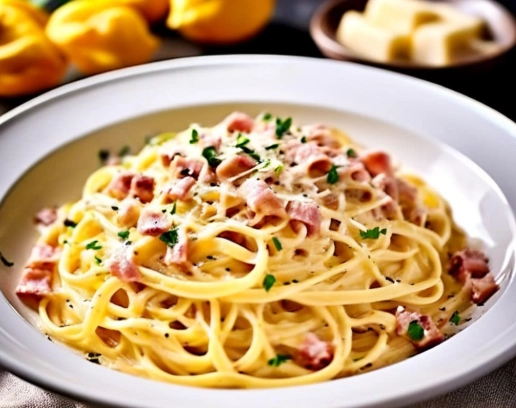
Step 1: Prep is Everything. Before you even turn on the stove, get your *mise en place* ready. Cube your guanciale into little lardons. Grate your Pecorino Romano finely. Crack your eggs and extra yolks into a large, heatproof bowl (this will be your mixing/serving bowl). Whisk the eggs thoroughly with almost all of the grated cheese and a very generous amount of black pepper. It will look like a thick, grainy paste. That's fine. Have everything by the stove.
Step 2: Cook the Guanciale. In a cold pan, add your cubed guanciale. Turn the heat to medium-low. You want to render the fat slowly, letting the pieces become crispy and golden, but not burnt. This takes patience—maybe 10-15 minutes. Once crisp, turn off the heat. Leave the guanciale and all that beautiful fat in the pan.
Step 3: Cook the Pasta. In a large pot of well-salted water (it should taste like the sea), cook your spaghetti until it's al dente—usually a minute or two less than the package says. This is critical. Overcooked pasta is mushy and won't stand up to the sauce. Reserve a mugful of the starchy pasta water! This liquid gold is your sauce's best friend.
Step 4: The Critical Marriage. This is the 60-second window that defines the dish. Drain the pasta (don't rinse it!) and immediately add it to the pan with the guanciale and fat. Toss it vigorously to coat every strand. The pan should be off the heat but still very warm.
Now, quickly take your bowl with the egg-cheese mixture. While constantly whisking, slowly drizzle in a few tablespoons of the hot pasta water to temper the eggs. This gently raises their temperature without scrambling them.
Immediately pour this tempered egg mixture over the hot pasta in the pan. Work fast! Toss, toss, toss like your dinner depends on it. Use tongs to lift and swirl the pasta. The residual heat from the pasta and pan will gently cook the eggs into a velvety, glossy sauce. If it looks too thick or clumpy, add more pasta water, a tablespoon at a time, until it flows smoothly and coats the pasta. The sauce should be loose and creamy, not thick and pasty.
Step 5: Serve Immediately. Plate it up right away. Top with the remaining grated Pecorino and another crack of black pepper. Carbonara waits for no one—it's best eaten piping hot.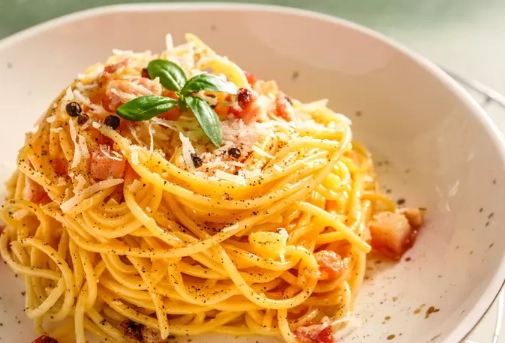
Pro Tip for Nervous Cooks: If you're worried about scrambling, here's a safety net. After mixing the pasta and guanciale, take the pan off the stove and let it cool for 30-45 seconds. You can even add a splash of that reserved pasta water to the pan to cool it down a touch more before adding the egg mixture. A slightly cooler pan gives you more margin for error.
So, that's the core answer to how is carbonara originally made. Simple ingredients, precise technique. But of course, life isn't that simple. Let's tackle the stuff that confuses people.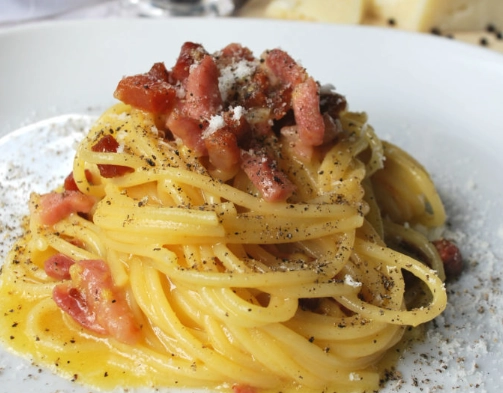
Clearing the Fog: Common Carbonara Myths Debunked
Myth 1: "Carbonara was invented for coal miners (carbonai)." It's a charming story, but food historians are skeptical. There's no solid evidence. The recipe first appears in written form in the mid-20th century, likely after WWII, possibly influenced by American soldiers with eggs and bacon. The origin story is murky, but the modern recipe is crystal clear.
Myth 2: "You must use only egg yolks." While yolk-heavy is the standard for maximum luxury, using some whole eggs is completely traditional and helps the sauce cling. The all-yolk version can sometimes be a bit too rich and lack body. Don't stress—the 2 whole + 2 yolk combo is a winner.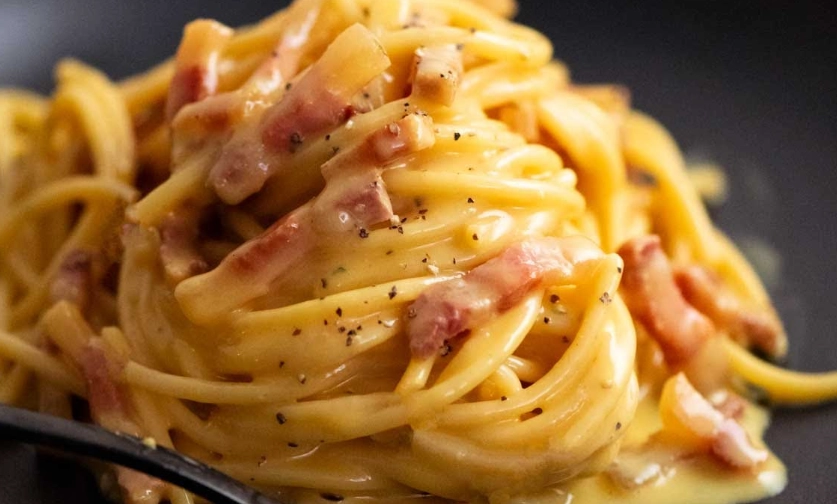
Myth 3: "Garlic adds flavor." In authentic carbonara, it doesn't belong. The flavor profile is pork, pepper, and sharp cheese. Garlic overpowers that delicate balance. If you love garlic, save it for another pasta.
Now, about cheese. This is a huge point of contention and personal taste. Let's look at the options side-by-side.
| Cheese | Flavor Profile | Authenticity Level | My Personal Take |
|---|---|---|---|
| Pecorino Romano (DOP) | Sharp, salty, tangy, slightly grassy. | The original. The standard. | This is the backbone. It's what gives carbonara its distinctive edge. Non-negotiable for a true taste of Rome. |
| Parmigiano-Reggiano (DOP) | Nutty, fruity, umami-rich, less salty. | Not traditional alone, but a common modern addition. | I often use a 50/50 mix at home. It rounds out the sharpness of the Pecorino and creates a more complex, mellow sauce that my family prefers. |
| Gran Padano | Milder, milder, and more buttery than Parmigiano. | A less common substitute, not traditional. | It works in a pinch if it's all you have, but it lacks the depth. The sauce can taste a bit flat. |
| Pre-grated "Italian Cheese" Blends | Salty, often contains anti-caking agents like cellulose. | Please, no. | This is the one place I'll be a snob. The anti-caking agents prevent it from melting smoothly into a sauce. It'll be grainy. Always grate your own cheese from a block. The difference is night and day. |
Answering Your Carbonara Questions (The FAQ)
Why did my carbonara turn into scrambled eggs?
Heat shock. The egg mixture hit something too hot, too fast. The most common culprit is adding the eggs directly to the piping hot empty pan, or pouring them onto pasta that's still sitting on a hot burner. Always remove the pan from the heat before adding the egg mixture. Tempering the eggs with pasta water first is your best insurance policy.
My sauce is too thick and gummy. What happened?
You didn't use enough pasta water, or you didn't add it at the right time. The starchy water is what loosens the egg-cheese paste into a flowing sauce. Don't be shy with it. Add it in increments while tossing vigorously until the sauce has a smooth, creamy consistency that coats the pasta without pooling at the bottom of the bowl.
Can I make carbonara ahead of time?
Honestly, no. Not really. It's a dish that demands to be eaten immediately. The sauce will continue to thicken and congeal as it sits. The best you can do is have all your ingredients prepped and ready to go ("*mise en place*" is key) so the final assembly takes just 2 minutes once the pasta is drained.
What wine should I serve with carbonara?
You want something with good acidity to cut through the richness. A white like a Frascati (from the hills near Rome) or a Grechetto is classic. A lighter red like a young Chianti or a Montepulciano d'Abruzzo also works beautifully if you prefer reds.
Is there a "best" pasta shape for carbonara?
Spaghetti is the icon, and it's perfect. But don't sleep on bucatini (the thick spaghetti with a hole in the middle—it's fantastic for holding sauce) or rigatoni. The ridges and tubes of rigatoni catch every bit of guanciale and sauce. Any long or short pasta with a good texture to hold the sauce works. Avoid very delicate shapes like angel hair.
A Few Parting Thoughts (From My Kitchen to Yours)
Learning how is carbonara originally made is more than just following a recipe. It's understanding a philosophy. It's about respecting a few superb ingredients and handling them with care. It's a reminder that more isn't always better.
My advice? Make it once, strictly by the book. Use guanciale, use Pecorino, go heavy on the pepper. See what that classic taste is all about. Then, the next time, feel free to adjust. Maybe you like a 50/50 cheese blend. Maybe you find a source for incredible pancetta and prefer it. That's fine! Cooking is personal. But now you'll be making an informed choice, not just guessing.
The beauty of this dish is its simplicity. With practice, you can whip up a restaurant-quality carbonara in the time it takes to boil water and cook pasta. It's impressive, it's delicious, and it connects you to a very specific place and tradition. That's pretty cool for a dish that's just pasta, pork, cheese, and eggs.
Give it a try. And save the cream for your coffee.
Related Articles
Authentic Carbonara Recipe: How is Carbonara Originally Made?
What Are the Most Popular Italian Appetizers? A Complete Guide to Antipasti
What's in Zuppa Toscana Soup? The Full Ingredient Guide
How to Make Italian Beef on the Stove Top: A Chicago-Style Guide
Ultimate Guide to Best Italian Appetizer Recipes for Any Occasion