Original Carbonara Recipe Italian Chicken: Authentic Twist & Common Mistakes
Let's talk about carbonara. You've probably seen a hundred versions online, right? Cream, mushrooms, peas, you name it, it gets thrown in. But if you're here, you're looking for something different. You want the original carbonara recipe, but maybe you also want to toss in some juicy chicken to make it a more substantial meal. That's a great idea, but it's also a culinary tightrope walk.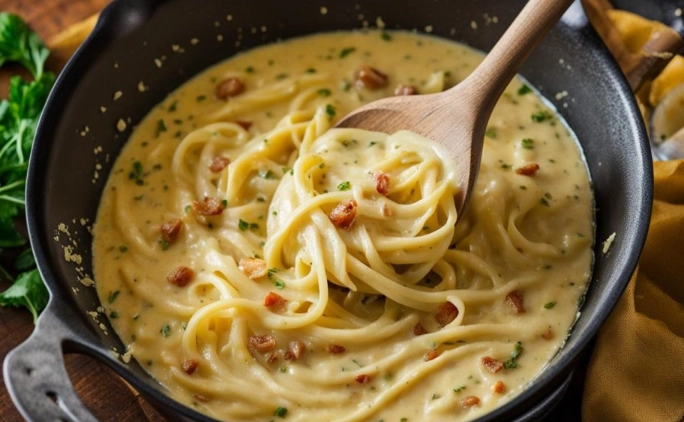
One wrong move and you're left with scrambled eggs on pasta, or a greasy, heavy mess. I've been there. The first time I tried to add chicken to my carbonara, I ended up with dry, stringy meat floating in a sauce that had all the elegance of school cafeteria glue. Not good.
So, let's fix that. This isn't about creating a totally new, fusion dish. It's about understanding the soul of a classic Italian chicken carbonara—respecting its roots—and then carefully, thoughtfully, introducing chicken in a way that complements, rather than overpowers, the magic.
Quick Navigation
What *Actually* Is an Original Carbonara?
Before we even touch the chicken, we need to get the base right. This is non-negotiable. A classic Roman carbonara, according to its culinary custodians, is made with just five ingredients: pasta (usually spaghetti or rigatoni), guanciale (cured pork cheek), Pecorino Romano cheese, eggs (specifically yolks), and black pepper. That's it. No cream, no garlic, no onions, no parsley garnish.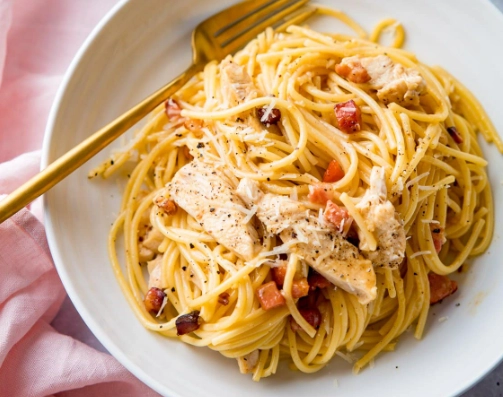
The magic happens when the hot pasta and rendered pork fat cook the egg and cheese mixture off the heat, creating a silky, emulsified sauce that coats every strand. It's rich, salty, peppery, and incredibly satisfying. The folks over at Academia Barilla, a respected authority on Italian gastronomy, are pretty strict about these definitions, and for good reason. The technique is everything.
Now, here's where the first compromise often happens. Guanciale can be hard to find outside Italy. Its flavor is unique—fattier and more complex than pancetta or bacon. If you can't find it, pancetta is the best substitute. Standard bacon is a last resort; it's smokier and can dominate the delicate sauce. For the cheese, Pecorino Romano is key. It's sharper and saltier than Parmigiano-Reggiano, which is what gives carbonara its distinctive bite. You can use a mix of the two, but leaning on Pecorino is the way to go for authenticity.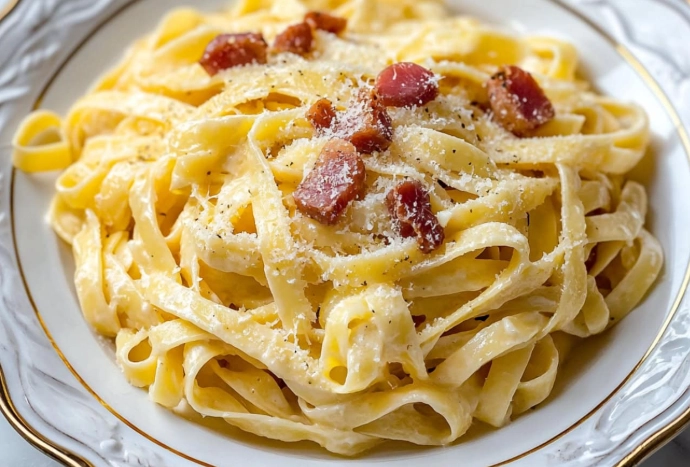
I made the cream mistake for years. I thought it made the sauce "safer" and creamier. All it did was make it heavy and mask the beautiful, sharp flavor of the Pecorino. Skipping it forces you to master the emulsion, which is where the real skill (and reward) lies.
The Chicken Question: Ingredient Deep Dive
Okay, so we're building on a classic foundation. Adding chicken is our twist. To do this well, every ingredient choice matters double. We're not just making carbonara; we're making an original carbonara recipe italian chicken hybrid.
The Meat: Guanciale vs. Pancetta vs. Bacon (and now, Chicken)
This is where a table helps to see the differences clearly.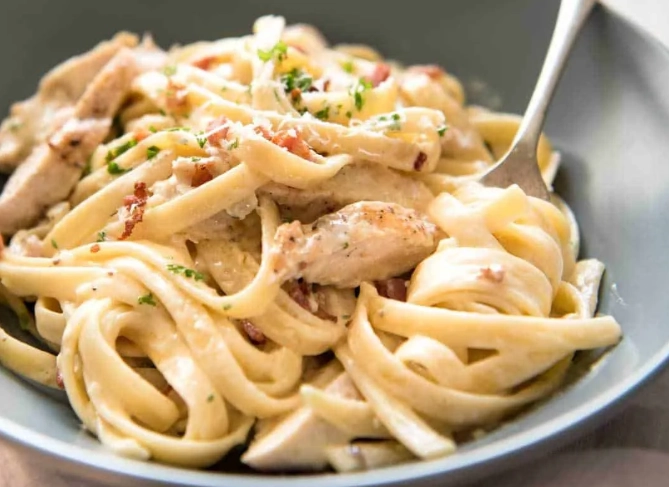
| Meat | What It Is | Flavor Profile | Role in Carbonara | Our Chicken Recipe Use |
|---|---|---|---|---|
| Guanciale | Cured pork cheek | Rich, fatty, deeply savory, subtle sweetness | Traditional base, provides fat for sauce | Ideally, use this. Its fat is gold. |
| Pancetta | Cured pork belly (not smoked) | Salty, porky, less fat than guanciale | Excellent substitute, very common | A great, accessible choice. |
| Bacon | Cured & smoked pork belly | Smoky, salty, can be very assertive | Acceptable substitute but alters classic flavor | Use sparingly if you must; it can clash with chicken. |
| Chicken Breast/Thigh | Our added protein | Mild, lean (breast) or juicy (thigh) | Adds substance, needs careful cooking | Cut small, cook separately, season well. |
The key takeaway? If you're using a strong meat like smoky bacon, your mild chicken might get lost. Try to use guanciale or pancetta to let both proteins shine. For the chicken, I have a strong opinion: use thighs. Everyone defaults to breast because it's lean, but that's the problem. In a dish with little added liquid, breast meat dries out in a heartbeat if you overcook it by even a minute. Thighs are more forgiving, juicier, and have more flavor. They stand up to the richness of the sauce better.
The Cheese & Eggs: The Sauce Foundation
This is the heart of the sauce. For one pound of pasta, you'll typically use:
- 3 large egg yolks + 1 whole egg: This ratio gives you a super creamy, rich texture from the yolks, with enough structure from the whole egg to hold it together. Using only whole eggs can make the sauce a bit thin. Using only yolks is decadent but can be too thick.
- 1 to 1.5 cups finely grated Pecorino Romano: Freshly grate it. Pre-grated cheese contains anti-caking agents that can make your sauce grainy and prevent it from melting smoothly. This is a huge, silent sauce-killer.
You mix the eggs and cheese together in a bowl until it forms a thick paste. This is your sauce-in-waiting. The heat from the pasta will activate it.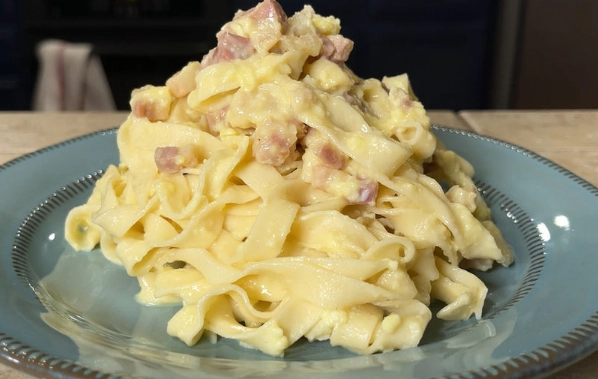
Preparing the Chicken: The Make-or-Break Step
This is the most critical part of adapting the original carbonara recipe italian chicken. You can't just throw raw chicken chunks into the pan with the guanciale. Here's why: the guanciale needs to render its fat slowly at a medium heat. Chicken needs to be cooked through to 165°F (74°C), which often requires higher heat to get a good sear without stewing. If you cook them together, one will suffer—either the guanciale won't render properly, or the chicken will boil in fat and be pale and soggy.
So, cook them separately. Always.
- Cutting: Dice your chicken (thighs, remember?) into bite-sized pieces, roughly the same size as your cubed guanciale/pancetta. Uniform size = even cooking.
- Seasoning: Don't be shy. Season the chicken well with salt and pepper. You might even add a tiny pinch of dried oregano or thyme—just a whisper—to give it a little Italian accent. This helps it carry its own weight in the final dish.
- Cooking: Heat a separate pan with a touch of olive oil over medium-high heat. Pat the chicken dry (wet chicken steams, it doesn't sear). Add it in a single layer and let it sit. Don't crowd the pan. You want a golden-brown sear on at least one side. Cook until just done, then remove it from the pan and set it aside. It will finish heating through when you combine everything at the end.
This method guarantees juicy, flavorful chicken that adds to the dish, rather than dragging it down.
The Step-by-Step Process: Bringing It All Together
Step 1: Start the Pasta & Prep the Pork
Bring a large pot of heavily salted water to a boil. It should taste like the sea. Add your spaghetti (about 1 lb / 450g). While it cooks, cube your guanciale or pancetta. Render it slowly in a large, cold skillet over medium heat. You want the fat to melt out and the pieces to become crispy, but not burnt. This takes about 10 minutes. Once crisp, turn off the heat. Leave the pork and all that glorious fat in the pan.
Step 2: Make the Sauce Base & Cook the Chicken
In a medium bowl, whisk together your 3 egg yolks, 1 whole egg, all of the grated Pecorino, and a very generous amount of freshly cracked black pepper. It will be thick and pasty. Set it aside. Now, in your second pan, cook your seasoned chicken as described above until golden and cooked through. Set it aside on a plate.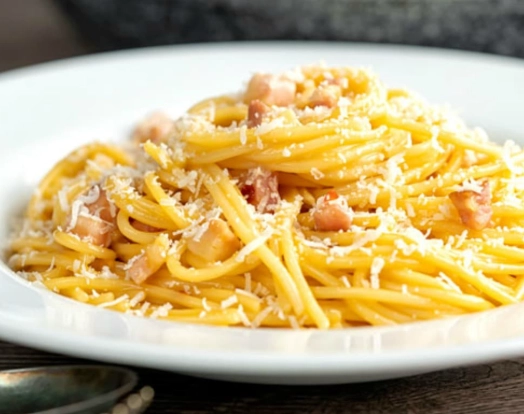
Step 3: The Critical Emulsion
This is the 60-second window where dinner is made or broken. Your pasta should be cooked al dente. Reserve about 1 cup of the starchy pasta water BEFORE you drain it. Immediately, take the hot, drained pasta and toss it into the skillet with the guanciale and fat. The residual heat is crucial. Toss it well to coat every strand in fat.
Now, move the skillet off the stove entirely. Away from any direct heat source.
Quickly pour your egg and cheese mixture over the hot pasta, along with your cooked chicken. Toss, toss, toss like your life depends on it. The heat from the pasta and pan will gently cook the eggs into a creamy sauce. If it looks too thick or clumpy, add a splash of the reserved pasta water, one tablespoon at a time, and keep tossing. The starch in the water helps create a silky, smooth emulsion. You're aiming for a sauce that coats the back of a spoon.
Step 4: Final Touch & Serve
Give it a final taste. It likely needs no extra salt (between the Pecorino, guanciale, and salted pasta water), but you can add more pepper. Serve immediately in warm bowls. A final dusting of Pecorino on top is never wrong.
Top 5 Mistakes (And How to Avoid Them)
Even with a guide, things go wrong. Here are the pitfalls I've faced (and seen countless others face) with this original carbonara recipe italian chicken.
- Using Cold Eggs: Already mentioned, but worth repeating. It causes the sauce to seize up unevenly.
- No Pasta Water Reserved: This is your emergency lifeline for adjusting sauce consistency. Forgetting it leaves you with no recourse if the sauce is too thick.
- Crowding the Chicken Pan: This steams the chicken instead of searing it. Do it in batches if you have to. Juicy seared chicken is a game-changer for the final texture.
- Overcooking the Pasta: Mushy pasta won't hold the sauce properly and turns the whole dish into a starchy blob. Al dente is mandatory.
- Adding Garlic or Herbs Too Early: Some people can't resist a garlic clove. If you must, fry it gently in the pork fat and REMOVE IT before adding the pasta. Burnt garlic is bitter. Fresh herbs like parsley should only be a final garnish, if at all.
Answering Your Carbonara Questions
I get a lot of questions whenever I post about this. Here are the most common ones.
Can I use bacon instead of guanciale?
You can, but know it changes the dish fundamentally. The smoky flavor will dominate. If it's all you have, use it, but maybe use a bit less and consider using milder chicken breast to balance it. Personally, I'd take the time to find pancetta.
Can I add vegetables like peas or mushrooms?
Technically, no, not in an original recipe. But it's your kitchen! If you want peas, blanch them and add them with the chicken at the end. Mushrooms would need to be sautéed separately first. Just know that every addition moves you further from the classic, simple balance of flavors. For a true authentic carbonara with chicken, I'd skip them.
How do I reheat leftovers without ruining the sauce?
This is tricky. The sauce can separate. The best method is gently in a skillet over very low heat with a tiny splash of water, stirring constantly. It won't be as perfect as fresh, but it's salvageable. Honestly, carbonara is best eaten immediately.
What wine pairs well with chicken carbonara?
You need something that can cut through the richness. A white like a crisp Frascati or Vermentino from Italy works beautifully. For red lovers, a lighter, low-tannin red like a Chianti or a Barbera can be nice. The official Italian Wine Central guide is a fantastic resource for exploring pairings deeper.
Is this an easy chicken carbonara recipe?
It's simple in ingredients, but the technique requires attention. It's not a "dump and stir" recipe. You need to manage timing (pasta, pork, chicken) and master the off-heat emulsion. Once you've done it successfully two or three times, it becomes easy and incredibly rewarding. The first time might feel like a high-wire act, but stick with it.
Wrapping It Up
So there you have it. Making an original carbonara recipe italian chicken isn't about finding a shortcut. It's about understanding the rules of a classic dish so you can bend one of them—adding protein—with confidence and respect. It's about treating the chicken with care, cooking it separately for that perfect texture, and letting the glorious, simple sauce of eggs, cheese, and pork fat be the star.
It's a dish that demands your focus for about 20 minutes, but pays you back with a restaurant-quality meal that feels both comforting and sophisticated. Skip the cream, respect the process, and don't be afraid of that bowl of eggs and cheese. When you get it right, when that sauce coats the pasta in a velvety, glossy embrace, with bits of crispy pork and juicy chicken in every forkful, you'll know it was worth every second of effort.
Now, go put that pot of water on to boil.
Related Articles
Italian Soup Recipe: Classic Minestrone & Hearty Ribollita Made Easy
Authentic Italian Pasta Sauce Recipes: From Classic Tomato to Rich Ragù
Authentic Italian Dinner Recipes & Essential Secrets Explained
Best Italian Soup Recipes: Classic Comfort in a Bowl
The Best Pasta Carbonara Recipe: Authentic Roman Secrets Revealed
