Original Carbonara Recipe: Authentic Italian Sauce & Common Mistakes
In This Article
- The Heart of the Matter: What Makes a Carbonara Original?
- The Sacred Five: Ingredients for the Authentic Carbonara Sauce
- Step-by-Step: How to Make the Original Carbonara Recipe
- Top 5 Culinary Crimes Against the Original Carbonara Sauce
- Answering Your Carbonara Questions
- Taking It Further: Little Tweaks for Big Flavor
- Why This Matters: The Soul of the Dish
Let's talk about carbonara. No, not the heavy, cream-laden pasta dish you might have had at some chain restaurant. I'm talking about the real deal, the original carbonara recipe Italian sauce that's so simple it's almost shocking, and so good it'll ruin all other versions for you. I remember the first time I had a proper one in a tiny trattoria in Rome. The waiter looked at me with pity when I asked, in broken Italian, if it had cream. "No, signore. Mai." Never. That lesson stuck with me.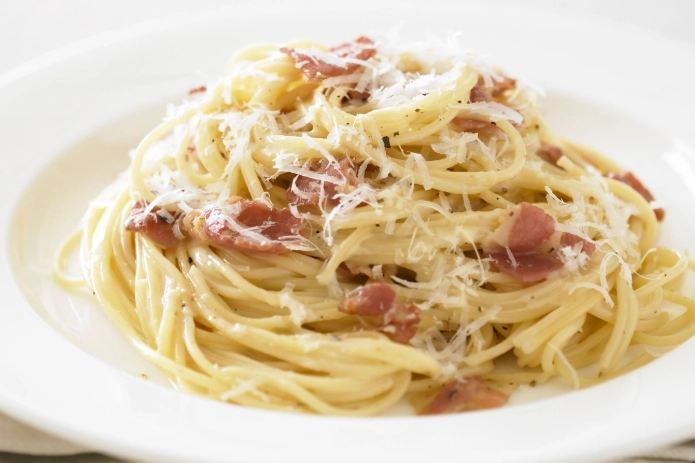
Why is there so much confusion? You search for a carbonara recipe online and you're bombarded with versions that include garlic, onions, mushrooms, peas, and yes, lots of cream. It's a mess. It's like everyone decided to throw the rulebook out the window. But here's the thing: the authentic version isn't just a preference; it's a specific dish with a specific history and a very short list of ingredients that work in perfect harmony. The magic lies in the emulsion of egg, cheese, and pasta water, creating a sauce that's rich and velvety without being cloying or heavy. That's the original carbonara sauce we're chasing.
The Heart of the Matter: What Makes a Carbonara Original?
At its core, the original carbonara recipe is a lesson in minimalist cooking. It's believed to have origins in Rome around the mid-20th century, possibly as a hearty meal for workers or soldiers using available, shelf-stable ingredients. Its beauty is in its constraint. Every ingredient has a non-negotiable job.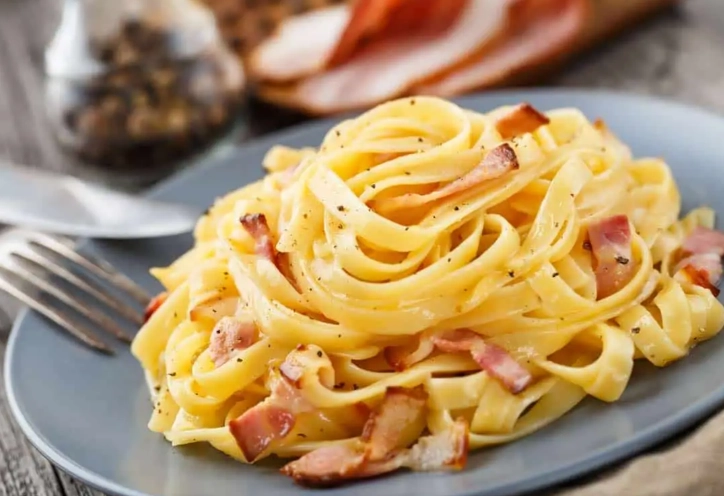
The biggest point of contention, the hill many Italian chefs will die on, is the cream. Let's be clear: Authentic carbonara sauce does not contain cream. Not a drop. The creaminess comes solely from the emulsion created by vigorously mixing raw eggs (or just yolks), finely grated hard cheese, and the hot, starchy pasta water. Adding cream is a shortcut that overpowers the delicate, savory, and slightly funky flavors of the guanciale and pecorino. It creates a one-dimensional, heavy sauce that masks the other ingredients. If you see cream in the ingredient list, you're looking at a carbonara-inspired dish, not the original.
The Sacred Five: Ingredients for the Authentic Carbonara Sauce
You only need five things. The quality of these five things makes all the difference. Substitutions are possible (and we'll talk about them), but know that each change moves you away from the original carbonara recipe.
| Ingredient | Authentic Choice | Why It's Essential | Common Substitute (The Compromise) |
|---|---|---|---|
| Pasta | Spaghetti or Rigatoni | Long, thick shapes like spaghetti hold the sauce well. Rigatoni's ridges trap the creamy sauce and meat bits perfectly. | Bucatini, fettuccine, or linguine. Avoid thin shapes like angel hair. |
| Pork | Guanciale | This is cured pork cheek. It's fattier, more flavorful, and has a more tender texture when cooked than pancetta. Its fat is liquid gold for the sauce. | Pancetta (Italian cured pork belly). A decent second choice. Avoid regular bacon—it's too smoky and sweet. |
| Cheese | Pecorino Romano | A hard, salty sheep's milk cheese from Lazio (the region Rome is in). Its sharp, tangy flavor is definitive. It also melts beautifully into the emulsion. | A mix of Pecorino and Parmigiano-Reggiano. Some Romans do this to mellow the sharpness. Using only Parmigiano changes the flavor profile significantly. |
| Eggs | Fresh, large egg yolks | The yolk provides fat, richness, and color. Using whole eggs can make the sauce looser and less rich. Yolks alone create a luxuriously thick, golden sauce. | Whole eggs. For a slightly lighter version, use 1 whole egg + extra yolks per person. |
| Pepper | Freshly ground black pepper | Not just a seasoning; it's a core ingredient. The heat and aroma cut through the richness. It should be abundant and freshly cracked. | None. There is no substitute. Pre-ground pepper is a crime here. |
See? No cream, no garlic, no onions, no herbs. Just these five. Finding guanciale might require a trip to a good Italian deli or an online order, but it's worth the effort for the true original carbonara sauce experience. I used pancetta for years thinking it was fine, but the first time I used real guanciale, the difference was night and day. The fat rendered differently, the flavor was deeper and more complex. It's a game-changer.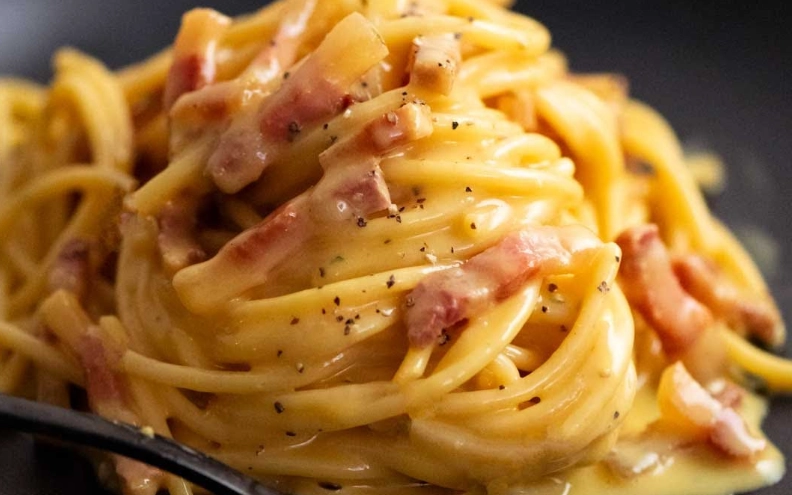
Step-by-Step: How to Make the Original Carbonara Recipe
This isn't just a recipe; it's a technique. Timing and temperature are everything. Missteps here lead to scrambled eggs. Let's break it down.
Mise en Place: Get Everything Ready
Carbonara comes together in minutes, so you can't be chopping or grating while the pasta cooks. Have it all ready to go.
- Cube the Guanciale: Cut it into 1/4-inch thick slices, then into small cubes or strips. You want a good mix of lean meat and fat.
- Grate the Cheese: Finely grate your Pecorino Romano. Do not use pre-grated cheese. It contains anti-caking agents (like cellulose) that will prevent it from melting smoothly into your sauce, leaving you with a grainy texture. This is a huge, but common, mistake.
- Prepare the Egg Mixture: This is the heart of your sauce. For 4 servings, use 4 large egg yolks and 1 whole egg. Whisk them in a large, heatproof bowl (this will be your mixing bowl later) until just combined. Don't whip air into them. Then, mix in most of your grated cheese (save a handful for serving) and a very generous amount of freshly cracked black pepper. The mixture will be thick and paste-like. That's okay.
- Start the Water: Get a large pot of well-salted water boiling. It should taste like the sea. This is your only chance to season the pasta itself.
The Cooking Dance: Synchronizing Pasta and Guanciale
This is where the magic happens, and where most people panic.
- Render the Guanciale: In a cold pan (no added oil!), place your cubed guanciale. Turn the heat to medium-low. Let the fat slowly render out. The goal is crispy, golden-brown meat bits and clear, liquid fat. This should take about 10-15 minutes. Be patient. High heat will burn it. Once crisp, turn off the heat and leave the pan as is.
- Cook the Pasta: Drop your pasta into the boiling water. Cook it 1-2 minutes LESS than the package says for al dente. It will finish cooking in the sauce. This is non-negotiable for texture.
- Reserve Pasta Water: Before draining, scoop out about 1 1/2 cups of the starchy pasta water. This liquid is the key to your emulsion. Set it aside.
Now, the final, nerve-wracking 60 seconds.
The Final Emulsion: No Scrambling Allowed
- Combine Hot Pasta and Fat: Drain the pasta and immediately add it to the pan with the guanciale and its fat. Toss it well over the now-off (but still warm) heat. Every strand should be glossy with the fat. This also slightly cools the pasta, which is good—you don't want it piping hot when it hits the eggs.
- Temper the Egg Mixture: Take about 1/4 cup of your reserved hot pasta water and, while whisking constantly, slowly drizzle it into the bowl with the egg and cheese mixture. This gradually raises the temperature of the eggs without cooking them. This step is your insurance policy against scrambled eggs.
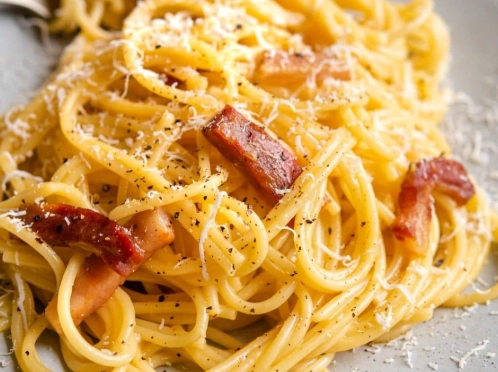
- The Grand Toss: Now, pour the tempered egg mixture over the pasta in the pan. Working quickly off the heat, toss and stir vigorously. The residual heat from the pasta and pan will gently cook the eggs, forming a creamy, glossy sauce. If it looks too thick or is clumping, add more hot pasta water, a tablespoon at a time, until it reaches a silky, flowing consistency that coats the pasta. The sauce should look creamy and luxurious, not eggy or watery.
- Serve Immediately: Plate it right away. Top with the remaining grated cheese and another crack of black pepper. Carbonara waits for no one. It starts to thicken and congeal as it sits.
Top 5 Culinary Crimes Against the Original Carbonara Sauce
Let's be blunt. Here are the mistakes that will get you side-eyed by any purist (and will result in a inferior dish).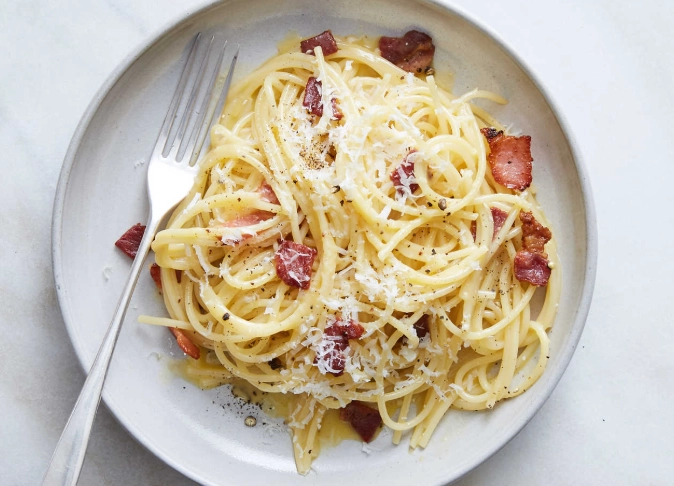
Using a Direct Heat Source with the Eggs. Never, ever put the bowl with the raw egg mixture directly over the stove or add it to a piping hot pan. You must remove the pan from the heat first. The residual heat is all you need.
Skipping the Pasta Water. The starchy water is the glue that binds the fat and eggs into a smooth emulsion. Tap water will just make a watery, broken mess. Don't drain all of it!
Overcooking the Pasta. Mushy pasta is a tragedy. It won't hold the sauce and becomes a starchy blob. Al dente is mandatory—it provides texture and structure.
Using Pre-Grated Cheese. I know I sound like a broken record, but it's that important. The powdery additives ruin the melt. Buy a block and grate it yourself. The flavor is also infinitely better.
Answering Your Carbonara Questions
You've got questions. I had them too. Let's tackle the most common ones head-on.
Taking It Further: Little Tweaks for Big Flavor
Once you've mastered the basic original carbonara recipe, you can play around the edges. Not with the core five ingredients, but with small enhancements.
- The Pepper Toast: Before you start anything else, toast your coarsely ground black pepper in a dry pan for 30-60 seconds until fragrant. This unlocks deeper, warmer notes. Let it cool before adding it to the egg mixture.
- Infuse the Fat: While the guanciale is rendering, add a whole clove of garlic (smash it) to the pan. Let it sizzle and flavor the fat, then remove and discard it before it browns. This gives a subtle background note without breaking the "no garlic" rule of the pure original. Some Roman chefs quietly approve of this.
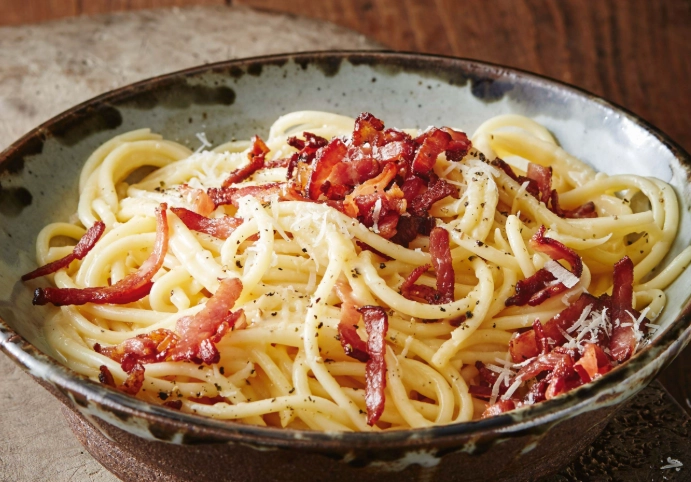
- Choice of Pasta: While spaghetti is classic, try rigatoni or bucatini. Rigatoni's tubes and ridges are fantastic for holding the sauce and little meat cubes. Bucatini (hollow spaghetti) is a Roman favorite and does the same job beautifully.
Why This Matters: The Soul of the Dish
Chasing the original carbonara recipe Italian sauce isn't about being a snob. It's about understanding a culture's approach to food. Italian cooking, especially Roman cuisine, is often about extracting maximum flavor from a few, high-quality ingredients through technique. It's about respect for the ingredients themselves. When you make it this way, you taste the distinct flavor of the pecorino, the rich savoriness of the guanciale fat, the silkiness of the egg, all held together by the starch of the pasta. It's complex yet simple.
Adding cream, or a dozen other ingredients, muddles that. It becomes a generic "creamy pasta." And there's nothing wrong with creamy pasta! But call it what it is. If you want to learn more about the cultural and historical context of Roman pasta dishes, the Accademia Italiana della Cucina (Italian Academy of Cuisine) is a fantastic resource that documents and protects traditional Italian recipes. For understanding the protected designation of ingredients like Pecorino Romano, the official Italian Ministry of Agricultural, Food and Forestry Policies site has detailed information on DOP (Protected Designation of Origin) products.
So there you have it. The real deal. The original carbonara recipe, demystified. It's not hard, but it demands your attention. It rewards precision with perfection. Now go grab some guanciale and pecorino, and start rendering.
Related Articles
Healthy Italian Vegetarian Recipes: Flavorful Main Dishes Made Easy
Most Famous Italian Cookies: A Guide to Italy's Beloved Biscotti & Beyond
Easy Traditional Italian Wedding Soup Recipe - Authentic & Simple
What Can I Make With Italian Dressing? 25+ Easy Recipes & Ideas

Master Old School Italian Recipes: Authentic Pasta, Ragù & More