Authentic Carbonara Recipe: The Real Italian Way (No Cream!)
My Carbonara Journey Highlights
- Where Did Carbonara Really Come From? (Spoiler: It's Not Ancient)
- Why Cream is the Cardinal Sin of Carbonara
- The Holy Quintet: The 5 Non-Negotiable Ingredients
- The Step-by-Step: Your Path to Carbonara Enlightenment
- Top 3 Reasons Your Carbonara Fails (And How to Fix Them)
- Beyond the Basic: When You've Mastered the Original
Let's get one thing straight right from the start. If your carbonara recipe calls for cream, garlic, onions, or peas, you're not making carbonara. You're making a very nice, creamy pasta dish, sure. But it's not the real deal from Rome. I learned this the hard way, years ago, after proudly serving my "carbonara" to an Italian friend who just smiled politely and asked, gently, "Where's the cream from?" My culinary ego deflated faster than a failed soufflé.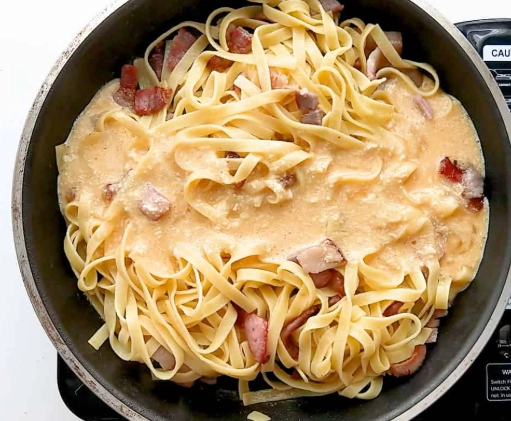
The quest for the original carbonara recipe italian without cream is more than just following a list of ingredients. It's about understanding a philosophy. Italian cooking, at its heart, is about simplicity and the quality of a few perfect components. Carbonara is the ultimate test of that principle. It's deceptively simple, which is why so many of us get it wrong. We think simple means easy. It doesn't. It means there's nowhere to hide.
So, why does this matter? Because making the authentic version is a revelation. The sauce isn't heavy or cloying. It's silky, rich, and complex, clinging to the pasta in a way cream never could. It's a dish that feels luxurious but is made from pantry staples. That's the magic we're after.
Where Did Carbonara Really Come From? (Spoiler: It's Not Ancient)
There's a lot of romantic nonsense written about carbonara's origins. Some say it was a meal for charcoal workers ("carbone" means coal). Others suggest it was invented post-World War II when American GIs brought bacon and eggs to Rome. The truth is, nobody knows for certain. The first documented recipes appear in the mid-20th century.
What's important is what the earliest Italian recipes agree on. They never, ever included cream. The cream is a later addition, likely from outside Italy, to create a foolproof, stable sauce that's less likely to scramble. It's a cheat. A delicious cheat, maybe, but a cheat nonetheless if you're aiming for authenticity. If you want to dive into the documented history of Roman cuisine, the official portal for Italian tourism, Italia.it, often features articles on regional food heritage that provide cultural context.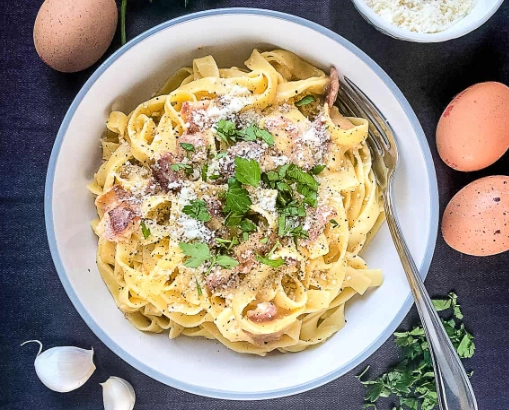
So the real original carbonara recipe italian without cream isn't about recreating some ancient Etruscan ritual. It's about honoring the post-war Roman tradition that crystallized into one of the world's great pasta dishes.
Why Cream is the Cardinal Sin of Carbonara
Let's break down why cream is considered such a faux pas by purists. It's not just snobbery; it's about chemistry and taste.
- Texture Betrayal: Cream creates a uniform, thick coating. Authentic carbonara sauce is an emulsion—a velvety, slightly loose coating that's born from the magic of pasta water, egg, and cheese coming together. It's alive on the plate.
- Flavor Masking: Heavy cream dulls the sharp, salty punch of Pecorino Romano and the smoky depth of guanciale. It turns a vibrant, bold dish into something muted and one-dimensional.
- It's Unnecessary: The whole point of the technique is to create creaminess *without* cream. Adding it is like using training wheels on a bicycle you already know how to ride.
I get the temptation. The first time I tried the real method, I was terrified. I just knew I'd end up with scrambled eggs and pasta. But when you get it right? There's no comparison.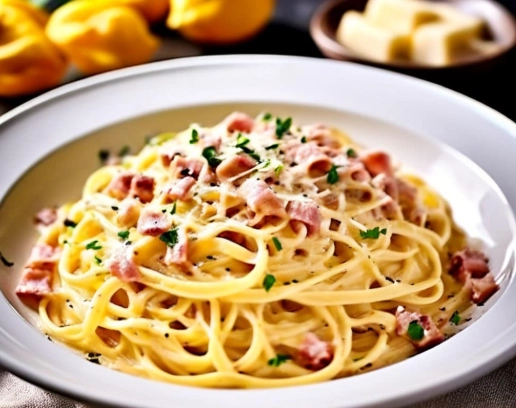
The Holy Quintet: The 5 Non-Negotiable Ingredients
Here's the beautiful part. You only need five things. But each one is crucial. Compromise here, and you start sliding away from that original carbonara recipe italian without cream.
| Ingredient | The Authentic Choice | Why It Matters | Common Substitutes (The Compromises) |
|---|---|---|---|
| Pasta | Spaghetti or Rigatoni | Long, sturdy shapes that hold the sauce well. Spaghetti is classic, rigatoni's ridges trap every bit. | Bucatini, fettuccine. Avoid delicate shapes like angel hair. |
| Pork | Guanciale | Cured pork cheek. It's fattier, more flavorful, and less meaty than pancetta. Renders incredible fat for the sauce base. | Pancetta (Italian cured pork belly). Bacon (smoked, adds a different flavor). |
| Cheese | Pecorino Romano | Sharp, salty, sheep's milk cheese from Lazio (Rome's region). It's the signature flavor. | Parmigiano-Reggiano (milder, nuttier). A 50/50 mix of Pecorino and Parmigiano is a popular Roman compromise. |
| Eggs | Fresh Egg Yolks | Yolks provide richness and color. Some recipes use a whole egg + extra yolk per person for stability. | Whole eggs (less rich, more likely to scramble if not careful). |
| Pepper | Freshly Cracked Black Pepper | Not just seasoning. It's a core ingredient, providing aromatic heat that cuts the richness. | Pre-ground pepper (lacks aroma and punch). |
See? No cream, no garlic, no onions, no parsley garnish. Just these five. The quality of each directly translates to the final dish. Splurge on the guanciale and good Pecorino if you can. It makes a world of difference.
The Step-by-Step: Your Path to Carbonara Enlightenment
This is where the magic happens. Read through all the steps first. Mis en place is your best friend here—have everything prepped and ready to go because it comes together fast.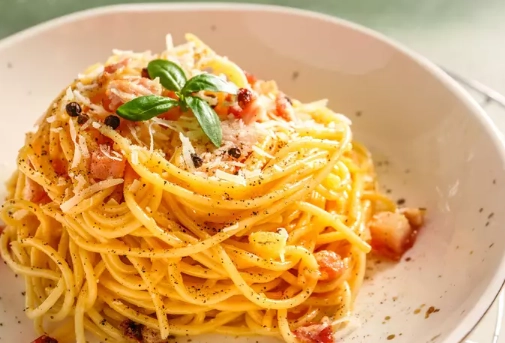
Step 1: Prep Your Foundation
Cube your guanciale into little lardons, about 1/2 inch thick. Don't make them too small or they'll burn. Grate your Pecorino Romano finely. Separate your egg yolks into a large bowl (one that can later hold all the pasta). Add the grated cheese and a generous amount of fresh black pepper to the yolks. Mix it into a thick, grainy paste. This is your sauce base. No cream in sight, just eggs and cheese waiting to transform.
Step 2: Cook the Pork & Pasta
In a cold pan, add the guanciale. Turn the heat to medium. You want to render the fat slowly until the pieces are golden and crispy, but not burnt. This takes patience—maybe 10-15 minutes. The rendered fat is liquid gold. Once done, turn off the heat and let it sit.
Meanwhile, get your pasta water boiling. Salt it well—it should taste like the sea. This is your only chance to season the pasta itself. Cook your spaghetti a minute or two *less* than the package says. You want it very al dente.
Step 3: The Critical Emulsion
This is the moment of truth for any original carbonara recipe italian without cream. Right before draining the pasta, scoop out about a cup of the starchy pasta water. You'll only need a few tablespoons, but have it ready.
Drain the pasta and immediately add it to the pan with the guanciale and its fat. Toss it well so every strand is glossy. This cools the pan down a bit, which is vital.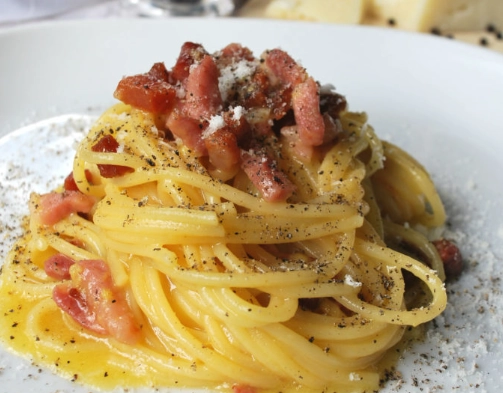
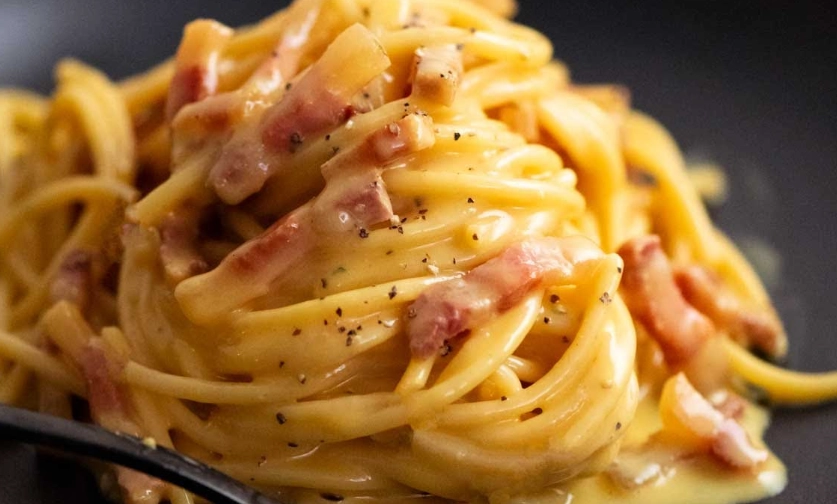
Now, take the pan off the heat entirely. Let it sit for 30 seconds. You want the pasta hot, but the pan not so hot it will scramble the eggs. Slowly, while vigorously tossing the pasta with tongs, pour in the egg-cheese paste. The residual heat will cook the eggs into a sauce. If it looks too thick or clumpy, add a tablespoon of your reserved pasta water and keep tossing. The starch in the water will help create a silky, emulsified sauce that clings perfectly.
That sound of the pasta slapping against the pan as you toss it, the steam rising with the smell of pepper and pork... that's the sound of success.
Step 4: Serve Immediately
Plate it right away. The sauce continues to thicken as it sits. Top with an extra crack of pepper and maybe a small sprinkle of Pecorino. Do not, I repeat, do not add more cheese from a canister at the table. You've already seasoned it perfectly.
Top 3 Reasons Your Carbonara Fails (And How to Fix Them)
We've all been there. Here are the classic pitfalls when chasing that perfect original carbonara recipe italian without cream.
- Scrambled Eggs: This is the big fear. The cause is always too much heat. The pan must be off the heat when you add the egg mixture. The pasta should be hot enough to cook the eggs gently into a sauce, not fry them. If you're nervous, you can even transfer the pasta and guanciale to a warm bowl before adding the eggs.
- A Dry, Clumpy Sauce: You didn't use pasta water, or you didn't use enough. That starchy water is the glue that binds the fat, eggs, and cheese into a smooth emulsion. Don't skip it. Add it a spoonful at a time until the sauce flows.
- A Greasy Pool at the Bottom of the Bowl: This means the emulsion broke. Likely, the fat from the guanciale was too hot when it met the eggs, or you didn't toss vigorously enough. Ensure the pasta is well-coated in the fat before adding the eggs, and toss like your dinner depends on it (it does).
Answering Your Carbonara Questions
Let's tackle the stuff you're probably searching for.
Beyond the Basic: When You've Mastered the Original
Once you've nailed the classic original carbonara recipe italian without cream, you can play around—but always keep the core technique.
Try rigatoni instead of spaghetti. The sauce gets trapped in the tubes beautifully. Experiment with the cheese ratio. Some love the aggressive salt of all Pecorino; others prefer a 50/50 blend. You can add a tiny pinch of chili flake with the black pepper for a subtle kick.
But my final piece of advice? Make it exactly as written a few times. Get a feel for the rhythm, the consistency, the taste. Understand why each rule exists. Then, you'll know which ones you can bend without breaking the soul of the dish. Because that's what this is about—not just following a recipe, but understanding a piece of Italian culinary soul. A soul that, I promise you, has never contained a drop of cream.
Now go put that pot of water on to boil.
Related Articles
Authentic Italian Pasta Recipes: A Complete Cooking Guide
Authentic Italian Cheesecake Recipe: Creamy Ricotta Dessert Guide
Authentic Italian Meatballs: Nonna's Secrets & Step-by-Step Recipe
A Complete Guide to the Traditional Southern Italian Christmas Dinner Feast
The Most Popular Cocktail in Italy: A Deep Dive into the Aperol Spritz