Best Vegetables for Italian Sliders: A Flavor & Texture Guide
Quick Navigation
- The Classics: Vegetables That Define the Italian Slider
- Beyond the Basics: Creative & Supporting Cast Veggies
- How to Prepare Your Vegetables: The Make-or-Break Details
- Building Your Ultimate Italian Slider: A Flavor Pairing Guide
- Answering Your Questions: The Italian Slider Veggie FAQ
- Wrapping It Up: Your Vegetable Philosophy
So you're making Italian sliders. You've got the good rolls, maybe some nice cured meats and cheese, but now you're staring into the fridge wondering... what vegetables are good in Italian sliders? It's a simple question, but the answer makes all the difference between a forgettable mini sandwich and one that people keep talking about. Get it wrong, and you end up with a soggy mess or a bland bite. Get it right, and you've got this incredible harmony of flavors and textures.
I've messed this up before. I once overloaded a batch with watery tomatoes and ended up with bread that had the structural integrity of a wet napkin. Not a good look. Since then, I've spent a lot of time figuring out what works and what doesn't. The goal isn't just to add color – it's to add flavor, crunch, moisture, and that authentic Italian character.
Let's break this down. We'll talk about the classic veggies you absolutely should consider, some creative options you might not have thought of, and crucially, how to prepare them so they actually work in the small format of a slider. Because a whole slice of raw onion? That's a bit aggressive for a tiny bun.
The Classics: Vegetables That Define the Italian Slider
These are the foundational players. When you think of an Italian sandwich, these veggies are probably already in your mind's eye. They're popular for a reason – they deliver consistent, crowd-pleasing results.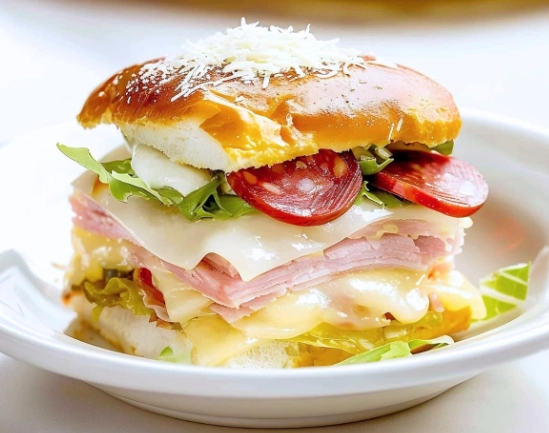
Tomatoes: The Juicy Heart of the Matter
It's hard to imagine an Italian slider without tomato. But not just any tomato. A mushy, out-of-season beefsteak will ruin everything. You want something with flavor and lower water content.
Roma or plum tomatoes are the gold standard. They're meaty, have fewer seeds and less gel, and their flavor is more concentrated. The key is slicing them thin and, this is important, salting them lightly about 10 minutes before assembly. The salt draws out excess moisture. Just pat them dry with a paper towel before building your slider. It's a simple step that prevents sogginess.
Heirloom varieties in the summer can be amazing, but you have to be selective. Cherry or grape tomatoes, halved or quartered, are a fantastic alternative. They're sweet, reliable year-round, and their smaller size fits the slider scale perfectly.
Fresh Basil: More Than Just a Garnish
Calling basil a vegetable might be a stretch, but its role is so critical it belongs here. A fresh basil leaf introduces a sweet, peppery, anise-like fragrance that screams Italy. It cuts through the richness of cheeses and oils.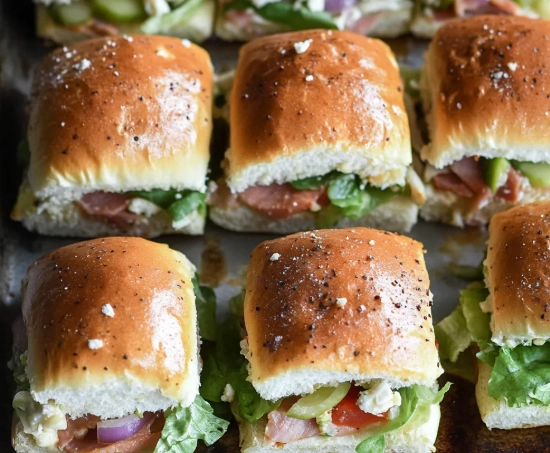
Don't chop it. Tearing or using whole small leaves is better—it prevents bruising and keeps the volatile oils intact. Place it directly against the meat or cheese so the warmth slightly wilts it, releasing its aroma. The folks over at the Accademia Italiana della Cucina (Italian Academy of Cuisine) often emphasize the use of fresh, local basil as a signature element in many regional dishes, and that philosophy translates directly to your sliders.
Roasted Red Peppers: The Sweetness Factor
This is a game-changer. While raw bell peppers can be too crunchy and sharp for some, roasted red peppers are sweet, tender, and smoky. They add a luxurious texture and a beautiful pop of color. You can buy them jarred in oil (just drain and pat dry thoroughly), but roasting your own is surprisingly easy and tastes infinitely better.
Just char whole peppers over a gas flame or under a broiler until blackened, steam them in a covered bowl, then peel and deseed. Slice them into strips that fit your slider rolls. The effort is worth it.
Arugula (Rocket): The Peppery Punch
Lettuce can be boring. Arugula is not. Its distinctive spicy, nutty bite adds a fantastic layer of complexity. It's also sturdier than delicate lettuces, so it won't wilt into nothingness under a warm patty or melted cheese. A small handful provides texture and a welcome bitter note that balances fatty ingredients.
Baby arugula is milder and more tender, while mature arugula packs more heat. Choose based on your audience.
Beyond the Basics: Creative & Supporting Cast Veggies
Once you have the classics down, you can start playing with other vegetables that bring unique textures and flavors to the table. This is where you can really personalize your sliders.
Onions: Raw, Cooked, or Pickled?
Onions are divisive but powerful. A thick slice of raw red onion can overpower a small slider. The trick is to use them judiciously.
- Thinly Sliced: Use a mandoline or sharp knife to shave red or sweet white onions paper-thin. Soak them in ice water for 10-15 minutes to mellow their sharpness and make them extra crunchy.
- Caramelized: Time-consuming but transformative. Slowly cooking sliced onions in olive oil until they become jammy, sweet, and golden brown adds incredible depth. Make a big batch—it keeps.
- Pickled Red Onions: My personal favorite hack. Quick-pickle thin slices in a mix of vinegar, water, sugar, and salt for 30 minutes. They add vibrant color, a sweet-tangy crunch, and zero raw onion breath. It solves the onion problem beautifully.
Marinated Artichoke Hearts
Another jarred wonder. Marinated artichoke hearts, chopped or sliced, add a tangy, savory, slightly briny flavor. They pair exceptionally well with prosciutto, mortadella, and provolone. Again, pat them dry to avoid making the bread oily.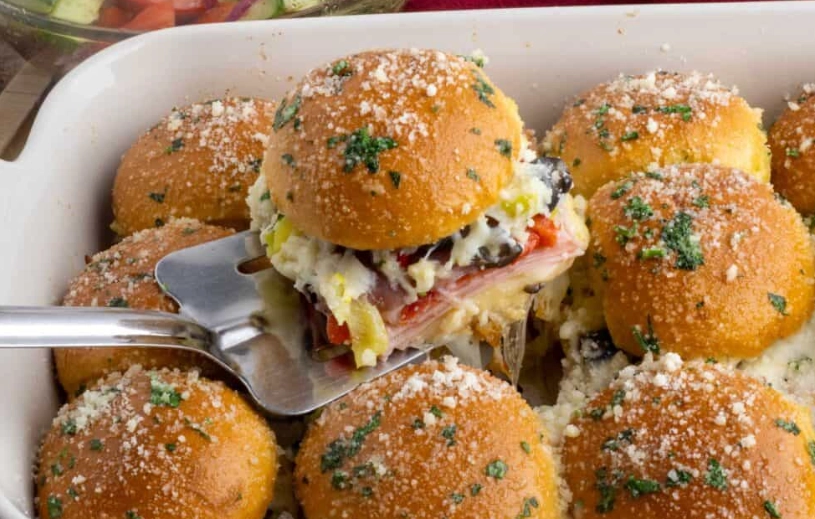
Sautéed Mushrooms
If you're going for a heartier, earthy flavor profile, sautéed mushrooms are perfect. Cremini or wild mushrooms, sliced and cooked down with garlic, thyme, and a splash of white wine until golden, add a meaty, umami-rich component. They work great in sliders with Italian sausage or roast beef.
Grilled or Roasted Zucchini & Eggplant
In the summer, thin slices of zucchini or eggplant, brushed with olive oil, grilled or roasted until tender, make a fantastic addition. They bring a mild, sweet flavor and a soft, yielding texture. They're also a great way to add substance to vegetarian Italian sliders.
See, figuring out what vegetables are good in Italian sliders isn't just about listing ingredients. It's about understanding their properties. Some add crunch, some add moisture, some cut through fat. It's a balancing act.
How to Prepare Your Vegetables: The Make-or-Break Details
This is where most people slip up. Throwing a wet tomato slice or a whole onion ring on a slider is a recipe for disaster. Preparation is everything, especially for the small canvas of a slider bun.
Think about scale. A slider bun is typically 2-3 inches across. Your vegetable pieces need to fit comfortably within that circumference. Biting into a slider where the lettuce is sticking out and pulling the whole thing apart is frustrating. Cut or tear your veggies to size.
Managing moisture is the single most important technical skill. Vegetables contain water. When that water meets bread, the bread gets soggy. Here’s your defense strategy:
- Salting: For tomatoes, zucchini, eggplant. Draws out water.
- Patting Dry: For anything jarred (peppers, artichokes), washed greens, or salted veggies. Use paper towels.
- High-Heat Cooking: Sautéing or grilling evaporates surface moisture.
- The Bread Barrier: Spread a thin layer of butter or mayo on the inside of the bun. This creates a hydrophobic layer that slows moisture penetration.
Let's be honest. No one wants a soggy slider. The U.S. Department of Agriculture's food safety guidelines, while focused on safety, remind us that proper handling and storage of fresh produce (FSIS guidelines) is the first step to quality. Dry veggies are happy veggies in the sandwich world.
Texture Layering
Don't make every vegetable soft. Contrast is exciting. Pair the softness of roasted peppers with the crispness of arugula and the snap of a quick-pickled onion. Your mouth will thank you for the variety.
Here’s a quick-reference table to sum up the prep work for our top contenders. It saves you from guessing.
| Vegetable | Best Form for Sliders | Key Preparation Step | Flavor/Texture Contribution |
|---|---|---|---|
| Tomato (Roma) | Thin rounds or half-moons | Salt & drain for 10 mins, pat dry | Acidity, juiciness, umami |
| Roasted Red Pepper | Strips or small pieces | Pat dry thoroughly if jarred | Sweetness, smokiness, tender bite |
| Arugula | Small leaves or handfuls | Wash and spin completely dry | Peppery spice, delicate crunch |
| Red Onion | Paper-thin slices or quick-pickled | Soak in ice water or pickle | Sharp tang or sweet acidity, major crunch |
| Fresh Basil | Whole small leaves or torn | Add just before serving | Aromatic, sweet, floral notes |
| Marinated Artichokes | Chopped or sliced | Drain and pat dry aggressively | Tangy, savory, briny, firm texture |
See how that works? It's a cheat sheet for success.
Building Your Ultimate Italian Slider: A Flavor Pairing Guide
Now, let's put it all together. What vegetables are good in Italian sliders often depends on what else is in there. Here are a few winning combinations, moving from classic to creative.
The Classic Caprese Slider: Fresh mozzarella, tomato, basil, a drizzle of balsamic glaze. Here, the tomato and basil are non-negotiable stars. Add a single layer of baby arugula for a subtle peppery note if you like.
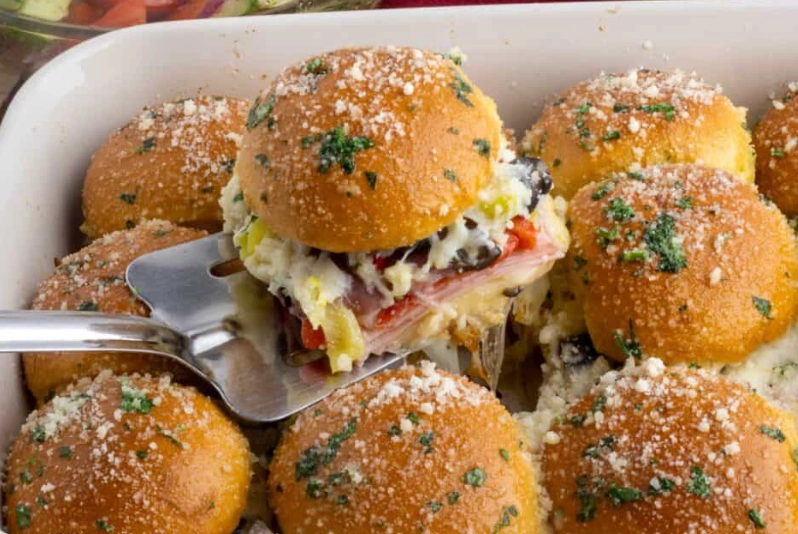
The Italian Deli Slider: Genoa salami, mortadella, provolone. This rich, fatty combo needs bright, acidic, and crunchy cuts. I'd go with roasted red peppers for sweetness and thin-sliced pickled onions for tangy crunch. Maybe a few artichoke pieces in there too. Skip the tomato here—it might make it too wet with all those meats.
The Vegetarian Hero Slider: Grilled zucchini, roasted red peppers, fresh mozzarella, a smear of pesto. This one is all about the veggies. Add marinated artichokes and a handful of arugula for complexity. The textures here—soft zucchini, silky peppers, firm artichokes—are everything.
The Sausage & Pepper Slider: A grilled Italian sausage patty or link. The obvious partner is sautéed onions and bell peppers (green or red). Cook them down until soft and sweet. A little tomato sauce or a roasted tomato slice on top ties it all together.
Answering Your Questions: The Italian Slider Veggie FAQ
You can, but it's a different experience. Baby spinach is milder and wilts much more easily. If you use it, put it on at the very last second and accept that it will soften considerably. For a more robust, flavorful green, stick with arugula or even escarole.
Absolutely! Chopped Kalamata or Castelvetrano olives add a salty, briny punch. Just be mindful of the salt level in your other ingredients (like cured meats). A little goes a long way on a slider.
This is the million-dollar question. The best strategy is component assembly. Keep the dressed or moist vegetables separate from the bread until the last possible moment. Prepare all your veggie components, store them in separate containers in the fridge, and build the sliders right before serving. If you absolutely must pre-assemble, use the bread barrier method (butter/mayo) and pack layers of drier ingredients (meat, cheese) against the bread, with the wettest veggies (tomato) in the very center.
I'd be cautious with very watery vegetables like standard cucumbers or iceberg lettuce (which is mostly water). They don't add much flavor and contribute mainly to sogginess. Raw, thick chunks of any strong vegetable (like fennel or radicchio) can be too overpowering for the small format unless you really love that flavor and slice them extremely thin.
Rubbing a raw garlic clove on the toasted inside of the bun is a classic, powerful move. For a more subtle, integrated flavor, use garlic-infused olive oil as part of a drizzle or in a marinade for your roasted veggies. Mincing fresh garlic and mixing it into a spread (like mayo or ricotta) is another great controlled method.
Sometimes, the best way to figure out what vegetables are good in Italian sliders is to think about what you enjoy on a full-sized Italian sub or panini and then scale it down, adjusting for moisture and size.
Wrapping It Up: Your Vegetable Philosophy
At the end of the day, the best vegetables for your Italian sliders are the ones you enjoy eating. Use this guide as a starting point, not a rigid rulebook. The classics are classics for a reason—they're reliably delicious. But don't be afraid to experiment with a pickled vegetable or a marinated one.
Remember the core principles: manage moisture, consider texture, and respect the scale. If you do those three things, you really can't go wrong. Whether you're making a big tray for a game day party or just a few for a weekend lunch, taking a few extra minutes to prep your vegetables correctly is the secret.
It turns a simple question—what vegetables are good in Italian sliders?—into a delicious answer on a plate. And honestly, that's the whole point. Now go raid your fridge and start building. You'll know which combinations work best for your taste after you try a few. That's the fun part.
Oh, and one last resource if you're diving deep into vegetable prep science: the Institute of Food Technologists often publishes accessible research on food properties and handling. It's nerdy, but it helps you understand the "why" behind techniques like salting tomatoes.
Related Articles
Hearty Italian Sausage Soup Recipe: Easy & Flavorful Comfort Food

The Most Popular Cocktail in Italy: A Deep Dive into the Aperol Spritz
Ultimate Guide to Italian Slider Variations & Recipes

The "big test" for joint venture car companies has arrived
Authentic Italian Eggplant Recipes: From Parmigiana to Caponata
