The Ultimate Eggplant Parmesan Recipe Guide: Tips, Tricks & Troubleshooting
Quick Guide to Perfect Eggplant Parmesan
Let's talk about Eggplant Parmesan. You know, that glorious, cheesy, sometimes messy Italian-American casserole that can either be the star of the dinner table or a soggy, oily disappointment. I've had both. The first time I tried to make it, let's just say it was more "oil sponge" than "Parmigiana." But after years of tweaking, failing, and finally getting it right, I want to share everything I've learned so you can skip the mistakes.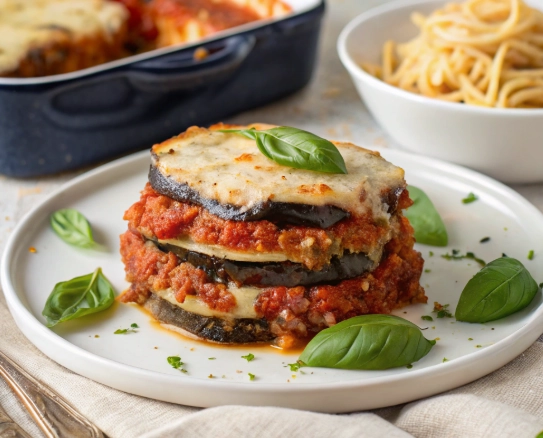
This isn't just a recipe. It's a deep dive into the why behind every step. Because knowing why you salt the eggplant, or why a certain cheese melts better, is what turns a good dish into a great one. We'll cover the classics, some modern twists, and answer every question you might have lurking in the back of your mind.
Why This Recipe Works (And Others Fail)
Most Eggplant Parmesan fails come down to two things: too much oil and too much water. Eggplant is like a sponge. If you don't treat it right, it'll soak up every drop of frying oil and then release a pool of water into your sauce during baking, creating a sad, separated mess.
The magic trick? Drawing out the moisture before you cook it. It's a step you can't rush. I learned this the hard way. I skipped the salting process once, thinking it was an old wives' tale. The result was a pan of greasy, bitter slices that ruined the whole bake. Never again.
Here's the core principle: a dry eggplant slice fries up crisp, absorbs less oil, and provides a sturdy base for all that cheese and sauce. It's the foundation of everything.
Ingredients Deep Dive: Choosing Your Players
You can't build a great house with cheap bricks. The same goes for Eggplant Parmesan. Let's break down what you really need.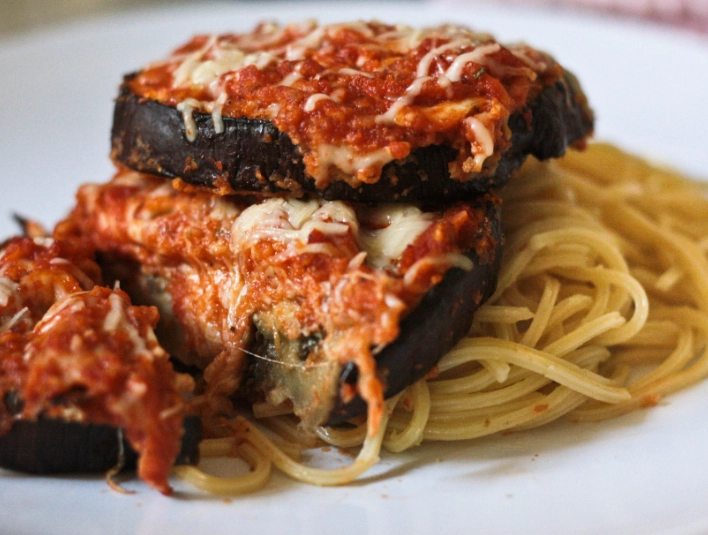
Choosing the Right Eggplant
Not all eggplants are created equal. The classic globe eggplant is your best bet—firm, with fewer seeds. Look for ones that feel heavy for their size with smooth, shiny, taut skin. Avoid any with soft spots or wrinkles.
Ever seen those long, thin Italian or Japanese eggplants? They have thinner skin and fewer seeds, so they're less bitter. You can use them! They might cook a bit faster, so keep an eye on them. But for the traditional, hefty structure, globe is king.
The Cheese Conundrum
This is where people get tripped up. "Parmesan" in the name doesn't mean you only use Parmigiano-Reggiano. That's for grating. For the melty, gooey layers, you need a good melting cheese.
Here’s a quick comparison to clear things up:
| Cheese | Best Use in Eggplant Parmesan | Flavor & Melt Profile | My Personal Take |
|---|---|---|---|
| Fresh Mozzarella | Top layer, torn by hand | Milky, delicate, creates beautiful bubbles | My absolute favorite for freshness. The low-moisture kind is easier for inside layers. |
| Low-Moisture Mozzarella (shredded) | Main filling layers | Reliable melt, good stretch, less watery | The workhorse. Pre-shredded has anti-caking agents that can hinder melt—block is better. |
| Parmigiano-Reggiano (or Grana Padano) | Mixed into breadcrumbs, grated on top | Salty, nutty, umami punch | Non-negotiable for flavor. The real stuff from Italy makes a difference. |
| Provolone | Mixed with mozzarella for layers | Sharp, tangy, excellent melt | Adds a fantastic depth. Try it if you find straight mozzarella too bland. |
| Ricotta | Optional creamy layer | Rich, creamy, mild | Not traditional in all regions, but a beloved American addition. I like it with an egg mixed in. |
See? It's a team effort. I typically use a mix of low-moisture mozzarella for the main melt, fresh mozzarella on top for looks, and a healthy amount of real Parmigiano-Reggiano in the breading and final topping.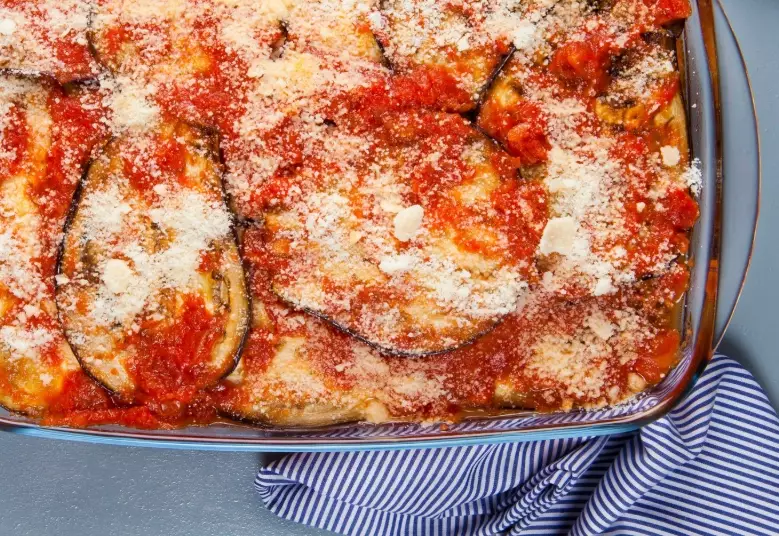
Tomato Sauce: Jarred vs. Homemade
Let's be real. Sometimes you don't have 4 hours to simmer a sauce. A good-quality jarred marinara is a perfectly fine shortcut. Look for one with a short ingredient list (tomatoes, olive oil, onion, garlic, basil). Avoid ones with added sugar or a lot of citric acid.
That said, a simple homemade sauce is easier than you think. Sauté some garlic in olive oil, add a can of good San Marzano tomatoes (crushed by hand), a pinch of salt, and a few basil leaves. Let it bubble for 20-30 minutes. The flavor is brighter, and you control the salt. The Italian National Tourist Board even has resources on regional Italian food traditions that emphasize simplicity.
The Step-by-Step, No-Fail Method
Okay, let's get into the nitty-gritty. This is my tried-and-true process for perfect Eggplant Parmesan every single time.
Step 1: The Eggplant Prep (The Most Important Part)
Slice your globe eggplant into rounds, about 1/2-inch thick. Not too thin, or they'll fall apart. Not too thick, or they won't cook through.
Lay them on a wire rack set over a baking sheet. Sprinkle both sides generously with kosher salt. Not table salt—kosher salt is less harsh. The salt pulls the moisture out through osmosis. Let them sit for at least 45 minutes, ideally 1-2 hours. You'll see beads of brownish liquid form on the surface. That's the bitterness and excess water leaving.
Rinse the slices thoroughly under cold water to remove the salt. This is crucial! Then, pat them incredibly dry with paper towels or a clean kitchen towel. I mean, get them bone-dry. This is your defense against oil absorption.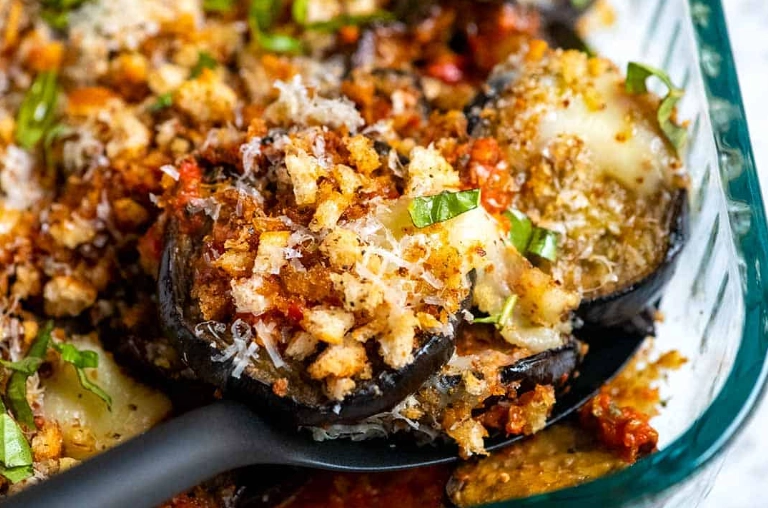
Step 2: Breading and Frying (Or Baking)
Set up your standard breading station: flour, beaten eggs, breadcrumbs. For the breadcrumbs, I like a mix of plain and panko for extra crunch. Always, always mix a hefty amount of grated Parmigiano-Reggiano into your breadcrumbs. It adds flavor and helps with browning.
Dredge each dry eggplant slice: flour (tap off excess), egg, breadcrumb mixture. Press the crumbs on firmly.
The Frying vs. Baking Debate:
- Pan-Frying: Uses about 1/4 inch of a neutral, high-heat oil (like canola or vegetable) in a skillet. Fry in batches over medium heat until golden brown on each side (2-3 mins per side). Drain on a wire rack, not paper towels. Paper towels trap steam and make them soggy. This method gives the absolute best flavor and texture—crisp, rich, and golden. It's the traditional way.
- Baking: Place breaded slices on a wire rack on a baking sheet. Spray or brush lightly with oil. Bake at 425°F (220°C) for 20-25 mins, flipping halfway, until golden. Much lighter, less messy, and hands-off. The texture is slightly less crisp and more "roasted," but still delicious. For a health-conscious version, it's great.
I usually pan-fry when I'm serving guests for that wow factor. I bake when it's a weeknight family meal. Both are valid.
Step 3: The Layering and Baking
This is where you assemble your masterpiece. In a baking dish, spread a thin layer of sauce on the bottom. This prevents sticking and adds flavor from below.
Add a single layer of fried/baked eggplant slices. Overlap them slightly if needed. Spoon more sauce over the slices—don't drown them, just a coating. Then, a generous sprinkle of your shredded low-moisture mozzarella (and provolone if using). If you're using a ricotta mixture, dollop it here.
Repeat: eggplant, sauce, cheese. Usually, you get 2-3 layers. Top the final layer with your torn fresh mozzarella and a final snowstorm of grated Parmigiano-Reggiano.
Bake at 375°F (190°C) for 25-35 minutes, until the cheese is molten and bubbly and the edges are lightly browned.
Here's the secret final step: LET IT REST. Take it out of the oven and let it sit for at least 15-20 minutes before you even think about cutting into it. This allows the layers to set. If you cut it hot, it'll be a soupy landslide on the plate. The wait is torture, but it's mandatory.
Answering Your Eggplant Parmesan Questions
I get asked these all the time. Let's tackle them head-on.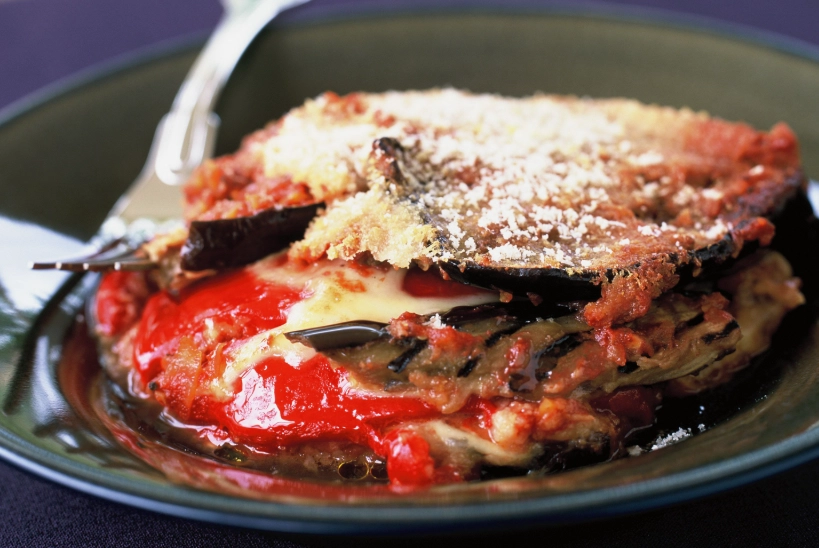
Can I make Eggplant Parmesan ahead of time?
Absolutely, and it might even be better! You have two great options:
- Full Prep & Chill: Assemble the entire unbaked casserole. Cover tightly and refrigerate for up to 24 hours. Let it sit at room temp for 30 minutes before baking. You may need to add 5-10 minutes to the baking time.
- Prep Components: Fry/bake the eggplant slices and let them cool completely. Store them in a single layer in the fridge. Make your sauce. Then assemble and bake fresh when needed. This keeps the eggplant from getting soggy in the sauce.
How do I reheat leftovers without sogginess?
The microwave is the enemy of crispy leftovers. Instead, reheat individual portions in a toaster oven or regular oven at 350°F (175°C) on a small baking sheet until hot through. The oven will re-crisp the edges. For a larger portion, cover with foil for the first half of reheating, then uncover.
Why is my eggplant bitter?
Bitterness comes from compounds in the seeds and skin. Choosing younger, firmer eggplants with fewer seeds helps. But the number one fix is the salting and draining process we covered. It draws out those compounds. If you skip it, you're gambling.
Can I freeze Eggplant Parmesan?
You can, but with caveats. The texture of the eggplant will soften significantly upon thawing and reheating—it becomes more like a tender pasta layer. It will still taste good, but don't expect crispness. Freeze the unbaked assembled casserole for best results. Thaw in the fridge overnight before baking. The USDA's food safety guidelines recommend consuming frozen cooked casseroles within 2-3 months for best quality.
Beyond the Classic: Variations to Try
Once you've mastered the basic Eggplant Parmesan recipe, the world is your oyster.
The Grilled Version: Instead of breading and frying, brush your salted-and-dried eggplant slices with olive oil and grill them over medium-high heat until you get nice char marks. Then layer as usual. This adds a fantastic smoky flavor and is much lighter. It's my go-to summer version.
The "No-Fry" Bake: For the ultimate healthy take, skip the breading altogether. After salting and drying, brush slices with oil, roast them on a sheet pan at 425°F until tender and slightly browned, then layer. The texture is completely different—soft and silky—but incredibly delicious in its own right.
Adding Meat: Purists will scoff, but a layer of seasoned ground beef, Italian sausage, or even thin meatballs between the eggplant layers turns it into a heartier meal. It's not traditional, but it's a crowd-pleaser.
Troubleshooting: What Went Wrong?
- Soggy Bottom/Layers: Eggplant wasn't dry enough before cooking. Sauce was too watery or there was too much of it. Didn't let it rest after baking.
- Oily/Greasy: Eggplant wasn't dry before breading. Oil temperature was too low, so the slices absorbed it instead of frying quickly. Didn't drain on a wire rack.
- Cheese Not Melting Nicely: Pre-shredded cheese often has starches that prevent smooth melting. Use cheese you shred yourself from a block. Also, don't pile it on too thickly in one spot.
- Bland Flavor: Underseasoned. Remember to season every component: the eggplant (with salt during prep), the breadcrumbs (with cheese and herbs), and the sauce. Taste your sauce before assembling!
Making a truly great Eggplant Parmesan is a labor of love. It takes time. There are a few steps you can't shortcut. But when you pull that bubbling, cheesy, aromatic dish out of the oven and let it rest, then serve up a square where each layer holds its own—crisp eggplant, tangy sauce, stretchy cheese—it's worth every minute.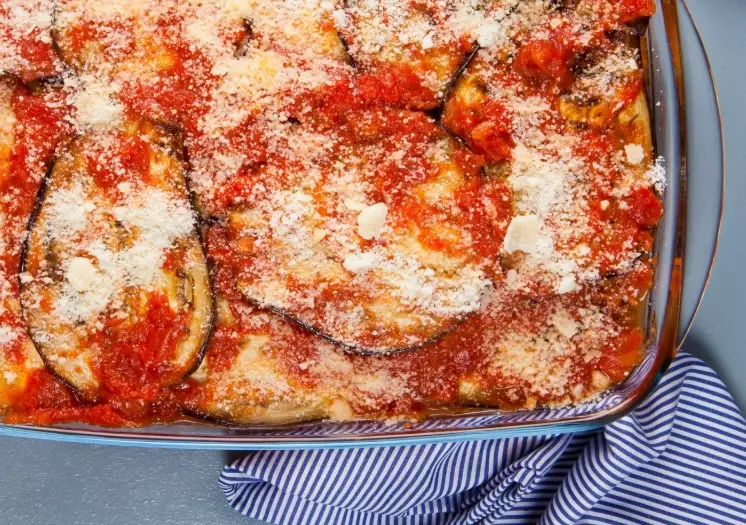
It's comfort food with a bit of technique. And once you get that technique down, it becomes second nature. You'll find yourself eyeballing the salt, knowing exactly when the oil is ready, and layering without even thinking. That's when you know you've mastered it. So go grab some eggplants, and give it a shot. Just don't skip the salting.
Related Articles
Authentic Pasta Carbonara Recipe: The Real Italian Way
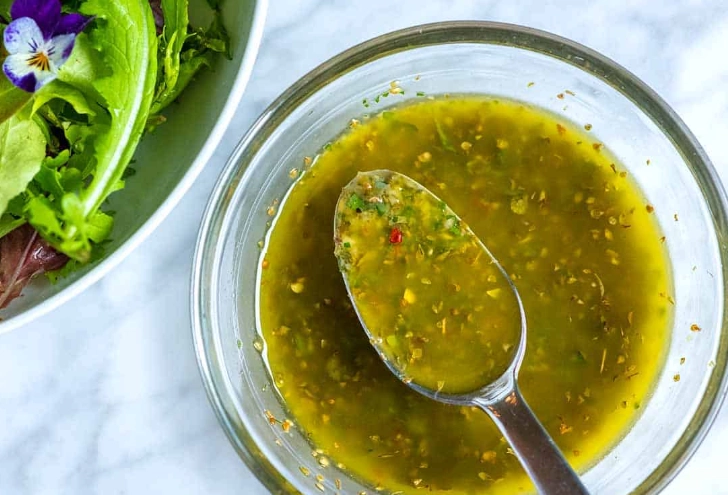
Simple Italian Vinaigrette Recipe: A Foolproof Guide to Perfect Dressings
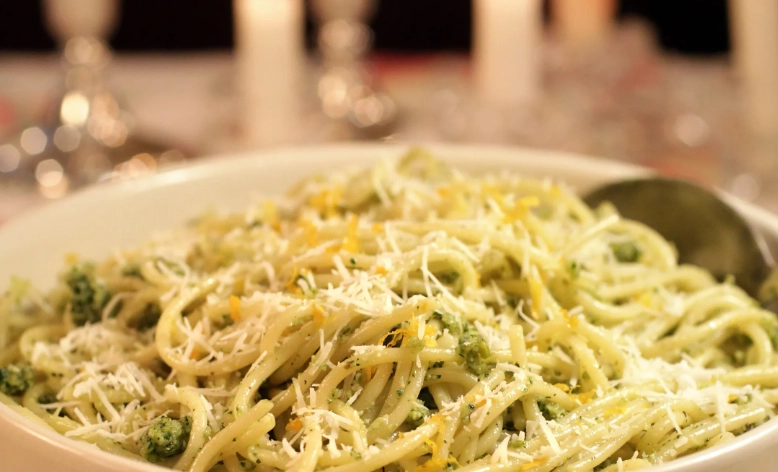
Creamy & Rich Italian Pasta Sauce Recipe Without Tomatoes
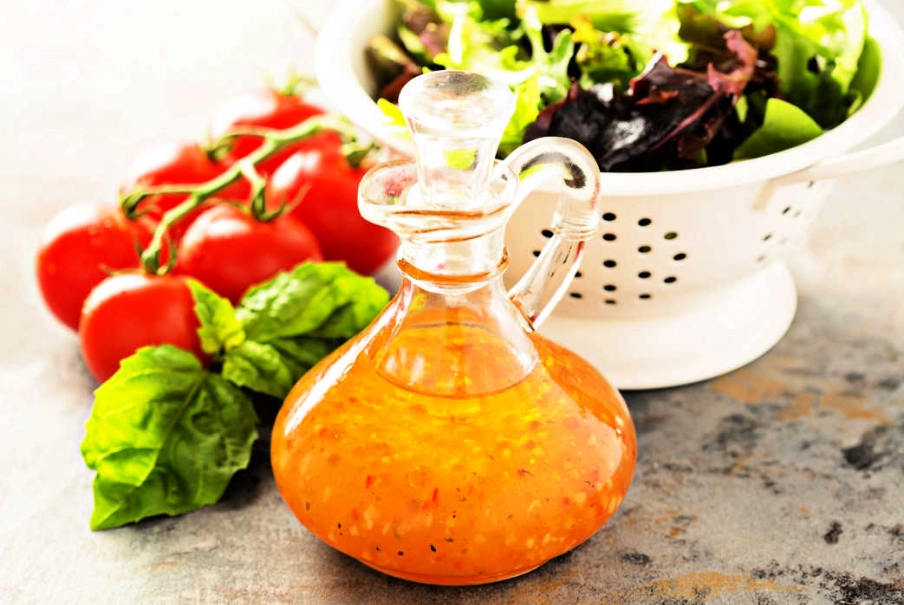
Authentic Italian Salad Dressing Recipe: Easy, Zesty & Homemade
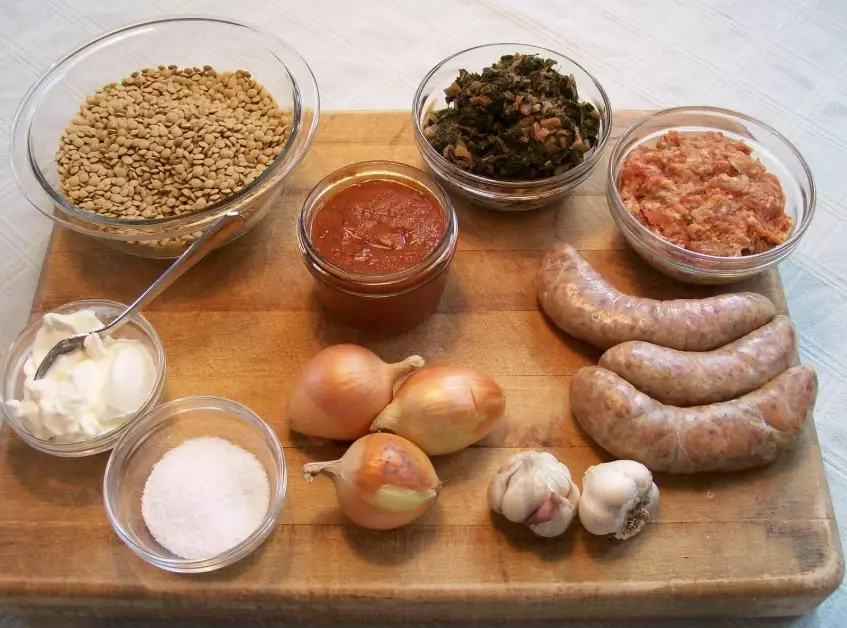
Ultimate Guide to Homemade Italian Sausage Recipe (Sweet & Spicy)