Authentic Basic Italian Pasta Sauce Recipe (Simple & Flavorful)
In This Guide
- What You Actually Need (The Short, Honest List)
- The Step-by-Step: How to Make Basic Italian Pasta Sauce That Works Every Time
- Leveling Up: Variations on the Basic Theme
- Pasta Pairing & Serving: It's Not Just About the Sauce
- Fixing Common Sauce Problems
- Storing and Using Your Homemade Sauce
- Answers to Your Pasta Sauce Questions
Let's be honest. The jarred stuff is fine in a pinch. We've all been there. But once you know how to make basic Italian pasta sauce from scratch, that bright, fresh, deeply savory flavor… it's a game changer. It's not about fancy techniques or a million ingredients. It's about understanding a few core principles that turn simple tomatoes, garlic, and herbs into something magical.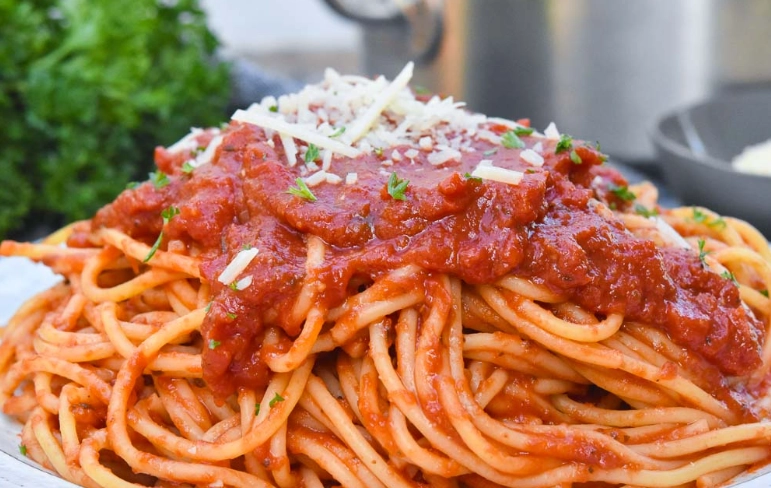
I learned this the hard way. My first attempt was a watery, bland tragedy. I just dumped everything in a pot and hoped for the best. Spoiler: it didn't work. Over years of trial, error, and chatting with Italian friends' grandparents, I pieced together the method that never lets me down. This isn't just a recipe; it's the blueprint.
What You Actually Need (The Short, Honest List)
Great food starts with great ingredients. But "great" doesn't have to mean "expensive" or "impossible to find." Here’s the breakdown of what matters.
The Core Four Ingredients
You can't make a basic Italian pasta sauce without these. They're the foundation.
- Canned Whole Peeled Tomatoes: This is the hill I will die on. Don't use pre-crushed or pureed if you can help it. The best quality tomatoes are often packed whole. You crush them by hand (it's satisfying, I promise) or with a tool, which gives you control over texture. Look for "San Marzano" DOP tomatoes if you can find them—they're grown in the volcanic soil around Naples and have a famously sweet, low-acid, rich flavor. The Italian Ministry of Agricultural, Food and Forestry Policies regulates this DOP label, so it's a real mark of origin and quality. A good domestic brand like Bianco DiNapoli or Muir Glen is also an excellent choice.
- Good Olive Oil: Not the fancy finishing oil you save for salads. Use a decent, robust extra virgin olive oil for cooking. It's your flavor base.
- Fresh Garlic: Please, no powder. One or two fat cloves, sliced thin or gently crushed. We're infusing the oil, not burning bitter bits.
- Fresh Basil: A handful of leaves, stems reserved. Dried basil tastes like hay in comparison for this application. If you must substitute in a pinch, a small pinch of dried oregano is a better bet, but fresh basil is non-negotiable for the classic flavor.
The Supporting Cast (Still Important)
Salt, a pinch of red pepper flakes (optional, but a little heat is wonderful), and maybe half an onion. The onion is debated—some purists say no, but many nonnas say yes for a touch of sweetness. I usually add it.
That's genuinely it. No carrots, no celery, no sugar (if your tomatoes are good), no butter (though that's a delicious variation we'll get to). The goal here is purity and simplicity.
The Step-by-Step: How to Make Basic Italian Pasta Sauce That Works Every Time
This is the heart of it. Follow these steps, don't rush, and you'll see why this method is different.
Step 1: The Foundation (Soffritto)
Pour a generous glug of olive oil (about 3-4 tablespoons) into a wide, heavy-bottomed pot or deep skillet over medium-low heat. Add your thinly sliced onion, if using, and cook it slowly until it's soft and translucent, about 8-10 minutes. No browning.
Now add your garlic and a pinch of red pepper flakes. Cook for just 60-90 seconds until fragrant. You're waking up the flavors, not frying them. If the garlic colors beyond a pale gold, it'll turn bitter.
Step 2: The Tomato Transformation
Open your can of tomatoes. Pour them into a bowl and get your hands in there. Crush them thoroughly. You want a rough, pulpy texture with some chunks. Pour this, along with all the juice from the can, into the pot with your fragrant oil.
Add the reserved basil stems (huge flavor boost), a big pinch of salt, and stir.
Step 3: The Simmer (This is Where Magic Happens)
Bring the sauce to a very gentle bubble. Then, reduce the heat to the lowest setting where you see an occasional bubble break the surface. Partially cover the pot.
Now, walk away. For at least 45 minutes. An hour is better. This long, slow simmer is the absolute key to knowing how to make basic Italian pasta sauce that's rich and deep, not bright and acidic. The water evaporates, the flavors concentrate and meld together. Stir it occasionally to make sure nothing sticks.
Step 4: The Finish
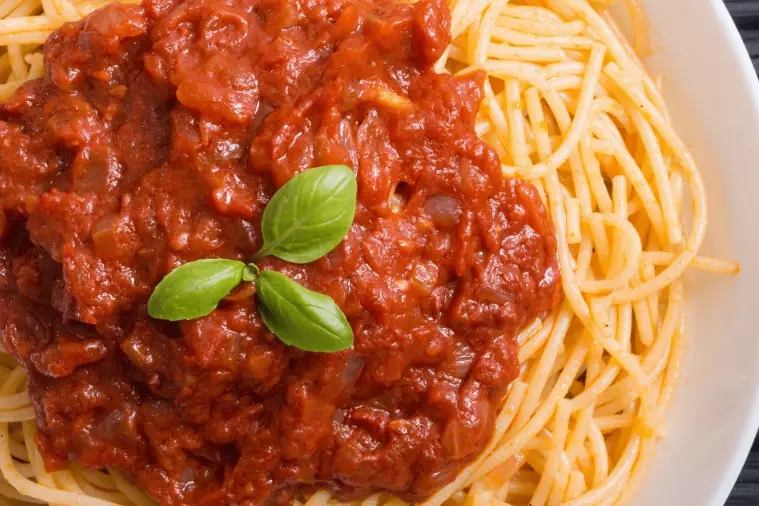
After your simmer, the sauce will have thickened and deepened in color. Fish out the basil stems and any onion pieces if you like a smoother sauce (I leave them in). Tear in your fresh basil leaves and stir. Taste. It will likely need more salt. Add it bit by bit until the flavors pop. That's it.
See? The process for how to make basic Italian pasta sauce is about patience, not complexity.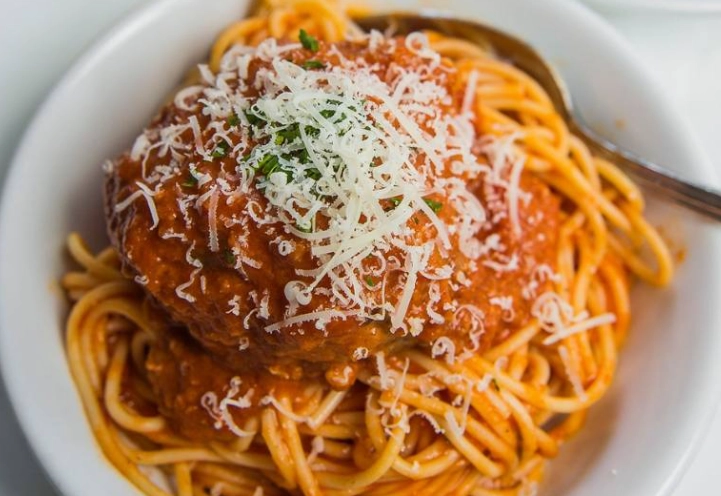
Leveling Up: Variations on the Basic Theme
Once you've mastered the base, the world opens up. Here are a few beloved twists.
| Variation Name | Key Addition/Change | Best With Pasta Like... | Personal Take |
|---|---|---|---|
| Amatriciana | Start by rendering diced guanciale (cured pork cheek) or pancetta. Remove meat, cook onion/garlic in the fat. Omit basil, add crushed red pepper. Finish with Pecorino Romano. | Bucatini, Rigatoni | Rich, salty, spicy. A powerhouse. Guanciale is worth seeking out. |
| Arrabbiata | "Angry" sauce. Heavily increase the red pepper flakes, sautéing them from the start for maximum heat infusion. Often includes a splash of white wine. | Penne, Spaghetti | Simple but fiery. Perfect when you want a kick. |
| Puttanesca | Add chopped anchovy fillets with the garlic (they melt), then capers and pitted olives (both Kalamata and green) with the tomatoes. Omit basil. | Spaghetti, Linguine | Bold, briny, umami-bomb. Don't knock the anchovies till you try it. |
| With Butter & Onion | Marcella Hazan's legendary recipe. Just tomatoes, a halved onion (removed later), butter, and salt. Simmer 45 mins. No garlic, no herbs. | Any long pasta, Gnocchi | Unbelievably silky and sweet. A lesson in minimalism. My go-to for a rich, comforting feel. |
Pasta Pairing & Serving: It's Not Just About the Sauce
You've made a great sauce. Now don't drown your pasta in it. Here's the restaurant trick.
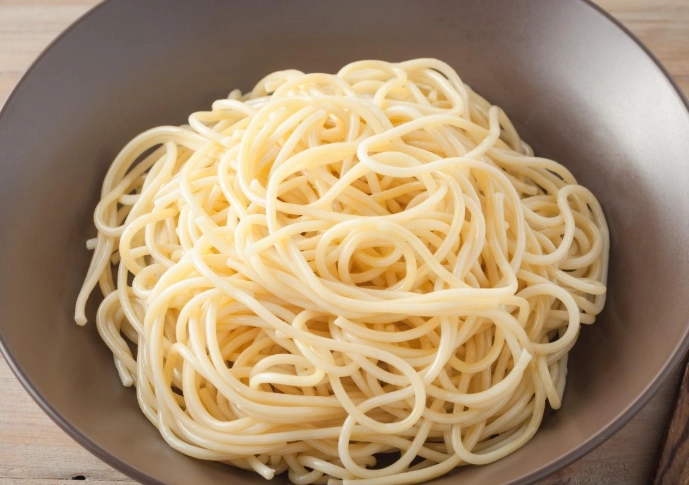
- Cook your pasta in well-salted water (it should taste like the sea) until it's 1-2 minutes shy of al dente according to the package.
- Using tongs or a spider, transfer the pasta directly from the pot into the simmering sauce. This brings a bit of starchy pasta water with it, which is liquid gold.
- Add a splash more pasta water if needed. Over medium heat, toss and stir vigorously for 1-2 minutes. The pasta finishes cooking in the sauce, and the starch emulsifies with the fat and liquid, creating a creamy, cohesive dish where the sauce clings to every strand or piece.
- Finish with a final drizzle of your good olive oil and grated cheese (Pecorino Romano for stronger sauces, Parmigiano-Reggiano for the basic one).
This method, called "finishing the pasta in the sauce," is the difference between pasta *with* sauce and a *pasta dish*.
Fixing Common Sauce Problems
Even with a guide, things can go sideways. Here's how to save it.
- Sauce is too acidic: Did you simmer it long enough? If yes, a tiny pinch of baking soda (literally a pinch) will neutralize acid without adding sweetness. Or, a small grated carrot cooked with the onion at the start next time.
- Sauce is too sweet: Maybe your tomatoes were very sweet. A small splash of red wine vinegar or a squeeze of lemon juice at the end can balance it.
- Sauce is too watery: Keep simmering uncovered to reduce. Or, next time, use a wider pan for faster evaporation.
- Sauce tastes bland: You underseasoned. Salt is not the enemy here; it's the catalyst that makes the tomato flavor sing. Add salt in small increments, tasting after each addition. A splash of the starchy pasta water when serving also seasons it.
Storing and Using Your Homemade Sauce
This sauce freezes beautifully, making it a fantastic meal prep staple.
Let it cool completely, then transfer to airtight containers or freezer bags, leaving some space for expansion. It'll keep for up to 3 months. Thaw overnight in the fridge. Beyond pasta, use it as a pizza sauce, a base for shakshuka, or a braising liquid for meatballs. The Epicurious classic tomato sauce guide has great ideas for using leftovers, though their technique differs slightly.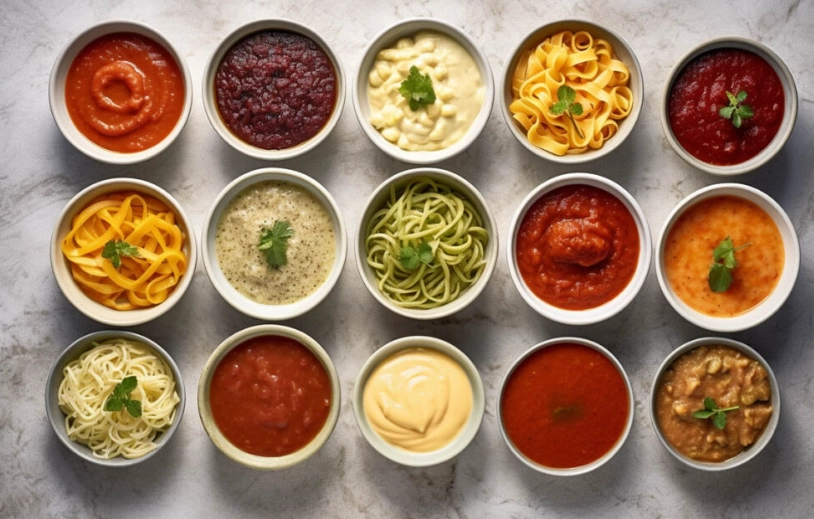
Answers to Your Pasta Sauce Questions
Let's tackle some things you might be wondering.
Do I really need to simmer for 45 minutes?
Yes, if you want that deep, rounded flavor. A 20-minute sauce tastes fresh and bright, which is a different, also valid style. But for the classic, rich, "sugo" profile, the longer simmer is non-negotiable. It changes the chemistry.
Can I use fresh tomatoes?
You can, but it's a different recipe. You need pounds of ripe, in-season Roma or San Marzano tomatoes. You'd blanch, peel, and seed them. In winter, canned are almost always superior to fresh, out-of-season tomatoes. Canned tomatoes are picked and packed at peak ripeness.
What's the difference between marinara and this basic sauce?
Marinara is a quick, sharp sauce—tomatoes, garlic, herbs, maybe onions, cooked for 20-30 minutes max. This basic Italian pasta sauce, often called a "sugo di pomodoro" or "salsa di pomodoro," is about the long, slow simmer for depth. Marinara is a sprint; this is a marathon.
Why do some recipes add sugar?
To counterbalance acidity. If you're using high-quality tomatoes and simmering them properly, you shouldn't need it. The long cooking naturally mellows the acid. I almost never add sugar. If your sauce is still too sharp after a proper simmer, see the fix above (a pinch of baking soda).
Learning how to make basic Italian pasta sauce is a foundational kitchen skill. It teaches you about building flavors, the power of patience, and the beauty of simplicity. It’s cheaper, healthier, and infinitely more satisfying than anything from a shelf. Once you get the feel for it, this recipe stops being a formula and starts being an intuition. You’ll taste the tomatoes and know if they need another ten minutes. You’ll know the exact shimmer of the oil when the garlic is ready.
So grab a can of tomatoes. Take your time. And get ready for the best, most basic pasta of your life.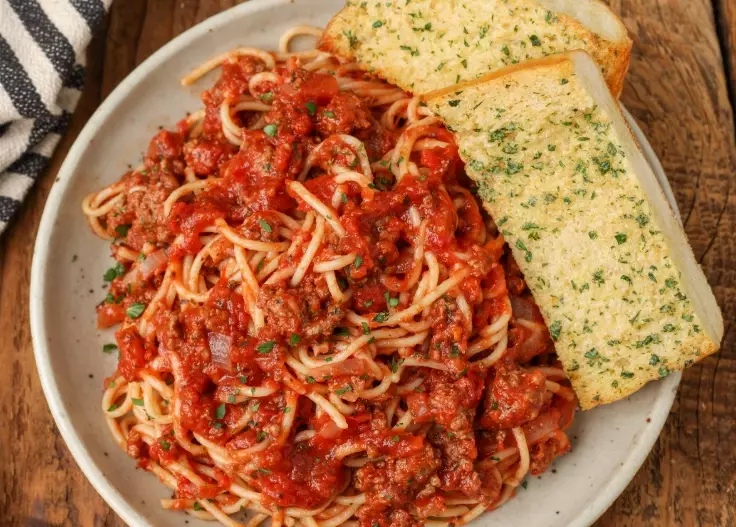
Related Articles

The latest public offering "rat warehouse" exposed: fines of more than 30 millio
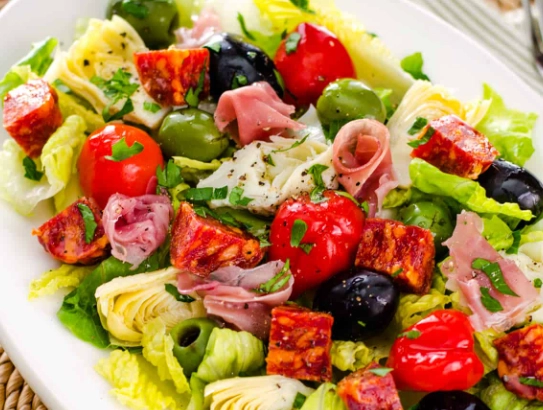
Traditional Italian Salad Names: A Guide to Authentic Recipes & History

Is it worth it for companies to sponsor the Olympics? | Finance looks at the Oly
Simple Pasta Recipes for Busy Weeknights: 3 Classics Made Easy
Italian Seasoning Without Marjoram: A Complete Recipe & Guide