Creamy & Rich Italian Pasta Sauce Recipe Without Tomatoes
Your Quick Guide
- Why Go Tomato-Free? It's Not Just About Allergies
- The Foundation Stones: Understanding Your Sauce Bases
- Your Go-To Italian Pasta Sauce Recipes Without Tomatoes
- The Sauce Selection Guide: What Pasta for Which Sauce?
- Navigating Dietary Needs: Dairy-Free, Vegan & More
- Answering Your Burning Questions (FAQs)
- Taking It Further: Advanced Tips & Flavor Twists
Let's get that out of the way right now. When you think of Italian pasta sauce, a big, red, tomato-based ragù probably pops into your head. I get it. That's what marketing and most Italian-American restaurants have shown us for decades. But here's the thing – that's only one chapter in a massive, delicious book. The true world of Italian pasta sauce recipes without tomatoes is vast, incredibly flavorful, and honestly, a game-changer for anyone with allergies, dietary restrictions, or just plain tomato fatigue.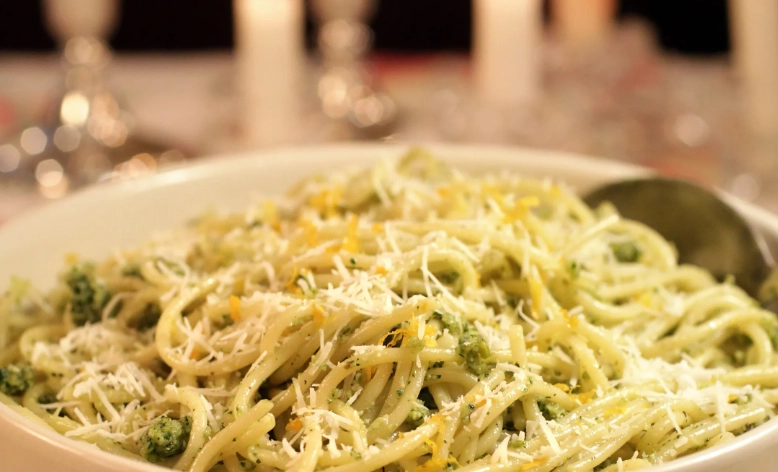
I remember the first time I had a proper Cacio e Pepe in Rome. It was in this tiny, noisy trattoria where the only menu was the waiter telling you what was good that day. No red sauce in sight. Just pasta, cheese, pepper, and a bit of magic. It blew my mind. It was so simple, yet so complex. That's the beauty of these sauces. They rely on technique and quality ingredients, not just a can of tomatoes.
So, why would you want an Italian pasta sauce recipe without tomatoes? Well, maybe you're like my friend Marco, who gets terrible heartburn from tomatoes. Maybe you're on a low-acid diet. Or maybe, you're just bored and want to explore what Italian cuisine is really about beyond marinara. Whatever your reason, you're in the right place. We're going deep into the creamy, cheesy, nutty, and herby universe of non-tomato sauces.
Why Go Tomato-Free? It's Not Just About Allergies
Sure, avoiding nightshades is a major reason people search for an Italian pasta sauce recipe without tomatoes. But it's far from the only one. Think about flavor profiles. Tomato sauces are bright, acidic, and summery. A cream-based or oil-based sauce offers richness, earthy depth, and a comforting quality that's perfect for fall and winter. It's about seasonal eating, which is at the heart of Italian cooking. You won't find a traditional Italian nonna making a heavy pesto in December or a rich truffle sauce in July. Well, you might, but she'd get a side-eye from her friends.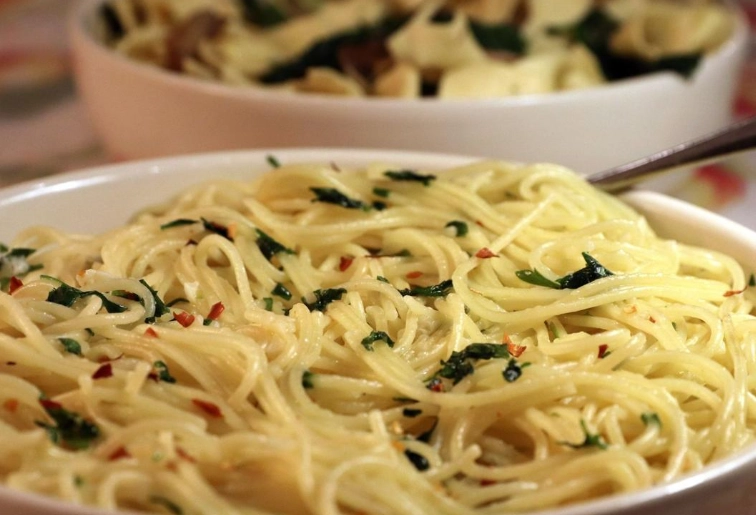
Then there's the versatility. A garlic and oil sauce (Aglio e Olio) is a blank canvas. Want protein? Toss in some shrimp or chicken. Need veggies? Sautéed broccoli rabe or zucchini works wonders. A tomato sauce can sometimes overpower delicate ingredients, but these other bases play nicer.
Let's be honest, sometimes you just don't have tomatoes in the house. Or you want something that feels a bit more... sophisticated? A silky Alfredo feels like a treat, while a simple tomato sauce can feel like a Tuesday. There's no judgment here – we all have those culinary moods.
The Foundation Stones: Understanding Your Sauce Bases
Before we jump to recipes, let's talk building blocks. Every great Italian pasta sauce recipe without tomatoes is built on one of a few key foundations. Knowing these helps you improvise later, which is the true mark of a confident cook.
1. The Butter & Cheese Emulsion
This is the secret behind sauces like Alfredo, Cacio e Pepe, and Carbonara (sans tomato, of course). It's not just about melting cheese. It's about creating a creamy, cohesive sauce where the starchy pasta water, fat (butter or oil), and grated cheese come together into a velvety coating that clings to every strand of pasta. The biggest mistake? Adding the cheese over direct heat, which causes it to seize up into a greasy, clumpy mess. Always take the pan off the heat, let it cool for a minute, then stir in the cheese vigorously. The residual heat is your friend.
2. The Olive Oil Pool
More than just a cooking medium, extra virgin olive oil *is* the sauce in dishes like Aglio e Olio and many pesto variants. The quality here is non-negotiable. You need a good, fruity, peppery EVOO that you'd be happy to drizzle on bread. It carries the flavor of the garlic, chili, herbs, or whatever you infuse it with. It's a sauce of simplicity and quality. Don't burn your garlic – cook it gently until just fragrant and golden, not brown and bitter. A personal fail of mine early on was being too impatient with the heat.
3. The Cream & Reduction Base
Think sauces for mushroom pasta or a luxurious seafood pasta. You start with shallots or garlic in butter, add your main ingredient (sliced mushrooms, shrimp), deglaze with a splash of white wine, then add cream and let it simmer and reduce. The reduction is key – it concentrates flavor and thickens the sauce naturally. You can finish it with parsley, lemon zest, or a touch of nutmeg. It feels fancy but is deceptively straightforward.
4. The Nut & Herb Paste (Pesto Genovese & Beyond)
Pesto isn't just the green stuff in a jar. Traditionally, it's a paste of basil, pine nuts, garlic, Parmigiano-Reggiano, Pecorino, and olive oil, crushed in a mortar and pestle. The friction releases the oils and creates an emulsion. The food processor works in a pinch, but it can heat the basil and make it bitter if you overdo it. Pulse, don't puree. And the concept extends beyond basil – think walnut and sage pesto, or a sun-dried tomato pesto (okay, that has tomato, but it's a different beast).
Your Go-To Italian Pasta Sauce Recipes Without Tomatoes
Alright, enough theory. Let's get cooking. Here are some foundational recipes. Treat them as templates. I'll give you the classic version and then some ideas for twisting it.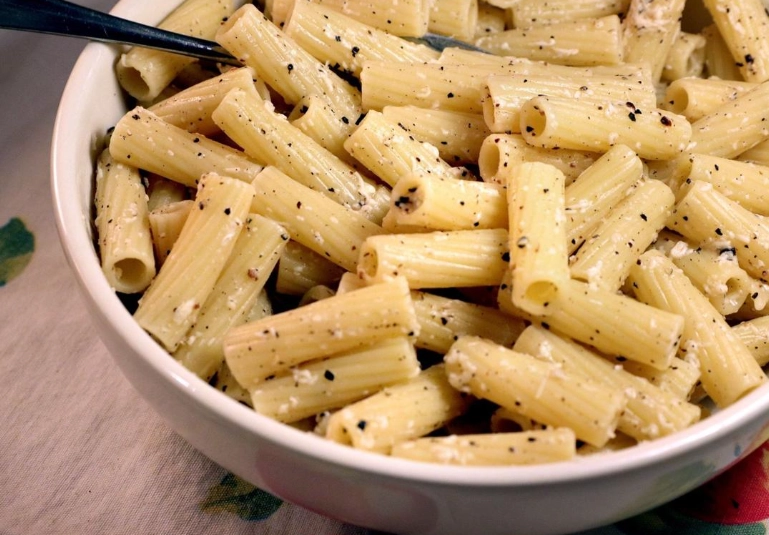
Top Tier: The Classic Spaghetti Aglio, Olio e Peperoncino
This is the ultimate 15-minute pantry pasta. It's the Italian pasta sauce recipe without tomatoes you make when there's "nothing to eat."
What you need: Spaghetti (or linguine), 1/2 cup of good extra virgin olive oil, 4-5 garlic cloves (thinly sliced, not minced – minced burns too fast), 1-2 dried red chili peppers (crushed, or use red pepper flakes), a handful of fresh parsley (chopped), salt, and pasta water.
The simple, crucial method: Cook your pasta in well-salted water. In a large skillet or pan, gently heat the olive oil over medium-low heat. Add the sliced garlic and chili. Swirl the pan. You want the garlic to become lightly golden and fragrant – this takes 2-3 minutes. If it sizzles violently, your heat is too high. Once the pasta is al dente, reserve a full cup of the starchy pasta water. Transfer the pasta directly to the skillet with the oil. Toss, toss, toss. Add splashes of the reserved pasta water – this is what creates a slight emulsion and helps the sauce cling. Keep tossing until it looks glossy. Off the heat, stir in the parsley. That's it. No cheese on this one traditionally, but I won't tell anyone if you add a sprinkle.
The Comfort King: Fettuccine Alfredo (The Roman Way)
Forget the heavy, flour-thickened cream sauces. Real Fettuccine Alfredo is an exercise in minimalist luxury. It's just pasta, butter, and Parmigiano-Reggiano.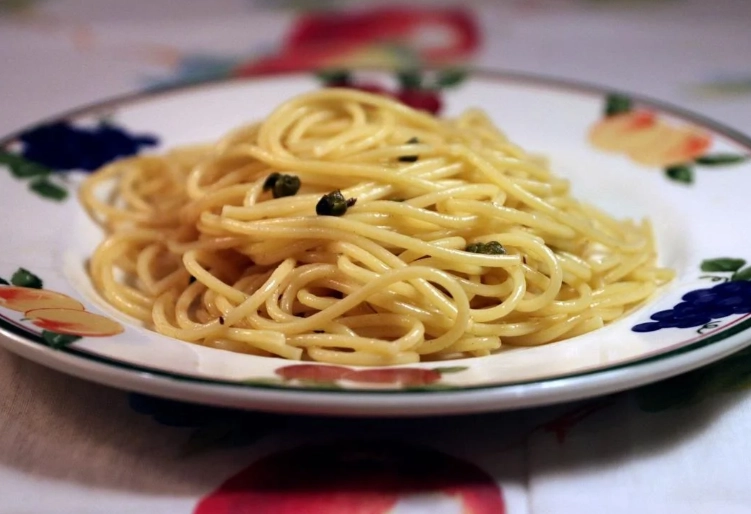
What you need: Fresh fettuccine if possible (dried works too), high-quality unsalted butter (cold, cut into cubes), freshly grated Parmigiano-Reggiano (do not use pre-grated, it has anti-caking agents that ruin the emulsion), fresh nutmeg (just a whisper), salt, and pepper.
The emulsion dance: Cook the fettuccine. Reserve about 1.5 cups of pasta water. Drain the pasta. In the now-empty, still-warm pot, add the hot pasta back in. Throw in the cold butter cubes. Start tossing and stirring vigorously. The butter will melt and coat the pasta. Now, start adding the grated cheese in batches, along with small splashes of the hot pasta water. Keep tossing and stirring until you have a creamy, cohesive sauce that coats every ribbon. The sauce should be loose but clingy. Grate a tiny amount of nutmeg over it, season with black pepper, and serve immediately. It's rich, so serve modest portions.
The Queen of Green: Authentic Pesto Genovese
Making pesto feels like alchemy. You're turning leaves into sauce.
Critical ingredients: Fresh, bright green basil (washed and thoroughly dried), Italian pine nuts (toasted lightly for depth), garlic (one small clove is enough), fine sea salt, Parmigiano-Reggiano and Pecorino Romano (grated), and your best extra virgin olive oil.
Mortar and pestle method (worth the effort): In a large mortar, start with the garlic and a pinch of coarse salt. Pound to a paste. Add the pine nuts and pound to a coarse paste. Now, add basil leaves in batches, pounding and crushing in a circular motion against the sides of the mortar. You're bruising the leaves, not pulverizing them. Once all basil is incorporated and you have a vibrant green paste, mix in the grated cheeses. Slowly drizzle in the olive oil while stirring with the pestle to emulsify.
Food processor shortcut: Pulse garlic, pine nuts, and salt. Add basil and pulse until coarsely chopped. Transfer to a bowl, stir in cheeses, then slowly stir in the oil. Never let the processor run continuously – it heats and bruises the basil, turning it dark.
Toss with hot pasta (trofie or linguine are classic), adding a splash of pasta water to loosen. Never cook pesto – just warm it through with the pasta.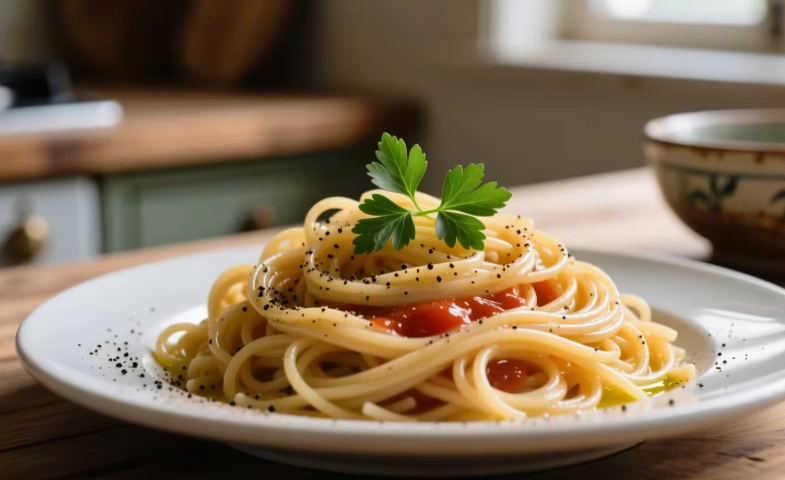
The Sauce Selection Guide: What Pasta for Which Sauce?
This is where many go wrong. The shape of the pasta is designed to hold specific sauces. Putting a chunky meat sauce on spaghetti is fine, but putting a delicate oil-based sauce on rigatoni means you'll miss most of the flavor. Here’s a handy guide to get it right.
| Sauce Type | Key Characteristics | Best Pasta Matches | Why It Works |
|---|---|---|---|
| Creamy/Cheesy Emulsion (Alfredo, Cacio e Pepe) | Smooth, velvety, coating | Long, ribbon-like pasta (Fettuccine, Tagliatelle, Linguine), Tonnarelli | The broad, flat surfaces hold the creamy sauce beautifully. The sauce clings to every inch. |
| Oil-Based & Light (Aglio e Olio, Lemon-Butter) | Thin, fluid, flavor-infused oil | Spaghetti, Linguine, Capellini (Angel Hair) | The oil evenly coats the thin strands. Lighter pasta doesn't overpower the subtle sauce. |
| Chunky & Textured (Mushroom & Cream, Ragù Bianco) | Has pieces of meat, vegetables, etc. | Short, sturdy shapes (Rigatoni, Penne, Fusilli, Pappardelle) | Nooks and crannies trap the chunks. Wider tubes and twists grab hold of the hearty bits. |
| Pesto & Herb Pastes | Grainy, thick, full of herb bits | Trofie, Trenette, Linguine, Gnocchi | Ridges and curves collect the paste. Trofie's twist is literally designed for pesto. |
| Butter & Sage (Burro e Salvia) | Simple, infused butter with leaves | Ravioli, Tortellini, Gnocchi | The delicate butter sauce complements filled pasta without masking their flavor. |
See? It's not random. Matching your pasta shape to your Italian pasta sauce recipe without tomatoes is the final, critical step for restaurant-level results at home. I used to use spaghetti for everything, and while it worked, it wasn't *right*. Switching to fettuccine for Alfredo was a revelation.
Navigating Dietary Needs: Dairy-Free, Vegan & More
A big reason people search for an Italian pasta sauce recipe without tomatoes is to avoid another common allergen: dairy. Good news – you have amazing options.
For Creaminess Without Cream: Soaked and blended raw cashews are a miracle. Soak 1 cup of raw cashews in hot water for an hour, drain, then blend with 3/4 cup of fresh water, a garlic clove, a squeeze of lemon, and salt until completely smooth. Heat gently in a pan and use it like cream. It's shockingly good and rich. You can make a vegan "Alfredo" with this base and nutritional yeast.
For Cheese Flavor Without Cheese: Nutritional yeast is the obvious choice, but for a more complex flavor, try a mix of blanched almonds (ground), white miso paste, and a touch of garlic powder. It won't melt like cheese, but it adds a savory, umami depth to sauces.
The Ultimate Dairy-Free Base: High-quality olive oil is naturally dairy-free. Aglio e Olio, Pesto (just omit the cheese, it's still fantastic), and a simple garlic, lemon, and olive oil sauce are all inherently vegan and incredibly flavorful. Don't underestimate them.
Answering Your Burning Questions (FAQs)
Taking It Further: Advanced Tips & Flavor Twists
Once you've mastered the basics, play around. Here are some ideas to elevate your Italian pasta sauce recipe without tomatoes.
- Infuse Your Oil: Before making Aglio e Olio, gently warm the olive oil with a sprig of rosemary, a few sage leaves, or lemon zest for 10 minutes on very low heat. Strain and use that flavored oil as your base. Game changer.
- Brown Butter is Magic: Instead of plain melted butter for a sauce, cook unsalted butter in a pan over medium heat until the milk solids turn a nutty brown color and it smells toasty. Immediately pour it over cooked pasta with sage leaves (they'll crisp up) and Parmesan. It's called Burro e Salvia and it's stupidly good.
- Citrus Zest: A microplane of lemon or orange zest added at the very end of a creamy or oily sauce brightens everything up and cuts through richness.
- Toasted Breadcrumbs (Pan Grattato): Don't just use cheese as a topping. Toast panko or fresh breadcrumbs in olive oil with a little garlic until golden and crispy. Sprinkle over pasta for an incredible crunchy texture contrast. It's a traditional poor man's cheese substitute and it's genius.
One last thing. The single best resource for understanding the principles behind authentic Italian cooking is the Accademia Italiana della Cucina. They are the official custodians of traditional Italian recipes. While they don't publish every recipe online, their methodology emphasizes regionality and ingredient quality, which is the true north for any sauce you make. For sourcing and understanding olive oil, the website of the Italian Ministry of Agricultural, Food and Forestry Policies has excellent, verified information on classifications like DOP and IGP, which guarantee origin and quality.
So there you have it. A world beyond red sauce. It's a world of subtlety, technique, and deep, comforting flavors. The next time you think pasta, remember that an amazing Italian pasta sauce recipe without tomatoes is just a few ingredients away. It might just become your new favorite way to eat.
Now go put a pot of water on to boil. You know what to do.
Related Articles

Pinduoduo invested 10 billion to support new quality merchants, and continued to

What is the Traditional Drink of Italy? The Definitive Guide
Real Italian Salad Recipes: Authentic Classics & Modern Twists
Italy's Most Traditional Dish: The Definitive Guide to Authentic Cuisine
Creative Pizzelle Recipe Variations: From Classic Anise to Chocolate & More