Italian Vinaigrette vs Italian Dressing: The Real Difference Explained
What You'll Learn
Let's be honest, the grocery store aisle can be a confusing place. You're staring at bottles, all promising "Italian" flavor, and you just grab one, hoping for the best. I've done it too. Maybe you've even followed a recipe that called for Italian vinaigrette, only to find your bottle of Italian dressing at home, and wondered if it's the same thing. Spoiler alert: it's not, and using the wrong one can really throw off a dish.
So, what's the difference between Italian vinaigrette and Italian dressing? It's one of those culinary questions that seems simple but has layers. It's not just about marketing. The difference lies in their ingredients, their texture, how they're used, and even their history. Getting it right means the difference between a salad that sings and one that just... sits there.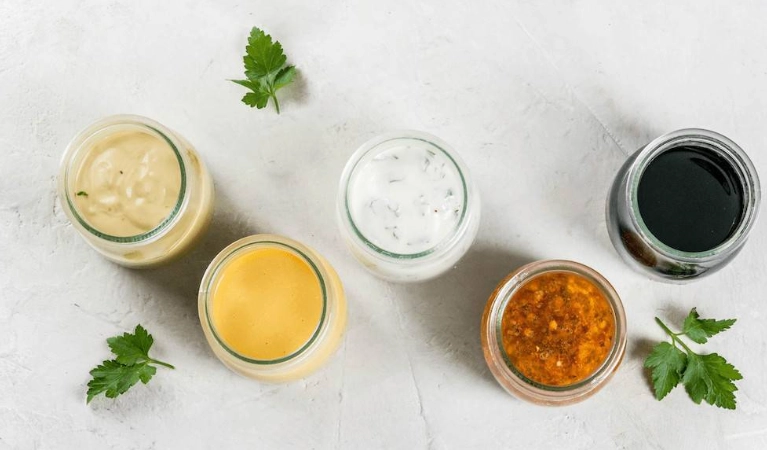
The Core of the Confusion: A Side-by-Side Breakdown
Before we dive into the weeds, let's look at the big picture. The main difference between Italian vinaigrette and Italian dressing boils down to a few key areas. I find a table helps to see it all at once.
| Feature | Italian Vinaigrette | Italian Dressing |
|---|---|---|
| Primary Base | Oil + Vinegar (an emulsion) | Oil + Vinegar + Water/Other Liquids |
| Texture & Consistency | Thinner, more fluid, separates easily | Thicker, creamier, often emulsified with stabilizers |
| Key Flavor Profile | Sharp, acidic, herb-forward (oregano, basil) | Tangy, sweet, savory, with pronounced garlic & onion |
| Sweetness | Little to none (maybe a pinch of sugar) | Noticeably sweet (sugar, corn syrup common) |
| Common Additives | Dried or fresh herbs, garlic, Dijon mustard | Garlic powder, onion powder, sugar, MSG, xanthan gum |
| Typical Use | Simple green salads, marinades for proteins | Heartier salads (pasta, antipasto), dipping sauce |
| Homemade vs. Store-Bought | Very easy and common to make at home | Often associated with commercial bottled brands |
See? They're cousins, not twins. That texture difference is huge. A vinaigrette will always want to separate back into oil and vinegar—that's its nature. A dressing fights that separation, which is why bottled versions have gums and stabilizers.
Diving Deep: The Italian Vinaigrette
Let's start with the classic. Italian vinaigrette is the purist's choice. It's based on a fundamental French technique that Italy adopted and made its own. At its heart, it's a simple emulsion.
The Traditional Formula
Every Italian nonna might have her own ratio, but the classic foundation is a 3:1 ratio of oil to acid.
- Oil: Extra virgin olive oil is non-negotiable for authenticity. Its fruity, peppery notes are the soul of the dressing. You can learn more about olive oil grades from the U.S. Department of Agriculture or the International Olive Council.
- Acid: Red wine vinegar is the traditional choice, prized for its robust flavor. White wine vinegar or even a squeeze of fresh lemon juice are also authentic variations.
- Emulsifier: A tiny bit of Dijon mustard or finely minced garlic helps bind the oil and vinegar temporarily. It's not for creaminess, but for a stable, brief union.
- Seasonings: Dried oregano, dried basil, salt, and freshly cracked black pepper. Sometimes a pinch of crushed red pepper flakes for heat. Fresh herbs are fantastic when you have them, but dried are more traditional in the base recipe.
What It Tastes Like and Where to Use It
The flavor is bright, sharp, and herbaceous. The olive oil really shines through. It's not heavy or cloying. Because of its clean profile, it's incredibly versatile.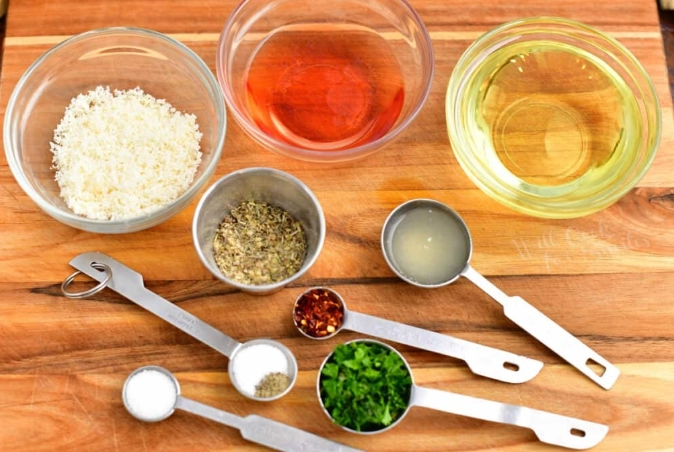
I use it on simple mixed greens, a classic tomato and mozzarella Caprese salad (perfection), or drizzled over roasted vegetables. It's also a brilliant, quick marinade for chicken, fish, or vegetables before grilling. The acid tenderizes while the herbs flavor.
Honestly, the store-bought versions labeled "vinaigrette" often disappoint me. They tend to add sugar and thickeners, drifting into dressing territory. Making it at home takes 3 minutes and tastes infinitely better. That's a hill I'm willing to die on.
Demystifying Italian Dressing
Now, Italian dressing is a different beast. This is what most Americans think of when they hear the term. It's heavily influenced by the mass-produced bottled versions that became pantry staples in the mid-20th century.
The Bottled Reality and The Homemade Ideal
Commercial Italian dressing is a formula designed for shelf stability, consistent texture, and a crowd-pleasing flavor profile. Check the label of a popular brand, and you'll often see:
- Water or soybean oil as a primary ingredient (diluting the olive oil).
- High fructose corn syrup or sugar listed prominently.
- Garlic powder and onion powder instead of fresh.
- Stabilizers like xanthan gum, guar gum, and calcium disodium EDTA (a preservative).
This creates that creamy, pourable, non-separating texture we associate with it. The flavor is tangy, sweet, garlicky, and savory all at once. It's more of a "punch" of flavor compared to the vinaigrette's "accent."
A good homemade Italian dressing recipe aims for that iconic flavor without the additives. It might include:
- A blend of oils (some olive, some neutral) for cost and texture.
- Red wine vinegar and sometimes a bit of lemon juice.
- A sweet element like a teaspoon of sugar or honey—this is key to the signature taste.
- Fresh minced garlic and onion (or their powdered forms for convenience and smoother texture).
- A wider array of dried herbs: oregano, basil, parsley, sometimes thyme.
- An emulsifier like mayonnaise or a blended parmesan cheese to create creaminess naturally.
Where This Dressing Shines
Because it's bolder and creamier, Italian dressing has its own perfect uses. It stands up to robust ingredients.
It's the classic dressing for a hearty Italian pasta salad or a chunky antipasto salad with olives, meats, and cheeses. It makes a great marinade for tougher cuts of meat or vegetables for grilling, as the sweetness promotes caramelization. And let's not forget its role as a dipping sauce for breadsticks or even pizza crust.
So, when you're asking what's the difference between Italian vinaigrette and Italian dressing?, think about the salad in front of you. A delicate arugula salad? Vinaigrette. A big, bold pasta salad with salami and mozzarella pearls? Probably the dressing.
Choosing the Right One: A Practical Guide
This isn't just academic. Picking the wrong one can ruin your meal's balance. Here’s my down-to-earth guide.
When to Reach for Italian Vinaigrette
- For Simple Green Salads: Butter lettuce, spring mix, arugula. You want the dressing to complement, not overwhelm.
- For Showcasing Quality Ingredients: Heirloom tomatoes, fresh buffalo mozzarella, grilled peaches. The vinaigrette enhances their natural flavor.
- As a Finishing Sauce: Drizzle over grilled fish, chicken, or steamed asparagus right before serving.
- When You Want a Lighter, Healthier Option: Typically fewer calories and less sugar than its creamy counterpart.
- For a Marinade with Penetrating Power: The lack of thickeners lets the flavors seep into meat and veggies more effectively.
When Italian Dressing is the Better Call
- For Dense, Ingredient-Heavy Salads: Pasta salad, potato salad, antipasto, three-bean salad. It coats and clings better.
- When You Crave That Specific Tangy-Sweet Flavor: Sometimes you just want the nostalgic, bold taste of the bottled stuff. No shame in that.
- As a Dipping Sauce: Its thicker consistency is perfect for dipping raw veggies, bread, or even as a sandwich spread.
- For a Glaze or Marinade on the Grill: The sugar content helps create a beautiful, caramelized crust on chicken or vegetables.
Your Questions, Answered (The FAQ)
I get a lot of questions about this topic from friends and family. Here are the ones that pop up most often.
For Dressing: The classic brands like Wish-Bone or Newman's Own define the category. For a cleaner option, look in the refrigerated section for dressings made with fresher ingredients and fewer preservatives.
Final Verdict: It's All About Purpose
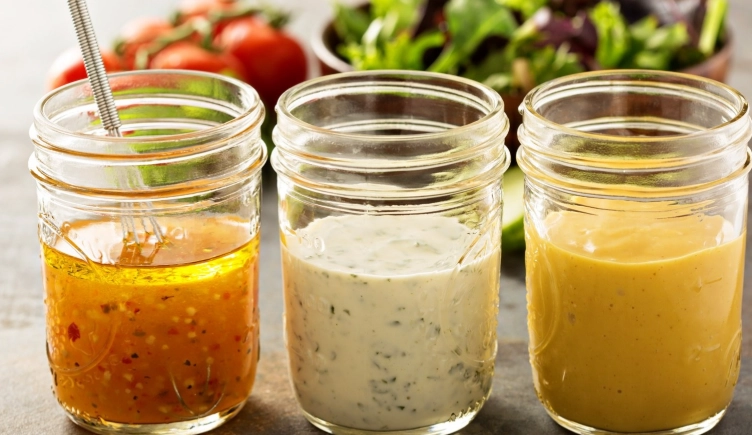
So, after all this, what's the difference between Italian vinaigrette and Italian dressing? It's the difference between a sharp, herbaceous accent and a tangy, sweet statement. Between a simple emulsion and a stabilized sauce. Between a classic technique and a modern adaptation.
Neither is inherently "better." They're tools for different jobs. I always have the ingredients for a quick vinaigrette in my pantry (good olive oil is a staple). And I'll admit, I keep a bottle of that classic Italian dressing in the fridge for when I'm making a big batch of pasta salad for a BBQ—it's just what people expect, and sometimes nostalgia is a key ingredient.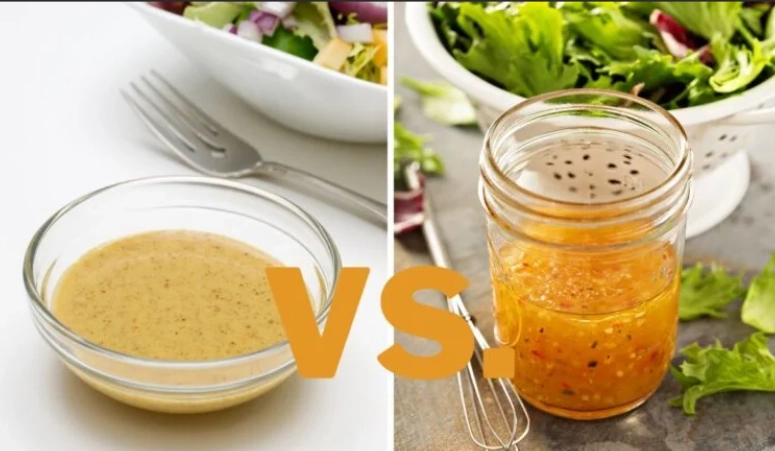
The real win is understanding the difference. Now, when a recipe calls for one, you'll know exactly what to reach for, or how to whip up a better version yourself. You'll no longer stare blankly at the grocery shelf. You'll be in control of your salads, your marinades, and your flavors. And that's a delicious place to be.
Related Articles

Industry Observation|Running at a new speed of trade finance, Bohai Bank's "Boyi

Authentic Italian Porchetta Recipe: Crispy, Juicy Roast Pork
Simple Italian Baked Dishes: Easy Recipes for Lasagna, Eggplant & Focaccia
Italian Chopped Salad Recipe: The Ultimate Guide to a Perfect Antipasto
Italian Seasoning in Minestrone Soup: The Authentic Herb Blend Explained