Simple Italian Vinaigrette Recipe: A Foolproof Guide to Perfect Dressings
Let's be honest. Most of us have been there. You're staring at a bowl of beautiful, crisp greens, and you drown them in something from a bottle that tastes... well, industrial. Sharp, too sweet, or just plain boring. It's a salad tragedy, really. For years, I bought those bottles too, convinced that making dressing was some culinary magic I couldn't master. Then I spent a summer in Italy, and let me tell you, the simplicity was a revelation. There was no magic, just good ingredients and a basic formula. Coming home, my mission was clear: crack the code of that perfect, simple Italian vinaigrette recipe. And guess what? It's embarrassingly easy. This isn't just a recipe; it's your ticket to never buying mediocre dressing again.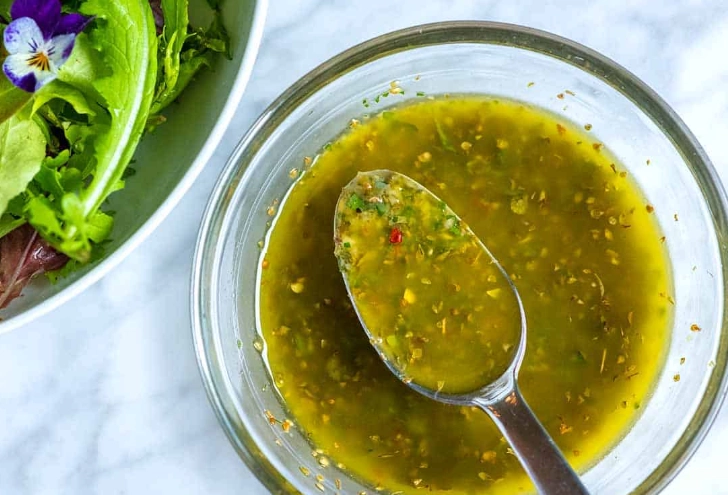
What You'll Find Here
The Core Truth: A classic Italian vinaigrette isn't a list of 15 ingredients. It's a principle. It's about balance and quality. Get that right, and you've won half the battle.
The Unbeatable Foundation: The 3:1 Ratio (And Why It's Not a Law)
Every conversation about a simple Italian vinaigrette recipe starts here: three parts oil to one part acid. It's the golden rule. You'll see it everywhere. Three tablespoons of extra virgin olive oil to one tablespoon of red wine vinegar or lemon juice. This ratio gives you that lush, emulsified texture that coats greens without being greasy or overly punchy.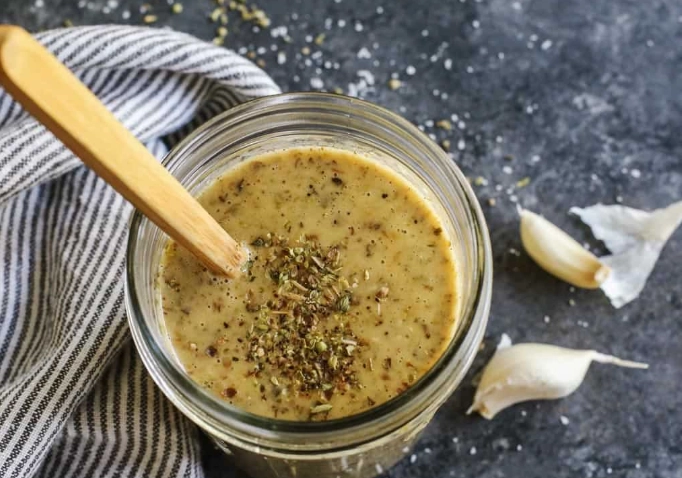
But here's my personal take: treat it as a starting point, not a commandment. I find a strict 3:1 can sometimes be a bit too oily for my taste, especially with a milder oil. I often drift towards a 2.5:1 ratio. The point is to taste as you go. Love more tang? Nudge the acid up. Prefer it mellow? Lean on the oil. The recipe is forgiving.
The Non-Negotiable Ingredients
You can't build a great house with cheap bricks. Same goes for dressing. Here's what you absolutely need:
- Extra Virgin Olive Oil: This is the soul of the dressing. Don't use "light" olive oil or vegetable oil. You want a fruity, peppery extra virgin. It makes all the difference. I learned this the hard way—using a bland oil once resulted in a dressing that had no character, no Italian spirit whatsoever.
- The Acid: Red wine vinegar is the classic, all-purpose choice. Fresh lemon juice brings incredible brightness. White wine vinegar is more delicate. Balsamic is a different beast (richer, sweeter) and isn't traditional for a *classic* vinaigrette, but we'll talk variations later.
- Mustard (The Secret Weapon): Just a teaspoon of Dijon mustard. This isn't for heat. It's an emulsifier—it helps the oil and vinegar bind together into a creamy, unified dressing instead of separating immediately. It also adds a subtle depth. No mustard? Your dressing will separate faster, that's all.
- Garlic: One small clove, finely minced or grated. It should whisper, not shout.
- Salt & Pepper: Sea salt or kosher salt. Freshly cracked black pepper. These are your primary seasonings to wake everything up.
"The best olive oil for dressing is one you'd enjoy dipping bread into. If it tastes good on its own, it'll be glorious in your simple Italian vinaigrette recipe."
The Foolproof Method: Shake, Don't Whisk
You've got your ingredients. Now, how do you marry them? I'm a firm believer in the jar method. It's less cleanup, and it works perfectly.
- Combine the Acid & Flavor Base: Into a small jar with a tight lid, add your vinegar or lemon juice. Add the minced garlic, Dijon mustard, a big pinch of salt, and a few cracks of pepper. Screw the lid on and give it a good shake. Let it sit for a minute—this helps the salt dissolve and mellows the raw garlic bite slightly.
- Add the Oil: Pour in your measured extra virgin olive oil.
- The Grand Shake: Screw the lid back on tightly. Now shake it like you mean it! Shake for a good 20-30 seconds until the mixture looks creamy, opaque, and beautifully combined. You'll see it transform.
- Taste & Adjust: This is the most critical step. Dip a lettuce leaf or your finger in. Need more salt? More pepper? More tang? Adjust now. Remember, it should taste a little stronger than you think, as it will mellow once tossed with the salad.
Why does this method beat whisking? It's faster, emulsifies just as well (thanks to the vigorous shaking), and your storage jar is your mixing bowl. Less fuss.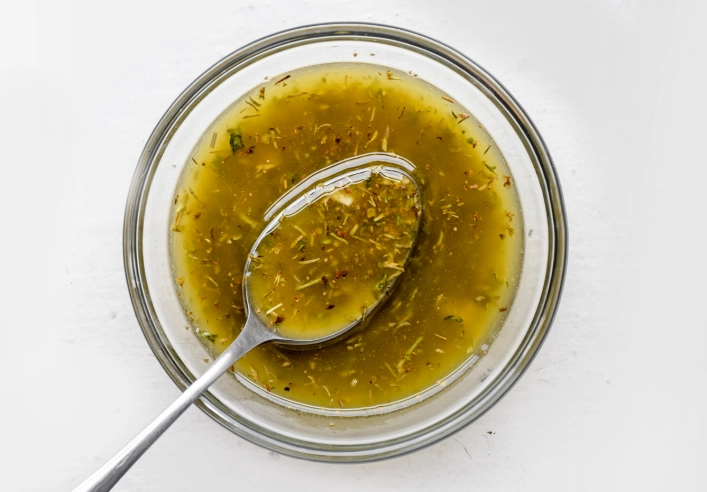
Customizing Your Masterpiece: Go Beyond Basic
The basic recipe is a blank canvas. Once you're comfortable, play around. Here are some crowd-pleasing variations that still honor the spirit of a simple Italian vinaigrette recipe.
| Variation Name | Key Addition/Substitution | Best Paired With |
|---|---|---|
| Lemon-Herb | Use fresh lemon juice. Add 1 tbsp each of finely chopped fresh parsley, chives, and basil. | Simple green salads, grilled chicken salads, pasta salads. |
| Sun-Dried Tomato & Oregano | Blend in 2 chopped sun-dried tomatoes (oil-packed) and 1 tsp dried oregano. | Antipasto platters, roasted vegetable salads, grain bowls. |
| Shallot & White Wine | Substitute red wine vinegar for white wine vinegar. Use 1 tbsp finely minced shallot instead of garlic. | Delicate greens like butter lettuce, seafood salads. |
| Honey-Mustard Twist | Add 1/2 tsp of honey or maple syrup to the initial acid mix. Use whole-grain mustard for texture. | Salads with bitter greens (radicchio, endive) or fruit (apples, pears). |
See? The core principle remains. Oil, acid, seasoning. The flavors just dance around it.
The Tool Kit: What You Actually Need (Hint: Not Much)
You don't need a chef's kitchen. Here's the real list:
- A glass jar with a lid (a recycled jam jar is perfect).
- Measuring spoons (for the first few times, then eyeball it).
- A microplane or fine grater for the garlic (gets it super fine so no one bites a chunk).
- A small whisk or fork can work if you're mixing directly in the salad bowl, but the jar is king.
Answering Your Vinaigrette Dilemmas
I get questions about this all the time. Let's tackle the big ones.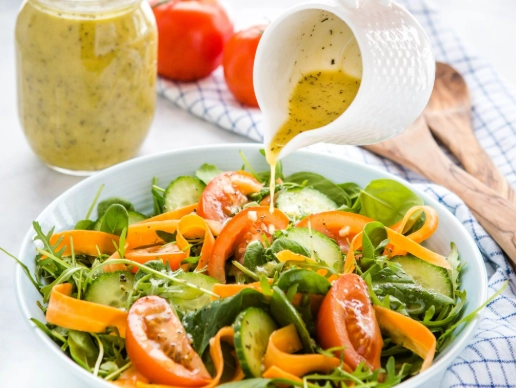
In the fridge, in your sealed jar, it'll keep beautifully for about 1 to 2 weeks. The oil may solidify a bit when cold—just let the jar sit at room temperature for 10 minutes and give it a vigorous shake. The garlic flavor will intensify over time, which I personally love, but it's something to be aware of.
Not at all. It's natural for emulsions to separate when sitting. Just give the jar another good shake before using. If it's separating *immediately*, you might need a bit more mustard or a more vigorous shake. It's not a beauty contest; it's a flavor contest.
You can, but it creates a different profile—sweeter, richer, thicker. A true simple Italian vinaigrette recipe typically uses wine vinegar or lemon. For a balsamic vinaigrette, I'd start with a 2:1 oil-to-balsamic ratio and add a tiny bit of honey to balance the sharpness. It's a cousin, not a twin.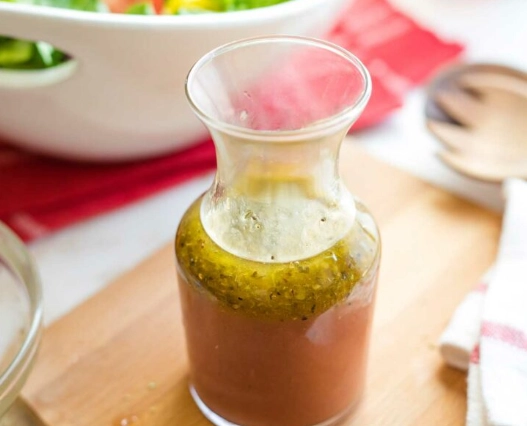
This hurts my Italian-leaning heart a little, but I understand. A neutral, high-quality avocado oil is a great alternative. It has a mild flavor and healthy fats. Don't use canola or generic "vegetable" oil—they often leave a weird aftertaste, in my opinion.
Common Pitfall: Using pre-minced garlic from a jar. It often has a preservative liquid that can throw off the flavor and make the dressing taste slightly metallic or bitter. Fresh is best here, trust me.
From My Kitchen to Yours: The Salad Pairing Guide
A great dressing deserves a great salad. Here's how I match them.
The Classic House Salad: Romaine, cherry tomatoes, thinly sliced red onion, a few olives. The basic vinaigrette is perfect here. No fuss, all flavor.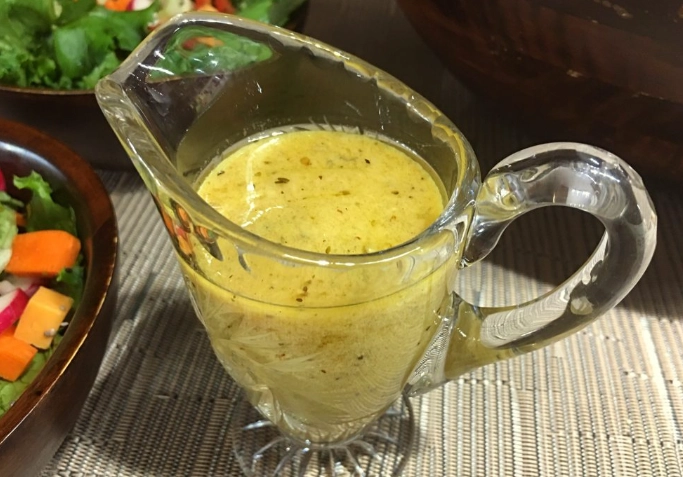
The "I Need Dinner" Salad: Hearty greens like kale or escarole, white beans, tuna, boiled potatoes. The lemon-herb or sun-dried tomato vinaigrette stands up to the robust ingredients.
The Fancy Side Salad: Butter lettuce, sliced strawberries, and goat cheese. The shallot & white wine vinaigrette is elegant and doesn't overpower the fruit.
The beauty of mastering this one simple Italian vinaigrette recipe is that you stop thinking of dressing as an afterthought. It becomes the reason you make a salad. It's fresh, it's controllable (you know exactly what's in it), and it makes vegetables something you genuinely crave.
I remember the first time I made it right. The sharp, clean taste of the vinegar, the fruity richness of the oil, the background hum of garlic... it was a world away from the gluggy, sweet stuff in the bottle. It felt like a small act of kitchen rebellion. A delicious one.
So grab a jar. Grab that good olive oil. Give it a shake. Your salads will never be the same. And honestly, neither will your sandwiches, grilled vegetables, or even that piece of simple grilled fish. Once this recipe is in your arsenal, you'll find a million uses for it. That's the real magic.
Related Articles

The fourth wave of internationalization of global auto companies, how can China
Easy Italian Pizzelle Recipe: Simple & Authentic
Zesty Italian Dressing Recipe: Easy Homemade Guide
The Ultimate Homemade Italian Dressing Recipe (Easy & Authentic)

Perfect Pairings: What to Serve with Italian Sausage for Dinner