Ultimate Traditional Italian Vinaigrette Recipe & Secrets
Let's be honest. Most of the stuff sold as "Italian dressing" in stores? It's a far cry from what you'd actually find in Italy. It's often too sweet, too thick, loaded with preservatives and weird gums. I remember being so disappointed on my first trip to Italy when I asked for the house dressing and got something utterly simple, yet breathtakingly good. It was just oil, vinegar, salt, and maybe a whisper of garlic. That was the lightbulb moment.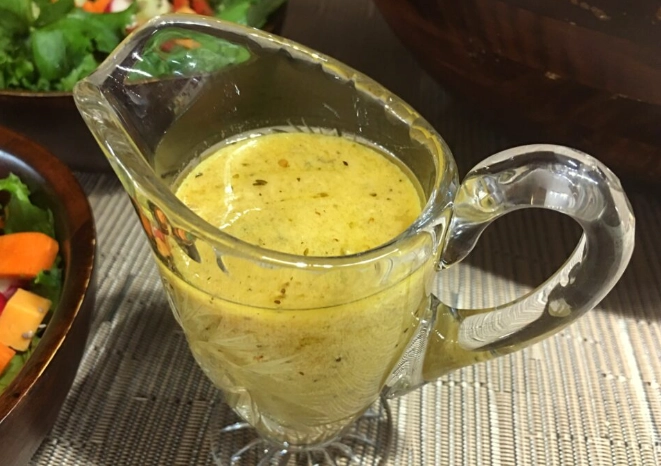
A true traditional Italian vinaigrette recipe isn't a complicated secret guarded by nonnas in hidden villages. It's a principle. It's about respecting a few superb ingredients and understanding how they work together. It's the backbone of countless salads, a marinade for vegetables, and a finishing splash for grilled meats. Getting it right means you'll never look at a bottle of store-bought dressing again.
This isn't about rigid rules. It's about the feel. I'll walk you through the core philosophy, the non-negotiable ingredients, the little tricks that make all the difference, and of course, a foolproof traditional Italian vinaigrette recipe you can adapt forever.
Why This Is The Ultimate Traditional Italian Vinaigrette Recipe
Quick Guide
- Why This Is The Ultimate Traditional Italian Vinaigrette Recipe
- The Ingredients: Choosing Your Weapons Wisely
- The Master Recipe & The Sacred 3:1 Ratio
- Answering Your Vinaigrette Quandaries (FAQ)
- Beyond the Basic: Classic Regional Twists
- What to Dress: The Perfect Salad Marriage
- The Final, Non-Negotiable Step
You might be wondering what makes this specific formula the "ultimate." It's not because I invented it—far from it. This is a compilation of the common threads found in recipes from regions across Italy, from the sun-drenched south to the alpine north. The goal is balance, not domination. No single ingredient should shout over the others.
The Core Philosophy: In Italian cooking, especially with something as fundamental as a condiment, the quality of the input dictates the quality of the output. You can't hide poor olive oil behind a barrage of dried herbs. This dressing is a test of your ingredients.
Many online recipes go overboard. Too many dried herbs, mustard (that's more French, honestly), sugar, or lemon juice. While variations exist, the classic, ubiquitous traditional Italian vinaigrette recipe you'd be served in a trattoria relies on a holy trinity: exquisite oil, characterful vinegar, and good salt. Everything else is a subtle accent.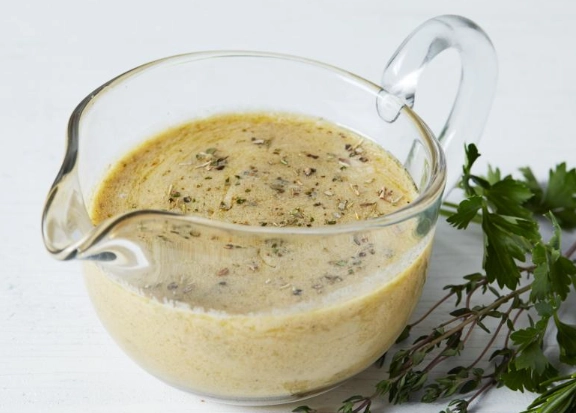
I've tried the fancy versions with seventeen herbs. They're fine. But they often mask the beautiful, peppery notes of a fresh olive oil. They can taste... busy. The version I keep coming back to is the minimalist one. It's the one that makes a bowl of simple butter lettuce or ripe tomatoes sing.
The Ingredients: Choosing Your Weapons Wisely
This is where the battle is won or lost. Skimp here, and you'll get a mediocre result. Invest thoughtfully, and you'll have a transformative kitchen staple.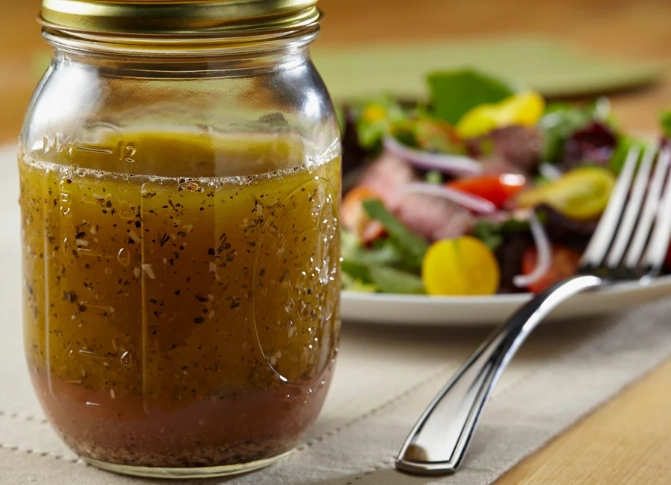
1. The Olive Oil: The Heartbeat
This is non-negotiable. You must use a good quality, extra virgin olive oil (EVOO). "Extra virgin" means it's from the first cold pressing, with no chemical treatment. It has the most flavor and health benefits.
For a traditional Italian vinaigrette recipe, I prefer oils from central Italy (like Tuscany or Umbria). They tend to have a lovely balance of fruitiness, bitterness, and pepperiness—that slight kick at the back of your throat. Southern Italian oils (like from Puglia) can be more robust and grassy.
My Pet Peeve: Using a "light" olive oil or, heaven forbid, a neutral vegetable oil. You lose the entire soul of the dressing. The oil isn't just a carrier; it's the main flavor. If your oil tastes bland straight from the bottle, it will make a bland dressing.
Look for a dark glass bottle (protects from light), a harvest date within the last 18 months, and ideally a DOP (Protected Designation of Origin) seal, which guarantees its geographic origin and production methods. Resources like the International Olive Council or the Associazione Italiana dell'Industria Olearia (Assitol) provide great background on quality standards.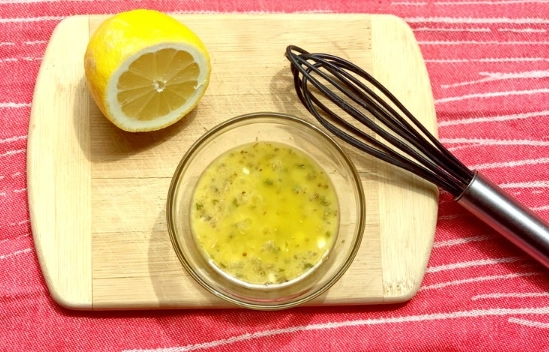
2. The Vinegar: The Acidity Backbone
Here's where you can personalize. The classic choice is red wine vinegar. It's sharp, clean, and straightforward. White wine vinegar is a bit milder. My absolute favorite for special occasions is a good aceto balsamico tradizionale—but note, I said tradizionale.
There's a huge difference between the thick, complex, aged traditional balsamic (protected by consortia like the Consorzio Tutela Aceto Balsamico di Modena) and the cheaper, syrup-like "balsamic vinegar of Modena" you commonly see. The latter often has added caramel and sugar. For everyday use, a quality red wine vinegar is perfect.
| Vinegar Type | Flavor Profile | Best For | Tip |
|---|---|---|---|
| Red Wine Vinegar | Sharp, fruity, tangy | The all-rounder classic. Perfect for green salads, bean salads. | Look for "acetificato in legno" (wood-aged) on Italian brands. |
| White Wine Vinegar | Lighter, slightly less aggressive | Delicate salads, dressings where you want the oil to shine more. | Avoid anything that smells overly harsh or chemical. |
| Traditional Balsamic (Aged) | Sweet, sour, complex, syrupy | Finishing touch on strawberries, Parmesan, or in small amounts in a special vinaigrette. | Use sparingly. It's a condiment, not a pouring vinegar. |
| Sherry Vinegar | Nutty, rich, complex | A delicious non-traditional swap. Works wonderfully with bitter greens. | Spanish, not Italian, but a fantastic product. |
3. The Aromatics: Garlic & Herbs
Garlic is optional but highly recommended in its most subtle form. The key is to infuse, not overwhelm. I never mince garlic directly into the dressing. It's too harsh and can dominate. Instead, I rub the cut side of a clove around the inside of the empty salad bowl before adding greens, or I let a smashed clove steep in the oil for 30 minutes before removing it.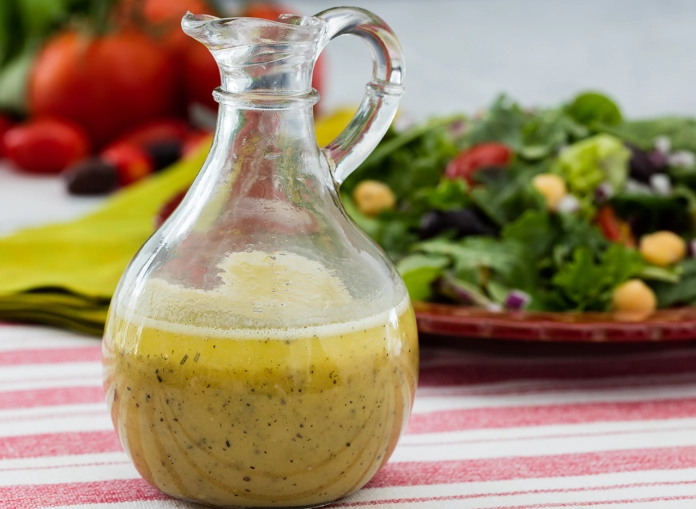
Fresh herbs beat dried any day. Oregano is the classic. A tiny bit of fresh, finely chopped oregano or marjoram is magic. Basil is wonderful in summer. Dried oregano can work in a pinch, but use half the amount you think you need—it can taste dusty.
Onion? Some add a whisper of very finely minced shallot or red onion. I like it, but it pushes the dressing towards a more French style. For the purist traditional Italian vinaigrette recipe, I often skip it.
4. Salt & Pepper: The Final Tuners
Sea salt flakes (like fiore di sale) or fine sea salt. Table salt can have a metallic aftertaste. Grind your black pepper fresh. Always. Pre-ground pepper loses its aroma in days.
The order matters. I usually dissolve the salt in the vinegar first. It doesn't dissolve well in oil.
The Master Recipe & The Sacred 3:1 Ratio
Here it is. The blueprint. The ratio you'll see most often is 3 parts oil to 1 part vinegar. This is a starting point. Some robust oils or sharper vinegars might need a 4:1 ratio. Your taste buds are the final judge.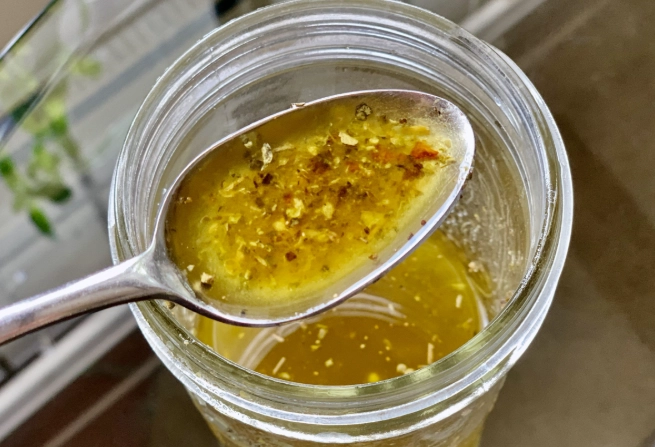
Ultimate Traditional Italian Vinaigrette Recipe
Makes: About ¾ cup (enough for 2-3 large salads)
Time: 5 minutes
Ingredients:
- 6 tablespoons (90 ml) high-quality extra virgin olive oil
- 2 tablespoons (30 ml) good red wine vinegar
- 1 small garlic clove, lightly smashed (optional)
- ¼ teaspoon fine sea salt, plus more to taste
- 5-6 twists of freshly ground black pepper
- ½ teaspoon finely chopped fresh oregano OR a tiny pinch of dried oregano (optional)
Method:
- If using garlic for infusion, place the smashed clove and the olive oil in a small jar or cup. Let it sit for 20-30 minutes. Remove the garlic clove before proceeding. (This step is optional but recommended for a gentle garlic essence).
- In a small bowl or directly in your salad serving bowl, combine the red wine vinegar and salt. Whisk with a fork until the salt is mostly dissolved.
- Add the fresh oregano (if using) and black pepper to the vinegar mixture.
- Start whisking vigorously with a fork or a small whisk. While whisking, very slowly drizzle in the olive oil in a thin, steady stream. This gradual emulsification is the key to a creamy, cohesive dressing.
- Taste immediately. This is crucial. Dip a leaf of lettuce in. Does it need more salt? More pepper? A tiny drop more vinegar? Adjust now.
- Use immediately, or transfer to a jar, seal tightly, and store at cool room temperature for up to 3 days. Shake well before each use.
Why whisk by hand instead of shaking in a jar? You have more control over the emulsion. A jar shake works, but it can separate faster. Whisking creates a temporary, lighter emulsion that clings to greens beautifully.
Answering Your Vinaigrette Quandaries (FAQ)
Why does my dressing separate immediately?
It's supposed to, eventually! A temporary emulsion is natural. The key is adding the oil slowly while whisking fast. If you dump it all in at once, it will never come together. If you're in a rush, a tiny dab (like ¼ teaspoon) of Dijon mustard can act as a stabilizer, but it's not traditional. Honestly, just give it a quick re-whisk before pouring.
Can I use lemon juice instead of vinegar?
You can, and it's delicious, but it becomes a citronette, not strictly a vinaigrette. The flavor is brighter, sharper. Use fresh-squeezed juice only. The acid level is different, so start with a 4:1 (oil:lemon) ratio and adjust. It's a fantastic variation, especially for seafood salads.
My dressing tastes too harsh/bitter. What went wrong?
Likely the oil. Some very fresh, early-harvest EVOO can be intensely bitter and peppery. It's an acquired taste. You can tone it down by using a milder oil or blending it with 1 tablespoon of a neutral oil. Also, ensure your salt is fully dissolved—undissolved salt crystals can create harsh bites.
How long does it really keep?
Because we're not using fresh onion or raw minced garlic (which can spoil quickly and harbor bacteria), a properly stored dressing in a sealed jar in a cool, dark cupboard is fine for 3-4 days. The fridge will solidify the olive oil. If you must refrigerate, let it come to room temperature and shake vigorously before use. I prefer making it fresh every 2-3 days. It takes 5 minutes.
Is there sugar in a traditional Italian vinaigrette recipe?
No. Full stop. Sweetness, if desired, comes from the natural fruitiness of the oil or the cooked grape must in a proper aged balsamic. Adding sugar or honey is an American adaptation. If your vinegar is too sharp, find a better vinegar or adjust the ratio, don't mask it with sugar.
Beyond the Basic: Classic Regional Twists
Once you master the base, the Italian peninsula offers endless inspiration. Here are three iconic variations that are still, at their heart, a traditional Italian vinaigrette recipe.
- The Ligurian (Citrus & Nut): Add 1 teaspoon of finely grated lemon zest and 1 tablespoon of very finely chopped toasted pine nuts or walnuts to the master recipe. Perfect for a potato and green bean salad.
- The Tuscan (Herb-Forward): Increase the fresh oregano to 1 teaspoon and add ½ teaspoon of finely chopped fresh rosemary. Use a robust Tuscan EVOO. This stands up to grilled bread salads (panzanella) and white beans.
- The Southern (Spicy & Bright): Add a tiny pinch of dried chili flakes (or one small, finely chopped fresh chili) to the oil during the infusion step (with the garlic). Use a white wine vinegar for contrast. Brilliant on roasted peppers or a tomato and cucumber salad.
See? The base traditional Italian vinaigrette recipe is your canvas. These twists are just different colored paints.
What to Dress: The Perfect Salad Marriage
Not all salads are created equal for this dressing. It loves:
- Simple Green Salads: Butter lettuce, romaine, arugula (rocket), radicchio, escarole. The bitterness of radicchio with the sweet-acid dressing is a classic Italian combo.
- Tomato & Mozzarella (Caprese): Drizzle it over sliced tomatoes and fresh mozzarella with a few basil leaves. Skip the balsamic glaze.
- Bean Salads: Cannellini beans, red onion, tuna, and this dressing is a lunch staple.
- Grilled Vegetables: Zucchini, eggplant, bell peppers—toss them warm in the vinaigrette. They'll soak it up.
- As a Marinade: For chicken, fish, or vegetables before grilling or roasting. The acid helps tenderize slightly.
I'd avoid it on very delicate, sweet salads (like one with fresh fruit) unless you're using the balsamic variation.
The Final, Non-Negotiable Step
Dress your salad at the last possible minute. And don't drown it. Start with less than you think you need, toss thoroughly (I use my clean hands to ensure every leaf is coated), then add a touch more if needed. A soggy salad is a sad salad.
Making this dressing is a small act of kitchen mindfulness. It connects you to a simpler way of eating, where flavor comes from integrity, not complexity. It might just change how you think about a lot of your cooking.
Give the master traditional Italian vinaigrette recipe a try this week. Taste it, adjust it, make it yours. And then try going back to the bottled stuff. I dare you.
Related Articles

Breaking through 1.2 billion kilowatts, China has achieved its commitment to win

The largest IPO in the A-share market in 13 years has been terminated, and it wa
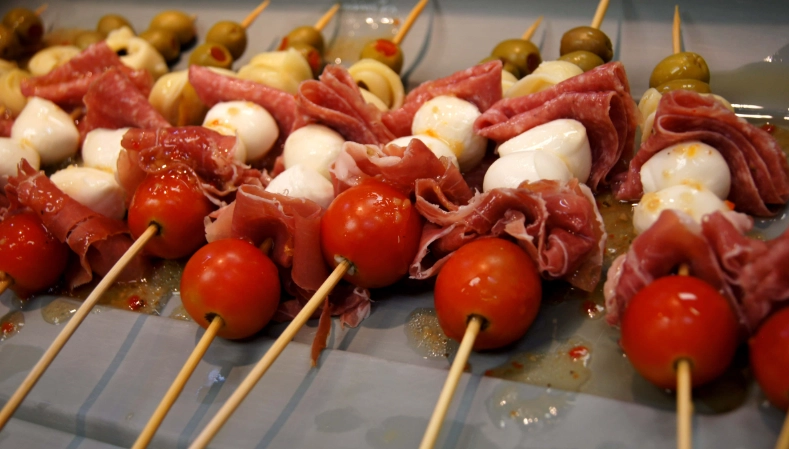
Cold Italian Appetizers: The Ultimate Guide to Antipasti & Finger Foods

Microsoft hollowed out AI unicorn Inflection AI and paid 650 million US dollars

The State Administration of Financial Supervision: Commercial banks have release