Italian Pizza Dough Flour: The Authentic Choice Revealed
In This Guide
- Why Flour Matters More Than You Think
- Type 00 Flour: The Undisputed Champion
- Other Flours Italians Use (Yes, There Are Alternatives)
- The Science Behind the Perfect Pizza Flour
- Common Myths and Misconceptions Debunked
- How to Choose the Right Flour for Your Pizza Style
- Step-by-Step Guide to Making Pizza Dough with Italian Flour
- FAQs About Pizza Flour (Covering Your Burning Questions)
- Authority Links and Further Resources
- Wrapping It Up: Your Flour Journey Starts Here
I'll never forget my first trip to Naples. The smell of wood-fired ovens, the chatter in crowded pizzerias, and that first bite of a Margherita pizza—it was life-changing. The crust was everything: chewy yet light, with a slight char and a flavor that sang of wheat and fire. Back home, I was determined to recreate it. But my early attempts? Disastrous. The crust was either too dense or too bland, and I couldn't figure out why. Then it hit me: I was using the wrong flour. So, what flour do Italians use for pizza dough? That question sent me down a rabbit hole of research, experimentation, and yes, a few more failed pizzas. Let me save you the trouble and share what I've learned.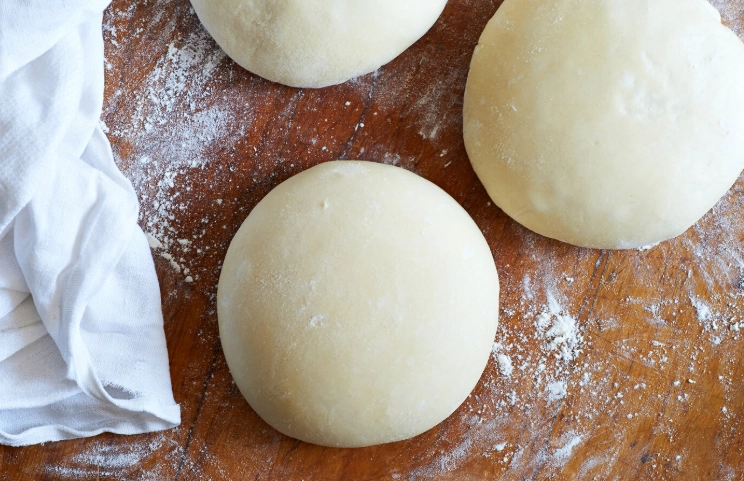
When I started, I thought flour was flour. I'd grab whatever all-purpose brand was on sale, mix it with water and yeast, and hope for the best. The results were mediocre at best. It wasn't until I talked to a pizzaiolo in Rome that I realized the secret. He laughed when I asked about all-purpose flour. "That's for cakes, not pizza," he said. He explained that in Italy, the flour is chosen as carefully as the tomatoes or mozzarella. It's the foundation. So, what flour do Italians use for pizza dough? It's usually Tipo 00, but there's more to it than that.
Why Flour Matters More Than You Think
Think about it. Pizza dough is simple—flour, water, yeast, salt. But that simplicity means each ingredient has to pull its weight. Flour isn't just a filler; it defines the texture, flavor, and even how the dough behaves in the oven. I learned this the hard way when I used a low-protein flour for a high-temperature bake. The crust collapsed into a soggy mess. Not pretty.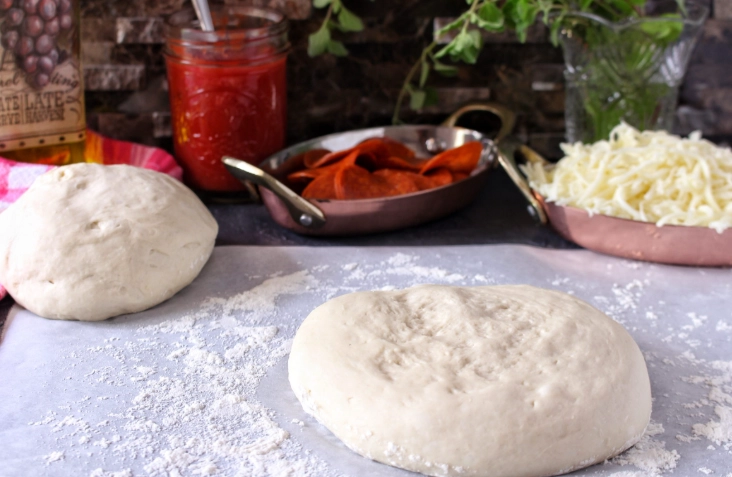
Italians have been perfecting pizza for centuries, and they've honed in on specific flour types. What flour do Italians use for pizza dough? It's not a random choice. It's based on milling, protein content, and regional traditions. Let's break it down.
Type 00 Flour: The Undisputed Champion
If you've dabbled in pizza making, you've probably heard of Tipo 00 flour. This isn't just a fancy label; it's a classification system used in Italy based on how finely the wheat is milled. The numbers—00, 0, 1, 2—refer to the refinement level, with 00 being the finest. It feels like silk, almost powdery to the touch.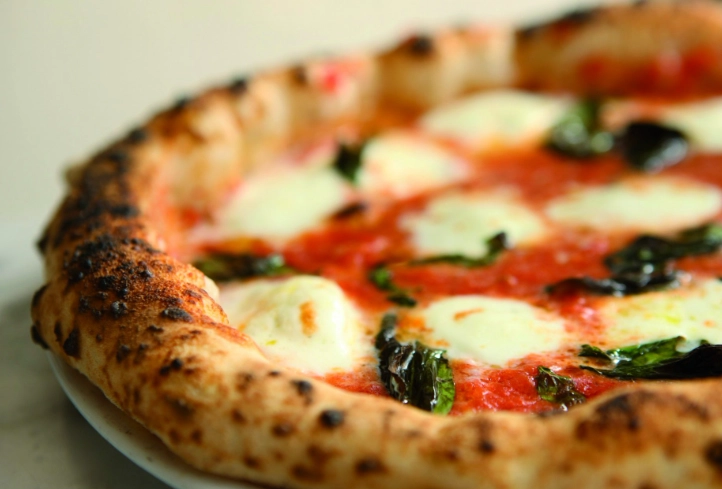
I remember buying my first bag of Caputo Tipo 00 flour. The difference was immediate. The dough was smoother, more elastic, and easier to shape. When baked, the crust had that authentic chewiness I'd been chasing. But here's a catch: not all 00 flours are the same. Protein content can vary, and that affects everything.
What Makes Tipo 00 Flour So Special?
It's all about the milling process. Tipo 00 flour is milled so finely that it absorbs water evenly, leading to a consistent dough. This fine texture also means less bran and germ, resulting in a lighter color and milder flavor. According to the Associazione Verace Pizza Napoletana (AVPN), the organization that sets standards for Neapolitan pizza, authentic dough should use soft wheat flour, typically Tipo 00. This ensures a crust that's light, airy, and with just the right amount of char.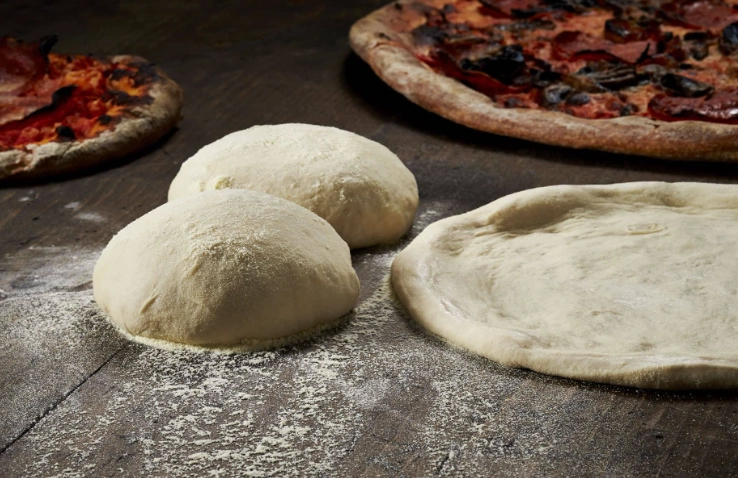
But why is this the go-to flour for Italians? Tradition plays a big part. In Naples, where pizza was born, soft wheat has always been preferred for its delicate texture. Over time, mills developed 00 flour to meet the needs of pizzaiolos. Today, it's synonymous with quality.
Other Flours Italians Use (Yes, There Are Alternatives)
While Tipo 00 is the star, Italians aren't monolithic about flour. Depending on the region and pizza style, other types come into play. For example, in Rome, where pizza is often thinner and crispier, you might find blends of Tipo 00 and Tipo 0 flour. Tipo 0 is slightly coarser, with a bit more ash content, which can add strength to the dough without making it tough.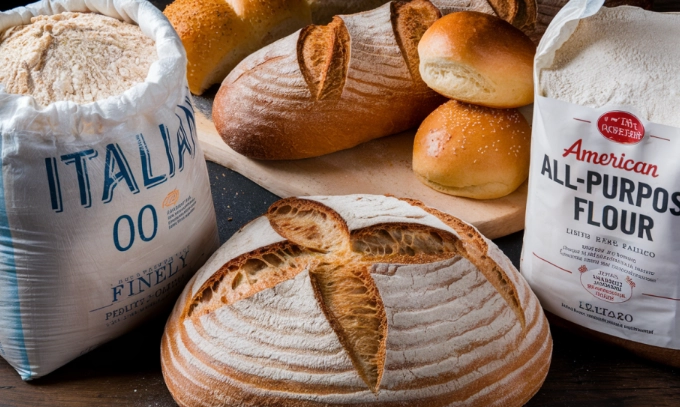
Then there's Manitoba flour. This is a high-protein flour, often imported from Canada, used for doughs that need extra strength, like for pan pizza or long fermentations. I once tried a recipe with all Manitoba flour—it was too strong for my taste, yielding a crust that felt more like bread. Not terrible, but not what I wanted for a classic Neapolitan pie.
Some online sources claim that all-purpose flour is a fine substitute. In a pinch, sure, but don't expect miracles. All-purpose flour has a higher ash content and coarser grind, which can lead to a denser, less elastic crust. I've used it when I ran out of 00 flour, and the pizza was edible, but it lacked that magic. So, what flour do Italians use for pizza dough? Usually not all-purpose.
The Science Behind the Perfect Pizza Flour
Let's get a bit technical, but I'll keep it simple—no jargon overload. Two key factors determine how flour performs in pizza dough: protein content and ash content.
Protein Content: The Gluten Game
Protein in flour, mostly glutenin and gliadin, forms gluten when mixed with water. Gluten gives dough its elasticity and structure. For pizza, you want a moderate to high protein content—typically between 11% and 13%. Tipo 00 flours often fall in this range, but it varies. Some, like those for Neapolitan pizza, might be lower (around 10-11%) for a softer crust, while others for New York-style might be higher.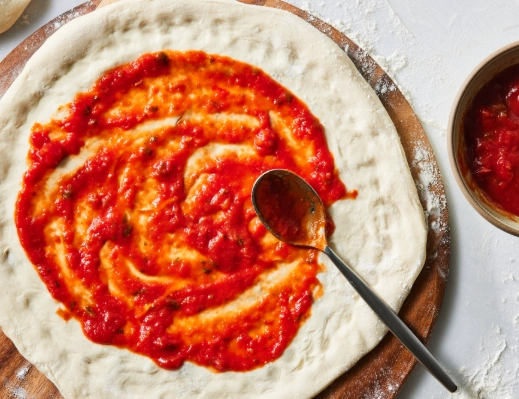
My take? Don't obsess over numbers. I've had great results with flours at 12% protein, but I've also made decent pizza with 10.5%. It depends on your technique and oven. Experimentation is key.
Ash Content: The Refinement Indicator
Ash content measures the mineral residue left after burning flour. It's a proxy for how much of the wheat bran is included. Lower ash means a more refined flour. Tipo 00 has a very low ash content, usually below 0.55%. This contributes to its white color and mild flavor, which lets the toppings shine.
Some folks argue that low-ash flour is less nutritious, but for pizza, we're after texture and taste. Higher ash flours can add a nutty flavor, but they might also make the crust denser.
Common Myths and Misconceptions Debunked
The internet is full of pizza myths, and I've fallen for a few. Let's clear things up.
Myth 1: You must use Italian-brand flour for authentic pizza. Not true. While brands like Caputo, Molino Spadoni, or Antimo Caputo are excellent (and widely used in Italy), there are great alternatives from other countries. I've used American-milled Tipo 00 flour from King Arthur Baking, and it worked beautifully. The key is the specifications, not the origin.
Myth 2: All Tipo 00 flours are identical. Far from it. Protein content, milling techniques, and wheat blends differ. For instance, Caputo Pizzeria flour is formulated for high-temperature ovens, while their Chef's flour might be better for home ovens. Read the labels.
Myth 3: Expensive flour always means better pizza. I learned this the hard way. I once splurged on a boutique organic Tipo 00 flour that cost triple the price. It performed no better than my regular Caputo bag. In fact, it was harder to work with because it absorbed water differently. Sometimes, you're paying for branding, not quality.
How to Choose the Right Flour for Your Pizza Style
This is where it gets practical. What flour do Italians use for pizza dough depends on the type of pizza. Here's a breakdown to help you choose.
| Pizza Style | Recommended Flour | Protein Content | Why It Works | Personal Note |
|---|---|---|---|---|
| Neapolitan (soft, chewy, wood-fired) | Tipo 00, soft wheat | 10-12% | Fine grind for elasticity, mild flavor; ideal for high heat | My go-to. Use Caputo Pizzeria for best results. |
| Roman (thin, crisp, cracker-like) | Blend of Tipo 00 and Tipo 0 | 11-13% | Adds strength without toughness; good for thin stretching | I add 20% Tipo 0 for extra crispness. |
| Sicilian (thick, focaccia-style) | Semolina or Tipo 00 blend | Varies | Semolina adds graininess; Tipo 00 keeps it light | Experiment with 50/50 blends. |
| New York-style (foldable, chewy) | High-protein Tipo 00 or bread flour | 12-14% | Strong gluten for structure; handles longer fermentation | I prefer King Arthur bread flour here. |
| Homemade (quick, casual) | All-purpose flour | 9-11% | Accessible and cheap; adjust hydration lower | Okay in a pinch, but lower expectations. |
When shopping, look for the protein content on the bag. If it's not listed, a quick online search can help. I always keep a bag of Caputo Pizzeria flour in my pantry—it's reliable and versatile. But don't be afraid to mix flours. I sometimes blend Tipo 00 with a bit of whole wheat for added flavor, though purists might frown.
Step-by-Step Guide to Making Pizza Dough with Italian Flour
Here's my tried-and-true method, refined over years of trial and error. This recipe makes two medium pizzas.
- Measure precisely: Use 500g of Tipo 00 flour, 325ml of lukewarm water (65% hydration), 10g of fine sea salt, and 2-3g of fresh yeast (or 1g of dry yeast). I weigh everything—it's more accurate than cups.
- Mix gently: Combine flour and water in a bowl until no dry bits remain. Let it rest for 20-30 minutes. This autolyse step helps gluten develop without over-kneading.
- Add yeast and salt: Dissolve yeast in a spoonful of water, mix into the dough, then add salt. Knead for 8-10 minutes until smooth and elastic. Tipo 00 flour kneads beautifully—it's less sticky than all-purpose.
- First fermentation: Place the dough in an oiled bowl, cover, and let rise at room temperature for 8-12 hours. For more flavor, refrigerate for 24-72 hours. Slow fermentation is key; I've rushed this and ended up with bland dough.
- Shape and proof: Divide the dough into two balls, place on a floured tray, cover, and let rest for 1-2 hours at room temperature. This final proof makes stretching easier.
- Stretch and bake: Preheat your oven as hot as possible (with a pizza stone if you have one). Stretch the dough by hand, add toppings, and bake for 5-10 minutes until bubbly and charred.
My tip: Don't skip the autolyse. It makes a huge difference in dough handling. Also, if your crust is too tough, try lowering the protein content or kneading less. Pizza dough should be gentle, not a workout.
FAQs About Pizza Flour (Covering Your Burning Questions)
Authority Links and Further Resources
To back up what I've shared, here are some trusted sources. I refer to these when I'm double-checking facts or looking for deeper insights.
- Associazione Verace Pizza Napoletana (AVPN) – The official body that certifies Neapolitan pizza, with detailed standards on ingredients, including flour. Their site is in Italian, but translation tools help.
- Italian Ministry of Agricultural, Food and Forestry Policies – Provides information on wheat cultivation and flour regulations in Italy. It's a government site, so it's authoritative for Italian standards.
- King Arthur Baking Company – A reliable resource for baking science, including flour protein content and pizza recipes. I've used their guides to understand milling processes.
- Serious Eats – While not an association, their in-depth articles on pizza, like those by J. Kenji López-Alt, are well-researched and cite scientific principles. Great for practical tips.
I always cross-reference information from these sites to avoid spreading myths. For example, the AVPN site confirms that Tipo 00 flour is recommended for Neapolitan pizza, which aligns with what I've experienced.
Wrapping It Up: Your Flour Journey Starts Here
So, what flour do Italians use for pizza dough? The short answer is Tipo 00 flour, but as we've seen, it's nuanced. The long answer involves protein content, ash levels, regional styles, and personal preference. My journey taught me that there's no single "best" flour—it's about matching the flour to your pizza goals.
I encourage you to experiment. Start with a bag of Tipo 00 flour, try different brands, and see what works in your kitchen. Don't be afraid to fail; my first perfect pizza came after dozens of attempts. And remember, even in Italy, pizzaiolos debate flour choices. It's part of the fun.
If you have more questions, drop them in the comments (though I can't respond here, this is a static article). Happy pizza making!
Related Articles
Top 10 Italian Desserts: A Sweet Journey Through Italy
Easy Italian Regional Recipes: Authentic Dishes You Can Actually Make
Ultimate O-Baked Italian Beef Sandwich Recipe at Home
The Ultimate Guide to Cooking Tender Italian Beef at Home

Authentic Italian Cocktail Recipes: From Classics to Modern Twists