Authentic Italian Pizza Dough Recipe: Ingredients & Technique Explained
In This Dough Journey
Let's cut right to the chase. You've probably eaten a lot of pizza. Some good, some... well, let's just say they were forgettable. The difference between a memorable, transcendent pizza and a sad, floppy one almost always comes down to the foundation – the dough. And when we talk about the gold standard, we're talking about Italy. Specifically, the kind you find in a proper Neapolitan pizzeria, where the crust is puffy, chewy, charred in spots, and tastes profoundly of wheat and fermentation.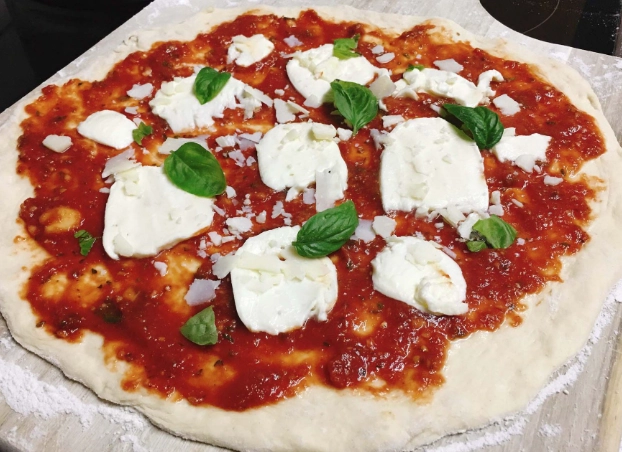
So, what is authentic Italian pizza dough made of? If you're expecting a long list of exotic ingredients, you'll be surprised. It's almost deceptively simple. But within that simplicity lies a world of technique, tradition, and science that most home cooks (and frankly, a lot of pizzerias) completely miss. I've had my share of dough disasters – bricks, crackers, bland blobs – before I finally got it right. It's not about having a wood-fired oven (though that's nice), it's about respecting the basics.
The Core Truth: Authentic Italian pizza dough, as defined by the official Associazione Verace Pizza Napoletana (the guardians of Neapolitan pizza tradition), contains only four ingredients: flour, water, salt, and yeast. That's it. No sugar, no oil, no milk, no eggs. The magic isn't in adding more stuff; it's in mastering how you handle these four.
The Four Pillars: Breaking Down Each Ingredient
Let's get granular. Each component plays a specific, non-negotiable role. Swap or compromise here, and you're already veering off the authentic path.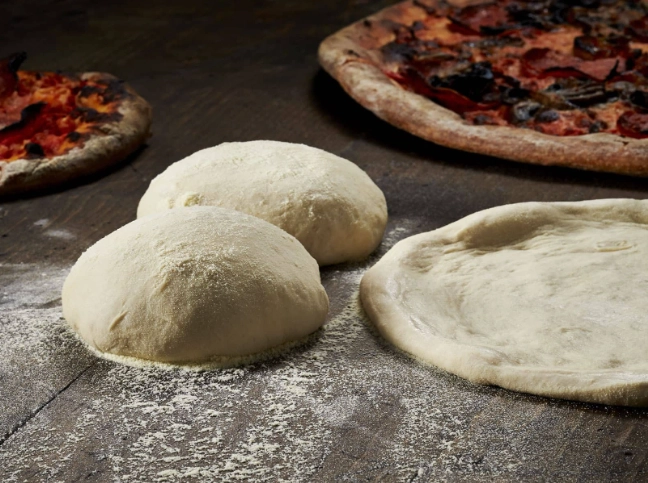
1. Flour: The “00” Mystery Solved
This is the big one. When people ask what is authentic Italian pizza dough made of, the first answer is always "00 flour." But what does that even mean? It's not a brand; it's an Italian classification based on how finely the wheat is milled. The "00" refers to the finest grind, resulting in a powder as soft as talc. This fineness affects everything – water absorption, gluten development, and the final texture of the crust.
But here's a common misconception: 00 flour is not universally high-protein. In Italy, you find 00 flour for pastries (low protein) and 00 flour for pizza (high protein, around 12-13%). The high-protein type, often labeled "Manitoba" or "for pizza," is what you need. It creates the strong, elastic gluten network necessary to trap the gases from fermentation, leading to that iconic airy cornicione (the puffy edge).
I made the mistake of buying the first bag of "00" I saw online. The dough was a nightmare – sticky, weak, and it baked into a cracker. A quick email to the seller revealed it was a soft 00 for cakes. Lesson learned: always check the protein content. Aim for 12.5% or higher.
If you can't find true Italian 00 pizza flour, don't panic. A good quality American bread flour (like King Arthur) with a protein content of 12.7% can produce fantastic results. The flavor profile might be slightly different, but the texture can get very close. The obsession with 00 is sometimes overblown, but using the right high-protein flour is non-negotiable.
2. Water: The Temperature is Everything
Water hydrates the flour and activates the yeast. The purity of your tap water matters less than you think (unless it's heavily chlorinated). The critical factor is temperature. This is where most home recipes fail spectacularly.
Authentic Neapolitan dough uses a very small amount of yeast and undergoes a long, slow fermentation (often 24 hours or more). To control the speed of fermentation, you control the water temperature. The goal is to mix the water and flour so the final dough mass is around 24-25°C (75-77°F). This "dough temperature" is a secret weapon of professional pizzaioli. Too cold, and fermentation stalls; too warm, and the yeast goes wild, creating off-flavors and a weak structure.
There's a simple formula: Desired Dough Temp x 3) - (Flour Temp + Room Temp) = Water Temp. For a desired dough temp of 24°C, with flour at 20°C and room at 22°C, you'd need water at 30°C. It sounds fussy, but it's the single biggest upgrade you can make to your dough consistency.
3. Salt: Flavor Architect and Gluten Controller
Sea salt is traditional. It's not just for taste. Salt strengthens the gluten network, giving the dough more elasticity and a better chew. It also regulates yeast activity, preventing it from fermenting too quickly. The standard is about 2.5-3% of the flour's weight. Don't add it directly to the yeast; mix it with the flour first. I once forgot the salt entirely. The dough fermented like crazy, was sticky and unmanageable, and baked into a bland, pale crust with no character. A salty reminder of its importance.
4. Yeast: Less is Infinitely More
Fresh brewer's yeast (lievito di birra) is traditional in Naples, but active dry yeast works perfectly. The key principle: use very little. We're talking 0.1-0.3% of the flour's weight for a long fermentation. That's about a quarter teaspoon of active dry yeast for 500g of flour. This tiny amount forces a slow, gradual rise. This extended time allows enzymes to break down starches into sugars (for browning and flavor) and encourages the development of complex, tangy, nutty aromas – the soul of a great crust. Quick doughs with lots of yeast taste flat and yeasty in comparison.
The Fifth Element: Technique (The Real Secret)
Knowing what authentic Italian pizza dough is made of is only half the battle. The other half is what you do with it. Here’s where the artistry lives.
Mixing and Kneading: Develop the Gluten, Gently
You can mix by hand or in a stand mixer. The goal is full hydration and the beginning of gluten development. It doesn't need to pass the "windowpane test" immediately. A shaggy, cohesive mass is fine. Autolyse (letting the flour and water rest for 20-60 minutes before adding yeast and salt) is a fantastic technique borrowed from bread baking. It allows the flour to fully hydrate, making kneading easier and improving extensibility.
Bulk Fermentation: The Flavor Factory
This is the first rise. Place the dough in a lightly oiled container, cover it airtight, and let it sit. For that tiny amount of yeast, you're looking at 12-24 hours at room temperature (around 20°C/68°F). The dough should roughly double. You're not just waiting for it to get big; you're waiting for it to develop flavor and strength. This long, cool fermentation is the heart of the process.
Ballining and Proofing: Shaping for Success
After the bulk fermentation, you divide and shape the dough into tight, smooth balls (pagnotte). This step creates surface tension, which helps the dough hold its shape and rise upward in the oven. Proof these balls for another 4-6 hours at room temperature until they are puffy and jiggle like a waterbed when shaken. They should be at peak readiness for stretching.
Biggest Home Cook Mistake: Putting the dough balls in the fridge right after shaping. The cold shock severely damages the gluten structure you've spent hours building. If you need to delay baking, do the bulk fermentation in the fridge for 1-3 days, then take it out, shape into balls, and let them proof at room temp. Cold-proofing adds incredible flavor, but the final proof must be at room temp for proper oven spring.
Tools of the Trade (A Realistic Look)
You don't need a lot, but a few things help immensely.
- Digital Scale: Non-negotiable. Baking is a science, and cups are wildly inaccurate for flour.
- Dough Tub or Bowl: For fermentation. A clear rectangular container lets you see the rise.
- Dough Scraper: Your best friend for handling sticky dough and cleaning surfaces.
- Pizza Stone or Steel: Crucial for home ovens. It stores intense heat and blasts it into the dough, mimicking a pizza oven floor. A steel is better for thermal conductivity.
Common Dough Issues & How to Fix Them
Let's troubleshoot. This table covers the main headaches.
| Problem | Likely Cause | The Fix |
|---|---|---|
| Dough is too sticky and unmanageable | 1. Flour with low protein content. 2. Over-hydration for your flour. 3. Dough is too warm. |
Use higher-protein flour. Reduce water by 5%. Ensure final dough temp is correct. Use wet hands or a scraper, don't add more flour during kneading. |
| Dough is tough and springs back when stretching | 1. Under-proofed (not enough time). 2. Too much kneading developed too much gluten. 3. Dough is too cold. |
Let it proof longer until jiggly. Knead less; gluten develops during fermentation too. Ensure final proof is at room temp. |
| Crust is dense, no air bubbles | 1. Yeast was killed (water too hot). 2. Over-proofed and collapsed. 3. Dough was degassed during shaping. |
Use cooler water. Follow proofing times. Handle dough gently; preserve those gas bubbles. |
| Crust is pale and soft, not charred | 1. Oven not hot enough. 2. No pizza stone/steel. 3. Dough contained oil or sugar (inhibits browning). |
Preheat oven & stone at max for 1 hour. Get a steel. Stick to the 4-ingredient recipe. |
See? Most problems trace back to ingredient quality, temperature, or time.
Answering Your Burning Questions (FAQ)
Can I make authentic Italian pizza dough without a stand mixer?
Absolutely. In fact, many purists insist on hand-mixing. It gives you a better feel for the dough's development. It's more work, but it's totally authentic.
Why is there no oil or sugar in the real recipe?
Oil coats the gluten strands, softening the crust and preventing that crisp, airy texture. Sugar speeds up browning at lower temperatures, but in a properly hot oven, the natural sugars in the fermented flour caramelize perfectly. Adding them is a crutch for lower oven temperatures and shorter fermentation, resulting in a different (and in my opinion, inferior) crust character.
How long can I ferment the dough?
You can push bulk fermentation in the fridge for up to 72 hours, sometimes more. The flavor becomes deeper, more complex, and slightly more sour. It's an advanced move, but worth experimenting with once you've mastered the 24-hour room-temp schedule. The science behind long fermentation is fascinating, as it breaks down gluten strands, potentially making the dough easier to digest for some people.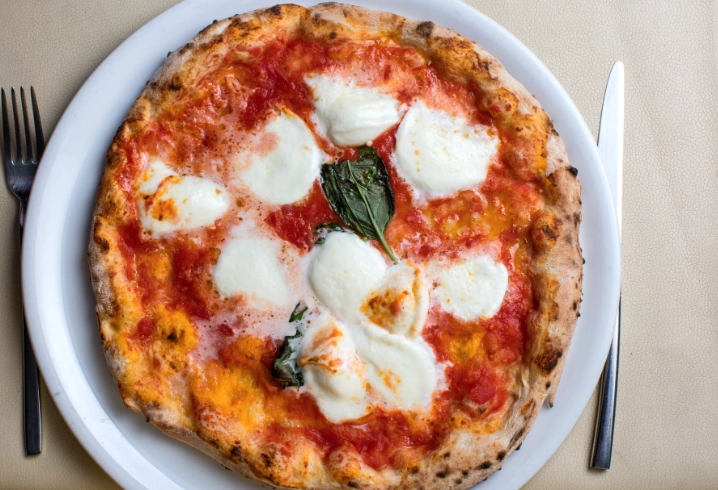
My home oven only goes to 260°C (500°F). Can I still make it?
Yes, but manage expectations. It won't be identical to a 90-second Neapolitan bake. Use a pizza steel (not stone) for the best heat transfer. Bake on the steel for 3-4 minutes until the bottom sets, then finish under the broiler to puff and char the top. You'll get a fantastic, hybrid NY-Neapolitan style that's miles better than any takeout.
What's the difference between Neapolitan and Roman pizza dough?
They're different beasts. Neapolitan (what we've discussed) is about a soft, elastic, long-fermented dough baked fast at extreme heat. Roman pizza (like pizza al taglio) often uses a higher hydration, includes oil, and is baked in a sheet pan at lower temps for longer, resulting in a crispier, focaccia-like base. Knowing what authentic Italian pizza dough is made of depends on which regional style you're aiming for.
Putting It All Together: A Sample Game Plan
Let's walk through a timeline for a dinner pizza. This assumes a 24-hour room-temp bulk ferment.
- Day 1, 6 PM: Mix 500g 00 pizza flour, 325g water (65% hydration, adjust for your flour), 15g sea salt, and 0.2g active dry yeast (a tiny pinch!). Mix until shaggy, rest 30 mins (autolyse), then knead for 5-7 minutes until smooth. Place in tub. Dough temp should be ~24°C.
- Day 1, 6 PM - Day 2, 6 PM: Let it sit, covered, at room temp (20°C). It should slowly rise to about double.
- Day 2, 6 PM: Gently tip dough onto floured surface. Divide into 3 balls (~280g each). Shape into tight balls. Place on floured tray, cover airtight.
- Day 2, 6 PM - 10 PM: Final proof at room temp. They should be very puffy.
- Day 2, 10 PM: Preheat oven with steel/stone at maximum for 1 hour. Stretch one ball (don't roll!) into a disc, top minimally (San Marzano tomatoes, mozzarella di bufala, basil, oil), and bake. It should take 5-7 minutes in a home oven, with the broiler on for the last minute or two.
Pro-Tip for Stretching: Never use a rolling pin. It squeezes out all the gas. Use your knuckles and gravity. Start from the center and gently push the air out to the edges, leaving a 1-inch border. Let the dough rest over your knuckles and rotate, using its own weight to stretch. If it fights back, let it rest for 5 minutes and try again.
So, when someone asks you, "What is authentic Italian pizza dough made of?", you can now tell them: it's a minimalist symphony of high-protein flour, temperature-controlled water, sea salt, and a whisper of yeast, conducted over the slow passage of time. The ingredients are humble, but the commitment to process is everything. It’s not the quickest path to pizza, but it is undoubtedly the most rewarding. Skip the shortcuts. Embrace the wait. Your taste buds will know the difference.
Now go preheat that oven.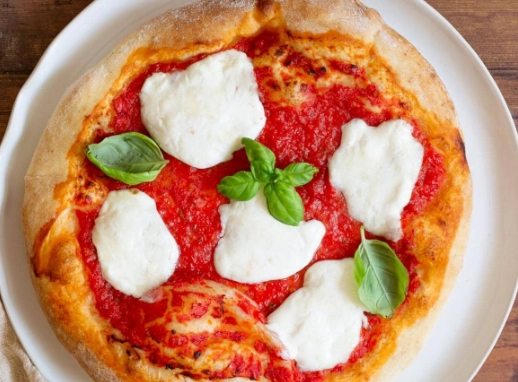
Related Articles

Sudden bad news! A-shares plunged, Hong Kong stocks fell more than 2%, and there
Ultimate Guide to Italian Sausage Recipes: From Classic to Creative
Italian Meatloaf Recipe: The Ultimate Comfort Food Guide
Classic Italian Salad Mix Ingredients & Homemade Recipe
What Is Authentic Italian Food? A Guide to Regional Classics & Home Cooking