Master the Art of Authentic Italian Pizza Crust Dough at Home
Quick Navigation
So you want to make authentic Italian pizza crust dough at home. I get it. You've probably had a pizza somewhere that just... clicked. The crust wasn't just a vehicle for toppings; it was the star. It had flavor, a chewy yet airy texture, those gorgeous leopard-spotted bubbles. And now you're staring at a bowl of flour, wondering how to get there from here.
I was there too. Honestly, the first time I tried making it, it was a disaster. Dense, cracker-like, bland. It felt like a personal failure. But after spending time learning from folks in Naples and a lot of (delicious) trial and error, the puzzle pieces fell into place. The secret isn't in one magic trick. It's in understanding a few simple, non-negotiable principles. This isn't just another recipe; it's the blueprint for the foundation of a great pizza. Let's break down this authentic Italian pizza crust dough recipe into something you can not only follow but truly understand.
It All Starts With Four Humble Ingredients (Yes, Really)
This is where most people's search for an authentic Italian pizza crust dough recipe begins and, sadly, where many go wrong by overcomplicating things. You don't need sugar. You don't need oil. You don't need a pantry full of weird additives. The true magic lies in the quality and handling of just four things.
The Flour: The Soul of Your Dough
This is the biggest game-changer. All-purpose flour? It'll make pizza, sure. But not *this* pizza. In Italy, especially for Neapolitan-style pizza, they use "Tipo 00" flour. The "00" refers to how finely it's milled—superfine, like baby powder. But more importantly, it's often made from softer wheat with a specific protein content (usually around 11-12.5%). This gives you that perfect balance: enough strength to hold those big bubbles, but enough tenderness for a light, chewy bite, not a bread-like chew.
Can't find "00" flour? Don't panic. A good-quality bread flour (with a protein content around 12-13%) is a fantastic and more accessible substitute for a home cook. It'll give you a slightly stronger, chewier crust that's still absolutely delicious. The key is to avoid low-protein flours like cake or pastry flour; your crust will be fragile and lack structure.
The Water: Temperature is Your Secret Weapon
Cold water slows yeast down. Warm water speeds it up. For a long, slow fermentation—which is the KEY to developing complex flavor—you want cool water. I aim for about 55-65°F (13-18°C). It feels slightly cool to the touch. This isn't just a suggestion; it's how you control the timeline and flavor of your dough. Warm water gives you a fast-rising, bland dough. Cool water is the start of a flavorful journey.
The Yeast: A Pinch of Patience
Fresh yeast (compressed yeast) is traditional, but active dry yeast is what most of us have. They're interchangeable with a simple conversion (use about 40% of the weight of fresh yeast if using dry). The shocking part? You need far less than you think. For a 24-hour ferment, we're talking about 0.1% to 0.3% of the flour's weight. That's a tiny pinch for a home batch. More yeast doesn't mean better; it means faster, boozier, and less tasty. We're cultivating flavor, not just inflating a balloon.
The Salt: The Flavor Amplifier
Sea salt or fine sea salt is perfect. It does three jobs: seasons the dough, strengthens the gluten structure, and actually regulates yeast activity. Don't add it directly to the yeast; mix it with your flour first. A good rule of thumb is about 2.5-3% of the flour's weight. Less than 2% and your crust will taste flat, no matter how great your flour is.
The Not-So-Secret Weapon: Time (A.K.A. Fermentation)
If I had to pick one thing that separates a good pizza crust from a truly authentic Italian one, it's this. Fermentation. This is the slow, cold rise that lets the yeast and natural enzymes work magic. They break down complex starches into simple sugars, create gases for air bubbles, and develop those wonderful, nuanced flavors you can't get from a two-hour rise.
Think of it like marinating a steak. A quick dip does nothing. Overnight makes it transformative.
Here’s the practical breakdown for a home cook:
- Room Temp Bulk Ferment: After mixing and kneading, let the dough ball rest at room temp, covered, for 1-2 hours. This gets the yeast active.
- The Long, Cold Sleep: This is the crucial part. Gently place your covered dough ball in the fridge. Leave it there for anywhere from 24 to 72 hours. Yes, really. 24 hours is a great start. 48-72 hours is where the flavor gets incredibly deep and complex. This slow fermentation is the heart of any legitimate authentic Italian pizza crust dough recipe.
- Final Proof: Take the dough out of the fridge 2-4 hours before you plan to bake. This lets it come to room temp and become soft and extensible—ready to be stretched without snapping back.
Patience is everything here.
The difference is night and day. A dough fermented for 3 hours tastes like flour and yeast. A dough fermented for 48 hours tastes like wheat, with subtle tangy, nutty, almost sweet notes. The crust is also stronger and more elastic, making it easier to work with. It's the ultimate kitchen hack: doing less (waiting) gives you more (flavor).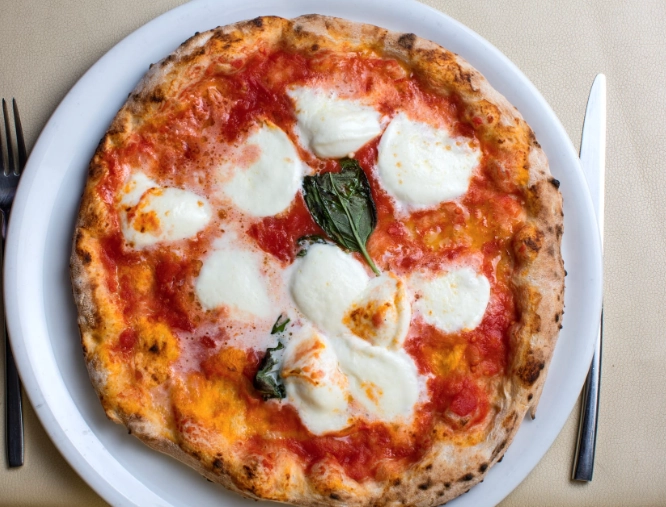
The Step-by-Step: Your Roadmap to Dough
Let's translate this into action. Here’s your core authentic Italian pizza crust dough recipe, built for understanding, not just blind following.
For 4 classic 250g pizza balls (about 10-12 inch pizzas):
- 600g "00" flour or Bread Flour (see? weighed!)
- 360g water (60% hydration – cool, about 60°F/16°C)
- 1.8g active dry yeast (that's about 1/2 a level teaspoon – a tiny amount!)
- 18g fine sea salt (2 teaspoons)
1. Mixing & Autolyse (The Pre-Knead Rest)
In a large bowl, mix the flour and all the water together until no dry bits remain. It'll be shaggy. Just cover it and let it sit for 20-30 minutes. This "autolyse" lets the flour fully hydrate, making kneading easier and improving the final texture. It’s a simple rest that pays off.
2. Incorporating Yeast and Salt
Sprinkle the yeast over the dough and pinch/squeeze it in until mostly combined. Then do the same with the salt. Don't add salt and yeast together directly; salt can kill the yeast on contact.
3. The Knead (It's Not What You Think)
Forget the aggressive, counter-pounding knead you see in old movies. For a high-hydration dough like this, "slap and fold" or "stretch and fold" in the bowl is better. Wet your hand, grab one side of the dough, stretch it up, and fold it over the top. Turn the bowl a quarter turn and repeat. Do this for about 5-7 minutes until the dough starts to feel smoother and more cohesive, less like a ragged mess. It won't be perfectly smooth yet—fermentation will finish the job.
4. Bulk Ferment & Divide
Cover the bowl tightly with plastic wrap. Let it sit at room temp for 2 hours. You might see it rise a bit. Then, gently tip it onto a lightly floured surface. Divide it into 4 equal pieces (use your scale for accuracy). Shape each into a tight, smooth ball by tucking the edges under.
5. The Cold Ferment (The Flavor Step)
Place each dough ball into a separate, lightly oiled container with a lid (like a deli container or a bowl covered tightly with plastic). Pop them in the fridge. Mark the date and time. Let them rest for a minimum of 24 hours, up to 72.
6. The Final Proof
On pizza day, take the dough balls out 3-4 hours before baking. Let them warm up and puff up on the counter, covered. They're ready when they feel soft, airy, and jiggle like a waterbed when you shake the container.
Shaping and Baking: The Final Act
You've nurtured this dough for days. Now, don't ruin it with a rolling pin! A rolling pin crushes all those beautiful gas bubbles you worked so hard to create.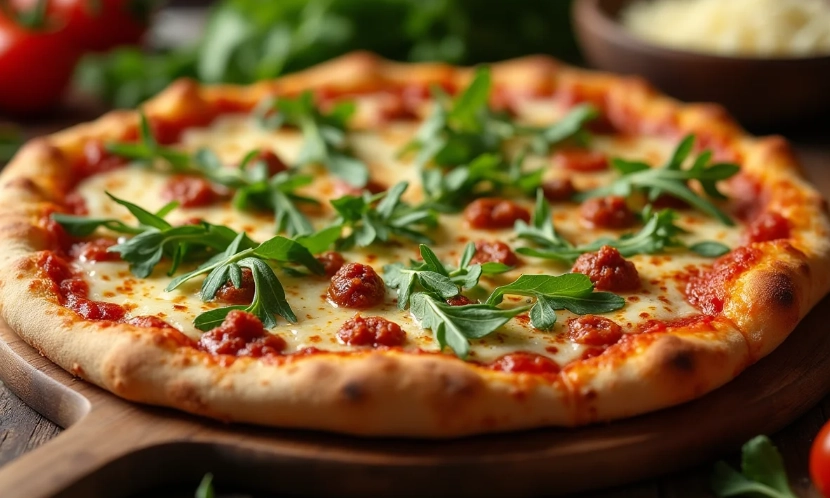
How to shape by hand: Start with your dough ball on a lightly floured surface. Use your fingertips to gently press down from the center outwards, leaving a 1-inch border untouched—that's your crust. Then, pick it up and let gravity help. Drape the dough over your knuckles (make fists) and gently stretch it by rotating it, letting its own weight pull it down. It feels intimidating but is surprisingly intuitive after one or two tries. Aim for an even, thin center and a puffy cornicione (edge).
The Heat Problem: This is the biggest hurdle for a home cook. A traditional Neapolitan pizza oven is 800-900°F (430-480°C). Your home oven maxes out at 500-550°F (260-290°C). So we adapt.
- Equipment Hack: A pizza stone or, even better, a thick pizza steel. Preheat it for at least 45 minutes at your oven's highest temperature. It acts as a thermal battery, mimicking a hot oven floor.
- Broiler Method: For a closer approximation, place your stone/steel on a rack 6-8 inches from the broiler. Preheat the oven (with the stone inside) at max for an hour. Then, switch to the broiler on high for 10 minutes before launching your pizza. The intense top heat helps mimic a proper pizza oven.
Bake time will be 5-8 minutes in a home setup. Watch for the crust to puff and get those coveted dark spots.
Flour Power: A Quick Comparison Guide
Choosing flour can be confusing. Here’s a simple breakdown to keep handy:
| Flour Type | Protein % | Best For | Texture Result | Home Cook Verdict |
|---|---|---|---|---|
| Italian "00" | ~11-12.5% | Neapolitan-style, high-heat baking | Light, tender, delicate chew | Gold standard if you can find it. |
| Bread Flour | ~12-13% | New York-style, home ovens | Chewier, stronger, more structured | Excellent, accessible, reliable workhorse. |
| All-Purpose Flour | ~9-11% | General baking | Softer, less chewy, can be cracker-like | It'll work in a pinch, but lacks the signature texture. |
| "00" Pizza Flour (Blended) | Varies | Home ovens (often formulated for lower temps) | Balance of tenderness and strength | A great specialized option, often easier to stretch. |
Answering Your Dough Dilemmas (FAQs)
It's supposed to be sticky! High hydration = open crumb. The trick is to use wet hands and a wet bench scraper, not more flour. Also, a properly fermented dough becomes much smoother and less tacky after its long cold rest. If it's a wet disaster after 24 hours, you might have mis-measured the water.
You can, but it's a compromise. The best time is after the cold ferment. Portion, wrap each ball tightly in plastic, and freeze. Thaw in the fridge for 24 hours, then do the 3-hour room-temp proof. The flavor won't be as developed as a full slow-fermented fresh dough, but it's a decent shortcut for a weeknight.
No! This is critical to understand. In the cold, the yeast works very slowly. It might only double in size over 3 days. You're looking for fermentation (flavor development and small bubbles visible at the edge), not necessarily massive volume increase. The big rise happens during the final room-temp proof.
It's where you stretch a small piece of dough so thin it becomes translucent without tearing, proving the gluten is well-developed. For our long-ferment method, it's less critical. The long rest develops the gluten beautifully with minimal kneading. Don't stress over it.
For Neapolitan pizza, there absolutely is. The Associazione Verace Pizza Napoletana (AVPN) guards the tradition. Their strict rules cover ingredients, techniques, and even oven type. While we adapt for home kitchens, their guidelines are the north star. You can read about their specifications on the AVPN's official website to understand the roots of the tradition. Furthermore, the use of specific ingredients like "San Marzano" tomatoes and "Mozzarella di Bufala Campana" is protected under EU law with Designation of Protected Origin (DOP) status, which you can explore on official EU quality pages like those from the European Commission's agriculture site. This level of codification shows how serious Italy is about its culinary heritage.
Wrapping It Up: Your Journey to Great Crust
Making an authentic Italian pizza crust dough recipe isn't about fancy skills. It's about good ingredients, patience, and a little bit of science. It's about embracing a sticky dough and a cold fridge. The first time you pull a pizza from your oven with a puffed, blistered, flavorful crust that you made from four simple ingredients, it's a revelation.
It connects you to a centuries-old tradition of simple, magnificent food.
Start with the recipe above. Stick to the weights, embrace the cold ferment, and don't fear the stickiness. Your perfect homemade pizza isn't just a possibility—it's waiting in your fridge, slowly developing flavor, right now. Just give it time.
Go on, get your flour out. I'll wait.
Related Articles
The Ultimate Guide to an Authentic Italian Christmas Dinner Menu
The Ultimate Homemade Italian Dressing Recipe (Easy & Authentic)
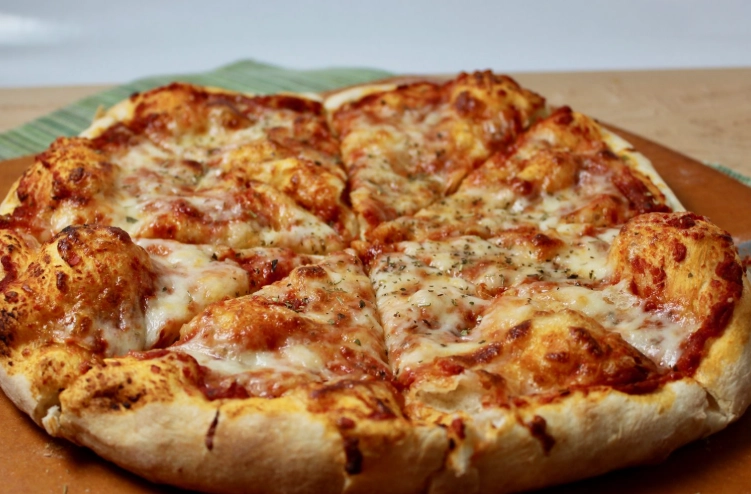
Easy Italian Pizza Crust Dough Recipe: Foolproof Homemade Pizza

Master Old School Italian Recipes: Authentic Pasta, Ragù & More
Authentic Carbonara Recipe: Traditional Italian Pasta Without Cream