Easy Italian Pizza Crust Dough Recipe: Foolproof Homemade Pizza
Quick Guide
Let's be honest. The thought of making pizza dough from scratch can be intimidating. I get it. You picture Italian nonnas kneading for hours, fancy wood-fired ovens, and a list of rules longer than your arm. What if I told you that the core of a great pizza is incredibly simple? That you can make a fantastic, authentic-tasting crust with just four basic ingredients and a bit of patience (mostly waiting, not working)? This easy Italian pizza crust dough recipe is my go-to, the one I've made probably a hundred times, and it never lets me down. It's the recipe that turned my "I'll just order in" nights into "let's make pizza!" adventures.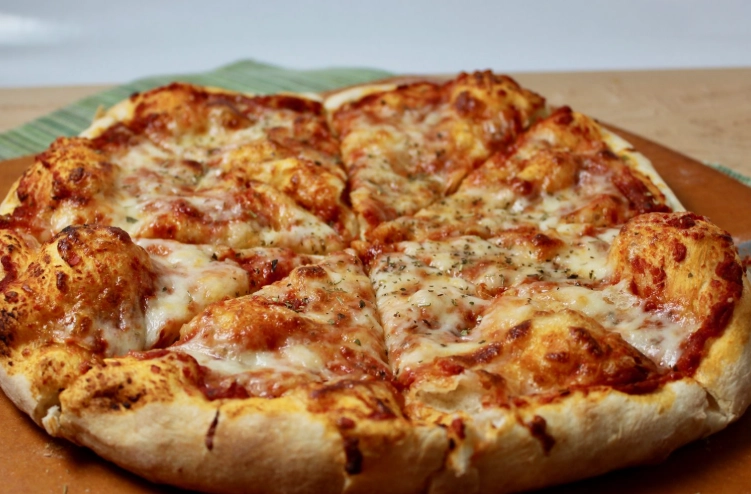
I learned this the hard way. My first attempt at homemade pizza dough was a disaster—a dense, cracker-like disc that my dog even hesitated to eat. I was following a complicated recipe with precise temperatures and strange additives. It felt like chemistry, not cooking. Then I stripped it back. I talked to a friend whose family is from Naples, read a bunch of old Italian cooking forums (the real ones, where people argue about hydration percentages), and just started experimenting in my own kitchen. The result? This method. It's forgiving, it's logical, and it makes you feel like a rockstar when you pull that bubbly, charred crust out of your own oven.
The Big Secret: Great Italian pizza dough isn't about complexity; it's about quality ingredients, understanding gluten, and letting time do the heavy lifting. Your most important tool? Your patience.
Why This Easy Italian Pizza Crust Dough Recipe Actually Works
Most recipes just give you steps. I think it's more helpful to know why you're doing something. When you understand the 'why,' you can troubleshoot, adapt, and truly own the recipe. So, let's break down the magic behind this easy Italian pizza crust dough recipe.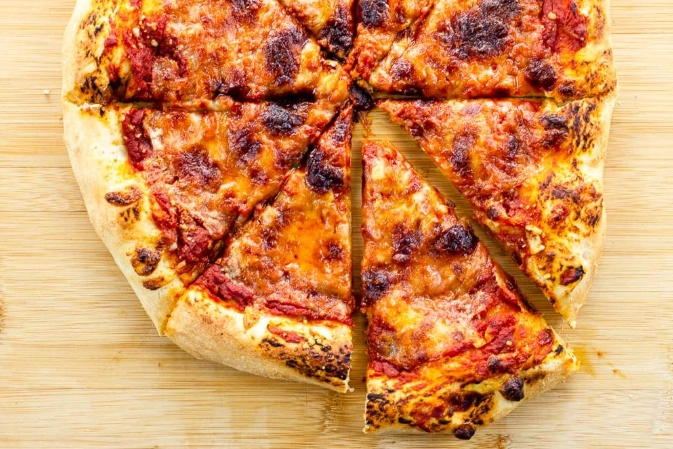
The goal is a crust that's chewy and tender on the inside (what Italians call the cornicione), with a crisp, flavorful bottom and those beautiful leopard-spot bubbles. The structure comes from gluten, a protein network formed when flour meets water and is developed through kneading and time. The flavor? That comes almost entirely from slow fermentation. Yeast eats the sugars in the flour and produces carbon dioxide (for rise) and alcohol/acids (for incredible, complex flavor). A quick, one-hour dough will give you bread. A slow, cold-fermented dough gives you pizza.
The Only Four Ingredients You Really Need
Seriously, that's it. Don't let anyone tell you you need sugar, oil, or dough conditioners for a classic Neapolitan-style crust. Here’s what each one does:
- Flour (00 or Bread Flour): This is the foundation. Italian "00" flour is finely milled and has a moderate protein content (around 11-12%), perfect for a tender yet strong crust. If you can't find it, good quality bread flour (with 12-13% protein) is an excellent substitute and what I use most often. All-purpose flour can work in a pinch, but the crust might be a bit less chewy.
- Water: Not just any water. The temperature matters because it controls yeast activity. We'll use cool water to slow things down from the start. The amount of water relative to flour is called "hydration." This recipe is around 65% hydration—a sweet spot that's wet enough to be open and airy but dry enough to be easy for beginners to handle.
- Yeast (Active Dry or Instant): The engine. A tiny amount is all you need for a long, slow rise. Instant yeast can be mixed directly with the flour; active dry yeast is sometimes recommended to be dissolved in water first, but honestly, with a long fermentation, I've used both interchangeably with success.
- Salt (Fine Sea Salt): The flavor enhancer and regulator. Salt tightens the gluten structure and controls yeast fermentation, preventing it from going wild. Never skip it.
I made the mistake of using iodized table salt once. The dough tasted... metallic? Off. Ever since, I stick with fine sea salt. It dissolves evenly and just tastes cleaner.
Step-by-Step: Your Foolproof Easy Italian Pizza Crust Dough Recipe
Okay, let's get our hands dirty. Here’s the process, broken down so you can't go wrong. I recommend using a digital kitchen scale for accuracy—it's a game-changer for baking. But I'll give cup measurements too, because I know not everyone has one.
Gathering Your Tools & Ingredients
You don't need much. A large mixing bowl, a wooden spoon or your hands, a clean surface for kneading, plastic wrap or a damp towel, and containers for the dough. For ingredients, here's your shopping list:
| Ingredient | Weight (Metric) | Volume (Approx.) | Purpose |
|---|---|---|---|
| Bread Flour or 00 Flour | 500 grams | ~4 cups (spooned & leveled) | Structure & chew |
| Cool Water (55-65°F / 13-18°C) | 325 grams | 1 ⅓ cups + 1 tbsp | |
| Fine Sea Salt | 10 grams | ~1 ¾ tsp | Flavor & gluten control |
| Instant Yeast | 2 grams | ~ ½ tsp | Leavening |
See? Simple list.
The Mixing & Kneading Process (It's Easier Than You Think)
- Combine Dry Ingredients: In your large bowl, whisk the flour and salt together. If using instant yeast, add it now and whisk it in. If using active dry, you can dissolve it in the cool water first (but it's not strictly necessary for long ferments).
- Add Water: Make a well in the center and pour in almost all of the cool water. Reserve a tablespoon or two.
- Initial Mix: Use a wooden spoon or your hands to mix until a shaggy, floury dough forms. It will look messy and uneven. That's perfect.
- Knead: Dump the shaggy mass onto a clean, unfloured surface (the counter is fine). Now, the kneading. You're not trying to beat it into submission. The goal is to organize the gluten. Use the heel of your hand to push the dough away from you, then fold it back over itself, give it a quarter turn, and repeat. Do this for about 8-10 minutes. The dough will go from sticky and ragged to smooth, elastic, and barely sticky. If it feels too dry and isn't coming together, add the reserved water a few drops at a time. If it's unmanageably sticky, dust your hands with a tiny bit of flour—but try to avoid adding extra flour to the dough itself.
Kneading Tip: Don't have 10 minutes? Do the "autolyse" trick. After the initial shaggy mix, just let the dough sit, covered, for 20-30 minutes. The flour fully hydrates and gluten starts forming on its own. Then, knead for just 3-4 minutes. It's a fantastic shortcut.
When it's ready, the dough should pass the "windowpane test." Gently stretch a small piece between your fingers. If you can stretch it thin enough to see light through it without it tearing immediately, your gluten is well-developed. If it tears right away, knead for another minute or two.
The Most Important Step: Fermentation (The Waiting Game)
This is where the magic happens and where most quick recipes fail. You have two great options:
Option 1: Room Temperature Bulk Ferment (Faster): Place the smooth dough ball in a lightly oiled bowl, cover tightly with plastic wrap, and let it sit at room temperature (around 70°F/21°C) until it has roughly doubled in size. This can take 4-8 hours depending on your kitchen's temperature. It's fine.
Option 2: Cold Ferment (Recommended for Best Flavor): This is the pro secret for an easy Italian pizza crust dough recipe with depth. After kneading, place the dough ball in a lightly oiled, airtight container (or divide it first—see next step). Stick it in the back of your fridge for 1 to 3 days. Yes, days. The cold drastically slows the yeast, allowing those flavorful acids to develop. The dough will rise slowly. This method is incredibly forgiving on timing.
My Big Mistake: I once left a batch in the fridge for 5 days. It over-fermented. It smelled strongly alcoholic and was too slack to shape properly. It made okay pizza, but not great. Stick to the 1-3 day window for best results. 48 hours is my personal sweet spot.
Dividing, Shaping, and the Final Rise
When you're ready to bake (take cold dough out 2-3 hours before you need it to warm up), it's time to shape your individual pizzas.
- Divide: Turn the dough out onto a surface. For a classic personal-sized pizza (about 10-12 inches), divide the 500g batch into 3 equal balls (~275g each). For smaller, thicker crusts, make 4 balls. Use a bench scraper or sharp knife—don't tear it.
- Shape into Balls (Boule): Cup each piece of dough and tuck the edges under, rotating it on the counter to create a tight, smooth surface on top. This creates surface tension, which helps the ball hold its shape and rise upwards.
- Final Proof: Place each ball seam-side down on a lightly floured tray or container, leaving space between them. Cover loosely with a damp towel or oiled plastic wrap. Let them rest at room temperature for 1-2 hours, until puffy and relaxed. They won't necessarily double again.
If the dough springs back aggressively when you poke it, it needs more time. If the indent slowly fills back in halfway, it's ready.
Baking Your Masterpiece: Oven Hacks for Home Cooks
We don't have 900°F wood-fired ovens. So we cheat. The goal is maximum, concentrated bottom heat. Here’s how:
- The Best Tool: A Pizza Stone or Steel. This is the single best investment for home pizza. You preheat it for at least an hour in your oven's hottest setting (usually 500-550°F / 260-290°C). The stone/steel absorbs and radiates intense heat, mimicking a pizza oven floor and crisping the bottom fast. A baking steel is even better than stone for heat transfer.
- Shaping the Dough: Never use a rolling pin! It squeezes out all the gas bubbles. Gently press the dough ball from the center outwards, leaving a thick border for the crust. Then, use your knuckles to gently stretch it, letting gravity help. Drape it over your fists and gently rotate and stretch. It takes practice—if you get a hole, patch it by pinching the dough together.
- Launching & Baking: Shape your pizza on a well-floured or semolina-dusted pizza peel (or the back of a flat baking sheet). Add toppings lightly and quickly. A quick jerk forward slides the pizza onto the screaming hot stone. Bake for 5-8 minutes until the crust is puffed and charred in spots.
- Broiler Finish: For extra top browning, switch your oven to broil for the last 30-60 seconds. Watch it like a hawk!
"The true test of your easy Italian pizza crust dough recipe is the 'leoparding'—those beautiful black spots on the crust from high heat. Don't be afraid of a little char; it's flavor."
Frequently Asked Questions (Stuff I Wondered Too)
Absolutely! I almost always make it by hand. I find it therapeutic, and you get a better feel for the dough's texture. The hand-kneading method described above is all you need.
You might have added a bit too much water, or your flour has a lower protein content. Next time, hold back 10% of the water and add it only if needed. For now, wet your hands with a little water or oil when handling it—don't add more flour to the dough, as it will throw off the hydration and make it dense.
Yes! It's a fantastic time-saver. After the first rise (bulk ferment) and dividing into balls, wrap each ball tightly in plastic wrap and then place in a freezer bag. Freeze for up to 3 months. Thaw overnight in the fridge, then let it come to room temperature and proof as usual before shaping.
A few possibilities: 1) The yeast was old or killed by water that was too hot. 2) You didn't let it proof long enough (the dough balls weren't relaxed and puffy). 3) You used a rolling pin or handled the dough too roughly, deflating it. 4) The oven wasn't hot enough—a cold oven won't create the rapid "oven spring" (the final burst of rising).
Great question! Neapolitan (from Naples) uses our method: high hydration, slow-fermented, baked very fast at extreme heat. It's soft, chewy, and has a charred, leopard-spotted cornicione. Roman-style (like pizza al taglio) is often thinner, crispier all the way through, and uses oil in the dough. It's baked in a sheet pan at a lower temperature for longer. Both are delicious, but this recipe is for the Neapolitan style.
Troubleshooting Common Problems
Let's be real, not every batch is perfect. Here's a quick guide to fixing (or understanding) common issues:
- Dough is spreading too much, too thin: The gluten might be underdeveloped (knead more next time) or it over-proofed (fermented too long). For now, you can try a second shaping to tighten the ball before the final proof.
- Crust is tough/chewy in a bad way: Too much flour was incorporated during kneading or shaping, or it was over-kneaded, creating too tough a gluten network.
- No flavor despite long ferment: Check your salt measurement. Not enough salt makes the flavor bland. Also, ensure your yeast is fresh—old yeast ferments poorly.
- Bottom is soggy: Your oven/stone isn't hot enough. Preheat longer (full hour). Also, don't overload with wet toppings (like fresh mozzarella without draining it first).
Making pizza at home is a journey. Your first one might not be Instagram-perfect, but I promise it will taste better than any chain delivery. This easy Italian pizza crust dough recipe is a foundation. Once you master the basic process, you can start playing—adjusting hydration, trying different flours (a bit of whole wheat adds great flavor), or experimenting with fermentation times.
The real joy is in the process. The smell of dough fermenting in your fridge, the tactile pleasure of shaping it, the proud moment you pull your creation from the oven. It turns a simple meal into an event. So grab that flour, trust the process, and give it a try. You might just find your new favorite weekend ritual.
And remember, even the imperfect ones are still pizza. And pizza is always good.
Related Articles
Simple Pasta Recipes for Busy Weeknights: 3 Classics Made Easy
What Are the Most Popular Italian Appetizers? A Complete Guide to Antipasti

Ultimate Guide to Italian Sausage Recipes: From Classic to Creative
Homemade Italian Ice Recipe: Smooth, Grain-Free & Authentic
Simple Italian Sausage Recipes for Dinner: Easy & Flavorful Family Meals