The Ultimate Carbonara Recipe: Authentic & Easy (No Cream!)
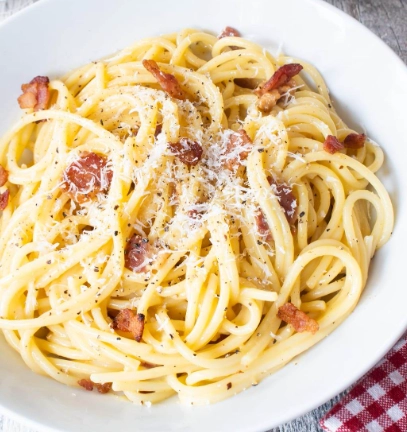
Let's cut through the noise. A proper Spaghetti alla Carbonara isn't a creamy, heavy Alfredo in disguise. It's a Roman masterpiece built on contrast: the sharp saltiness of cured pork, the rich silkiness of egg and cheese, and the heat of black pepper, all clinging to perfectly cooked pasta. Most recipes get it wrong, adding cream, garlic, or onions. After years of cooking (and eating) in Italy, I'm here to show you the authentic carbonara recipe, explain why each step matters, and help you avoid the common pitfalls that turn this simple dish into a scrambled egg mess.
What You'll Find in This Guide
The Soul of Carbonara: What Makes It Authentic?
Forget the origin stories involving coal miners. The carbonara we know today is a mid-20th century Roman creation, born from the meeting of local pasta, American GIs' eggs and bacon, and Roman pecorino cheese. Its soul lies in its minimalism. There are only five core ingredients: pasta, guanciale, pecorino romano, eggs, and black pepper. The magic happens when you emulsify the fat from the pork with starchy pasta water and cheese, using the eggs as a binder to create a sauce that's creamy without a drop of dairy cream. It's a technique-driven dish. Get the technique right, and you'll have a plate that would make any Roman nonna nod in approval.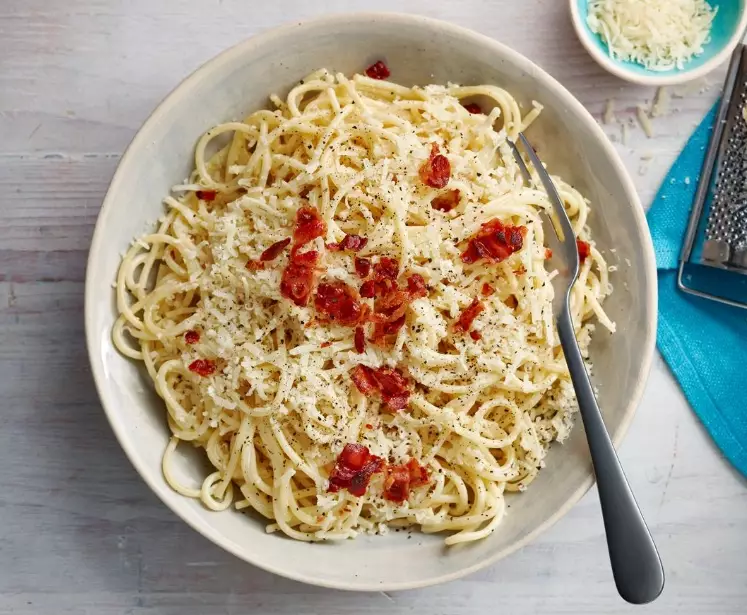
The Non-Negotiable Ingredients Breakdown
You can't build a great carbonara with mediocre parts. Each ingredient plays a specific role. Compromising on one changes the final flavor profile dramatically.
1. The Pork: Guanciale vs. Pancetta vs. Bacon
This is the hill many Italian chefs will die on. Guanciale is cured pork jowl. It's fattier, more flavorful, and has a more delicate, less smoky taste than pancetta (pork belly). When rendered, its fat is liquid gold for the sauce. Pancetta works in a pinch, but it's leaner and saltier. American bacon? It's smoked, which introduces a flavor completely foreign to traditional carbonara. It'll taste good, but distinctly different. If you're in the US, check Italian delis or online retailers like iGourmet for guanciale.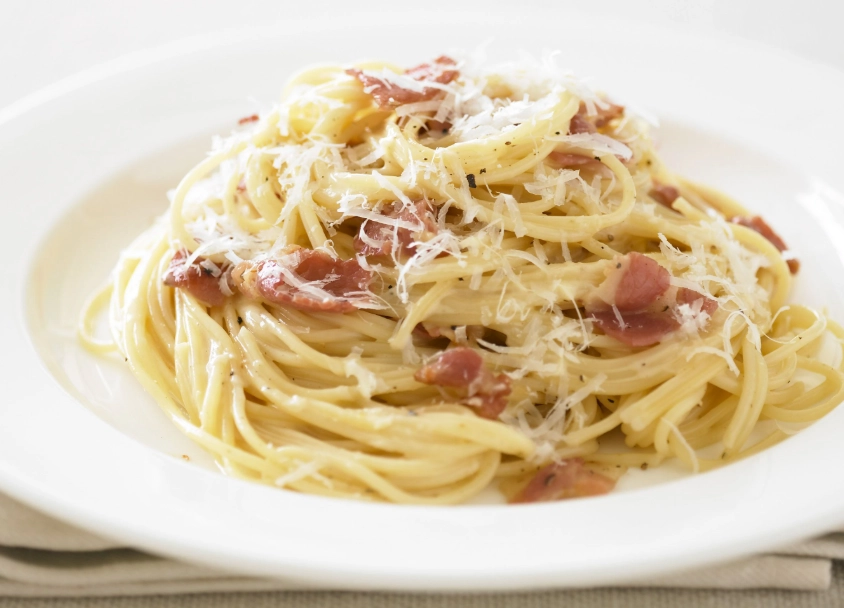
2. The Cheese: Pecorino Romano, Period.
Parmigiano-Reggiano is for another day. Pecorino Romano is made from sheep's milk, giving it a sharper, saltier, and more peppery bite that cuts through the fat of the guanciale perfectly. A mix of half Pecorino and half Parmigiano is a common modern compromise to soften the intensity, but for authenticity, go full Pecorino. Grate it yourself finely—pre-grated cheese contains anti-caking agents that can make your sauce grainy.
3. The Eggs: Yolks Are Key
Most recipes use a combination of whole eggs and extra yolks. The yolks provide richness and emulsifying power, while the whites add structure. For a truly luxurious, deep yellow sauce, I often use 1 whole egg plus 3-4 extra yolks for every pound of pasta. The eggs must be at room temperature to prevent them from seizing when mixed with the hot pasta.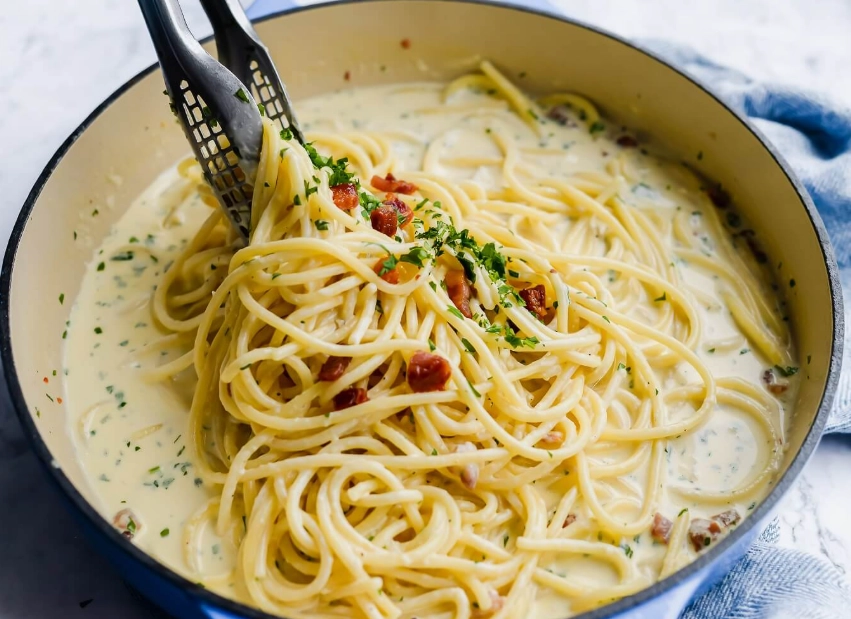
| Ingredient | Authentic Choice | Common Substitute | Impact of Substituting |
|---|---|---|---|
| Pork | Guanciale | Pancetta | Good, but less unctuous fat and more salty. |
| Cheese | Pecorino Romano | Parmigiano-Reggiano | Milder, nuttier flavor; less authentic sharpness. |
| Pasta | Spaghetti or Rigatoni | Any long pasta | Minor impact; shape affects sauce adhesion. |
| Fat | Rendered Guanciale Fat | Olive Oil or Butter | Fundamentally changes flavor; not recommended. |
The Foolproof Step-by-Step Process
Here’s where most people panic. The fear of scrambling eggs is real. Follow this sequence, and you'll eliminate the risk.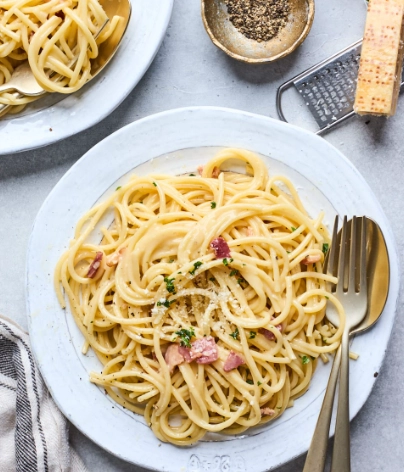
- Prep is Everything. Cube your guanciale into 1/2-inch pieces. Grate your pecorino finely. In a large bowl, whisk your eggs and extra yolks with all of the grated cheese and a generous amount of freshly cracked black pepper. This is your sauce base. Set it aside near the stove.
- Cook the Guanciale. In a cold, large skillet (carbon steel or stainless steel works best), add the guanciale. Turn the heat to medium-low. Let it render slowly until it's crispy and golden, and the fat has melted. This should take 10-15 minutes. Do not drain the fat. Turn off the heat.
- Boil the Pasta. In a large pot, bring heavily salted water to a boil. Add your spaghetti (about 3.5 oz/100g per person). Cook it 1-2 minutes less than the package says for al dente. Reserve at least 1 1/2 cups of the starchy pasta water before draining. This water is your magic emulsifier.
- The Critical Tempering. Using tongs, transfer the dripping-wet pasta directly from the pot to the skillet with the guanciale and its fat. Toss it vigorously over medium-low heat. The residual water on the pasta will sizzle and help start the emulsion. Now, take a ladle of the hot pasta water and add it to the egg/cheese mixture while whisking quickly. This gently raises the temperature of the eggs.
- Create the Sauce Off the Heat. Remove the skillet from the burner. Let it cool for 30 seconds. Pour the tempered egg/cheese mixture over the hot pasta. Work quickly, tossing and stirring with the tongs. The heat from the pasta and skillet will cook the eggs into a creamy sauce. If it looks too thick, add more pasta water, a tablespoon at a time, until it's silky and coats each strand.
- Serve Immediately. Plate it right away. The sauce continues to thicken as it sits. Top with an extra sprinkle of pecorino and more black pepper.
Top 5 Carbonara Mistakes (And How to Fix Them)
I've seen—and made—all of these. Let's avoid them.
- Using Cold Eggs Straight from the Fridge. This is the #1 cause of scrambling. Cold eggs hit hot pasta and seize. Take them out at least 30 minutes before cooking.
- Not Saving Enough Pasta Water. That cloudy, starchy water is what binds the fat, cheese, and eggs into a smooth emulsion. Have a mug ready and dip it in before you drain.
- Overcooking the Guanciale. If you burn it, the fat turns bitter and ruins the whole dish. Low and slow is the way. You want crispy but not charred pieces.
- Adding the Eggs to a Scorching Hot Pan. As above, take the pan off the heat. Let it rest. The residual heat is plenty.
- Being Stingy with Pepper. Black pepper isn't just a garnish in carbonara; it's a main ingredient. Crack a lot. The heat and aroma are essential.
Variations & Substitutions (When You Must)
While I advocate for the authentic recipe, life happens. Maybe you can't find guanciale, or someone has a dairy allergy. Here's how to adapt without completely losing the plot.
For the Pork: If you must use pancetta, buy it in a slab and cube it yourself. Pre-diced pancetta often has a weird texture. If using bacon, choose a thick-cut, unsmoked variety if possible, and blanch it in boiling water for 2 minutes to reduce the smokiness before frying.
For the Cheese: A 50/50 mix of Pecorino and Parmigiano is a widely accepted compromise for a milder flavor. For a dairy-free version, nutritional yeast won't cut it. You'd need to pivot to a completely different sauce base, like a cashew cream, but then it's not carbonara anymore.
For the Pasta: While spaghetti is classic, rigatoni or bucatini are excellent. Their shapes trap the sauce and little pork cubes beautifully.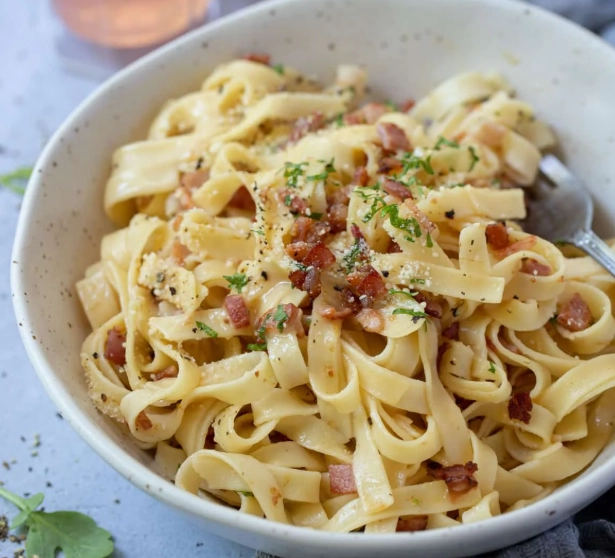
Your Carbonara Questions, Answered
Mastering the carbonara recipe is a rite of passage for any home cook interested in Italian food. It teaches you about emulsion, timing, and the power of few, high-quality ingredients. Ditch the cream, embrace the pepper, and give the guanciale a try. Once you taste the real thing, you'll understand what all the fuss is about.
Related Articles

The Ultimate Best Italian Seasoning Recipe (Authentic & Easy)
Famous Italian Alcoholic Drinks: A Guide to Aperitivo, Dinner, & Digestivo
Easy Hot Italian Sliders Recipe: The Ultimate Party Sandwich Guide
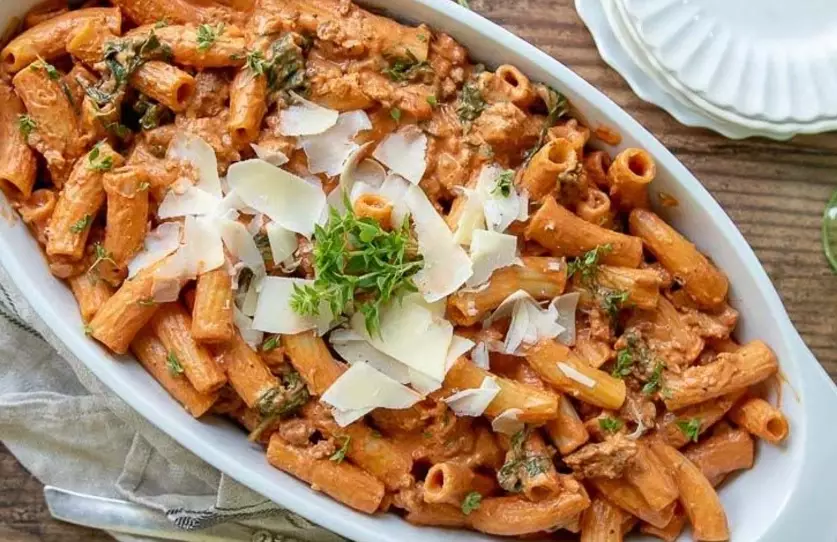
Best Italian Sausage Pasta Recipes: Easy, Creamy & Spicy Ideas
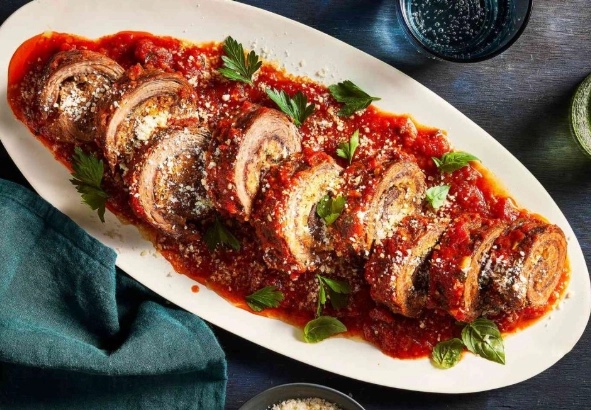
Easiest Italian Food to Make: 5 Simple Recipes for Beginners
