Italian Salad Dressing: The Most Common Choice Revealed
Ask anyone who's spent real time eating their way through Italy, and they'll give you the same answer. The most common salad dressing in Italy isn't a creamy, pre-bottled sauce. It's something far more elegant and fundamental: a simple vinaigrette made with extra virgin olive oil, vinegar (usually wine vinegar), salt, and sometimes a touch of pepper or garlic. Italians call it "condimento" or "salsa" for insalata. It's so ubiquitous it's often not even listed on menus—it's just assumed.
This isn't just a dressing; it's a philosophy. Italian cooking prizes the quality of a few pristine ingredients over complexity. A great salad showcases the lettuce, the tomatoes, the radicchio. The dressing's job is to enhance, not overpower. Forget the sweet, gloppy, herb-speckled bottles labeled "Italian Dressing" abroad. The real deal is austere, sharp, and lets the oil sing.
I've had this dressing in tiny trattorias in Sicily and fancy restaurants in Milan. The formula rarely wavers. The magic—and where many home cooks stumble—is in the execution and the quality of those two core components.
Your Quick Guide to Italian Salad Dressing
- What Exactly Is the Most Common Italian Salad Dressing?
- The Core Philosophy: Why Simplicity Wins
- How to Make Authentic Italian Vinaigrette (The Right Way)
- Common Mistakes & The Non-Consensus View
- Beyond the Basic: Regional Twists & When You See Them
- Where to Taste It: A Couple of Specific Spot Recommendations
- Your Italian Dressing Questions, Answered
What Exactly Is the Most Common Italian Salad Dressing?
Let's break down the standard formula you'll encounter on 95% of Italian tables and restaurant plates serving a green salad (insalata verde) or a mixed salad (insalata mista).
The universal ratio is about 3 parts extra virgin olive oil to 1 part vinegar. That's it for measurements. Everything else is to taste.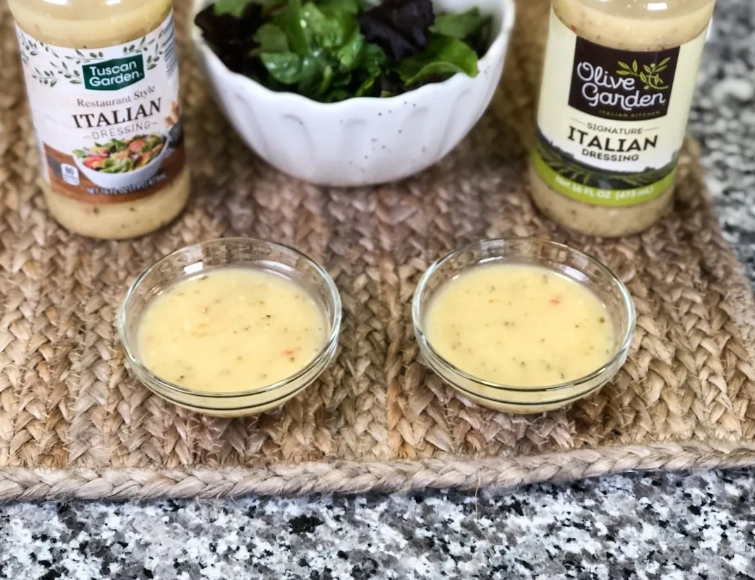
The Holy Quartet:
- Extra Virgin Olive Oil (Olio Extra Vergine di Oliva): The star. It must be fruity, peppery, and fresh. This is non-negotiable. A bland or old oil ruins everything.
- Vinegar (Aceto): Typically red wine vinegar (aceto di vino rosso) or white wine vinegar (aceto di vino bianco). In some northern regions, you might find apple cider vinegar. Balsamic vinegar from Modena is almost never used on a simple green salad—it's too sweet and precious, reserved for specific dishes like Caprese or drizzled over strawberries or aged cheese.
- Salt (Sale): Fine sea salt. It helps emulsify the dressing slightly and seasons the vegetables directly.
- Optional: Black Pepper (Pepe Nero) or a Tiny Bit of Garlic. If garlic is used, it's often a light rub on the inside of the salad bowl, not minced into the dressing.
There is no sugar. No dried oregano. No mustard. No lemon juice (that's for fish or certain artichoke salads). The flavor profile is purely the tang of good vinegar mellowed by the complex fruitiness of顶级 olive oil.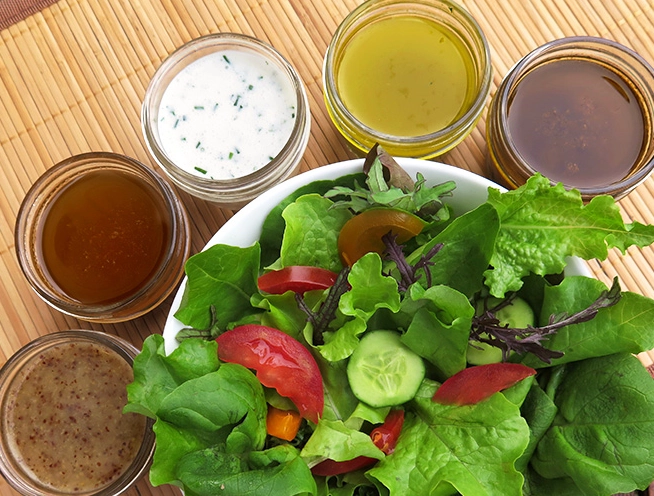
The Core Philosophy: Why Simplicity Wins
This approach stems from the Italian culinary principle of "il condimento non deve coprire, ma esaltare"—the dressing should not cover, but enhance. A salad is often a palate cleanser (after the pasta, before the main course) or a light side. It's meant to be refreshing, not a heavy dish in itself.
Think about the ingredients. Italy produces some of the world's best olive oil and wine vinegar. When you have access to such high-quality base products, you don't need to hide them behind a dozen other flavors. The dressing is a vehicle for the oil.
I remember asking a chef in Puglia why he didn't add anything else. He looked at his bottle of freshly pressed oil like it was gold. "Why would I?" he said. "This tastes of the land, of the sun. You want to taste that, no?"
How to Make Authentic Italian Vinaigrette (The Right Way)
You don't make a batch to store. You make it fresh, directly in the salad bowl, every single time. This is the most critical practical tip.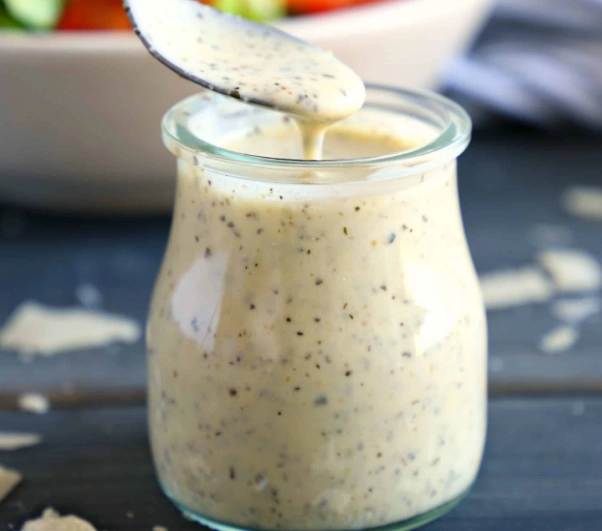
The In-Bowl Method (The Only Method You Need):
- Choose a wide, shallow salad bowl (wooden is traditional).
- Add your vinegar and a generous pinch of salt to the empty bowl. Swirl to let the salt begin dissolving.
- Drizzle in your extra virgin olive oil. Don't whisk vigorously. Use a fork or just tilt the bowl and use a spoon to gently combine it as you pour. You're aiming for a loose, temporary emulsion.
- Immediately add your clean, thoroughly dried salad greens. Toss with your hands or utensils until every leaf is just glistening. Serve right away.
Why this works: The salt dissolves better in the vinegar first. Adding the greens immediately prevents the dressing from separating in a jar and ensures the salad isn't soggy—it's dressed, not drowned.
| Ingredient | Italian Name | Role & Quality Tip |
|---|---|---|
| Extra Virgin Olive Oil | Olio Extra Vergine di Oliva | The foundation. Look for a recent harvest date (within 12-18 months), a DOP/IGP designation (like Toscano, Ligurian, or Puglian), and store it in a dark, cool place. |
| Red Wine Vinegar | Aceto di Vino Rosso | Provides sharp acidity. Should be well-balanced, not overly harsh. "Aceto di vino" is sufficient; "aceto balsamico" is for other uses. |
| Sea Salt | Sale Marino | Brings out flavors and aids emulsification. Fine salt dissolves faster than coarse flakes in the cold dressing. |
| Black Pepper | Pepe Nero | Optional aromatic. Always freshly ground if used. |
Common Mistakes & The Non-Consensus View
Here's where experience talks. Most online recipes get the ingredients right but miss the technique and the reasoning.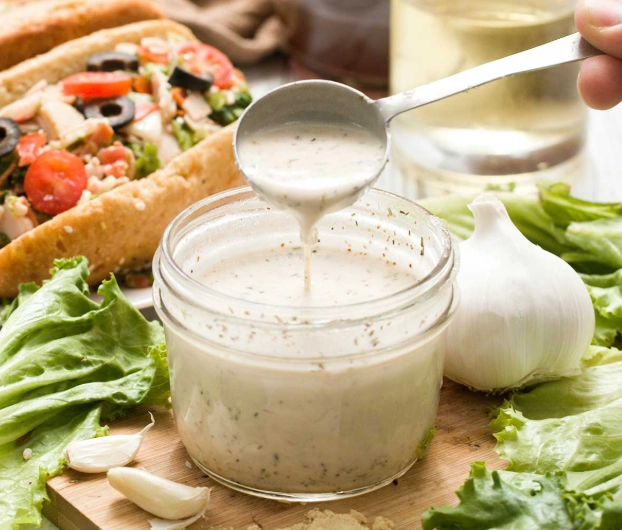
The Big Mistake: Making a big jar of dressing to store in the fridge. The olive oil will solidify and lose its fresh aroma, the emulsion will break permanently, and the flavor will be dull. The Italian method is anti-meal-prep for this one item.
The Non-Consensus Opinion: Many food experts insist on exact 3:1 ratios. In practice, in Italian homes, it's more fluid. The true test is taste. Is the vinegar bite too aggressive? Add more oil. Does it lack life? A tiny splash more vinegar. It's adjusted by eye and palate, not by measuring spoons. The goal is a balance where neither element dominates, but the oil's fruitiness is the last note you taste.
Another subtle error: using soggy greens. Water is the enemy of oil-based dressings. If your lettuce isn't spin-dried or towel-dried thoroughly, the dressing will slide off and pool at the bottom of the bowl, leaving you with a bland salad and a puddle of wasted good oil and vinegar.
Beyond the Basic: Regional Twists & When You See Them
While the oil-and-vinegar duo is king, you will encounter variations tied to specific salads or regions. These are exceptions that prove the rule.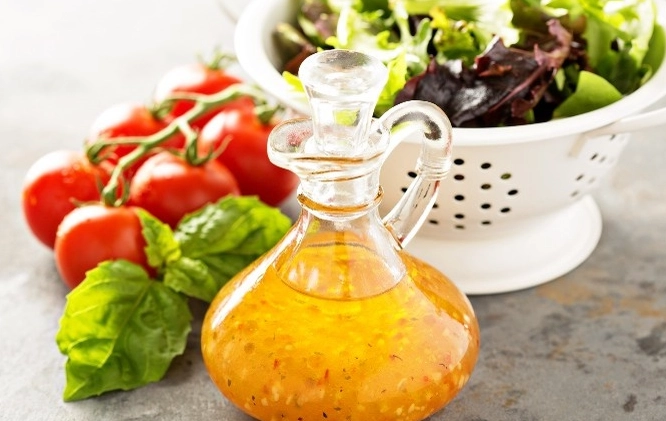
Lemon Juice (Succo di Limone)
Used primarily in coastal areas or with seafood-based salads. An insalata di mare (seafood salad) or a salad with grilled fish on top will often get a lemon-oil dressing. It's still simple—just lemon replacing vinegar.
"Salsa Verde" or "Salmoriglio"
These are herb-based sauces (with oil, lemon, garlic, capers) for boiled meats or grilled fish, not tossed salads. Don't confuse them with a standard salad dressing.
Northern Italian Touch
In parts of Lombardy or Piedmont, you might find a drop of heavy cream or a pinch of mustard whisked into the vinaigrette for a richer, slightly bound texture, often served with robust salads containing beets or potatoes. This is rare for a simple green salad.
The key takeaway? If you order a basic insalata mista, expect oil and vinegar. The fancier variations are attached to specific, named dishes.
Where to Taste It: A Couple of Specific Spot Recommendations
To truly understand it, you need to taste it in context. Here are two places where this simple dressing shines because everything else is perfect.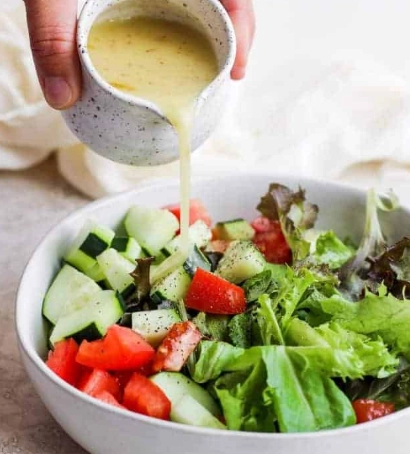
1. Roscioli Salumeria con Cucina, Rome
Address: Via dei Giubbonari, 21, 00186 Roma RM
Their Insalata Verde is a masterclass. Just fresh, crisp lettuces (often including bitter varieties like puntarelle in season), dressed with their own selection of premium olive oil and a sharp red wine vinegar. It's the perfect reset after their rich carbonara. No menu fuss, just perfection in a bowl. Expect to pay around €8-10 for the salad.
2. All'Antico Vinaio, Florence (and now elsewhere)
Address: Multiple, but the original is at Via dei Neri, 65R, 50122 Firenze FI
While famous for schiacciata sandwiches, their simple side salad is telling. It's often just shredded iceberg and radicchio, but the dressing—a bold Tuscan oil (like from the hills around Lucca) and vinegar—transforms it. It cuts through the fat of their massive sandwiches brilliantly. It's cheap, maybe €3 as a side, and demonstrates the dressing's role as a balancing act.
In both places, notice the order: the salad comes already, perfectly dressed. You won't find bottles of oil and vinegar on the table for you to DIY. They've already done it the right way.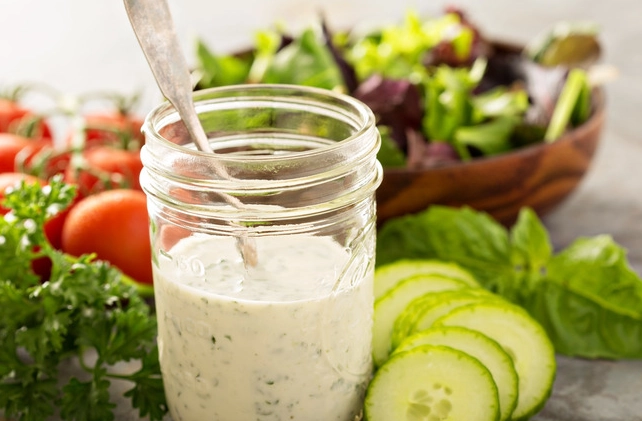
Your Italian Dressing Questions, Answered
Related Articles
The Real Secret to Good Bruschetta: A Chef's Guide to Perfect Toasts
Top 10 Italian Breads: A Guide to the Best Loaves from Italy
Ultimate Guide to Making Authentic Italian Beef at Home
Ultimate Italian Beef Crock Pot Recipe: Tender & Juicy
Authentic Italian Recipes: Your Ultimate Guide to Mastering Classics at Home