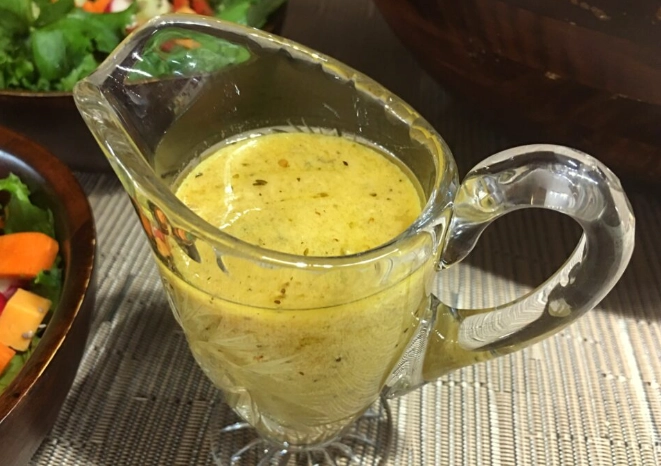
The Best Marinades for Italian Chicken: What to Marinate Chicken In for Juicy Results
So you're staring at a pack of chicken breasts, dreaming of a juicy, flavorful Italian dinner, but you're stuck on the first step: what to marinate chicken in for Italian food? Let's cut through the noise. The secret isn't one magical bottle from the store. It's understanding a simple formula rooted in Italian pantry staples: high-quality olive oil, fresh herbs, a touch of acid, and bold aromatics. Get this foundation right, and you'll never have dry, bland chicken again. I learned this the hard way after a decade of cooking and a few too many disappointing, mushy dinners.
Your Marinade Roadmap
- The Foundation of Italian Flavor: What Goes Into a Great Marinade?
- How to Build the Perfect Italian Chicken Marinade: A Step-by-Step Guide
- Classic Italian Chicken Marinade Recipes You Can Trust
- How Long Should You Marinate Chicken? (And What Happens If You Go Too Long)
- Beyond the Marinade: Pro Tips for Cooking Your Italian Chicken
- Italian Chicken Marinade FAQ: Your Questions, Answered
The Foundation of Italian Flavor: What Goes Into a Great Marinade?
Think of a marinade as a flavorful bath that does two jobs: it adds taste and can influence texture. For Italian cooking, we pull from a specific toolkit. Forget complicated ingredients; authenticity comes from simplicity.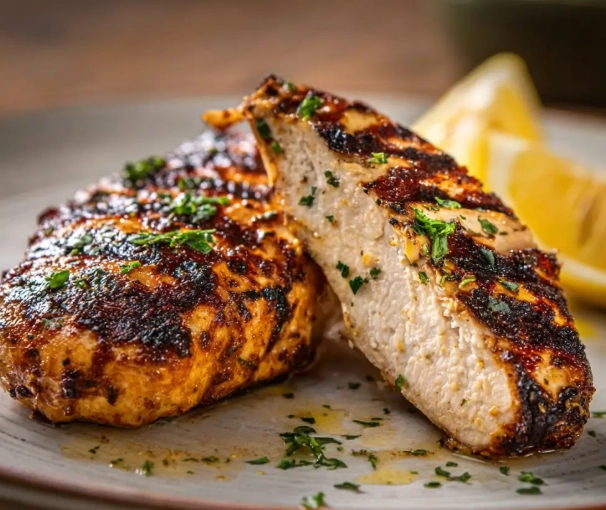
The Fat: Extra Virgin Olive Oil. This is non-negotiable. It's the carrier that helps fat-soluble flavors from herbs and garlic cling to the chicken. It also promotes browning and adds that distinct, fruity richness. Don't use your most expensive bottle for marinating, but don't use flavorless vegetable oil either. A robust, mid-range EVOO works perfectly.
The Acid: Lemon Juice, Vinegar, or Wine. This is where most home cooks trip up. Acid (lemon juice, red wine vinegar, balsamic vinegar, white wine) does tenderize by breaking down proteins slightly. But here's the expert mistake I see all the time: over-marinating in acid. Leave chicken in a highly acidic marinade for hours, and the surface proteins "cook" (ceviche-style), turning the exterior mushy and chalky when you finally grill it. We'll get to timing later.
The Herbs & Aromatics: Fresh is Best. Dried oregano and basil have their place, but for a marinade, fresh herbs release brighter, more complex oils. Rosemary, thyme, sage, basil, oregano, and flat-leaf parsley are your friends. Garlic (smashed or minced) and shallots are foundational. Don't be shy with black pepper.
The Salty Element: Salt & Beyond. Salt is crucial for seasoning deep into the meat. Kosher salt is ideal. You can also add depth with ingredients like grated Parmigiano-Reggiano rind (toss it in the bag!), anchovy paste (it dissolves and adds umami, not fishiness), or capers.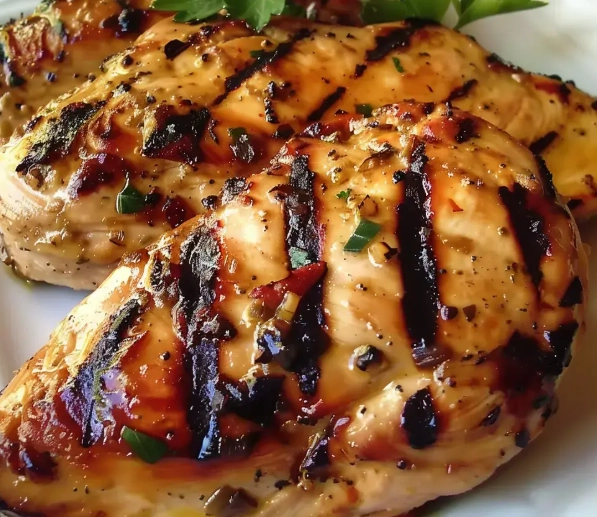
How to Build the Perfect Italian Chicken Marinade: A Step-by-Step Guide
Let's move from theory to practice. Building your marinade is easier than following a rigid recipe.
- Choose Your Vessel. Use a large, resealable plastic bag or a non-reactive glass or ceramic dish. Metal can react with acid.
- Whisk the Base. In a bowl, start with about 1/2 cup of olive oil. Add your acid—I recommend starting with 1/4 cup of lemon juice or vinegar. Whisk them together to emulsify slightly.
- Add Flavor Bombs. Stir in 2-3 cloves of minced garlic, a tablespoon of chopped fresh herbs, a teaspoon of salt, and half a teaspoon of cracked black pepper. This is your blank canvas.
- Customize. This is where you Italianize it. Love the flavors of Puttanesca? Add a tablespoon of chopped olives and a teaspoon of chili flakes. Want something richer? Stir in a tablespoon of tomato paste or sun-dried tomato oil.
- Marinate the Chicken. Add about 1.5 lbs of chicken (thighs, breasts, or a whole cut-up bird) to your bag or dish. Pour the marinade over, ensuring everything is coated. Press out excess air from the bag and seal it.
- Refrigerate. Always marinate in the fridge, never on the counter. Place the bag in a bowl to catch any potential leaks.
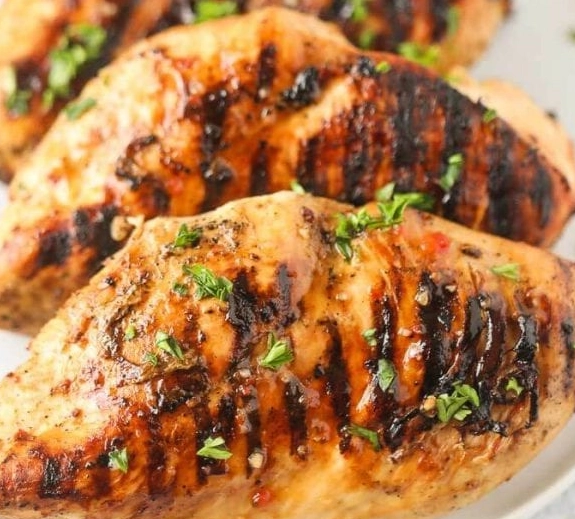
Classic Italian Chicken Marinade Recipes You Can Trust
Here are three battle-tested formulas. Each makes enough for about 1.5 lbs of chicken.
1. The All-Purpose Lemon-Herb Mediterranean Marinade
This is my weekday workhorse. It's bright, versatile, and screams summer grilling.
- 1/2 cup extra virgin olive oil
- 1/4 cup fresh lemon juice (about 1 large lemon)
- 3 cloves garlic, minced
- 1 tbsp each chopped fresh rosemary and thyme
- 1 tsp lemon zest
- 1 tsp kosher salt
- 1/2 tsp black pepper
Whisk it all together. Perfect for chicken breasts destined for the grill or baked with potatoes.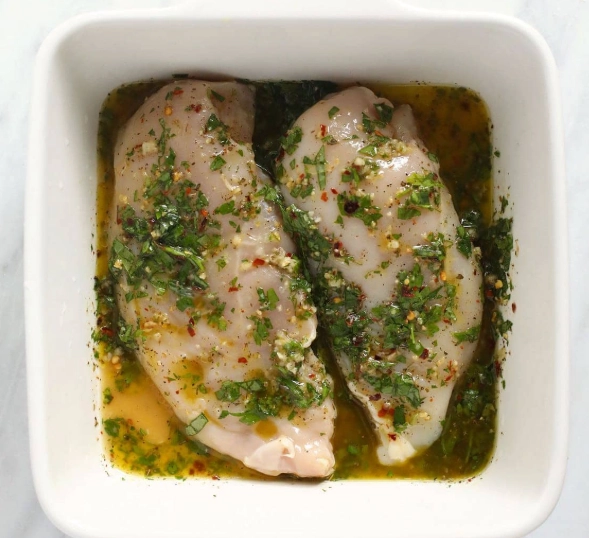
2. The Robust Sun-Dried Tomato and Basil Pesto Marinade
For when you want deeper, savory-sweet flavor. It creates a gorgeous, reddish crust.
- 1/2 cup extra virgin olive oil (use the oil from the sun-dried tomato jar if you have it)
- 1/4 cup red wine vinegar
- 1/4 cup chopped oil-packed sun-dried tomatoes
- 2 tbsp prepared basil pesto (or 2 tbsp fresh basil + 1 tbsp pine nuts)
- 2 cloves garlic
- 1 tsp salt
Blitz everything in a small food processor or blender until mostly smooth. Ideal for chicken thighs.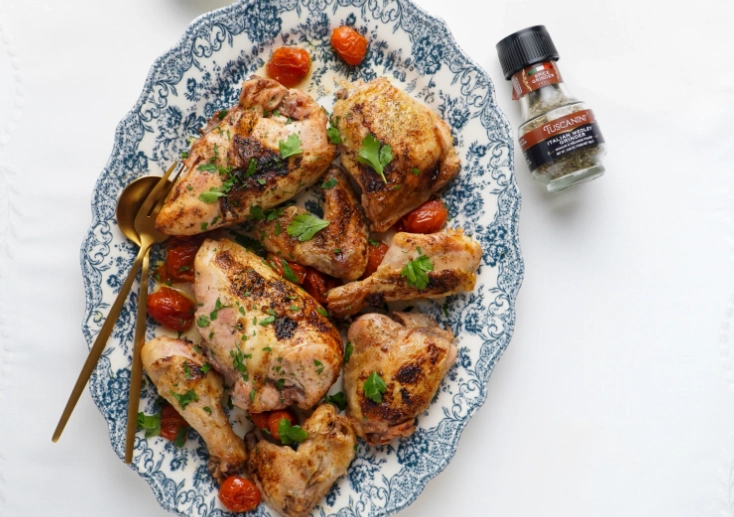
3. The Sophisticated Balsamic and Rosemary Marinade
Elegant enough for company. The balsamic caramelizes beautifully. Use a good-quality, syrupy balsamic if you can.
- 1/3 cup extra virgin olive oil
- 1/3 cup balsamic vinegar
- 1 tbsp Dijon mustard
- 1 tbsp chopped fresh rosemary
- 2 cloves garlic, minced
- 1 tsp salt
- 1/2 tsp black pepper
Whisk vigorously to combine the mustard and oil. Excellent for a whole spatchcocked chicken.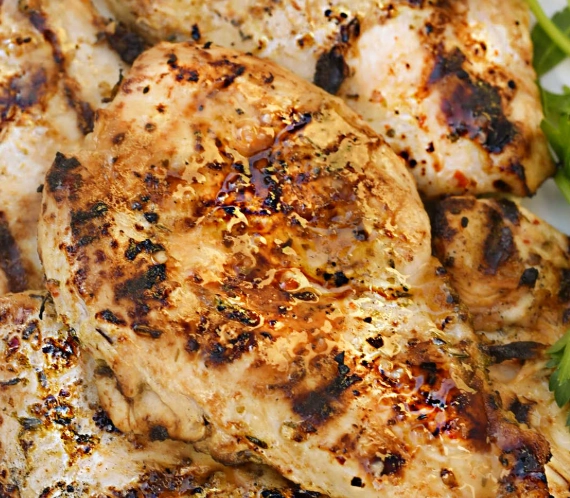
| Marinade Type | Best For | Key Flavor Profile | Max Marinating Time |
|---|---|---|---|
| Lemon-Herb | Chicken Breasts, Grilling | Bright, Fresh, Zesty | 2 hours |
| Sun-Dried Tomato | Chicken Thighs, Roasting | Savory, Umami, Rich | 4 hours |
| Balsamic-Rosemary | Whole Chicken, Baking | Sweet, Earthy, Complex | 6 hours |
How Long Should You Marinate Chicken? (And What Happens If You Go Too Long)
This is the most critical piece of the puzzle. More time is not always better.
For acidic marinades (with lemon, vinegar, wine): 30 minutes to 2 hours is the sweet spot for boneless, skinless cuts. Chicken breasts can start to degrade at the surface after 2 hours. For a whole chicken or bone-in pieces, you can go up to 4-6 hours because the bone and skin offer protection.
For oil-and-herb based marinades (low acid): You have more flexibility. 2 to 8 hours, or even overnight, is fine. The flavor will penetrate more deeply without the risk of mushiness.
What if you're short on time? Even a 20-minute marinade, especially if you've scored the meat, makes a noticeable difference. Don't skip it just because you can't do it overnight.
Beyond the Marinade: Pro Tips for Cooking Your Italian Chicken
The marinade sets the stage, but the cooking seals the deal.
Pat it Dry. Before cooking, use paper towels to pat the chicken very dry. This is non-negotiable for getting a proper sear or crisp skin. Wet chicken steams.
Bring to Room Temp. Take the chicken out of the fridge 20-30 minutes before cooking. This helps it cook more evenly, preventing a raw interior and overcooked exterior.
Don't Discard the Marinade (But Be Smart). You can boil the used marinade for 2-3 minutes to kill any bacteria and use it as a basting sauce or to drizzle over cooked chicken. Or, better yet, set aside a portion of the fresh marinade before adding the chicken to use as a finishing sauce.
Use a Thermometer. Guessing leads to dry chicken. Cook breasts to 165°F (74°C) and thighs to 175°F (79°C). Pull them off the heat 5 degrees early, as carryover cooking will finish the job.
Let it Rest. Tent the cooked chicken with foil and let it rest for 5-10 minutes. This allows the juices, which have been driven to the center by the heat, to redistribute throughout the meat. Cutting in too soon means all those flavorful juices end up on your cutting board.
Italian Chicken Marinade FAQ: Your Questions, Answered
Figuring out what to marinate chicken in for Italian food is less about finding a single perfect recipe and more about mastering a flexible, flavorful system. Start with good olive oil, balance your acid, pack in fresh herbs and garlic, and—most importantly—respect the clock. Do this, and you'll transform simple chicken into the star of an authentic, delicious Italian meal every single time.
Related Articles

The largest IPO in the A-share market in 13 years has been terminated, and it wa
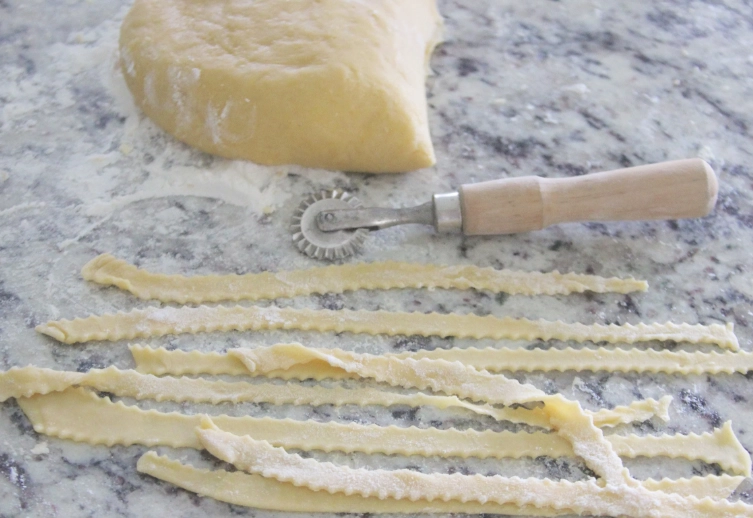
The Ultimate Homemade Italian Pasta Recipe by Hand: A Complete Guide
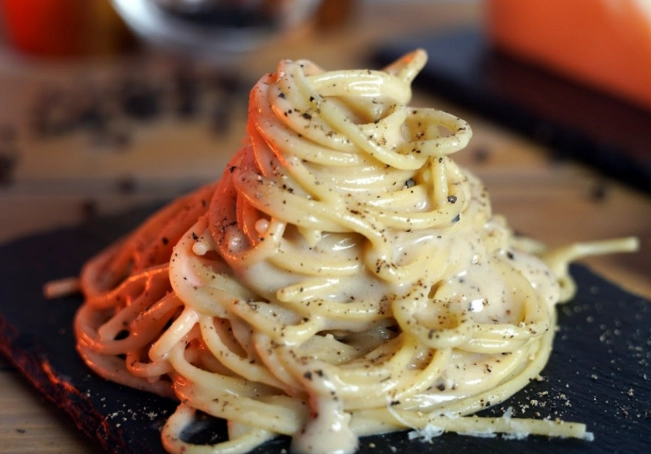
Master Italian Pasta Recipes: Classics, Regional Gems & Pro Tips
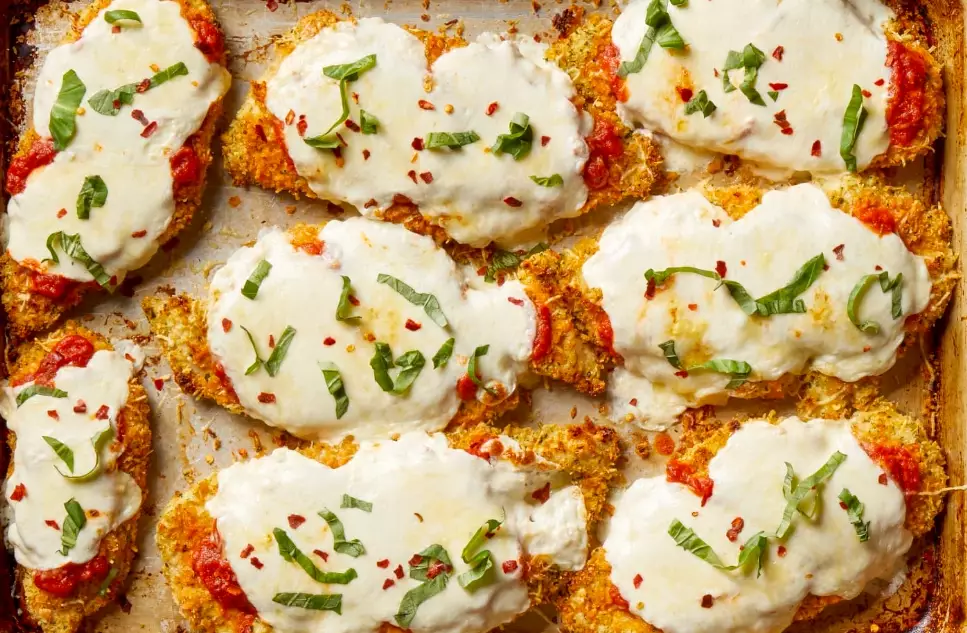
Easy Italian Recipes: 5 Classics Anyone Can Master at Home
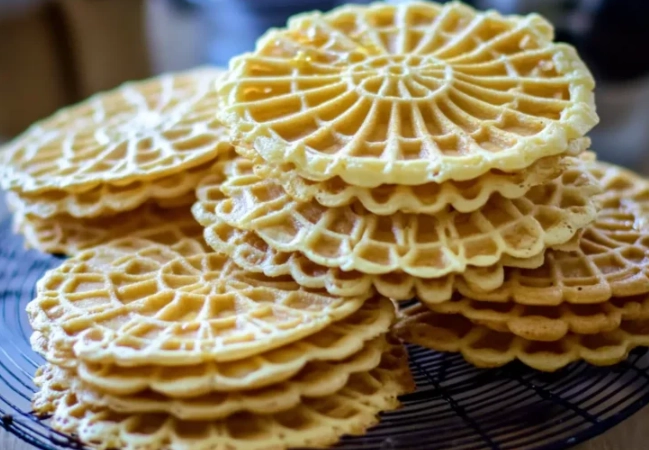
Easy Original Pizzelle Recipe: Classic Italian Waffle Cookies