Italian Pasta Salad Dressing: The Ultimate Guide to Authentic Flavor
Let's be honest. Most pasta salads are disappointing. Soggy noodles, bland vegetables, and a dressing that either pools at the bottom of the bowl or coats everything in a greasy, one-note film. The problem is almost never the pasta itself. It's the dressing. A truly great Italian pasta salad dressing is an emulsion—a harmonious, creamy suspension of oil, acid, and flavor that clings to every piece of pasta and vegetable, delivering a burst of balanced flavor in every bite. It's the soul of the dish. After years of trial and error (and eating my share of mediocre potluck contributions), I've learned that mastering this dressing is less about following a rigid recipe and more about understanding a few non-negotiable principles.
What's Inside This Guide
- The Can't-Fail Base Recipe for Italian Pasta Salad Dressing
- Why Each Ingredient Matters: A Deep Dive
- 3 Common Dressing Mistakes You're Probably Making
- How to Customize Your Dressing: Flavor Variations
- Making Ahead & Storage Tips
- What to Put in Your Pasta Salad: Perfect Pairings
- Your Italian Dressing Questions, Answered
The Can't-Fail Base Recipe for Italian Pasta Salad Dressing
This is your foundational template. Memorize these ratios. For about 1 pound of dried pasta (enough for a big crowd or leftovers), you'll need this amount of dressing.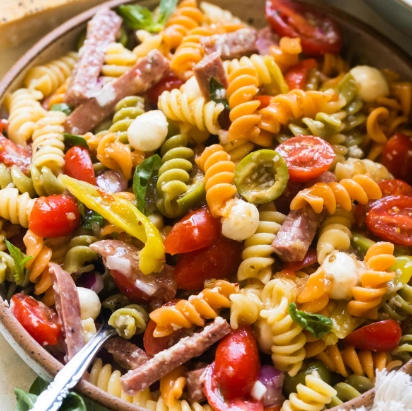
Classic Creamy Italian Pasta Salad Dressing
Yield: ~1 ¼ cups, enough for 1 lb pasta salad.
Ingredients:
- ¾ cup (180ml) extra virgin olive oil: The good stuff. We'll talk about why below.
- ¼ cup (60ml) red wine vinegar: The classic choice for its fruity sharpness.
- 2 tablespoons (30ml) fresh lemon juice: This is the secret weapon for brightness.
- 1 tablespoon (15g) Dijon mustard: For emulsifying and a subtle tang.
- 2 cloves garlic, finely minced or grated: Grated is better—it dissolves into the dressing.
- 1 teaspoon dried oregano: Crush it between your palms before adding.
- 1 teaspoon dried basil: Or use 1 tablespoon finely chopped fresh.
- ½ teaspoon onion powder: Sounds weird, but it rounds out the flavor without crunch.
- ½ teaspoon freshly ground black pepper: Non-negotiable.
- 1 teaspoon kosher salt, plus more to taste: Diamond Crystal is my go-to.
- ¼ cup (25g) finely grated Parmesan or Pecorino Romano cheese: The "creamy" part of creamy Italian.
- 2 tablespoons (30ml) warm water (optional): A trick for extra cling.
Method:
- In a medium bowl, combine the Dijon mustard, minced garlic, oregano, basil, onion powder, salt, and pepper. Whisk to form a paste.
- Add the red wine vinegar and lemon juice. Whisk vigorously until combined.
- This is the critical moment. Start whisking constantly and slowly drizzle in the extra virgin olive oil. I mean a thin, thread-like stream. The mixture will thicken and become creamy as the oil incorporates. If you dump it all in at once, it will never emulsify properly.
- Once all the oil is in, whisk in the grated cheese. If the dressing seems too thick, whisk in the warm water one tablespoon at a time until it reaches a pourable but still creamy consistency.
- Taste. This is your last chance. Does it need more salt? A pinch of sugar to balance extreme acidity? Adjust now. Let it sit for 15 minutes before using to allow the flavors to meld.
Why Each Ingredient Matters: A Deep Dive
You can follow the recipe above and get great results. But if you understand the role of each component, you can troubleshoot and innovate like a pro.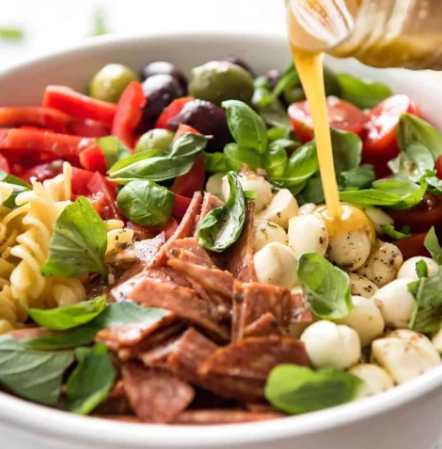
The Oil & Acid Foundation
The 3:1 oil-to-acid ratio is a classic vinaigrette starting point, but here we tweak it. Using two acids (red wine vinegar and lemon juice) creates a more complex brightness. The lemon juice cuts through the richness of the oil and cheese in a way vinegar alone sometimes can't.
Oil Choice: A robust, fruity extra virgin olive oil (EVOO) is ideal. Don't use light olive oil or vegetable oil—they lack flavor. A high-quality EVOO is an ingredient, not just a medium. Look for terms like "cold-pressed" and a harvest date on the bottle. The California Olive Oil Council and the North American Olive Oil Association are good resources for quality standards.
Acid Swap-Ins: White wine vinegar is milder. Sherry vinegar adds a nutty complexity. Avoid balsamic for a classic Italian dressing—it's too sweet and dark, overpowering the other flavors.
The Flavor Amplifiers
Dijon Mustard: It's not there for mustard flavor. It contains emulsifiers (lecithin) that bind oil and water, creating a stable, creamy texture. It also adds a background savory note.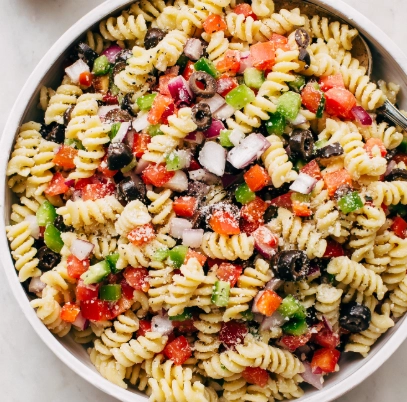
Garlic: Grating it on a microplane is a game-changer. It creates a fine pulp that integrates seamlessly into the dressing, avoiding harsh raw garlic chunks in your salad.
Cheese: Finely grated hard cheese does two things. First, it adds a deep umami, salty flavor. Second, it acts as a thickener and helps the dressing coat the pasta. Pre-grated cheese often contains anti-caking agents (like cellulose) that can make your dressing gritty. Grating it yourself is worth the extra minute.
My Pet Peeve: Recipes that call for "Italian seasoning." That pre-mixed jar is often stale and unbalanced. Building your own blend with individual dried herbs (oregano, basil, sometimes thyme or marjoram) gives you control. And if you have fresh basil, use it! Add it to the salad itself, not the dressing made ahead.
3 Common Dressing Mistakes You're Probably Making
- Not Emulsifying Properly. Pouring the oil in too fast is the #1 reason dressings "break" (separate). The slow drizzle while whisking is non-negotiable. A small food processor or immersion blender makes this foolproof.
- Underseasoning the Dressing. The dressing should taste almost too salty and too bright on its own. Once it's dispersed over a pound of bland pasta and vegetables, it will be perfectly balanced. Taste it straight and don't be shy.
- Dressing the Salad While Everything is Hot. This is crucial. Pasta absorbs dressing like a sponge when hot. You'll end up with a dry, sticky salad. Always rinse the cooked pasta under cold water to stop the cooking, drain it well, and let it cool completely in a single layer on a baking sheet before adding any dressing or other ingredients.
How to Customize Your Dressing: Flavor Variations
Once you have the base down, play with it.
| Variation | Ingredient Swaps/Add-Ins | Best Paired With |
|---|---|---|
| Herb-Forward & Green | Replace dried herbs with ¼ cup packed fresh basil + 2 tbsp fresh parsley. Add 1 anchovy fillet (minced) for depth. | Cherry tomatoes, fresh mozzarella, salami. |
| Spicy Calabrian | Add 1-2 tbsp chopped Calabrian chilies in oil + 1 tsp of their oil. Use white wine vinegar. | Grilled vegetables, chickpeas, ricotta salata. |
| Lemon-Pepper Zest | Increase lemon juice to ⅓ cup. Add zest of one lemon. Use coarsely ground pepper. | Asparagus, peas, grilled chicken, almonds. |
| Creamy Avocado (No-Mayo) | Blend the base dressing with the flesh of one ripe avocado. Thin with water as needed. | A southwestern-style salad with corn, black beans, and peppers. |
Making Ahead & Storage Tips
This dressing stores beautifully. Make it up to 3 days ahead and keep it in a sealed jar in the fridge. The olive oil will solidify when cold. Just take it out 30 minutes before using and shake or whisk it vigorously to re-emulsify. The grated cheese might make it extra thick; a splash of warm water will loosen it up.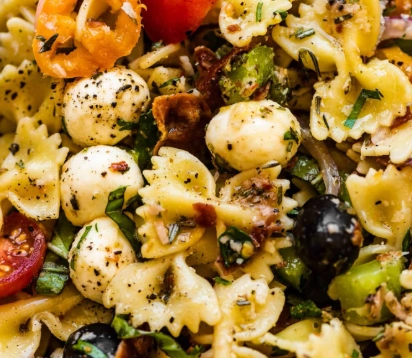
Always dress your pasta salad at least an hour before serving. This gives the pasta time to soak up the flavors. Hold back a few tablespoons of dressing to refresh the salad right before serving if it looks dry.
What to Put in Your Pasta Salad: Perfect Pairings
The dressing is the star, but the supporting cast matters. Think about texture, color, and flavor balance.
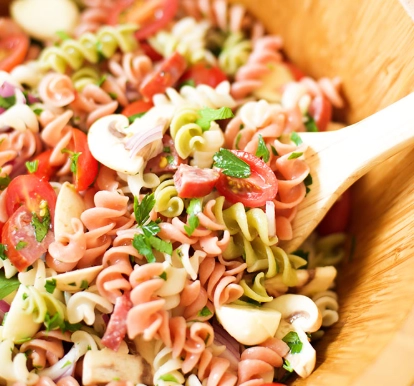
- Pasta Shape: Use shapes with nooks and crannies like fusilli, rotini, farfalle, or cavatappi. They trap the dressing. Avoid long, smooth pasta like spaghetti.
- Vegetables: Go for a mix of crunchy (bell peppers, red onion, celery) and juicy (cherry tomatoes, olives). Roast vegetables like zucchini or eggplant for deeper flavor.
- Proteins & Cheeses: Cubed salami, pepperoni, grilled chicken, chickpeas (for a vegan option), mozzarella balls (ciliegine), feta, or provolone.
- Fresh Finishes: Add delicate fresh herbs (basil, parsley), toasted pine nuts, or sunflower seeds right before serving so they don't wilt or get soggy.
I made one last weekend with farfalle, the classic dressing, roasted red peppers, artichoke hearts, salami, and little mozzarella balls. It was gone in an hour.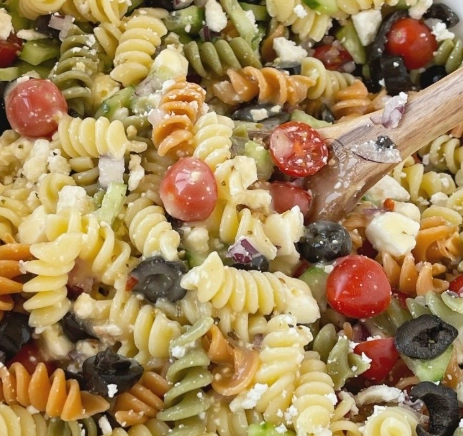
Your Italian Dressing Questions, Answered
Related Articles

Old Fashioned Italian Cookie Recipes: A Taste of Tradition
Authentic Italian Pasta Sauce Recipes: From Classic Tomato to Rich Ragù
Authentic Carbonara Recipe: The Real Italian Way (No Cream!)
Traditional Italian Salads for a Crowd: Easy, Make-Ahead Recipes
The Heart of Italy on Your Plate: Timeless Traditional Italian Recipes & Kitchen Wisdom